Last updated November 17, 2026
Free written scope consultation - allowances, timeline, and change-order rules on paper before a single trade is scheduled
Driveway & Pavers Maintenance Schedule: What to Do and When
Sealing pavers in August in Hialeah is one of the fastest ways to ruin a driveway that was fine the day before. When surface temperature climbs above 95°F and humidity sits over 80%, most solvent-based sealers blush, trap moisture underneath, and dry into a milky haze that only stripping will remove. The mistake isn’t the product. It’s the month. Most paver care advice is written for climates with four seasons. Hialeah has two: a wet season that runs June through November and a dry stretch that opens a narrow window for sealing work. This guide gives you specific months, a joint-sand depth test you can run with a toothpick, and real dollar figures for what skipped maintenance costs in Hialeah.
Quick Answer
A Hialeah paver driveway needs inspection in May before the rainy season, a biological growth treatment in October after peak humidity, and sealer application in November or December once surface temperatures drop below 85°F. Joint sand should be topped off any time the toothpick test shows less than three-quarters of an inch remaining. Cleaning happens year-round, but sealing has a window, and missing it is how a $300 job becomes an $8 to $15 per square foot base repair.
Styles & brands we work with
- Kitchen remodeling
- Bathroom remodeling
- Home additions & ADU
- Roofing
- Windows & doors
- Driveway & pavers
- Fence
Table of Contents
- Why Hialeah’s Climate Sets a Different Paver Calendar
- The Month-by-Month Hialeah Paver Maintenance Calendar
- The Toothpick Test: Measuring Joint Sand Before the Rains
- Product Specs That Survive South Florida Humidity
- What Deferred Maintenance Actually Costs
- What You Can Do Yourself vs. What Needs a Contractor
- Re-Grading, Edge Restraint, and When Permits Enter the Picture
- Frequently Asked Questions
Why Hialeah’s Climate Sets a Different Paver Calendar
Paver maintenance guides written for Tampa, Atlanta, or the Carolinas assume a freeze-thaw cycle drives the damage. Hialeah doesn’t have one. What we have is rain, and a lot of it, arriving on a schedule. From June through November, Hialeah gets the bulk of its annual rainfall in afternoon downpours that hit the same pavement day after day. That pattern does two things to a paver system. It washes polymeric joint sand out of the joints from the top, and it drives water into the bedding layer faster than the joints can drain it.
The result is joint erosion that doesn’t happen gradually over a year. It happens in concentrated bursts during the wet season. A driveway that passes a joint-sand check in April can be sitting half-empty by August, which is why a single annual cleaning and top-off doesn’t hold up here the way it might in a drier market. Hialeah homeowners who treat the rainy season as the deadline, not an inconvenience, spend less over five years than those who clean up after it.
The second reality is heat. Pavers in direct Hialeah sun absorb and hold warmth. By early afternoon in July, the surface of a west-facing driveway runs well past 110°F even when air temperature is in the low 90s. That matters for any coating you apply. Sealers and polymeric sand are formulated to cure within a temperature and humidity band, and Hialeah pushes past the top of that band for roughly four months a year.
Two Seasons, Two Jobs
- Wet season (June – November): joint erosion, biological growth, and drainage problems dominate. Your job is monitoring and top-off.
- Dry window (December – May): stable conditions, lower surface temps, less rain. This is when sealing and major corrections get done.
If you’re planning a full paver replacement rather than maintenance, our guide to Driveway & Pavers in Hialeah walks through installation, base prep, and the material options that hold up in this climate. The calendar below is for pavers you already have.
The Month-by-Month Hialeah Paver Maintenance Calendar
Here is the schedule we use on Hialeah properties. The months are tied to local weather patterns, not a generic “spring and fall” rule. South Florida’s rainy season has a fairly predictable start and end, and the sealing window depends on when afternoon surface temperatures finally ease off.
- January: Full inspection after the holidays. Look for winter weeds in joints, cracked pavers from any past settling, and edge pieces that have worked loose. Dry conditions make problems easier to see.
- February: Sealer window opens on some years, but hold until surface temps are consistently under 85°F. In Hialeah that’s usually later than you think. Do a deep clean now.
- March: Joint sand top-off after cleaning. Use this stretch to address any efflorescence, the white mineral bloom that shows up on new pavers and after wet spells.
- April: Sealer application if you’re sealing this year. Humidity is still low enough for a proper cure. This is the safest month in Hialeah for penetrating sealers.
- May: Joint-sand inspection before the rainy season. Run the toothpick test (below). Top off any joint under three-quarters of an inch. Edge restraint check.
- June – July: Rainy season begins. No sealer work. Ongoing weed and biological growth watch. Clear any ponding before it sits.
- August: Peak heat and humidity. Do not apply sealer. This is the month that generates the milky-haze stripping jobs. Monitor joints for washout after heavy storms.
- September: Peak wet season. Biological growth accelerates. If algae or mildew appears, treat at the surface; defer any full washing to October.
- October: Rainy season easing. Full biological growth treatment, deep clean, and joint sand assessment.
- November: Sealer window opens again as surface temperatures and humidity drop. This is the second safe month for sealing.
- December: Final sealer window. Complete any reapplication, edge repairs, or joint sand top-off before the next cycle.
The key insight is November through April is your work window, and the rest is monitoring. Hialeah’s wet season isn’t a maintenance emergency; it’s a period where you protect what the dry season built.
The Toothpick Test: Measuring Joint Sand Before the Rains
You don’t need a tool to check joint sand. A standard wooden toothpick works, and it takes about two minutes to check a driveway. Here’s the method:
- Pick three or four spots on the driveway, ideally in areas that see the most runoff from the roof or a slope.
- Insert the toothpick straight down into a joint, between two pavers, until it hits the bedding layer or the bottom.
- Pinch or mark the toothpick at the level where it meets the paver surface.
- Measure the sand-filled portion against the pavers. The threshold is three-quarters of an inch of joint sand remaining below the surface chamfer.
If any test spot shows less than three-quarters of an inch, top off. Do this in May, before the rains, not in August after the joints have already washed out. Topping off with a fresh layer of polymeric sand while the joints are full is a cheap, quick job. Rebuilding joints that have eroded for a season is a different task.
We’ve seen this play out on Hialeah driveways near the airport corridor where a lot of driveways are graded toward the street with a slope that concentrates runoff. Those joints lose sand faster than a flat residential slab, and the toothpick test is how you catch it before it becomes visible gap between the pavers.
Product Specs That Survive South Florida Humidity
Two product decisions do most of the work in Hialeah: which polymeric sand you use, and which kind of sealer you apply. Get either wrong and you’re paying for the correction.
Polymeric Sand
Not all polymeric sand is rated for the humidity band Hialeah sits in. The key specs to check are the manufacturer’s stated cure time and temperature range and whether the formulation is described as suitable for high-humidity applications. Standard polymeric sands cure by activating the polymer with a light mist of water; if humidity is so high the joints can’t dry, the polymer fails to set and washes out on the next storm. Look for a sand the manufacturer explicitly says is for humid climates, and follow the activation instructions precisely. Applying too much water is as bad as too little.
Penetrating Sealers
For Hialeah conditions, a penetrating sealer with a documented water vapor transmission rate (WVTR) is the safer choice than a film-forming sealer. WVTR describes how much moisture vapor can pass through the cured product. A sealer with a good vapor transmission rate lets the paver system breathe, which matters here because the substrate underneath stays wet for extended stretches. A film-forming sealer sprayed onto a damp substrate in June traps that moisture, and the trapped moisture is what blushes. The milky haze you see isn’t the sealer failing; it’s water caught under it.
Ask for the product data sheet before any sealer goes on your driveway. If a contractor can’t produce a spec sheet showing the temperature and humidity cure range, wait for a better window. Our team works through this with customers directly, and we’ll walk a spec sheet line by line if you’d rather compare than guess.
What Deferred Maintenance Actually Costs
Deferred maintenance has a specific price on a Hialeah driveway, and the gap between doing it and not doing it is large enough to plan around.
- Joint sand replacement: typically $0.50 to $0.80 per square foot. On a 600 square-foot driveway, that’s roughly $300 to $480, and it’s the routine annual or semi-annual cost.
- Base repair from ignored erosion: $8 to $15 per square foot. That’s two seasons of water working into joints that should have been topped off. On the same 600 square-foot driveway, it runs $4,800 to $9,000.
- Sealer stripping after a failed August application: comparable to a base repair on the affected area plus new sealer. The stripping is labor-intensive and the original application is wasted.
The math is straightforward. A homeowner who spends around $400 a year on joint sand and a clean is protecting a surface that would cost more than ten times that to rebuild in sections. The single most common path to the expensive version in Hialeah is skipping the May joint-sand check, letting the rainy season do its work, and noticing the problem when pavers start to shift and rock.
It’s the same pattern we see in other structural systems that depend on a moisture barrier. A fence, for instance, fails at the posts long before it fails at the boards, which is why post setting matters so much in our Fence Installation in Hialeah work. Driveways and fences both fail from the water side first.
What You Can Do Yourself vs. What Needs a Contractor
A large share of Hialeah paver maintenance is well within reach for a homeowner with a hose, a broom, and a bag of joint sand. Here’s the line.
Homeowner-Safe Tasks
- Regular cleaning: sweeping, rinsing, and removing leaves and debris from joints and edges.
- Joint sand top-off: adding fresh polymeric sand to joints under the three-quarters threshold and activating it per the product instructions.
- Biological growth treatment: applying a manufacturer-approved cleaner for algae, mildew, or moss on the paver surface.
- Toothpick testing: running the joint-sand depth check before and after the rainy season.
- Visual inspections: noting rocking pavers, cracks, efflorescence, and standing water.
Contractor Tasks
- Re-grading: changing the slope of the driveway to correct ponding or runoff direction, which requires lifting pavers and reworking the base.
- Edge restraint replacement: the concrete or plastic border that holds the paver field in place. If it’s failed, the field will spread and the repair is structural.
- Base repair: any correction to the compacted gravel and bedding layer beneath the pavers. This is the expensive repair that good joint maintenance avoids.
- Sealer application: a homeowner can do this, but only if they can read a spec sheet and hit the November – April window. Most failed seal jobs we’re called to fix were DIY applications in the wrong month.
The dividing line is simple. If the work changes the paver system’s structure, base, or slope, it’s a contractor task. If it’s cleaning, topping off sand, or treating growth at the surface, you can own it.
Re-Grading, Edge Restraint, and When Permits Enter the Picture
Re-grading a driveway is where maintenance becomes construction. If water is ponding against the house or draining toward the garage door, the fix is a slope change, and a slope change means lifting pavers and reworking the base underneath. That’s a contractor job, and in Hialeah it may require a permit depending on how much of the site is affected and how close the work comes to the structure or the property line. Any work that touches drainage patterns shared with a neighbor, or that alters the driveway footprint, should be checked against local requirements before a shovel goes in.
Edge restraint failure has a similar logic. The edge restraint is what keeps the paver field from spreading. When it cracks or pulls away, the pavers start to gap and the joints open wider, which accelerates sand loss. Replacing edge restraint is straightforward but it isn’t cosmetic: it’s the system’s perimeter, and a failed perimeter lets the whole field move. If you’re planning an addition or a driveway rebuild at the same time, our Home Additions & ADU in Hialeah page covers how we sequence site work so the driveway and the structure don’t fight each other.
Permits are pulled and inspections passed on any scope that requires them. That’s a standing part of how we work, and it’s written into the scope before a crew arrives.
See the difference
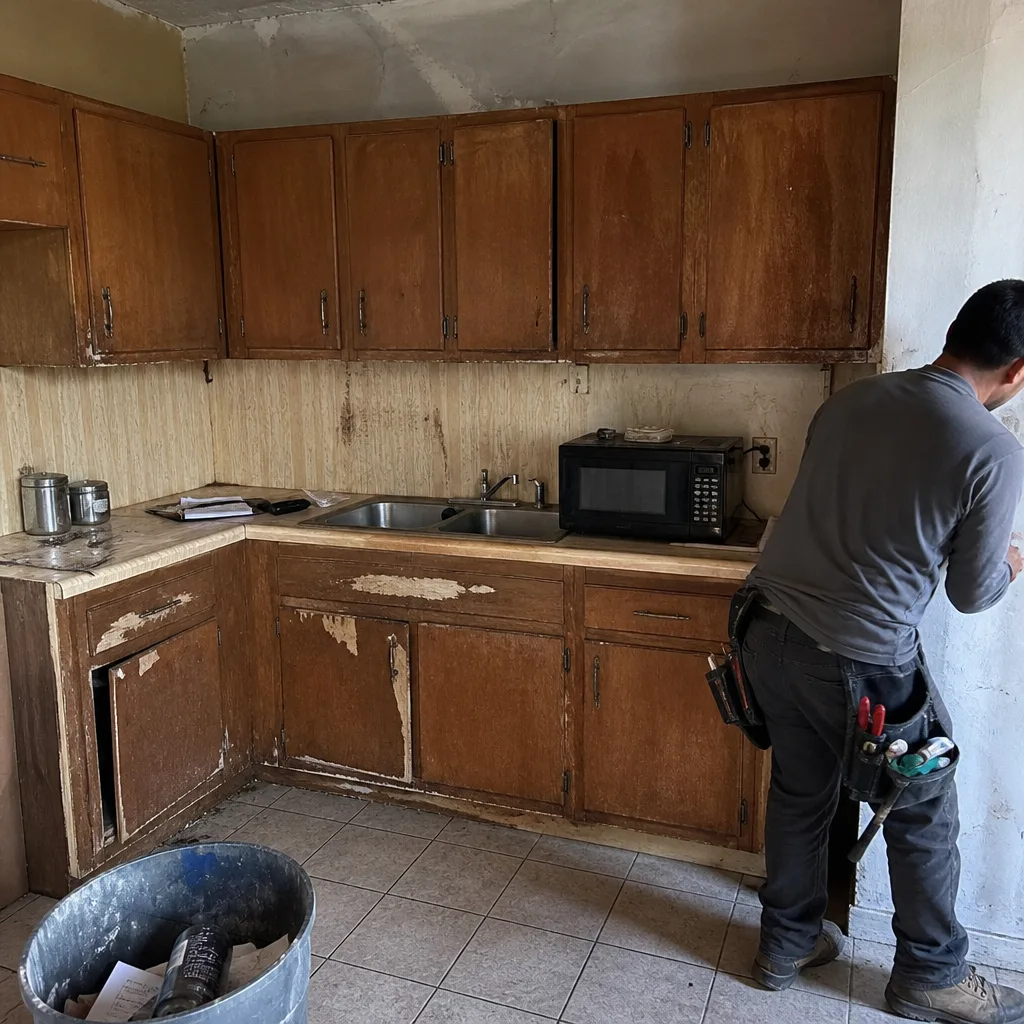 Before
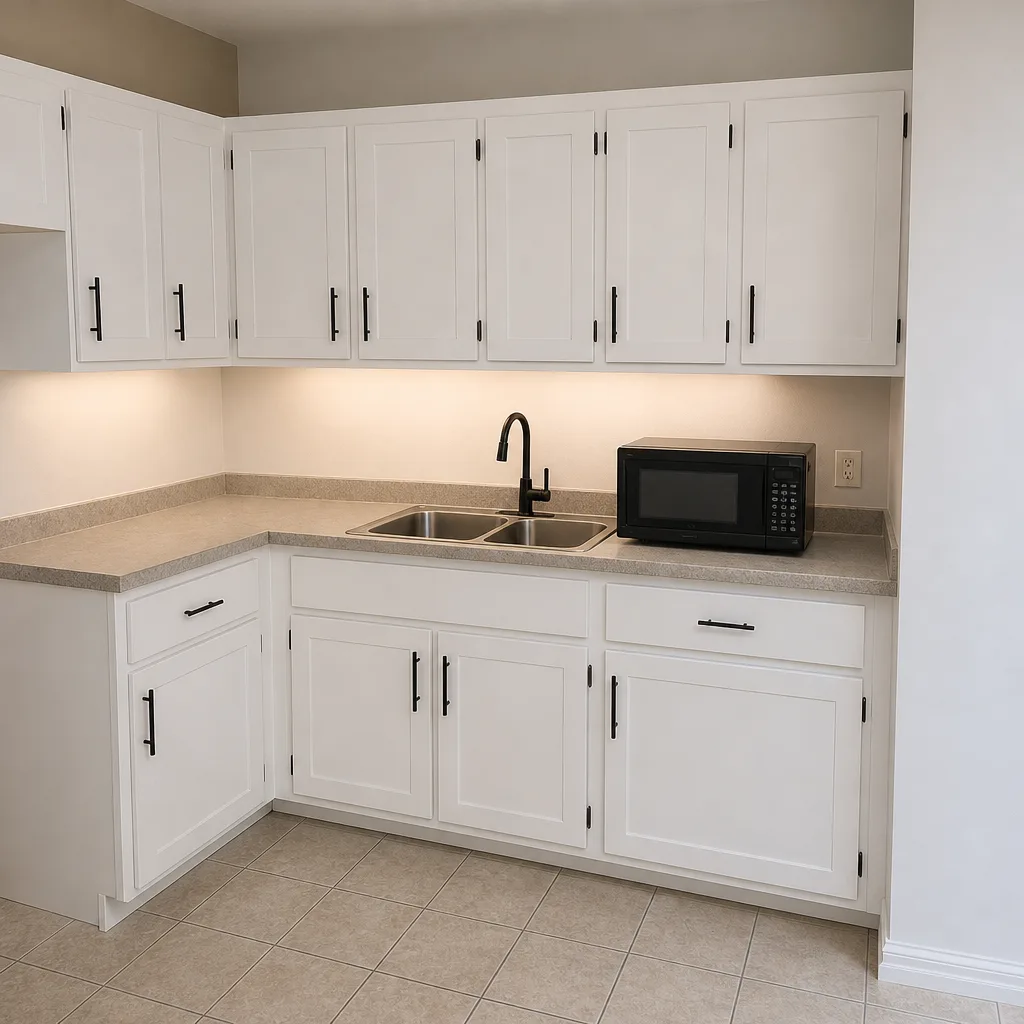 After
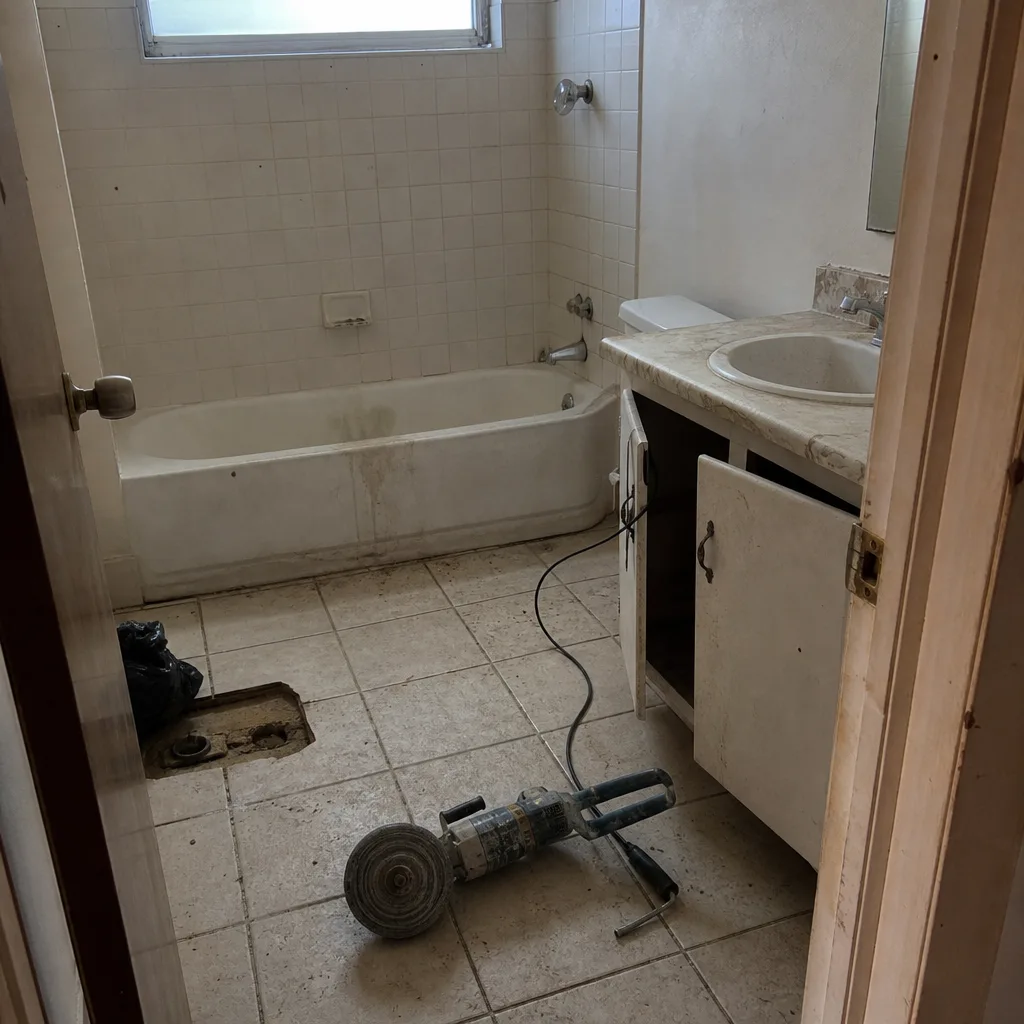 Before
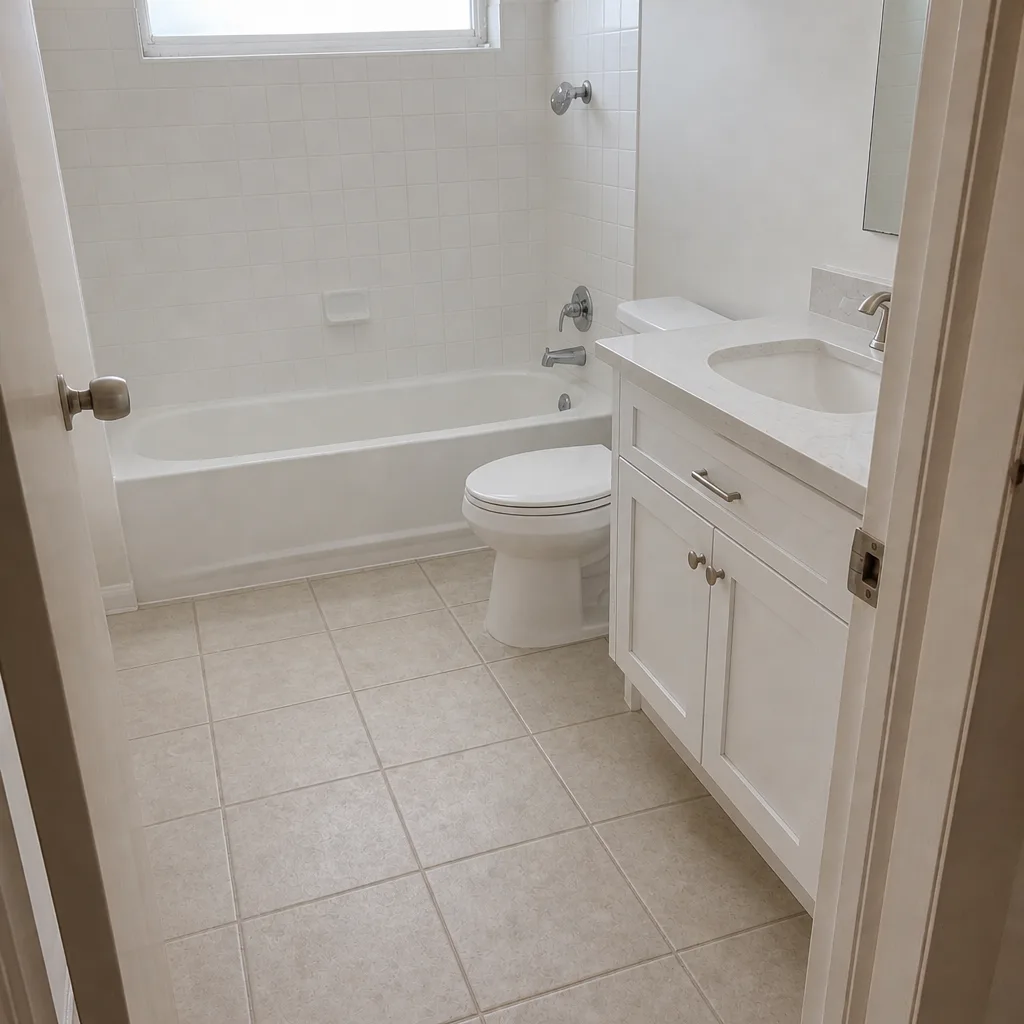 After
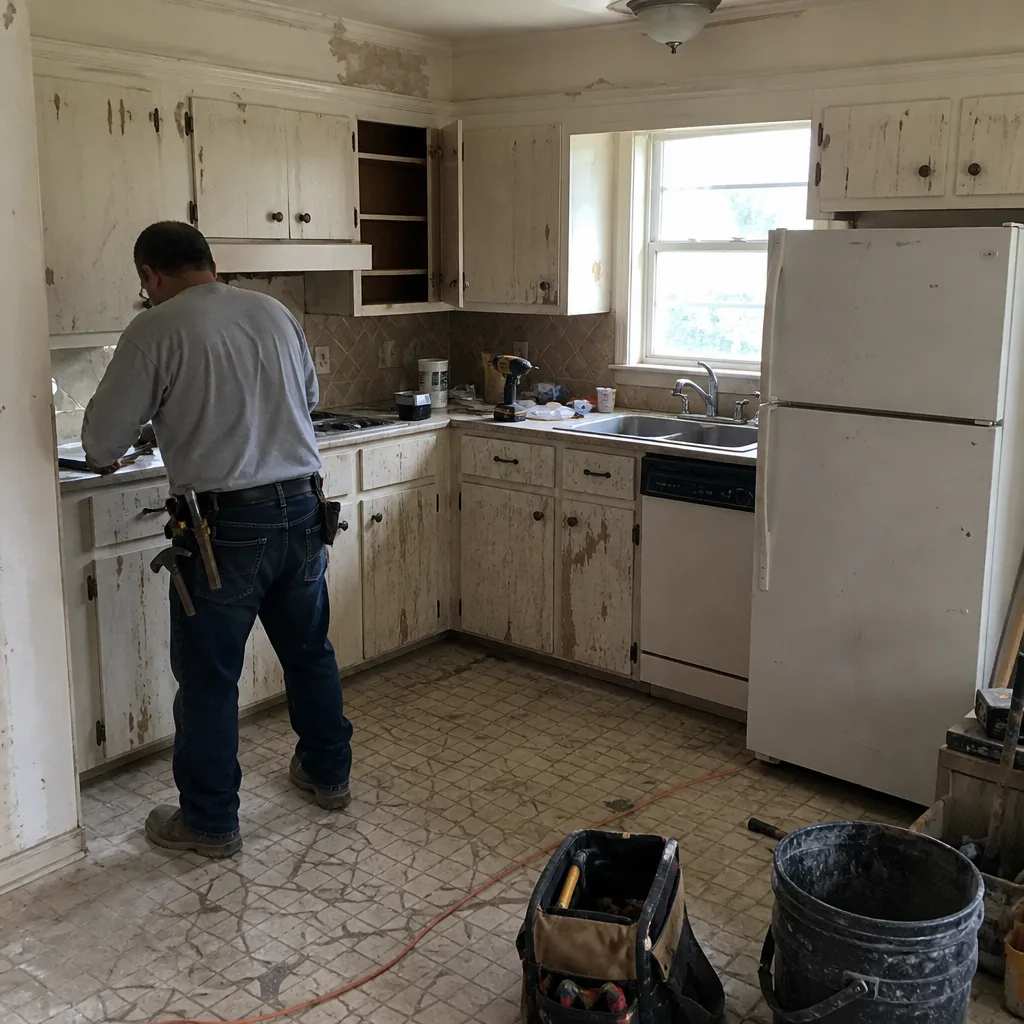 Before
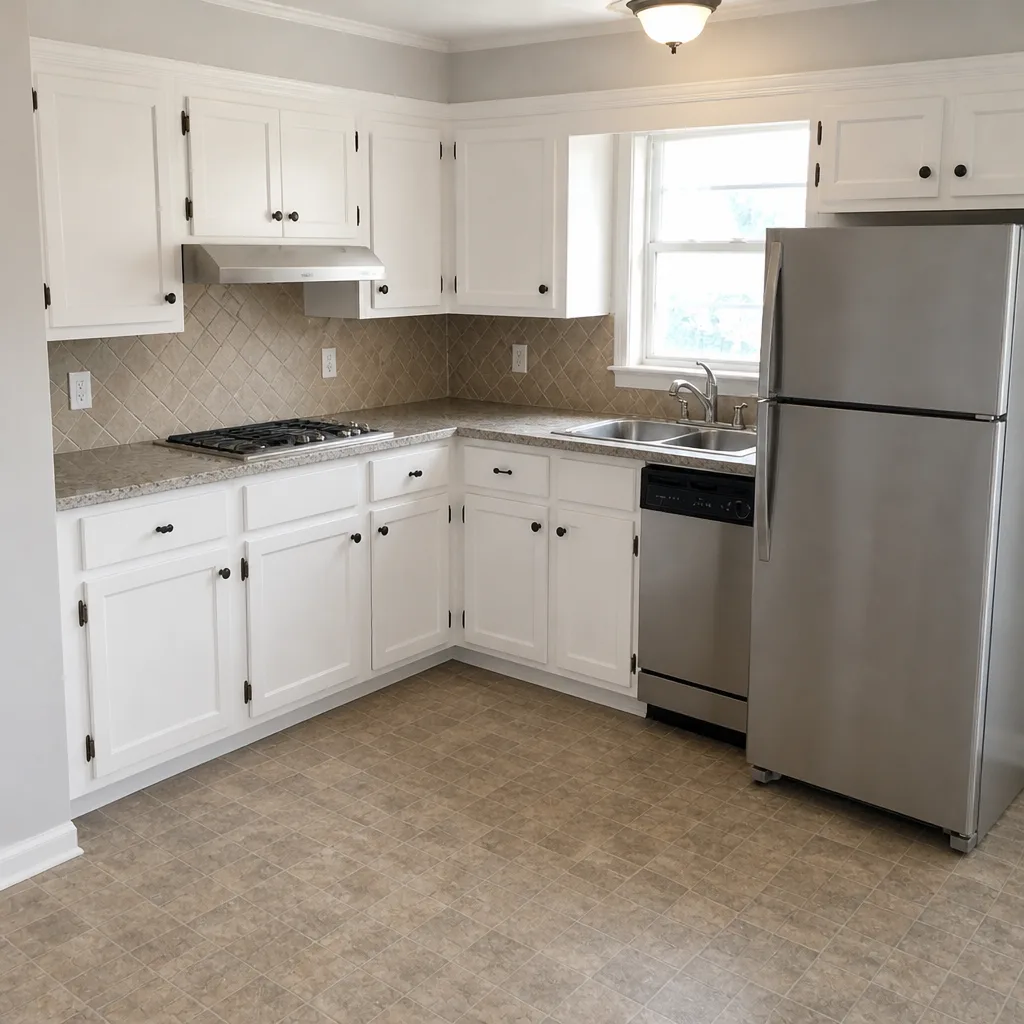 After
Common Mistakes to Avoid
- Sealing in August. Surface temps over 95°F and humidity over 80% cause most solvent-based sealers to blush and leave a milky haze. In Hialeah, the correct window is November through April, not “whenever it’s sunny.”
- Top-off after the rains instead of before. The May joint-sand check protects the whole rainy season. Waiting until October means a season of erosion has already happened.
- Skipping the toothpick test. A visual check won’t catch joints that are half-empty. The depth measurement is what tells you to act.
- Using the wrong polymeric sand. Standard polymeric sand rated for dry climates will fail in Hialeah’s humidity band. Check the cure spec before you buy.
- Applying film-forming sealer to a damp substrate. Trapped moisture is the cause of most blushing. A penetrating sealer with the right vapor transmission rate lets the system breathe.
- Ignoring a rocking paver. A rocking paver means the base below has moved. Top-off won’t fix it, and delaying the repair lets the problem spread to neighboring pavers.
- Assuming a single annual cleaning is enough. The wet season erodes on its own timetable. Two checks a year, in May and October, is the minimum for Hialeah.
When to Call a Professional
Call a professional when the work crosses into base, slope, or structure. That means ponding water that doesn’t drain within a few hours, pavers that rock or settle, cracked or heaving sections, edge restraint that has separated from the field, or a sealer that has already blushed and needs stripping before a clean application. It also means any job where you can’t confirm the product spec against the Hialeah conditions, because a failed application costs more than a professional one. Rowan Construction Group Hialeah offers free estimates in Hialeah – call (888) 836-5914. Every quote is a flat written price with a written scope and a written warranty, delivered before any work starts, and every visit includes a documented photo record of what we found and what we did.
Frequently Asked Questions
For most Hialeah driveways, a penetrating sealer application every two to three years is enough, provided it’s applied in the November through April window when surface temperatures are under 85°F and humidity is lower. The interval shortens on high-traffic driveways or ones with heavy runoff. Call (888) 836-5914 for an exact quote on your property – estimates are free.
No. Applying most sealers in a Hialeah summer, with surface temps above 95°F and humidity above 80%, causes solvent-based products to blush and trap moisture, which leaves a milky haze requiring stripping. The safe window is November through April. If you’ve already had a summer application fail, a stripping and reapplication is the fix.
Joint sand replacement typically runs $0.50 to $0.80 per square foot in Hialeah. On a 600 square-foot driveway, that’s roughly $300 to $480. That’s the routine preventive cost, and it’s a fraction of the $8 to $15 per square foot a base repair runs after a couple of ignored seasons.
The toothpick test measures how much joint sand remains below the paver surface. You insert a toothpick into a joint, mark where it meets the surface, and measure. Less than three-quarters of an inch of remaining sand means it’s time to top off, ideally in May before the rainy season.
It depends on the scope. Re-grading that changes the driveway footprint, alters drainage shared with a neighbor, or comes close to the structure may require a permit, and it’s always a contractor job. We confirm what’s required and pull the permits for any scope that needs them, with the requirement written into the scope before work begins.
Not without your signature. Under Clause 1 of the Haven Standard, the price is written before anyone starts, and no work proceeds on a change until the change order is signed. That’s the discipline behind our projects finishing within a few percent of the agreed cost. Call (888) 836-5914 to schedule a free estimate and see the number in writing.
The Bottom Line
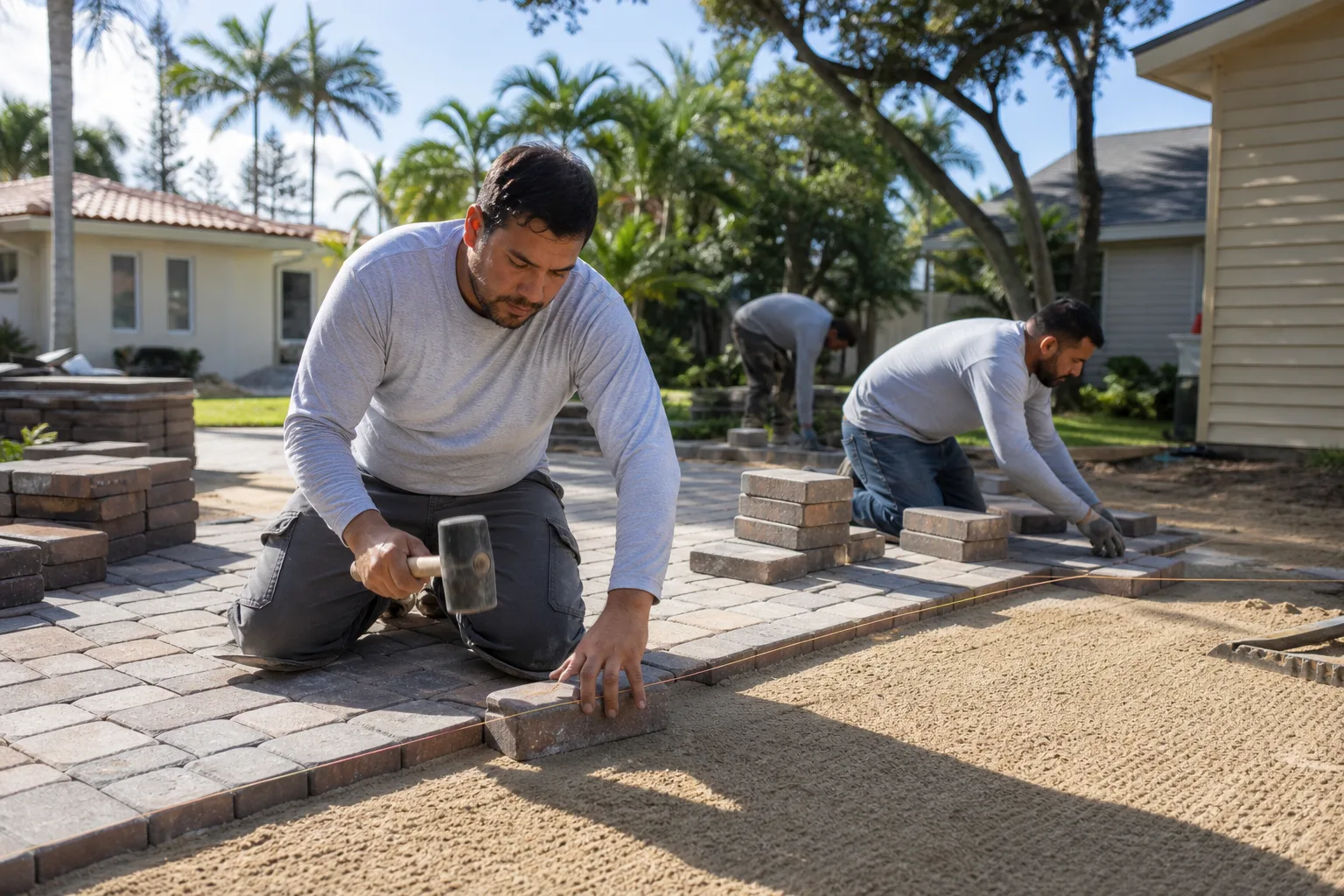
Hialeah paver maintenance comes down to two rhythms. Inspect and top off joint sand in May before the rainy season, and treat biological growth and clean in October after peak humidity. Then seal in the November through April window, when surface temperatures drop below 85°F and the sealer can cure instead of blushing. The toothpick test tells you when joints need sand. The dollars tell you why it matters: about $400 a year versus thousands for a base repair. Get the calendar right once and the driveway holds up season after season. If you want to compare what a professional plan would cost, call (888) 836-5914 for a free estimate. Our technicians have up to 19 years of experience, every project is quoted with a flat written price before work starts, and we’ll review a competitor’s written estimate line by line at no charge.
For the broader picture of our work across the region, see the Rowan Construction Group Hialeah home page.
Written by the team at Rowan Construction Group Hialeah.