Last updated November 17, 2026





Free written scope consultation - allowances, timeline, and change-order rules on paper before a single trade is scheduled
Driveway & Pavers Warning Signs Every Homeowner Should Know
A line of ants tracking along a paver joint is not a pest problem. It is a sign the joint sand has eroded enough to leave a hollow cavity in the base, and that cavity is one wet season away from a visible sink. In our experience across Hialeah, the cracks and chips homeowners call about are already failures; the signals that actually save money appear 6 to 18 months earlier and get walked past every day. This guide names those early signals precisely, sorts cosmetic wear from structural danger, and assigns each one an urgency tier so you know what can wait for scheduled maintenance and what needs a contractor within 30 days.
Quick Answer
The warning signs that matter most on a paver driveway are subtle rocking underfoot, a hairline gap opening at the edge restraint, water pooling in a new spot after rain, joint-sand lines widened past 3/8 inch, and a soft or spongy feel that points to decomposing fill soil. Surface pitting and faded color are cosmetic and can wait. Rocking, restraint separation, and spongy base conditions are structural, and in Hialeah’s wet climate they get worse with every rainy season until the base repair scope roughly doubles.
Styles & brands we work with
- Kitchen remodeling
- Bathroom remodeling
- Home additions & ADU
- Roofing
- Windows & doors
- Driveway & pavers
- Fence
Table of Contents
- The Three Early-Warning Signs That Precede Sinking by Months
- Structural vs. Cosmetic: How to Tell the Difference
- What a Soft or Spongy Feel Means in Hialeah
- Why Ants, Weeds, and Widening Joints Belong Together
- The Documentation That Protects Your Warranty
- Urgency Tiers: What to Monitor and What to Call About
- A Monthly Walk-Around You Can Do in Fifteen Minutes
- Common Mistakes to Avoid
- When to Call a Professional
The Three Early-Warning Signs That Precede Sinking by Months
Most paver failures announce themselves long before a dip shows in the surface. The three signals below show up 6 to 18 months ahead of a visible sink, and each one points to a specific mechanism underneath the pavers. Learn them and you will never be surprised by a collapse.
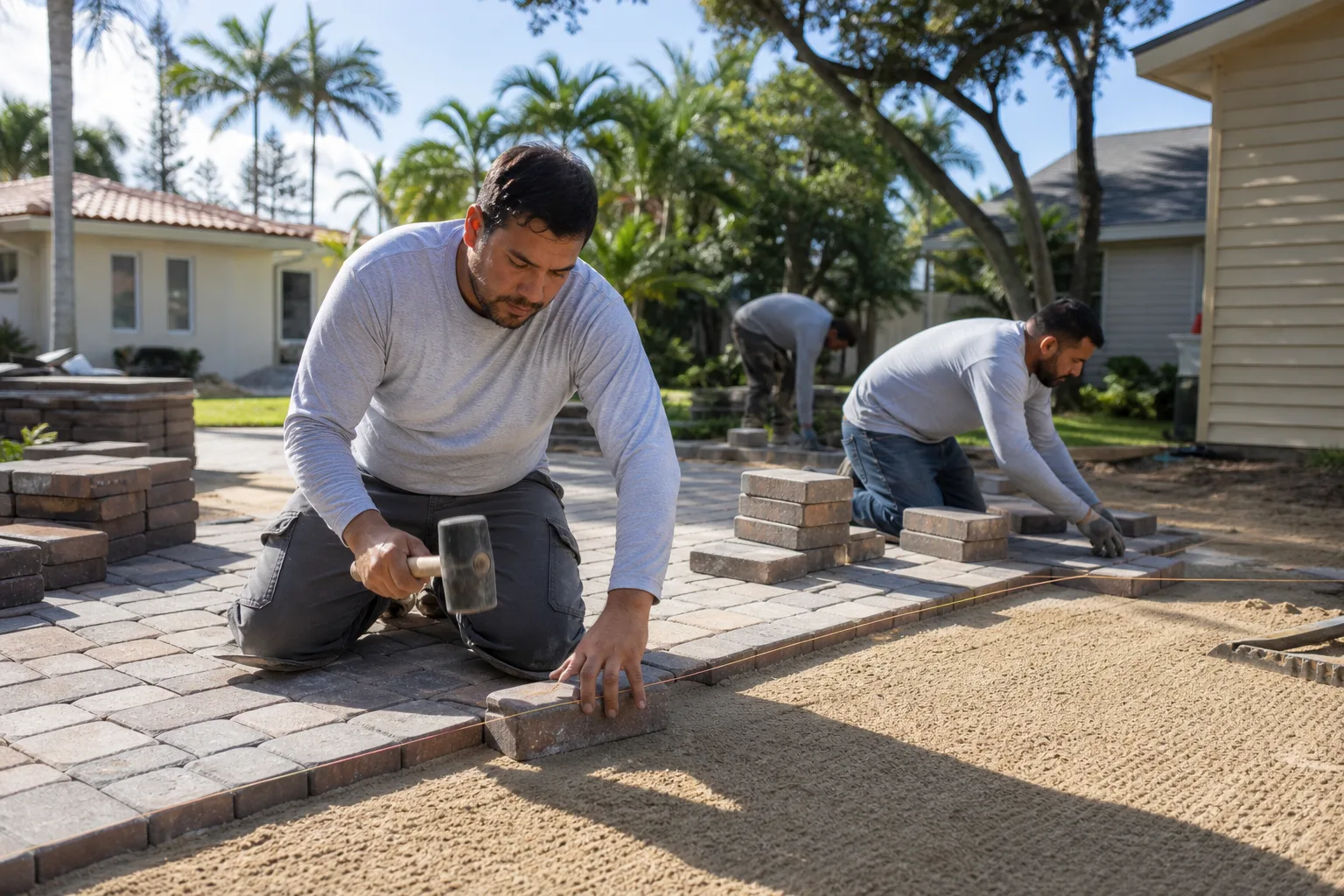
- Subtle rocking when you step on a paver. If a single paver shifts a millimeter under your weight, the bedding sand beneath it has migrated. That sand layer is the leveling course between the paver and the compacted base; once it washes or blows out, the paver is bearing load on air. One rocking paver in a Hialeah driveway during the dry months usually means water has been channeling under that spot all wet season.
- A hairline gap opening at the edge restraint. The edge restraint is the aluminum or concrete curb that locks the outer row of pavers in place. When you can slide a business card, then a coin, between the restraint and the pavers, the restraint has begun pulling away from the base. That gap lets runoff pour straight into the base course, which is the fastest route to settlement.
- Water pooling in a new location after rain. A puddle that never used to form is a report on your drainage grade. Either the surface has settled or the soil around the driveway has shifted, and both mean water is now standing where it used to run off. Standing water over pavers accelerates joint-sand loss and softens the base at the low point.
None of these three requires panic. All three require a photo, a date, and a plan, which we cover in the documentation section below. If you want to see how our crews approach this in practice, our Driveway & Pavers in Hialeah page walks through the repair sequence step by step.
Structural vs. Cosmetic: How to Tell the Difference
The single most expensive mistake a homeowner makes is treating a structural warning sign as cosmetic, or spending money on cosmetic work while the structure underneath keeps moving. The distinction is not about how bad something looks. It is about whether the pavers, the bedding sand, or the base is the thing that is failing.
Cosmetic wear lives on the surface of the paver itself:
- Surface pitting or spalling, where small flakes chip off the top
- Color fade from UV exposure
- Efflorescence, the whitish powdery bloom that rinses off
- Scuff marks and tire stains
None of these change how the driveway carries load. They are appearance issues and can be scheduled at your convenience.
Structural warning signs involve the system beneath and around the pavers:
- Edge pavers rotating outward or leaning, which means the restraint has lost its grip
- Joint-sand lines that have widened from 1/4 inch to 1/2 inch, which signals lateral spreading
- Rocking pavers, a spongy feel underfoot, or a dip you can see in raking light
- Gaps at the restraint, or the restraint itself cracking
- Paver courses no longer running straight, with seams shifting out of alignment
When joint sand widens past roughly 3/8 inch, the pavers are no longer locked together as a mat; they move independently, and each independent movement works the base harder. That is the point where replacing joint sand alone stops solving the problem. In Hialeah, where our sandy soils and heavy summer rain load the joints quickly, we see this transition happen faster than in drier parts of the state.
What a Soft or Spongy Feel Means in Hialeah
A soft or spongy feel underfoot is often the signal homeowners cannot quite describe. Nothing is visibly cracked, but the driveway feels wrong when you walk across it. In Hialeah specifically, this usually means organic material in the fill soil beneath the base is decomposing under load.
Here is the mechanism. Many driveways sit on a fill layer that was placed decades ago, sometimes with yard debris, roots, or topsoil mixed in. Under a paver driveway, that fill sits beneath the compacted base and the bedding sand. Organic material in it decays slowly, and as it decays it loses volume. The base settles into the void. Each wet season speeds the decay, because the decomposition is driven by moisture and oxygen, both of which a South Florida summer delivers in abundance.
This is why resetting the pavers alone does not fix a spongy driveway. If the crew relocates the surface and does not address the failing layer beneath it, the same settlement returns within a season or two. A proper repair opens the area, evaluates the base and the fill, and rebuilds from the failing layer up. That is a bigger scope than a reset, and the difference in cost between catching it early and catching it after a sink appears is why we tell homeowners to treat sponginess as the most urgent early signal.
One detail worth checking: if the soft spot sits near a downspout or a sprinkler head, water concentration is likely the root cause. Moving the water source away from the pavers before any repair is non-negotiable; otherwise the same spot softens again.
Why Ants, Weeds, and Widening Joints Belong Together
Ants in the joints, weeds sprouting between pavers, and joint sand that keeps disappearing are one problem wearing three disguises. All three mean the joint sand is no longer doing its job, and the joint sand is what keeps the paver mat locked together and keeps water from pouring into the base.
- Ant activity means the joint is open enough for them to tunnel and deposit loose soil, which further loosens the joint sand.
- Weeds need the same open, moist channel, and the root pushes the paver further apart as it grows.
- Persistent joint-sand loss is the underlying condition; ants and weeds are just the visible evidence of it.
The fix is not to spray the ants and pull the weeds. It is to reestablish the joint. On a well-built driveway, joint sand is topped up as scheduled maintenance, and a polymeric or stabilized joint sand can reduce how fast a Hialeah rainy season washes it out. If you find yourself refilling joints more than once a year, that is a signal the joints are too wide and the pavers may need a reset rather than another top-up. It is also the moment to check whether a fence line, a downspout, or a new planting bed has altered how water crosses your property; our Fence Installation in Hialeah page covers how a fence footing or grading change at the property line can redirect runoff across a driveway.
The Documentation That Protects Your Warranty
Deterioration on a paver driveway is slow, and slow problems are hard to prove without a baseline. The homeowners who get ahead of this keep a simple photo record, and it costs nothing but discipline.
- Photograph the joints by month. One close-up per season, the same location, a coin laid flat in the joint as a scale reference. Six photos a year show you when a joint line grows and by how much.
- Photograph the edge restraint. A shot at eye level along the outer row, every few months, so gap opening is measured against a photo rather than memory.
- Date the file names. “Driveway-joint-June.jpg” tells you nothing in a warranty conversation. “2026-06-01-joint-scale.jpg” does.
- Log any event that touches the driveway. A new sprinkler head, a driveway apron repaired by the city, a fence installed at the property line, heavy equipment used in a neighboring lot. These events change grading and load, and they matter when you claim a warranty.
When you have a dated record, a repair conversation becomes a comparison of documented states, not a debate about perception. This is the same principle that governs every Rowan project: under Clause 1 of The Haven Standard, the price is written before anyone starts, and every visit ends with a documented photo record the customer keeps. If it is not done right within the first 365 days, we make it right. That record is the reason a repair conversation can be a factual discussion, not a guess.
Urgency Tiers: What to Monitor and What to Call About
When homeowners call us about a driveway warning sign in Hialeah, the first question is always the same: how soon does this need attention? Here is how we sort warning signs into tiers, and why the timing matters.
Tier 1: Monitor and address at your next scheduled maintenance.
- Surface pitting, color fade, efflorescence
- Occasional weed in a joint, or isolated ant activity
- Minor joint-sand loss in early summer
- Cosmetic staining or tire marks
These signals change slowly. Inspect them at the seasonal transition each spring and fall, log the findings, and let them go until a maintenance visit makes sense.
Tier 2: Schedule a contractor within your next maintenance cycle, within a few months.
- Joint-sand lines widened to 1/2 inch
- Recurring joint-sand loss more than once a year
- Water pooling in a new spot after rain
- Edge pavers beginning to rotate outward
These indicate that the surface is doing what it should not, and the base is taking on water. Left alone through one more wet season, the repair scope grows.
Tier 3: Contact a contractor within 30 days.
- Visible gap at the edge restraint, or a coin sliding into it
- Any rocking paver, or a soft, spongy feel underfoot
- A visible dip, or a course of pavers out of line
- Restraint cracking or lifting free of the base
Tier 3 is where base repair scope can double over one rainy season. The sub-base has begun failing, and the longer it stays wet, the larger the area needs to come up. That is the 30-day call.
A Monthly Walk-Around You Can Do in Fifteen Minutes
No special tools are needed to catch every warning sign above. A quarterly fifteen-minute walk, done the same way each time, is more effective than any single inspection, because the comparison is what reveals change.
- Walk the full perimeter in shoes, not bare feet, stepping deliberately on the outer row first. Note any paver that shifts or sounds hollow.
- Look along the outer edge at eye level and see whether the pavers sit flush against the restraint. A gap or a leaning row is the signal.
- Check the joint lines in a straight course. If the lines wobble or the seams are wider than a pencil width, note it.
- After the first heavy summer rain, take a photo of every spot water collects. Compare it to last season. A new puddle is a warning sign.
- Walk the same path in the morning and in the afternoon; sponginess is easier to feel when the ground is warm and soft.
- Photograph the four corners and the point where the driveway meets the street apron. Those are the highest-water-load zones.
If you keep doing this on a schedule, you will know within a season or two whether your driveway is stable or trending toward a repair. If you would rather have the walk done by someone who looks at driveways every week, our Rowan Construction Group Hialeah home page explains what a written inspection and quote looks like, and our technicians have up to 19 years of experience in this climate.
Common Mistakes to Avoid
- Treating a rocking paver as a surface issue. A rocking paver means the bedding sand has moved; resetting that one paver over a bad base hides the problem for a season and returns it worse.
- Refilling joint sand without checking the joint width. If joints are already past 3/8 inch, top-up is a bandage and the pavers need a reset, not more sand.
- Pressure-washing the joints aggressively. High-pressure washing blasts joint sand out of the channel, which opens the joint and accelerates base water intrusion. A gentle wash at an angle does the cosmetic job without wrecking the sand.
- Moving water without fixing the grade. Adding a downspout extension or a swale helps, but if the driveway itself has settled, water will still pool at the low point. Grade changes and paver repairs have to happen together.
- Skipping permits or inspections on a full repaving job. In Hialeah, driveway work that touches the public right of way or changes drainage can require a permit and inspection, and a contractor who skips this leaves you holding the exposure.
- Letting a single soft spot sit through two rainy seasons. This is exactly the mistake that turns a small base repair into a full section rebuild, and it is the one we see most often in Hialeah.
- Accepting a verbal quote on a repair. Written scope, written price, written warranty protects you if the repair scope changes after the pavers come up.
When to Call a Professional
Call a contractor within 30 days when you find any of the Tier 3 signals: a gap at the edge restraint, a paver that rocks underfoot, a soft or spongy area, a visible dip, or a cracking restraint. Also call if the repair scope may involve drainage, a change in grade, or the public right of way, because those jobs need a permit and inspection. Cosmetic issues can wait for your next scheduled maintenance. Rowan Construction Group Hialeah offers free estimates in Hialeah, and a written price before any work starts, so you can see the scope and the number before you commit. Call (888) 836-5914 to schedule yours.
If you are considering a larger project that changes how your driveway meets your home, our Home Additions & ADU in Hialeah page covers how grading, drainage, and paver work get sequenced so the new structure does not undo the driveway repair.
See the difference
 Before
 After
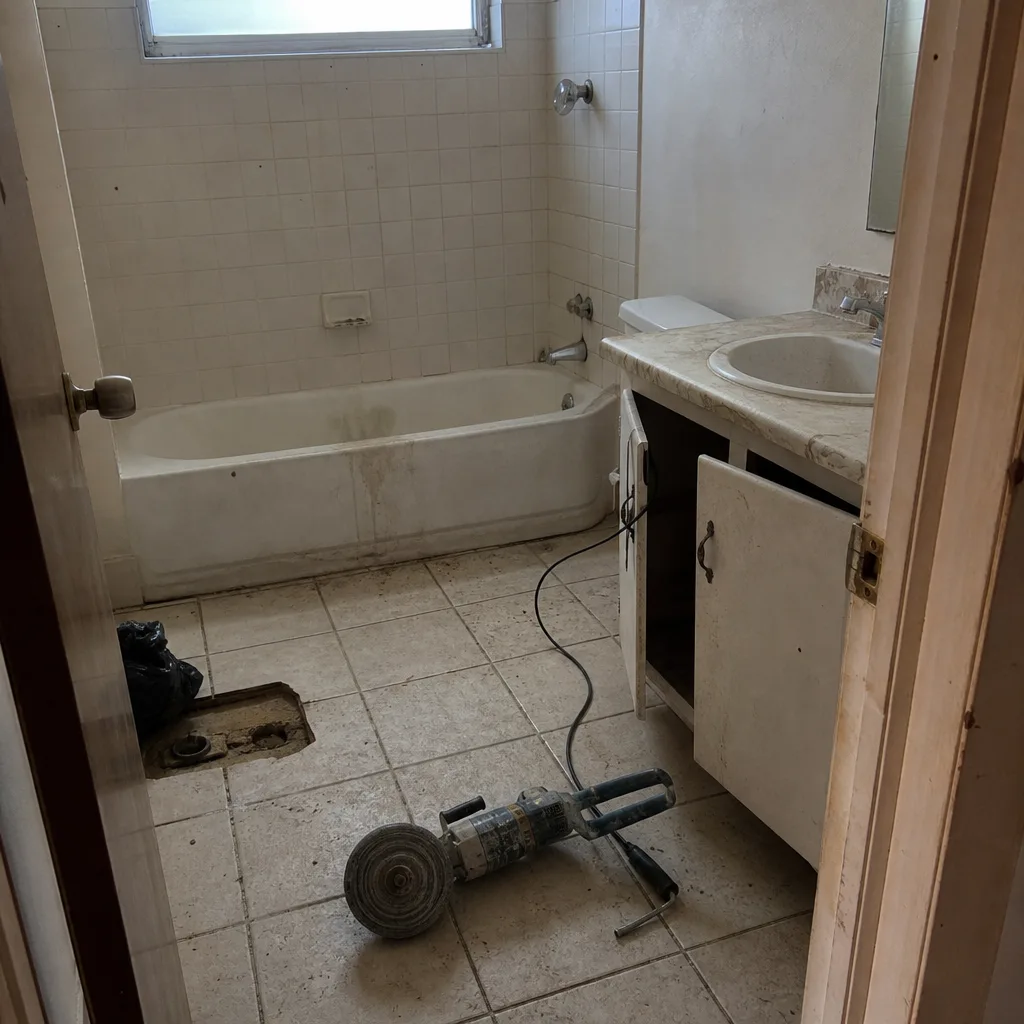 Before
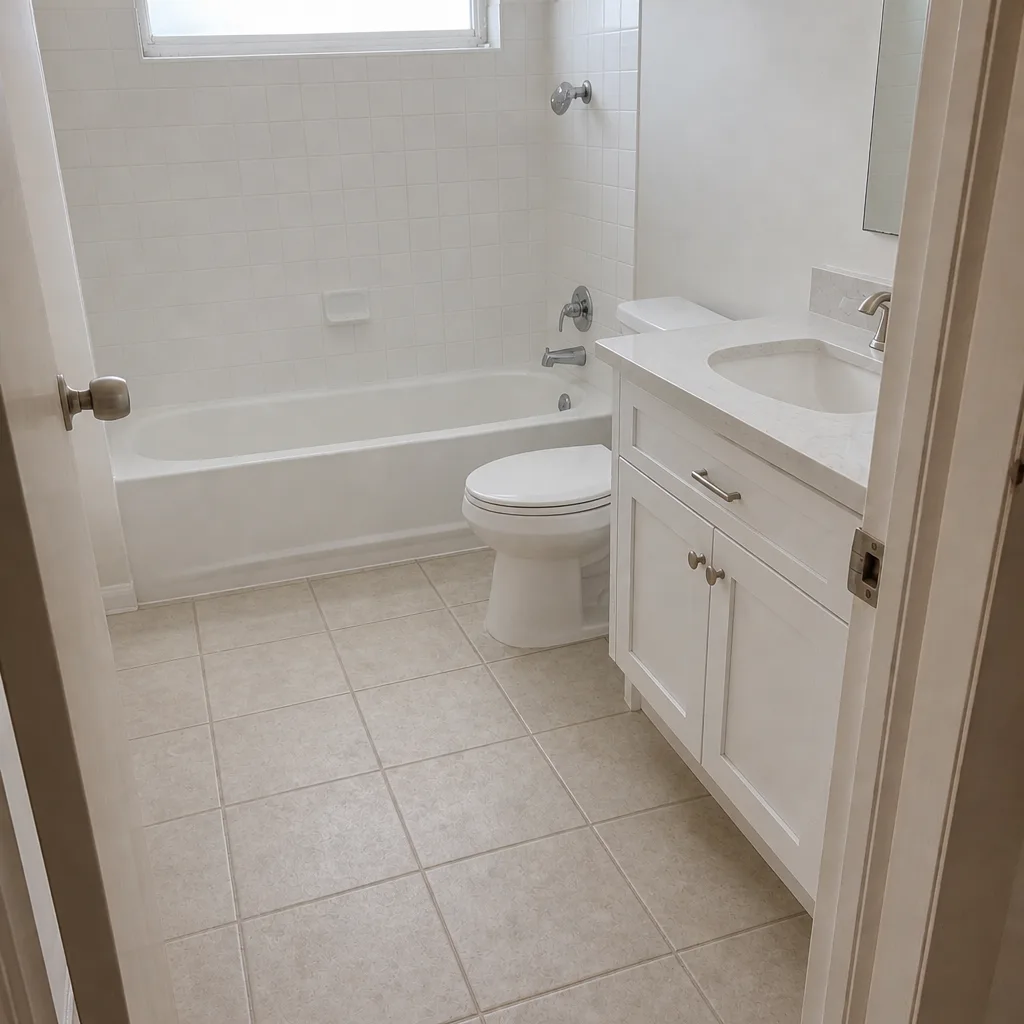 After
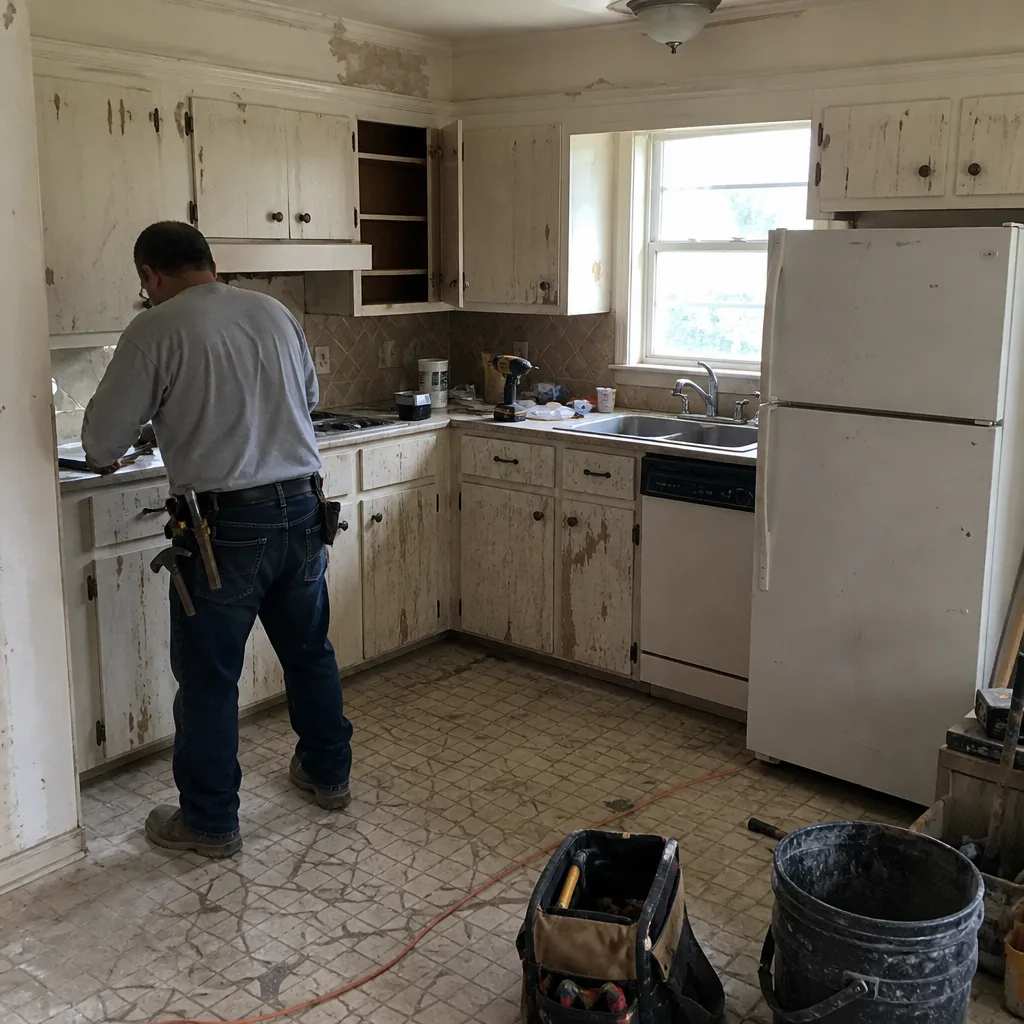 Before
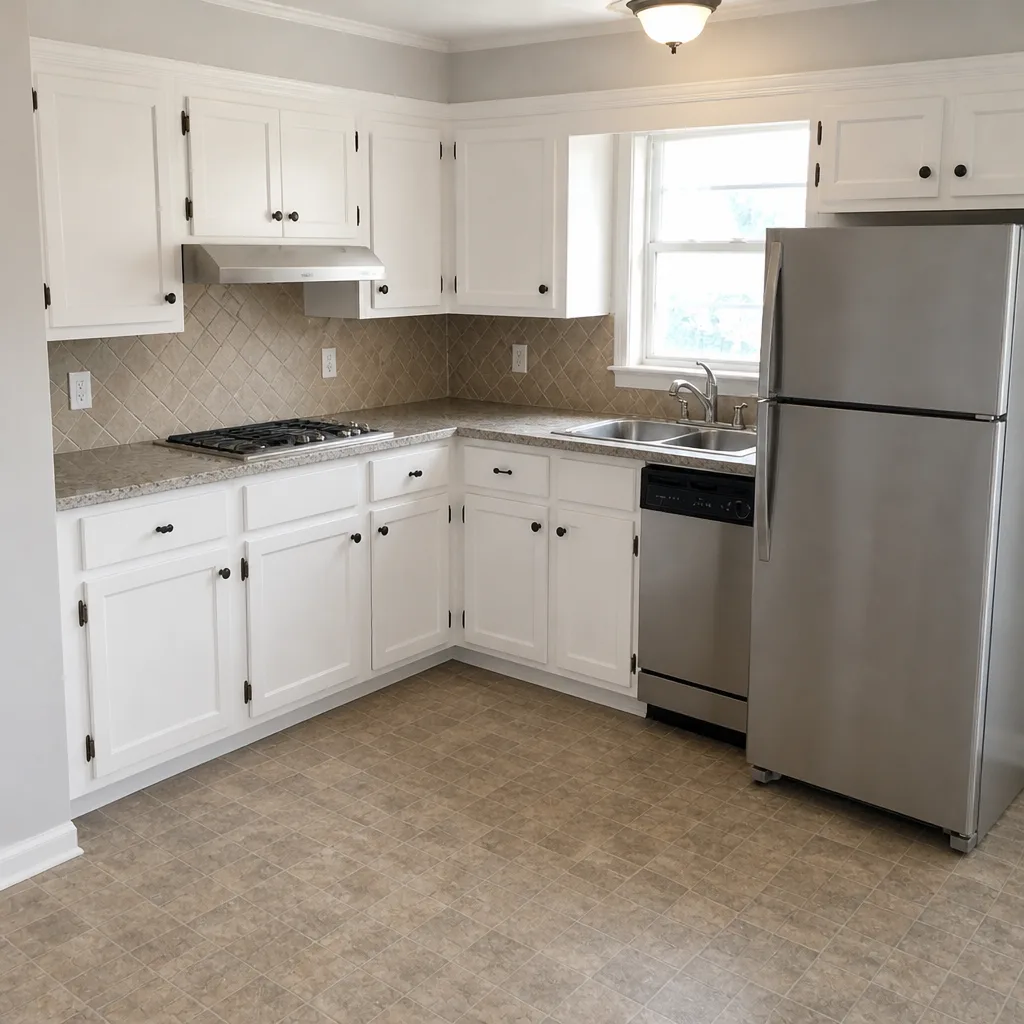 After
Frequently Asked Questions
The two that matter most are a rocking paver underfoot and a visible gap at the edge restraint. Both point to base and joint failure, and both are far cheaper to fix 6 to 18 months before a sink appears. Call (888) 836-5914 for a free estimate if you see either.
Paver repair costs in Hialeah depend on the repair scope: joint-sand refresh and a small reset sit at the low end, while a base repair on a section with decomposing fill soil can run several times higher because the base is rebuilt rather than topped. That is why we quote in writing before any work starts, with a written scope, so you can compare an honest number instead of a phone estimate. Call (888) 836-5914 for a free estimate.
Warm, wet weather softens the fill and bedding layers, and any sand loss below a paver becomes a shifting pocket. In Hialeah, the rainy season exposes these pockets in places that felt solid all winter. That pattern, solid in dry months and spongy in wet months, is a reliable early signal of base moisture intrusion.
Not once the joints are wider than roughly 3/8 inch. Below that, joint-sand top-up is legitimate scheduled maintenance. Above it, the pavers are moving independently, and new sand pours out as fast as you put it in. That is the point where you need a contractor to evaluate a reset or base repair. Call (888) 836-5914 to have us look.
Yes, when ants are persistent. Ant activity means the joint sand has been compromised enough for them to tunnel into a moist, open channel. Spraying the ants treats the symptom; reestablishing the joint treats the cause, and it is worth doing before the next wet season.
Yes. Any Hialeah driveway replacement that touches the public right of way or changes drainage requires a permit and inspection, and we handle the permit and pass the inspection as part of the job. You get the signed change order for any scope change and the written warranty at completion, so nothing is left to a handshake.
The Bottom Line
On a paver driveway in Hialeah, the signals that save you money are not the cracks; they are the rocking paver, the hairline restraint gap, the new puddle after rain, the widening joint-sand line, and the soft feel underfoot. Learn to sort cosmetic wear from structural movement, keep a dated photo record, and act on the Tier 3 signs within 30 days, before the base repair scope doubles. Any of it can be caught in a fifteen-minute walk-around, done on the same schedule every season. If you want a second set of eyes, call (888) 836-5914 for a free estimate in Hialeah.
Written by the team at Rowan Construction Group Hialeah.