
Last updated November 16, 2026




Free written scope consultation - allowances, timeline, and change-order rules on paper before a single trade is scheduled
How to Hire a Construction Contractor in Hialeah: A Step-by-Step Guide
A contractor can hold a valid Florida Certified General Contractor license and still be legally barred from pulling electrical or mechanical permits in Miami-Dade. That fact stays invisible until the inspector arrives and the rough-in fails, and it is one of the most expensive surprises a Hialeah homeowner can inherit. Most hiring advice stops at “get three bids and read the reviews,” which guards against none of it. What actually protects you is a document-by-document verification protocol. This guide walks you through that protocol, step by step, and shows what each paper should say before you sign anything.
Quick Answer
To hire a construction contractor in Hialeah, verify the license twice – once on the Florida DBPR portal and once against Miami-Dade’s county qualifier registry – confirm the certificate of insurance names the exact contracting entity, and require a written scope that lists permit fees, inspection costs, debris haul-out, temporary protection, and final cleaning as separate lines. A bid that omits any of those five items is not a lower price. It is an incomplete price, and it will grow.
Styles & brands we work with
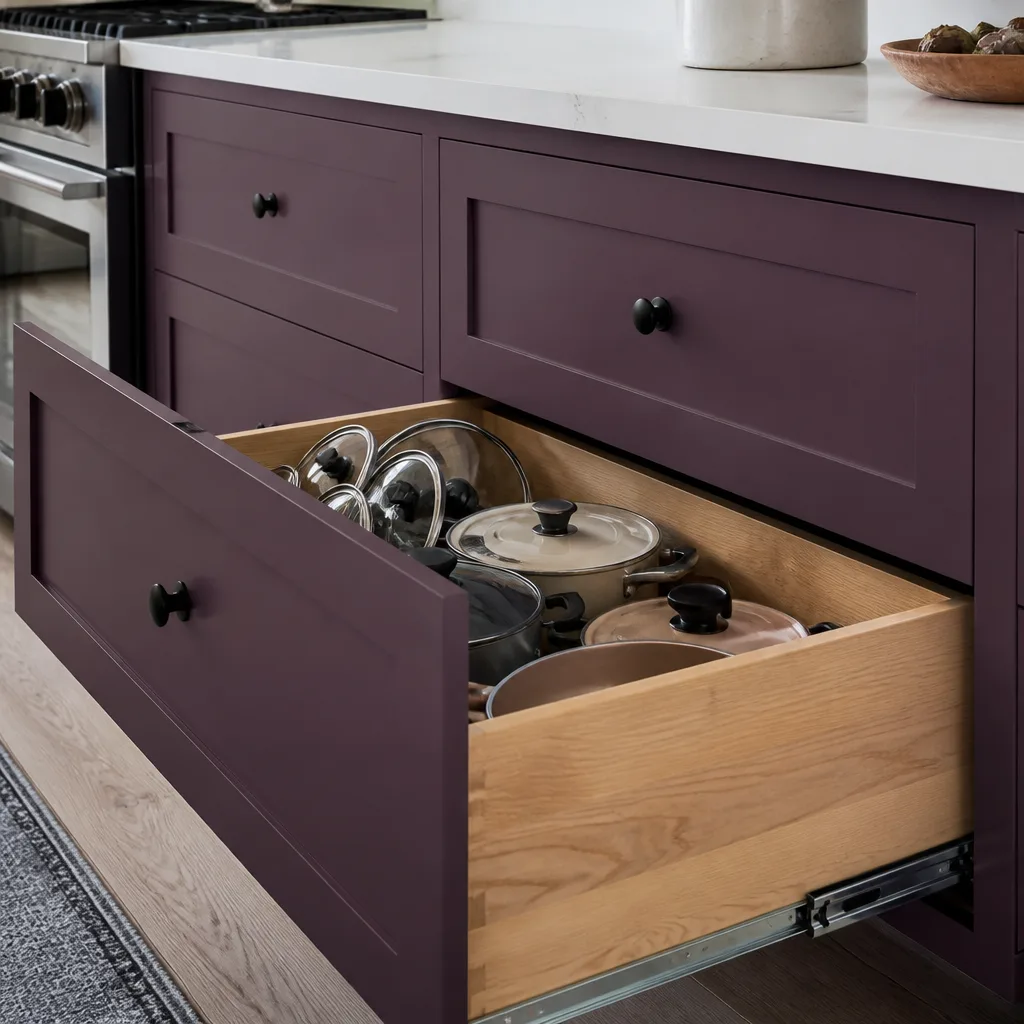
- Kitchen remodeling
- Bathroom remodeling
- Home additions & ADU
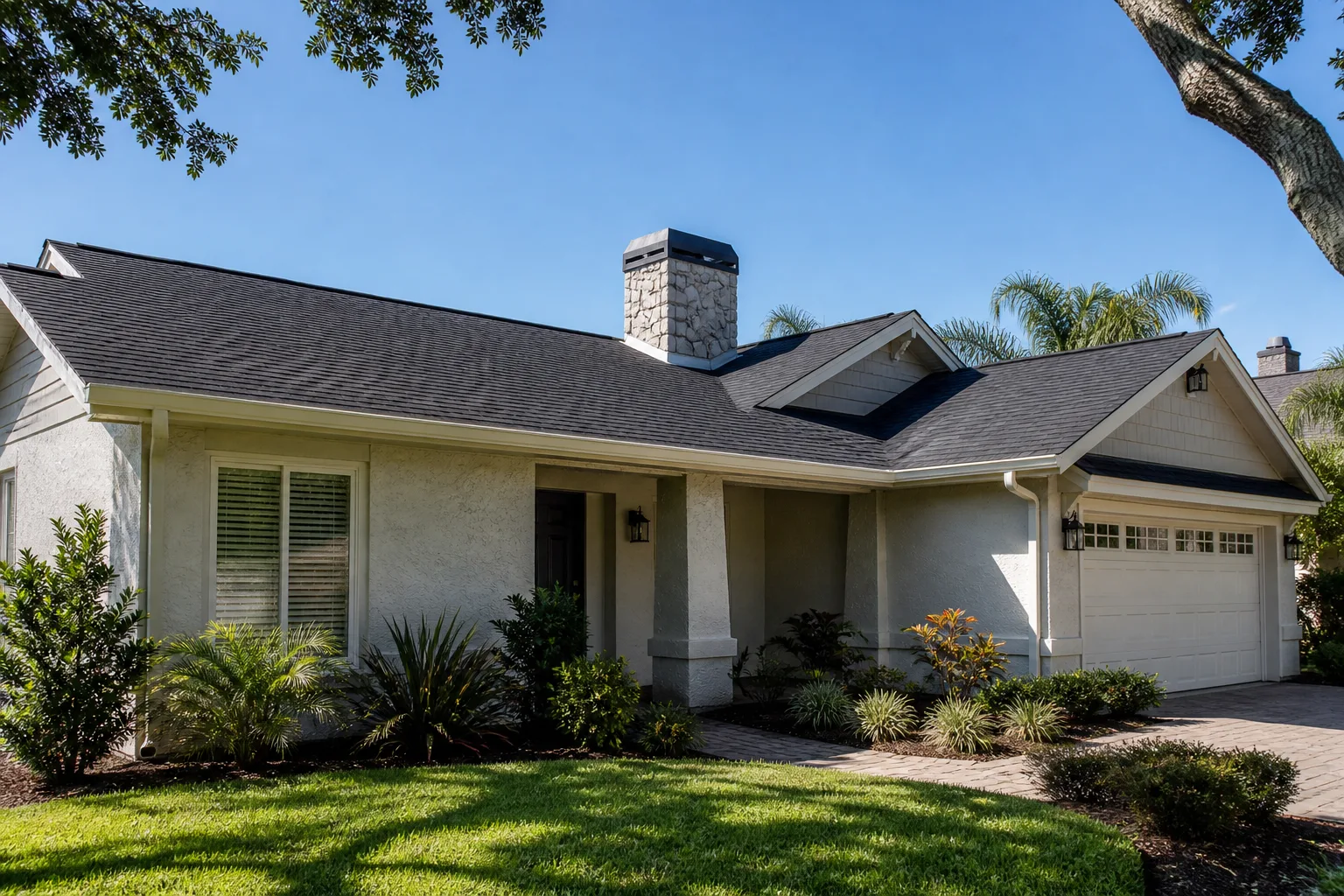
- Roofing
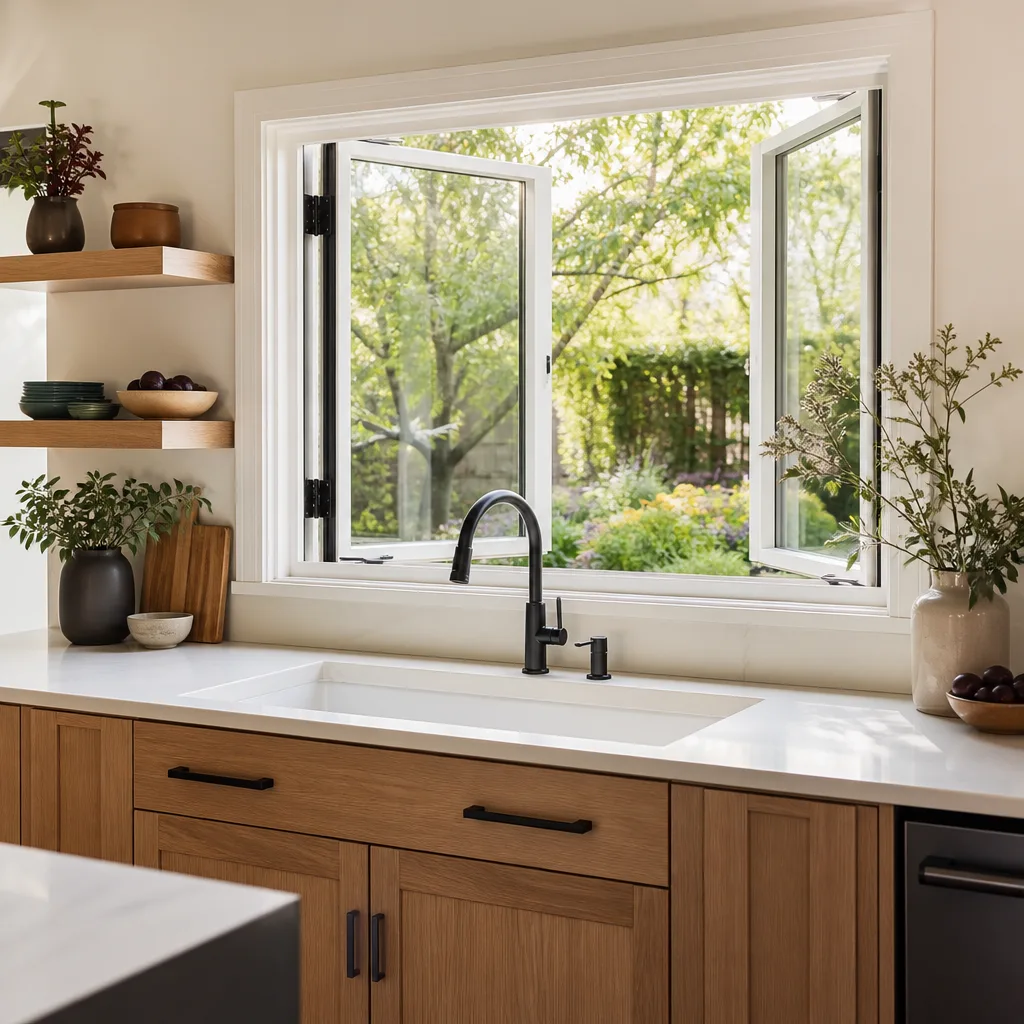
- Windows & doors
- Driveway & pavers
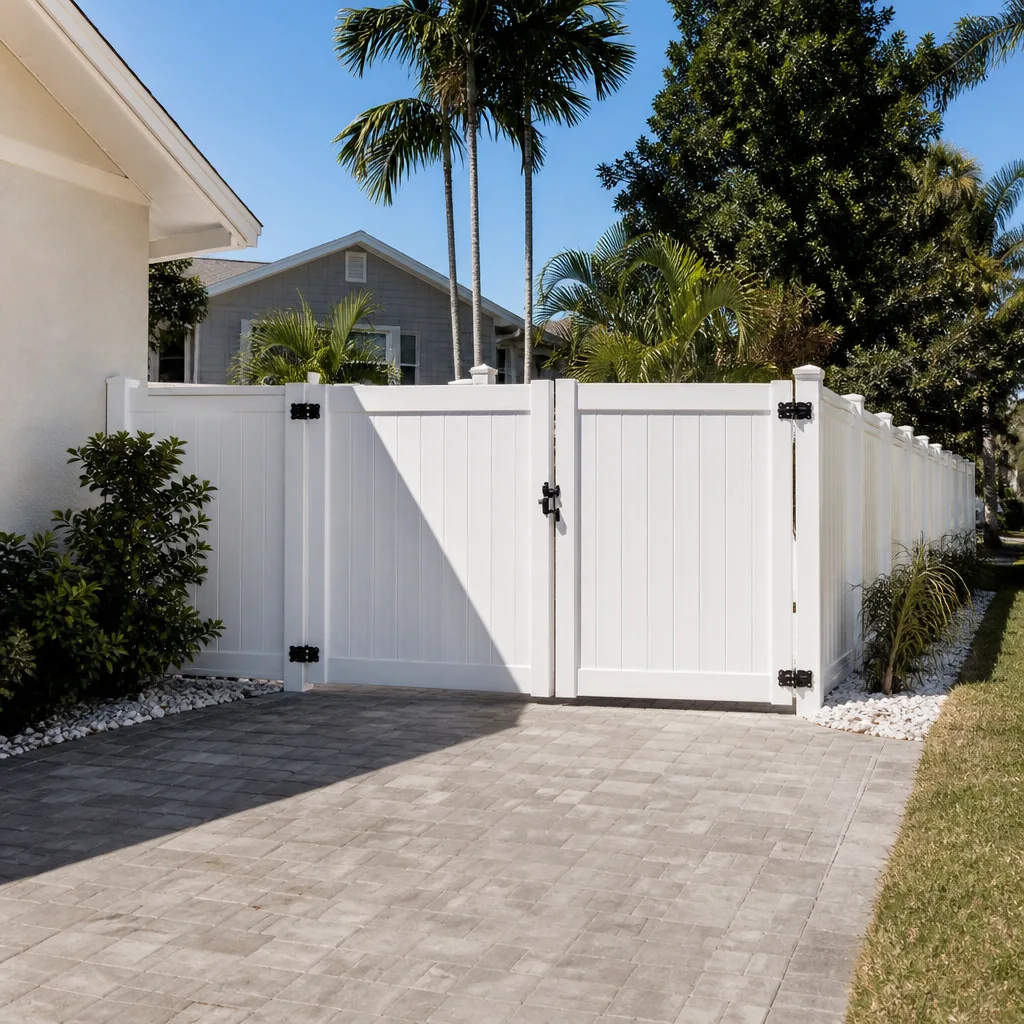
- Fence
Table of Contents
- Step 1: Run Two License Lookups, Not One
- Step 2: Read the Certificate of Insurance the Way an Adjuster Would
- Step 3: Hunt for the Five Line Items Low Bids Always Leave Out
- Step 4: Know What Makes a Change Order Enforceable
- Step 5: Ask Questions That Expose Process Discipline
- What Hialeah Does to Construction Projects
- Red Flags Specific to the Hialeah Market
- Step 6: What Belongs in the Signed Contract
Step 1: Run Two License Lookups, Not One
Florida regulates contractors at the state level through the Department of Business and Professional Regulation, and the search takes a few minutes. Here is the part most homeowners miss: a current, active license is a starting point, not a clearance.
- Search the DBPR portal under “Verify a License.” Enter the contractor’s name and, if you have it, the license number. Confirm the status reads “Current, Active” – not “Delinquent,” “Null and Void,” or “Suspended.”
- Read the license type carefully. A CGC (Certified General Contractor) can build structures. A CAC handles air conditioning, an EC handles electrical, a CFC handles plumbing. A roofer with a registered specialty license cannot legally frame an addition.
- Open the county qualifier registry maintained by Miami-Dade. Local permitting runs through the county, and a contractor must hold a local certificate of competency to pull permits in that jurisdiction. A state license alone does not guarantee the county qualifier is in place for every scope.
- Check the qualifier’s scope. The county record lists which trades the qualifier is authorized to pull permits for. If the scope says general building and the bid includes rewiring, you have a gap the inspector will find later.
- Look for complaints and disciplinary history on both records. A single resolved complaint is common. A pattern of “failed to correct work” is a forecast.
In our experience, the cross-check matters most on multi-trade jobs – a kitchen where the layout moves plumbing and adds circuits, or a home addition with a new subpanel. Those projects travel through several permit types, and a Hialeah job is only as clean as the narrowest scope on the license. If you want a sense of how these projects are scoped trade by trade, our Rowan Construction Group Hialeah home page lays out the seven trades we quote.
Step 2: Read the Certificate of Insurance the Way an Adjuster Would
A certificate of insurance (COI) is a one-page snapshot a contractor’s insurer issues, and it is only useful if you read three things on it.
- The named insured must match the contracting entity on your bid. This is where homeowners get burned. If the bid is from “Sunshine Builders LLC” but the COI names “Sunshine Holdings Group,” the policy does not cover the company you are paying. These are separate legal entities, and the corporate shield is the point of the separation.
- General liability limits should be stated in dollars. Look for the per-occurrence and aggregate limits, and confirm the policy is current by checking the effective and expiration dates against today’s date.
- Workers’ compensation should be either active or formally exempt. Ask for the exemption certificate if the contractor claims one. No coverage and no exemption means an injured worker can look to the homeowner, and in Florida that is a real legal exposure.
Call the phone number printed on the certificate and ask the insurer to confirm the policy is active. That one call catches forged or lapsed certificates, which circulate more than you would expect. Most insurers will confirm active status over the phone without needing the contractor’s permission.
Step 3: Hunt for the Five Line Items Low Bids Always Leave Out
When one bid comes in thousands below the others, the difference is almost never efficiency. It is scope that moved out of the quote and onto your plate later. In our experience reviewing Hialeah estimates line by line, these five items are the usual suspects.
- Permit fees. Miami-Dade charges permit fees based on valuation. A bid that says “permits by owner” or leaves them off entirely pushes that cost to you, and it also means you are the one signing for work you do not control.
- Inspection costs. Re-inspection fees add up when a job fails because a step was skipped. Ask who covers them, in writing.
- Debris haul-out. Old cabinets, countertops, roofing, and soil all leave the site in a dumpster. Dumpster rental, delivery, and disposal in Hialeah real estate is a line item with a dollar value, and it does not vanish because a bid ignores it.
- Temporary protection. Dust barriers during interior work, tarps during roofing, floor protection on tile. This is labor and materials, not courtesy. A bid that omits it either cuts protection or bills it later.
- Final cleaning. A finished job is not done until the site is habitable. Ask what “clean” means: sweep only, or haul the dust?
Our Driveway & Pavers in Hialeah work illustrates the pattern. Paver installation involves base material, compaction, and haul-off of excavated soil, and those numbers appear inside the written quote because a base-less paver job fails within two rainy seasons. If a paver bid is dramatically low, the base depth is the first thing to check.
Step 4: Know What Makes a Change Order Enforceable
A change order is a written amendment to the contract that alters scope, price, or schedule, and Florida takes them seriously. The relevant statute, F.S. 489.126, governs when a contractor can accept payment and how the agreement must be structured. For a homeowner, the practical test is simpler: a change order you cannot read in one sitting is a change order you will argue about.
An enforceable change order in Florida should contain:
- The specific change in plain language. “Add electrical outlet” is not enough. “Add one 20A dedicated circuit to the east kitchen wall, one GFCI receptacle, permit amendment included” is.
- The change in price, in dollars. Not a percentage, not “TBD.”
- The schedule effect. If it adds two days, the document should say two days.
- Signatures from both parties – the person authorized to bind the contractor and the homeowner.
- A date on which the change was agreed.
The rule that protects you: no work starts on a change until the paper is signed. That discipline is the reason we quote a flat written price before any work begins and refuse to proceed on a verbal variation. It is also the reason projects finish within a few percent of the number the customer agreed to rather than drifting into the range where the figure stops meaning anything.
Step 5: Ask Questions That Expose Process Discipline
References tell you whether a past customer liked the crew. They do not tell you whether the contractor runs a documented process. These five questions do, and the answers are checkable.
- “How many permits did you pull in the last twelve months, and can I see two?” A contractor who pulls permits regularly can produce them. One who cannot is either working without them or working small.
- “What percentage of your jobs end with a signed change order, and why?” A small, consistent number suggests accurate scoping. A large number suggests estimates that are not real.
- “Who is the qualifier on my permit, and what trades is that qualifier authorized for?” If the answer takes more than a minute, the contractor does not know their own license.
- “What documentation do I get at the end of the job?” Ask for the photo record, the signed change orders, and the written warranty. Ours arrives as a photo record on every visit, included as standard.
- “What happens if I find an issue after you leave?” A clear answer with a written guarantee behind it is worth more than any reference call.
Under the Haven Standard, which governs every project we quote, the price is written before anyone starts and the change order is signed before the change proceeds. That is a process statement, not a slogan, and it is the kind of thing these five questions are designed to surface.
What Hialeah Does to Construction Projects
Hialeah is not a neutral climate for building. That has consequences for how you should read a bid.
- Wind-borne debris requirements. Miami-Dade enforces its own hurricane-resistant code, stricter than most of Florida. Roofing and window replacements must meet its wind-load standards, and the product’s Miami-Dade Notice of Acceptance (NOA) should appear in the proposal. A roofing bid that names GAF or Owens Corning without naming the product line might not include a compliant assembly.
- Rain, not sun, is the main threat to most projects. From May through October, afternoon storms settle in fast. A contractor who does not plan for tarping and water intrusion is planning to bill you for water damage.
- Older housing stock. Hialeah has neighborhoods where homes date to the 1950s and 1960s, which means cast-iron drains, aluminum branch wiring, and walls without modern moisture barriers. Any estimate for a bathroom or kitchen in that stock needs a contingency line, not just a low price. Our Home Additions & ADU in Hialeah work runs into these conditions constantly.
- Fence and outdoor work shifts with soils and storm season. Sand and limestone drive how deep a post goes. Our Fence Installation in Hialeah page explains why a post that works in Georgia fails here.
You do not need to know the code to read a bid. You need to see that the bid names the product, the standard, and the inspection. Hialeah-specific detail is the honest signature of a contractor who has actually built in Miami-Dade.
Red Flags Specific to the Hialeah Market
Certain patterns reappear in complaints, and we see them in the free second-opinion reviews we run on other contractors’ estimates.
- A large deposit with no written scope. Florida limits deposits, and a deposit is not a scope. Demand written scope first.
- A bid with no line items at all. One number, no breakdown, no exclusions. You cannot verify what you cannot read.
- A company name that shifts between documents. The pitch, the license, and the insurance should all name the same entity. If they do not, ask why in writing.
- “We don’t need a permit for that.” Some structural and most electrical, plumbing, and mechanical work needs a permit in Hialeah regardless of how a contractor frames it.
- Pressure to sign today. A serious contractor will let you take the quote home. If urgency is the sales tactic, the pricing is the problem.
Step 6: What Belongs in the Signed Contract
A contract without these elements is a question mark, not an agreement.
- The full legal name of the business, its license number, and the address of record.
- A written scope broken into line items with materials named. This is where brands matter – whether the tile is Schluter underlayment or the set’s standard, whether the faucet is Delta or an unstated import.
- A flat written price with a payment schedule tied to measurable milestones, not arbitrary dates.
- A written warranty. Name what is covered and for how long, in writing, before work starts.
- The change-order process in writing. No work proceeds on a change until the change order is signed. Make sure the contract says so.
- Permits and inspection responsibility assigned explicitly, not implied.
If you are ready to put the protocol to work, the free estimate we offer is a written one, line-item, with the scope attached. That is what you get whether or not you hire us – it is an artifact you can compare against anything else on the table.
Common Mistakes to Avoid
- Checking the license once. The DBPR and the county qualifier registry are two records for a reason, and in Hialeah a contractor authorized for general building may not be authorized for the electrical work included in the bid.
- Comparing bottom-line bids. Two numbers mean nothing if the scope underneath them differs. Compare line by line, every time.
- Accepting a COI naming a related company. A parent company or subsidiary on the certificate does not insure the entity signing the contract.
- Treating a verbal change as a change. If it is not on paper, signed, and dated, it is a favor, not a contract term.
- Skipping the permit to save money. Unpermitted work in Hialeah surfaces during resale, and the retrofit cost is usually higher than the permit was.
- Ignoring storm-season protection. A bid that doesn’t price roof tarps and dust barriers is a bid that leaves your house exposed.
See the difference
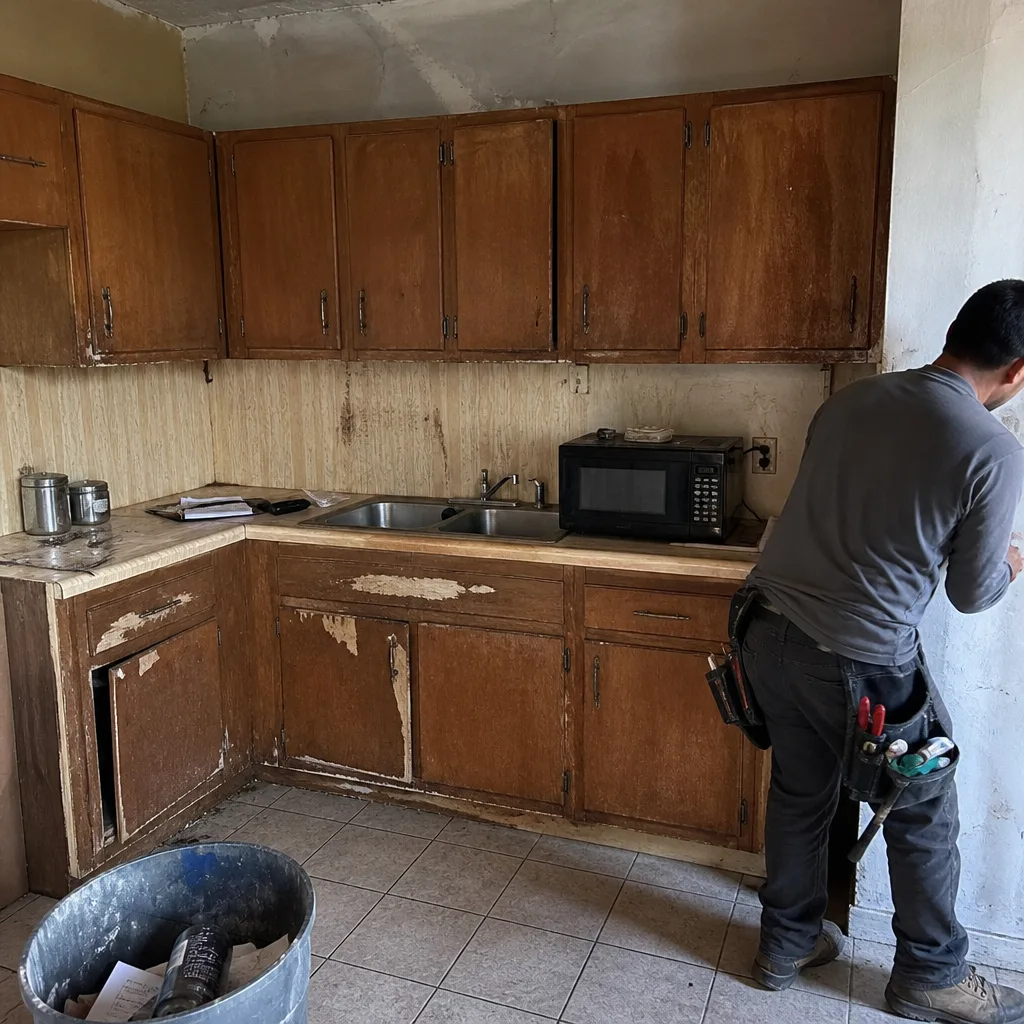 Before
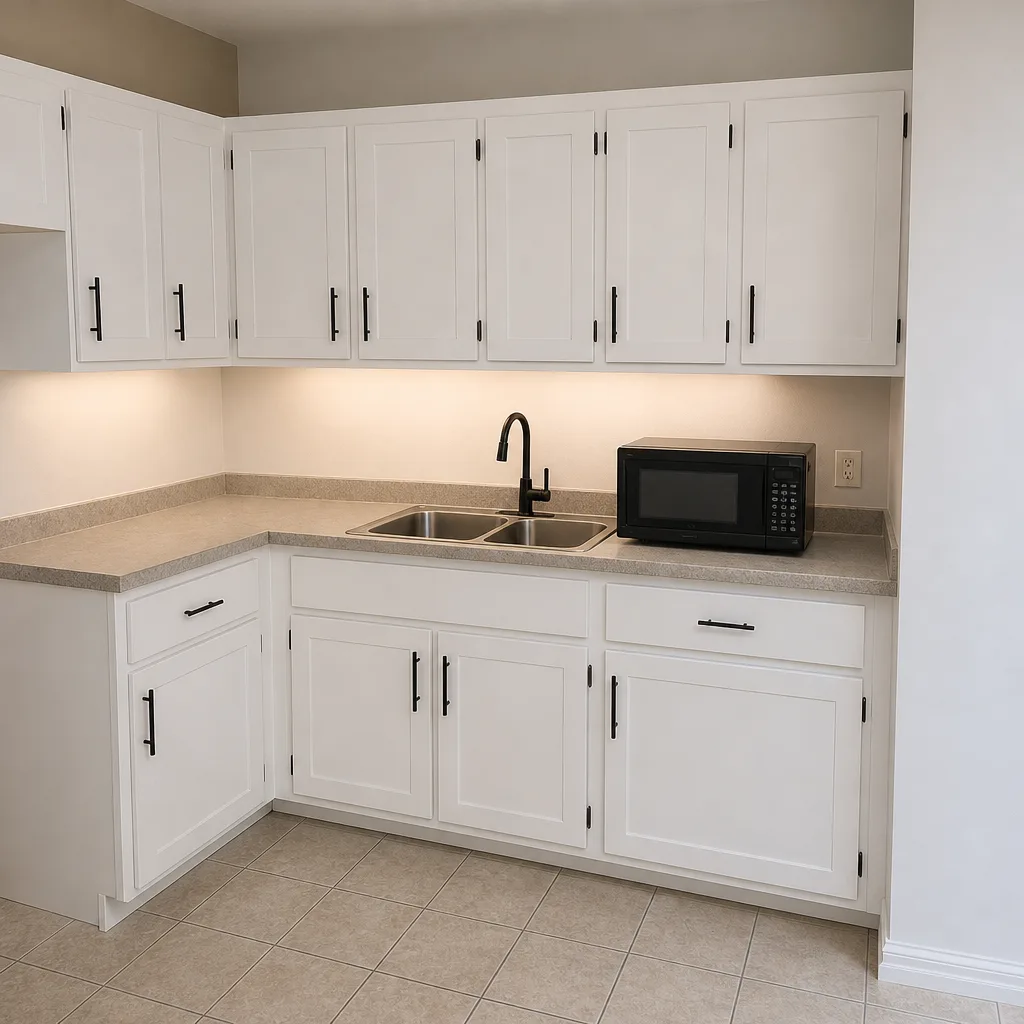 After
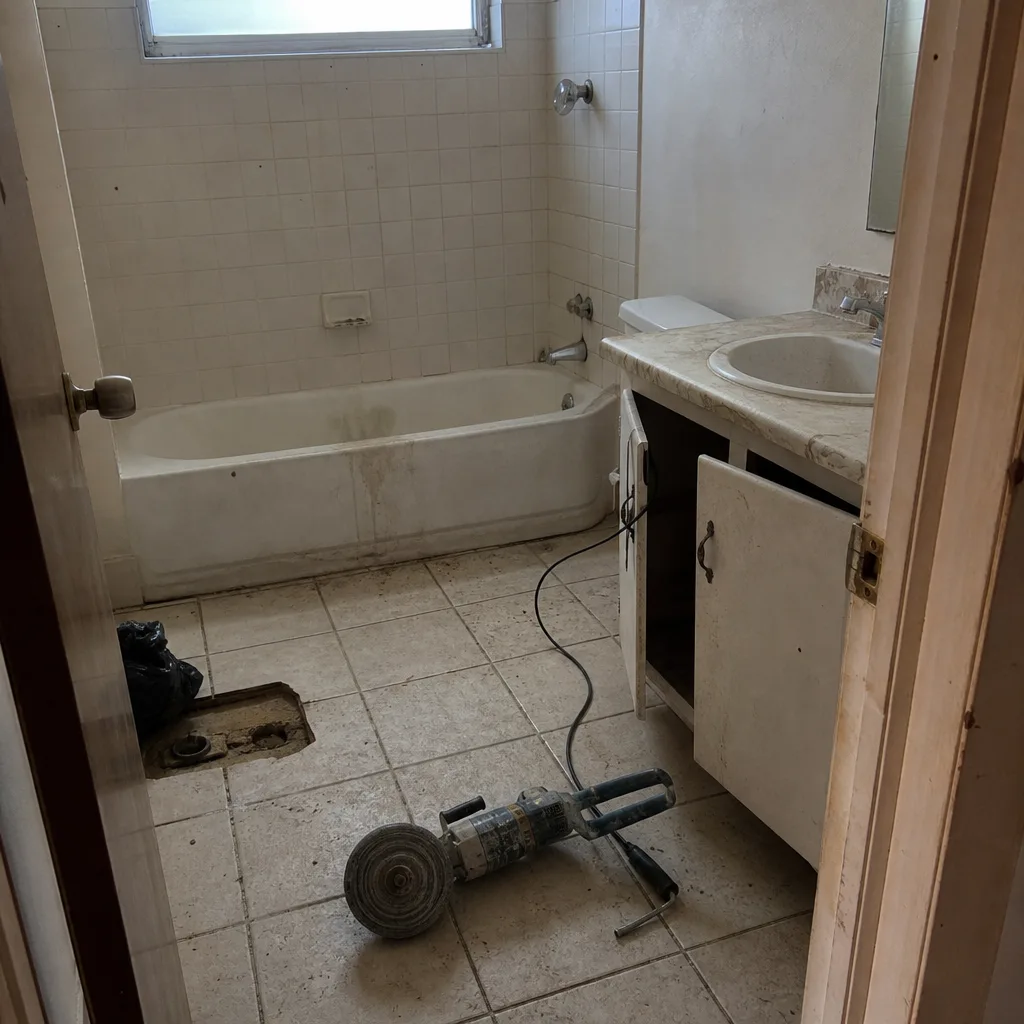 Before
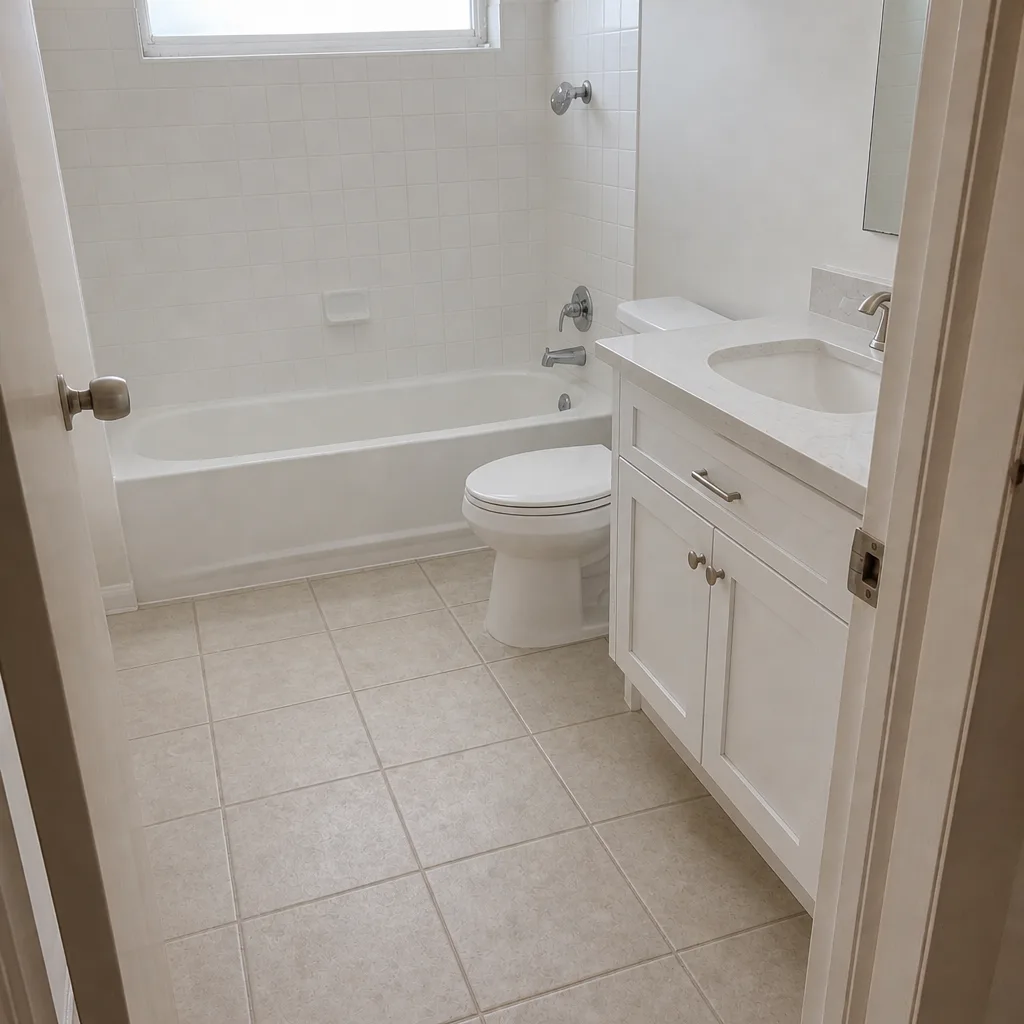 After
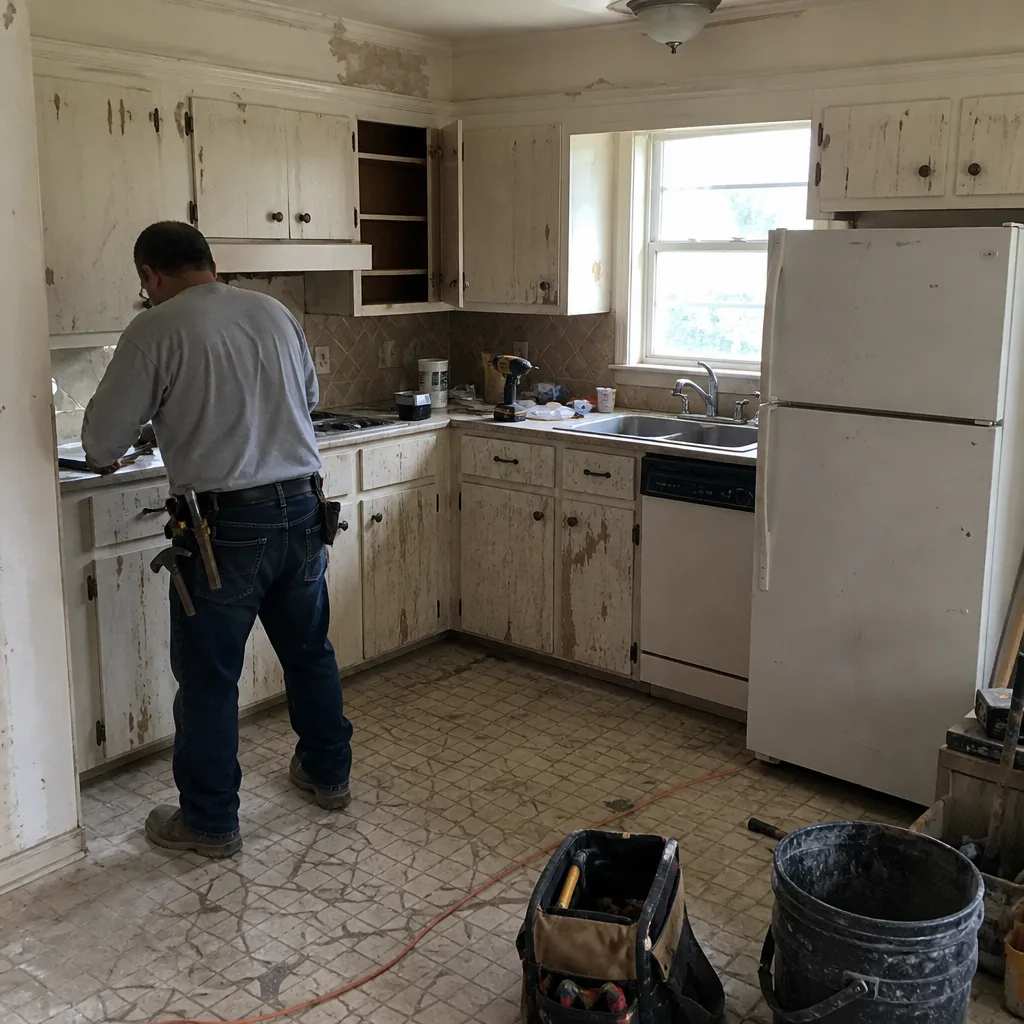 Before
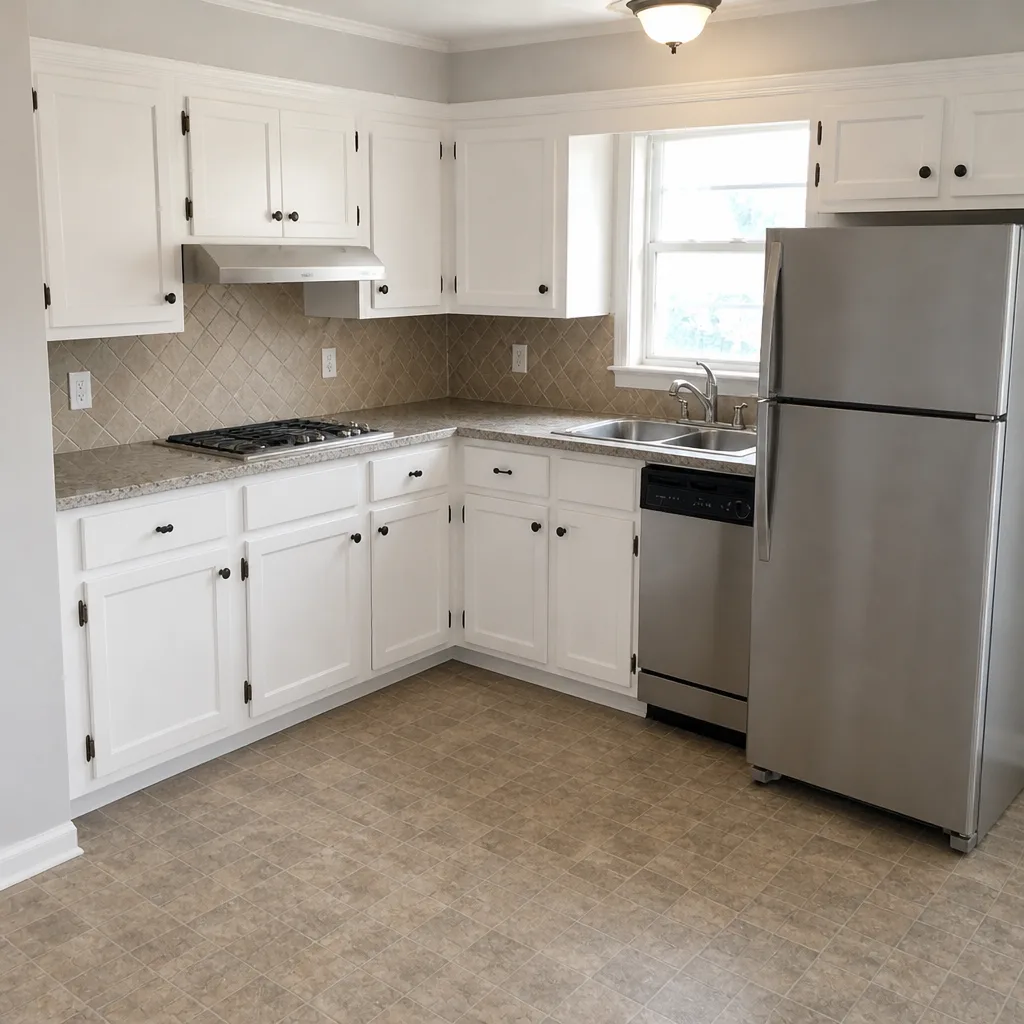 After
When to Call a Professional
Some jobs should not be handled by a homeowner, and some situations demand a written professional estimate before anything moves. If you are planning structural work, electrical panel changes, gas-adjacent appliances, or a roof replacement, call a licensed professional. A doorway opened in a load-bearing wall is a structural question, not a framing question, and a subpanel or new circuit is not a weekend project under Miami-Dade code. If you are dealing with water intrusion from a leaking roof, that is a repair decision before it is a remodel decision.
Our technicians bring up to 19 years of experience to the trade, and we quote every job in writing before work starts. If you want a free, written estimate in Hialeah, call (888) 836-5914.
Frequently Asked Questions
Check the Florida DBPR portal to confirm the license is current and active for the scope, then check Miami-Dade’s county qualifier registry to confirm the qualifier is authorized to pull permits for every trade in the bid. Two records, not one, because a state license does not guarantee county-level permit authority. Call (888) 836-5914 and we will walk you through the two lookups on your own bid.
Ranges are wide because Hialeah spans older housing stock with cast-iron drains and newer builds, but a bathroom remodel typically runs in the low-to-mid five figures and an addition runs higher in line with scope and permitting. A written estimate with line items is the only number worth comparing. Call (888) 836-5914 – estimates are free and we put the price in writing.
The most reliable flag is a missing line item, not a missing reference. If a bid omits permit fees, inspection costs, debris haul-out, temporary protection, or final cleaning, it is an incomplete price. Our free second-opinion review will go through any written estimate line by line.
It should not, and you should insist on that in writing. No work proceeds on a change until the change order is signed, which is the discipline that keeps projects within a few percent of the agreed number. If a contractor cannot put that in the contract, keep reading bids.
Yes. On our projects, the permit process is part of the written scope, and the county qualifier is named so you can check their authorization before signing. Unpermitted work in Hialeah will surface during a resale inspection, and the retrofit is rarely cheaper than the permit.
Yes, and it is the most common gap we encounter. A contractor can hold a valid Certified General Contractor license and still lack the county qualifier authorization to pull electrical or mechanical permits in Miami-Dade. That is why the county registry check is a separate step, not a formality.
In our experience, homeowners who run all six steps come back with questions about process rather than promises, and the difference in how they negotiate is visible. A written price with a line-item scope is the one document you can compare across contractors, and it is the one the trade’s real professionals will not hesitate to produce. Call (888) 836-5914 to schedule a free estimate and receive a written quote you can actually compare against other bids in Hialeah. We stand behind it with the 365-Day Done Right Promise and a free second opinion on any competitor’s estimate, both of which are standing offers, not fine print. Every project we quote starts with a flat written price, a written scope, a signed change order if scope moves, and a documented photo record when the crew leaves. That is what a documented record looks like in practice, and it is how a Hialeah homeowner keeps a renovation from becoming an argument.
The Bottom Line
The bid is a document, and the license is a document, and the insurance certificate is a document. Verify all three independently, and you have done the hiring work most homeowners skip until a problem appears. Hialeah-specific conditions – the Miami-Dade wind code, the storm season, the older housing stock – reward the contractor who plans for them and reveal the one who does not. Aim for a written scope with the five commonly omitted line items present, a signed change order for every scope change, and a contract that assigns permits explicitly. If you get those three in writing, you have selected a contractor well.
Written by the team at Rowan Construction Group Hialeah.