Last updated November 17, 2026



Free written scope consultation - allowances, timeline, and change-order rules on paper before a single trade is scheduled
Seasonal Construction Care for Hialeah: Year-Round Homeowner’s Guide
Hialeah doesn’t have four seasons. It has two: a dry season that bakes the soil and fills the eaves with dust, and a wet season that tests every seal, flashing, and drain on your property. The transition months – April into May, and October into November – are when small deferred problems become expensive emergency repairs. In our experience, the homeowners who schedule inspections in that spring window spend a fraction of what the ones who wait until July spend. This guide walks through the full year in Hialeah, from pre-wet-season checks to post-storm documentation, and shows you where the real cost of deferral hides.
Quick Answer
Seasonal construction care in Hialeah means doing your heavy inspection work between April 15 and May 31, before the first named storm, monitoring and documenting water intrusion from June through October, and completing paint, concrete, and irrigation tasks in October and November. Proactive sealing and caulking typically runs $200-$600, while water intrusion remediation after a failed seal runs $2,000-$8,000 depending on scope. The cost difference is the whole argument for a two-season schedule.
Styles & brands we work with
- Kitchen remodeling
- Bathroom remodeling
- Home additions & ADU
- Roofing
- Windows & doors
- Driveway & pavers
- Fence
Table of Contents
- Why Hialeah’s Two-Season Climate Changes the Maintenance Calendar
- Pre-Wet-Season Checklist (April-May): The Highest-Value Month of Your Year
- Wet-Season Monitoring (June-October): Document Before You Repair
- Post-Storm Inspection Sequence: What You Can Safely Check and What You Can’t
- Pre-Dry-Season Tasks (October-November): Paint, Concrete, and Irrigation
- The Cost of Deferral: A Side-by-Side Comparison
- Neighborhood Notes: How Care Shifts Across Hialeah
- Common Mistakes to Avoid
- When to Call a Professional
Why Hialeah’s Two-Season Climate Changes the Maintenance Calendar
Most home maintenance guides are written for climates with a hard freeze and a slow spring thaw. That schedule assumes a construction season defined by temperature. Hialeah doesn’t work that way. Our temperature floor rarely dips below the mid-50s, so paint cures, concrete pours, and irrigation lines don’t freeze. What changes instead is moisture.
From roughly June through October, Hialeah gets the bulk of its annual rainfall in sustained afternoon events and tropical systems. The rain doesn’t fall hard and stop – it pushes sideways at a low angle for hours. That’s the difference between a roof that sheds water and a roof that gets tested at every penetration. Soffit vents, ridge caps, window perimeters, and French drain outlets are the first to fail under that kind of sustained load. The dry season, by contrast, is when dust accumulates in gutters and drains, when foundation soil shrinks and cracks propagate, and when exterior paint takes its hardest UV hit.
So the calendar isn’t about temperature. It’s about which side of the water cycle you’re on. Spring is your window to prepare. Summer is your window to observe and document. Fall is when you repair and seal before the next dry-out cycle. Every task in this Hialeah guide hangs off that logic.
If you’re planning a larger project – say, an addition or a new driveway – the seasonal window matters even more, because a job started in June that could have started in April loses weeks to weather delays. You can read more about the scheduling side in our Rowan Construction Group Hialeah home overview.
Pre-Wet-Season Checklist (April-May): The Highest-Value Month of Your Year
April 15 to May 31 is the single most cost-effective maintenance window in Hialeah. After that window, the same work either waits until the following spring or gets done in the middle of a rain event at emergency pricing. Here’s the sequence we recommend, in order, because some checks depend on others.
- Roof penetrations first. Every vent boot, chimney flashing, and skylight curb gets inspected. The failure isn’t usually the shingle – it’s the sealant around the penetration drying and pulling away after a dry season of UV exposure. Look for cracked sealant and rusted fasteners.
- Soffit vents and fascia. Check that soffit vents are clear of dust and insect nests. A blocked soffit vent in a Hialeah attic traps heat and moisture, and that moisture comes back through the ceiling drywall by August.
- Window and door perimeter seals. Run a fingernail along the caulk line at each exterior window. If it peels or fractures, it’s failed. This is where a good brand choice matters – we install and service Fence Installation in Hialeah alongside window and door work, and we’ve seen Therma-Tru frames outlast cheaper units mostly because the perimeter seal holds. This same window seal check applies to any French doors or sliders you have.
- French drain outlets and yard drainage. Walk the property and confirm every French drain outlet is clear and discharging where it should. A clogged outlet backs water into the soil next to the foundation, and that’s how you get a wet-season slab issue.
- Gutter and downspout clear-out. Dry-season dust and leaf litter compact into a paste. Clear it before the first big rain or the overflow goes straight down the wall.
- Exterior caulking refresh on vulnerable joints. This is the $200-$600 item that prevents the $2,000-$8,000 repair. Do it now.
- AC condensate line check. Not construction, exactly, but a clogged condensate line is one of the most common water intrusion sources we see in Hialeah – and it’s cheap to prevent.
We’ve found that homeowners who run through this list in May routinely report fewer problems in August than neighbors who didn’t. It isn’t magic. It’s just that the failures are predictable if you look before the rain tests them.
Wet-Season Monitoring (June-October): Document Before You Repair
When water gets in during Hialeah’s wet season, the first instinct is to call someone immediately. The better first move is to document. Why? Because a repair estimate built on a contractor’s assessment alone gives you one number with no benchmark. A repair estimate built on your own dated record gives you evidence you can compare against, negotiate with, and hand to an insurance adjuster.
Here’s the protocol we recommend for every Hialeah homeowner from June through October:
- Log each intrusion event with a date, location, and photo. A cheap notebook works. A phone photo with the timestamp visible works better. Note the room, the approximate square footage affected, and whether the water came in during wind-driven rain or after the rain stopped.
- Mark the location on a simple floor plan sketch. Even a hand-drawn outline helps. Water that appears at a ceiling seam in one room and a wall base in another may be the same source.
- Note what changed. Did the intrusion start after a specific storm? After you cleared the gutters? After the AC ran hard for a week? The pattern often points to the cause.
- Don’t caulk over an active leak to hide it. Covering a wet-season leak removes the evidence you’ll need. Contain the water, document it, and wait for the diagnostic.
- Photograph the exterior in dry conditions at the same locations. The best diagnostic photograph is the one taken the day after the rain stops, when the wet stain is still visible but the surface is dry enough to see the pattern.
This matters for insurance too. Adjusters respond to a documented sequence of events much better than a single photo of a wet ceiling. If you’re planning roof replacement or a drainage correction after the season, the log becomes the scope of work. For larger projects that touch the building envelope, our Home Additions & ADU in Hialeah page explains how we tie envelope repairs to structural work.
Post-Storm Inspection Sequence: What You Can Safely Check and What You Can’t
After a named storm passes, there’s a safe inspection sequence and an unsafe one. The distinction isn’t about caution for caution’s sake; it’s about insurance documentation, and it’s about not doing something that puts you on a ladder in unstable conditions.
What a homeowner can safely assess
- Ground-level exterior walk-around. Look for missing shingles visible from the yard, downed branches, fence panel damage, and standing water. Photograph everything before you touch it.
- Interior ceiling and wall check. Look for new water stains, bubbling paint, or sagging drywall. Photograph the location and note the date.
- Yard drainage function. Note where water pooled and how long it took to drain. This is a diagnostic clue for the dry season.
- Windows and doors. Check for water intrusion at the perimeter, cracked glass, and damaged screens. Don’t attempt to remove or re-set a damaged unit.
What requires a licensed contractor
- Roof surface inspection. Walking a wet or wind-damaged roof is the leading cause of post-storm injury and one of the most common sources of insurance disputes. Don’t do it.
- Structural assessment. Any sagging, cracking, or separation in a load-bearing wall, beam, or soffit needs a professional eye.
- Electrical and water heater connections. If water reached a panel or a connection, it’s a licensed electrician’s call, full stop.
- Anything requiring a ladder on a wet surface. Skip it. The documentation value isn’t worth the risk.
The reason this distinction matters for insurance is that adjusters want to see that the homeowner made careful observations but didn’t do unqualified work. A photo taken from the ground is evidence. A photo taken from a wet roof is a liability.
Pre-Dry-Season Tasks (October-November): Paint, Concrete, and Irrigation
October and November are when Hialeah dries out enough to do the exterior work that failed during the wet season. This is the window to repair, seal, and prepare for the UV-heavy months ahead. Three tasks dominate.
Exterior paint assessment. Walk the exterior with your hand, not just your eyes. Run your fingertips over the south- and west-facing walls, which take the most UV in Hialeah. Chalking (a fine powder on the paint surface) means the film is breaking down. Peeling at the seams means moisture is getting behind. Both signal a repaint window within the next 12-18 months, and the correct fix differs: chalking is often a recoat, peeling requires scraping and priming first.
Concrete crack measurement. Measure the width of every crack in your driveway, patio, and walkways with a straightedge or a crack gauge. Cracks under 1/8 inch are usually cosmetic. Cracks over 1/4 inch, or any crack that’s been widening season over season, warrant a professional look. Take a photo with a measuring tool in frame so you can compare next year. If you’re considering a driveway replacement instead of a repair, our Driveway & Pavers in Hialeah page covers the paver-versus-poured-concrete trade-off.
Irrigation system winterization. Hialeah’s temperature floor is mild enough that a full winterization isn’t required, but a seasonal shutdown of unnecessary zones is. Shut off zones you don’t run in the dry season, inspect heads for damage, and check the controller schedule against actual rainfall. Running irrigation through a dry-season week costs more than most people realize.
The Cost of Deferral: A Side-by-Side Comparison
Every seasonal care decision comes down to one question: do the small thing now, or the large thing later? Here’s the honest comparison, using the ranges we see in Hialeah.
| Task | Proactive Cost | Deferred Consequence | Repair Cost |
|---|---|---|---|
| Exterior caulking and sealing (perimeter) | $200-$600 | Water intrusion at window and door perimeters | $2,000-$8,000 depending on scope |
| Roof flashing and boot sealant refresh | $150-$450 | Ceiling water damage, insulation loss, possible drywall tear-out | $1,500-$5,000 |
| Gutter and downspout cleaning | $100-$300 | Foundation soil erosion and wall staining | $800-$3,000 |
| Concrete crack sealing | $150-$400 | Widened crack, trip hazard, full slab replacement | $1,200-$6,000 |
These are ranges, not quotes. The exact number depends on your roof pitch, square footage, and the condition of the substrate. What we can tell you from the jobs we’ve run: the homeowners who spend the $200-$600 every spring almost never end up in the $2,000-$8,000 column. The math is lopsided enough that we treat it as the core argument for a seasonal schedule.
Neighborhood Notes: How Care Shifts Across Hialeah
Hialeah is not one microclimate. The care that matters most shifts depending on where you are.
- Older neighborhoods near Hialeah Park and downtown Hialeah. Many homes here have mature trees and older drainage systems. Gutter clear-out and French drain outlet checks matter more here than anywhere else, because the roots and the older infrastructure make clogs routine.
- West Hialeah and Hialeah Gardens. Newer construction and larger lots mean more concrete and more irrigation. Concrete crack measurement and irrigation system checks move up the priority list.
- Hialeah near the Hialeah-Miami Springs line. Older homes with original window systems see the highest rate of failed perimeter seals. A caulking refresh in April is the single highest-value task here, and it’s where we see the most demand for Fence Installation in Hialeah as fences age in the same weather cycles as the house.
- Homes near the canals and low-lying areas. Post-storm yard drainage documentation is the priority. Note where water pools after every big rain.
Common Mistakes to Avoid
- Treating the maintenance calendar as generic. A guide written for Ohio tells you to winterize in October. Hialeah’s October is a dry-season transition month where you should be sealing and painting, not winterizing. Using the wrong calendar wastes a window and skips a task.
- Caulking over an active leak to hide it. We’ve seen this in Hialeah repeatedly, and it turns a $300 diagnostic into a $4,000 tear-out. The water has to exit somewhere, and if you seal the exit, it goes into the wall cavity.
- Skipping the wet-season log. If you don’t document intrusion by date and location, you lose the evidence that would make a post-season estimate reliable. Without that evidence, every contractor gives you a number with no benchmark.
- Treating soffit vents as an afterthought. A blocked soffit vent traps hot air and moisture in the attic, and in Hialeah that moisture condenses on the underside of the roof deck by mid-August. It’s cheap to check and expensive to fix.
- Washing the roof instead of inspecting it. Pressure washing pushes water under shingle tabs. A soft-wash or a hand inspection is the right tool. The wrong one causes exactly the damage you were trying to prevent.
- Waiting until June 1 to start. Every task you defer past the first big rain either waits until the following spring or becomes an emergency repair. The window is April 15 to May 31, and it doesn’t reopen.
- Ignoring the French drain outlet. A French drain that discharges next to the foundation is worse than no drain at all. Walk the outlet every spring and confirm the water is going where you think.
When to Call a Professional
Some of these tasks a careful homeowner can do. Others have a genuine safety line and a code line. Call a professional if you see:
- Roof damage of any kind, because roof work is the leading cause of fall injuries in residential construction and a wet Hialeah roof is not a safe surface.
- Any water intrusion that appears in more than one location, or that persists after the rain stops, since that pattern usually points to a hidden envelope failure.
- Concrete cracks that have widened season over season, or any crack wider than 1/4 inch.
- Structural separation, sagging, or cracks in load-bearing walls, beams, or soffits.
- Any work that touches electrical, plumbing, or gas connections.
Rowan Construction Group Hialeah offers free estimates in Hialeah on all seven of our trades, from roof repair to kitchen and bath through roofing, windows and doors, fencing, pavers, and additions. Every project comes with a written scope and a flat written price before any work starts, and we pull the permits the job requires. Call (888) 836-5914 to schedule yours.
See the difference
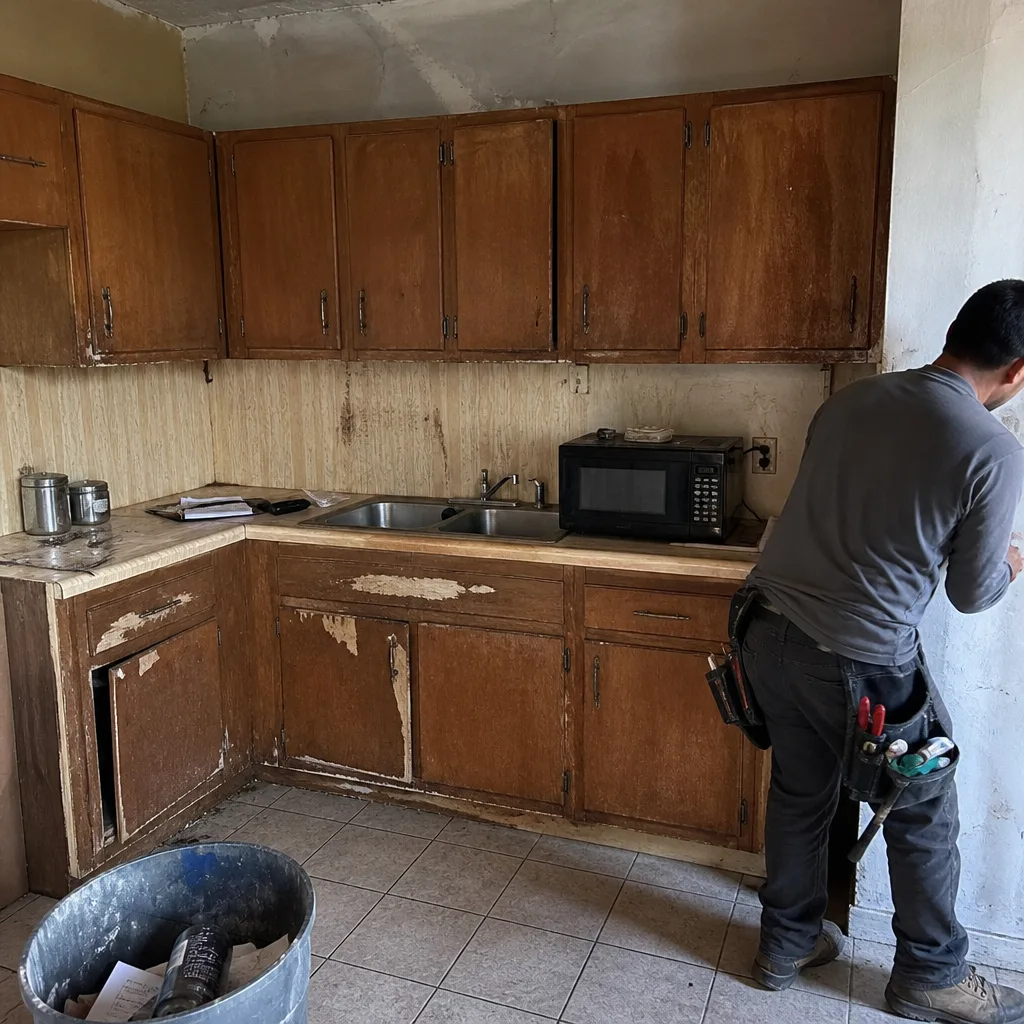 Before
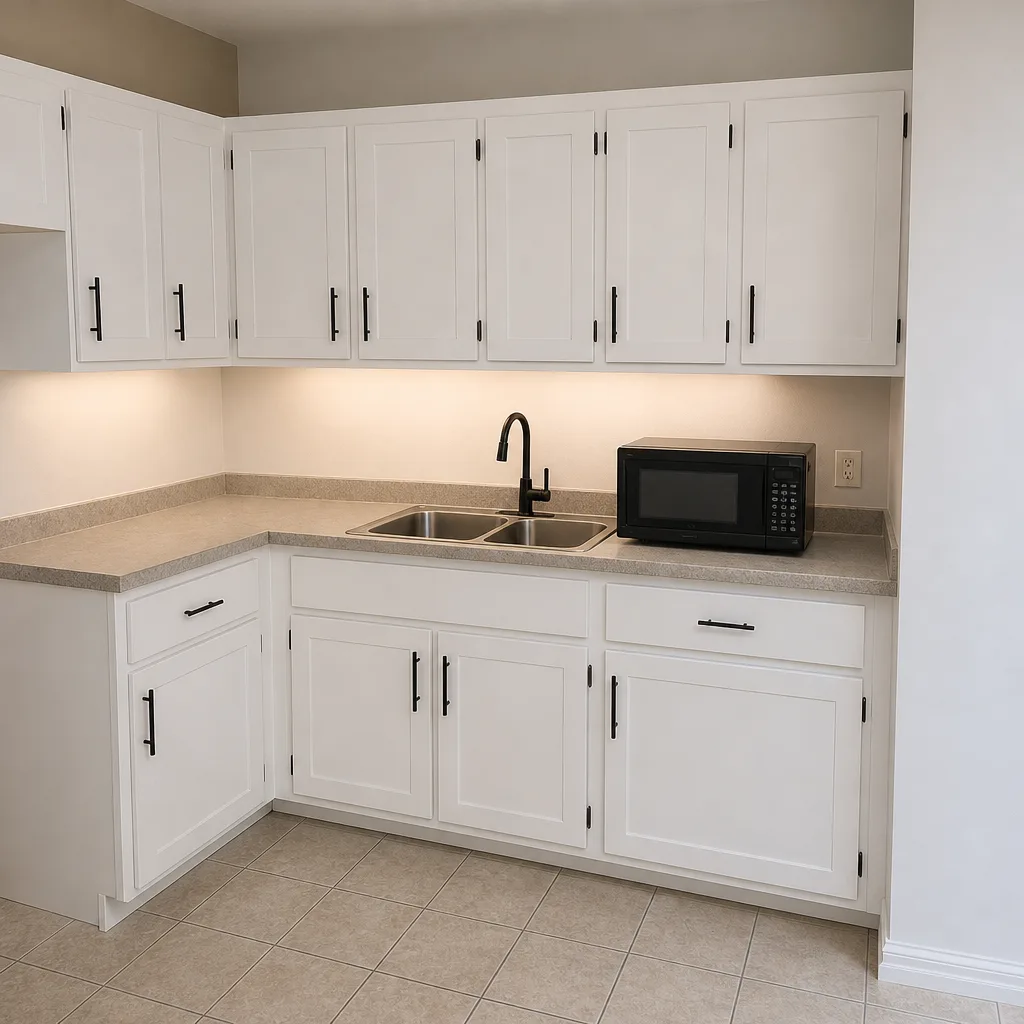 After
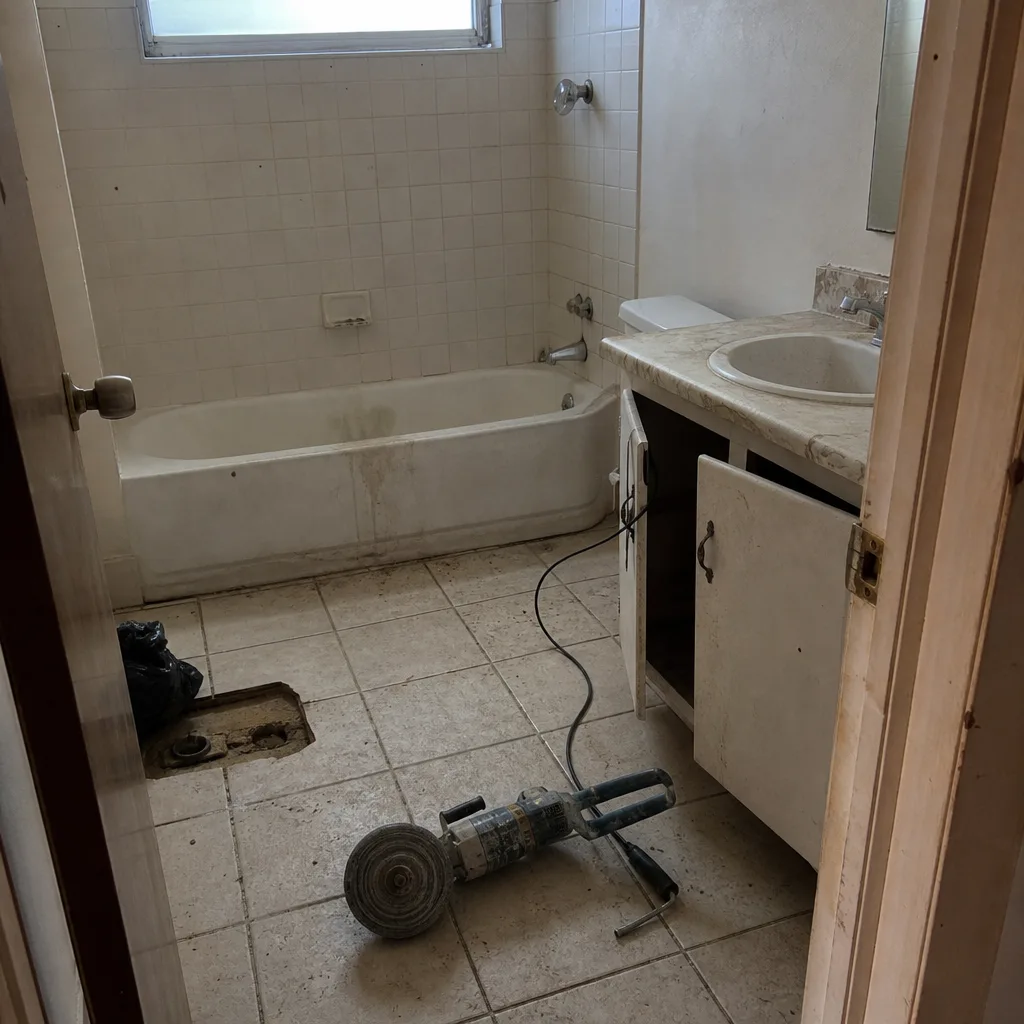 Before
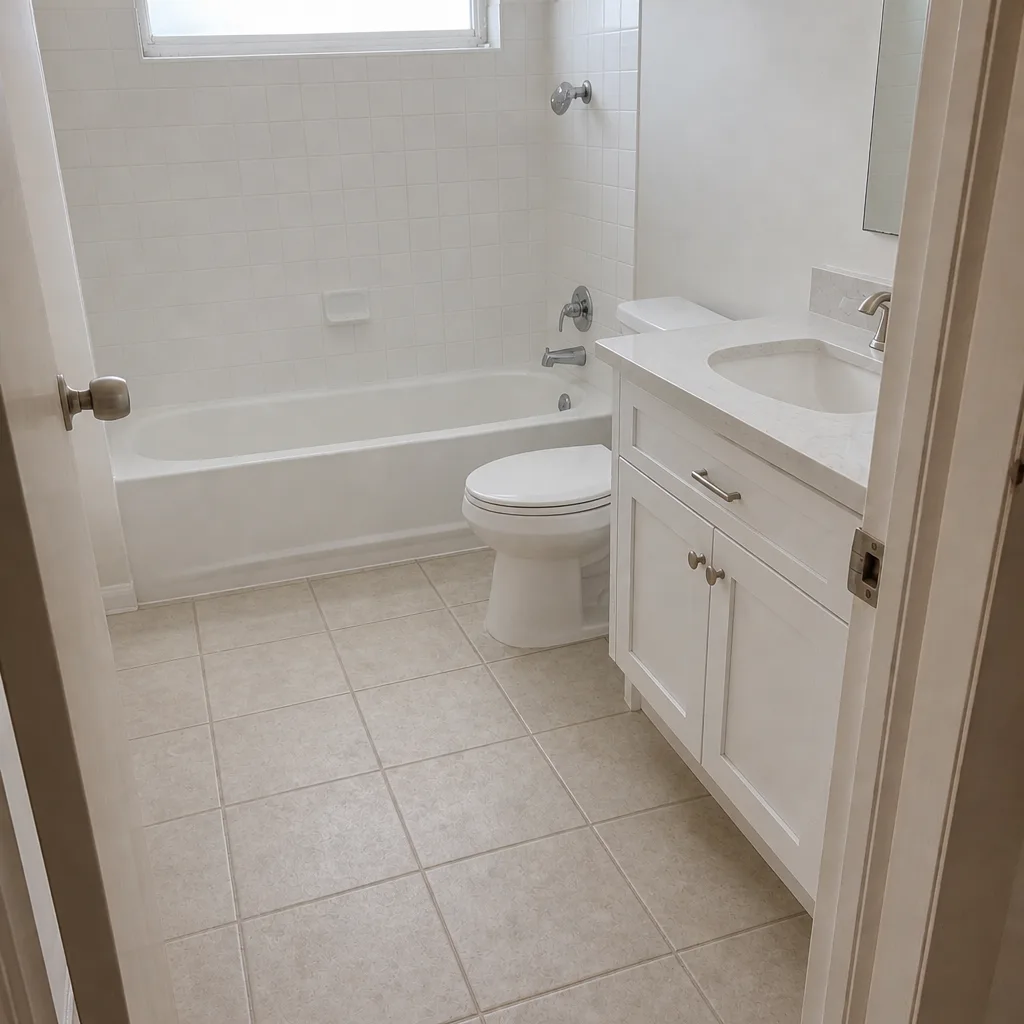 After
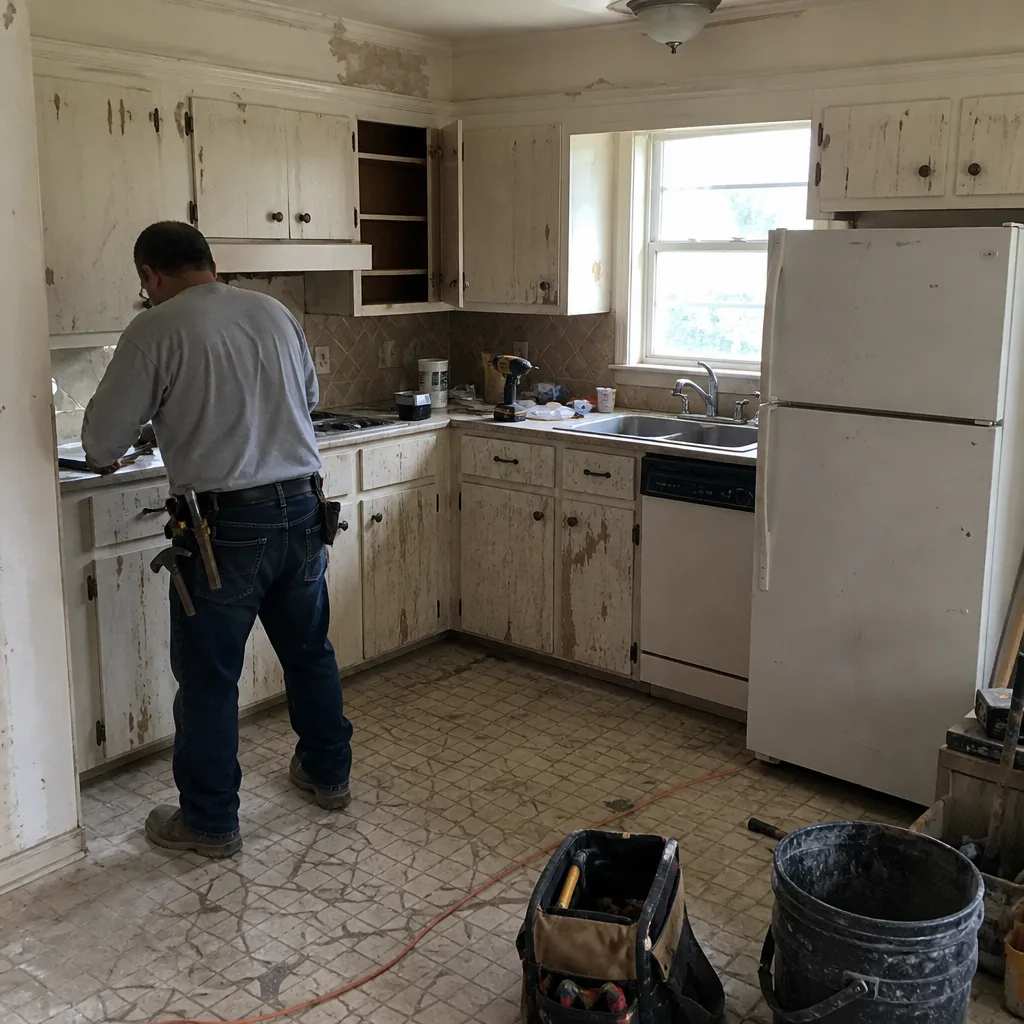 Before
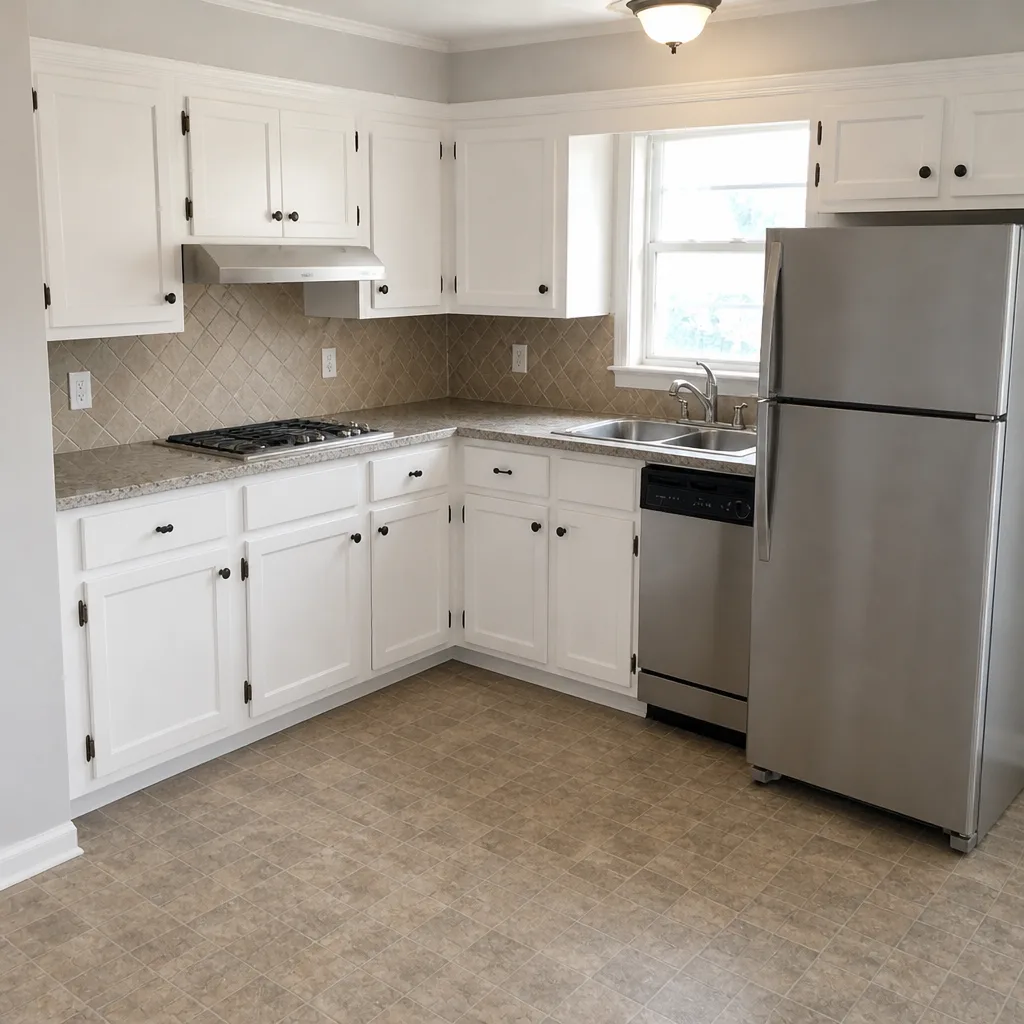 After
Frequently Asked Questions
The best time is April 15 to May 31, before the wet season begins. That window is the most cost-effective period for inspections, caulking, and roof flashing checks because the work happens before the rain tests it. The next-best window is October and November, when the wet season ends and you can paint, seal concrete, and address irrigation. Call (888) 836-5914 for a free estimate any time of year.
Proactive exterior caulking and sealing typically runs $200-$600 for a typical Hialeah single-family home, depending on the number of windows, doors, and joints. That cost compares to $2,000-$8,000 for water intrusion remediation after a failed seal. Call (888) 836-5914 for a free estimate on your specific property.
Photograph everything from the ground before you touch anything, then check interior ceilings and walls for new water stains, and log the location and date. Do not walk your own roof, and do not attempt structural or electrical assessment. Document, then call a licensed contractor. Call (888) 836-5914 for a free post-storm inspection.
No, not in the freeze-protection sense, because Hialeah’s temperature floor rarely drops low enough to freeze irrigation lines. You should still do a seasonal shutdown of unused zones, inspect the heads for damage, and check the controller schedule against actual rainfall. If you’re not sure, the inspection is part of a free estimate and won’t cost you a call.
Measure the width. Cracks under 1/8 inch are usually cosmetic; cracks over 1/4 inch, or any crack that has visibly widened season over season, warrant a professional look. The pattern matters too – a crack that follows a straight line from a corner is often a slab issue, while a spider crack is often surface only. Call (888) 836-5914 for a free assessment.
Repairs that replace a shingle or reseal flashing typically don’t require a permit; full roof replacements and structural repairs do. The permit line depends on the scope, and the safest move is to ask before the work starts. Our quotes include the permit when the job requires one, and the amount is written into the line item. Call (888) 836-5914 to talk through your specific scope.
The Bottom Line
Hialeah’s maintenance calendar runs on water, not temperature. The most valuable thing you can do is treat April 15 to May 31 as a hard deadline: inspect roof penetrations, soffit vents, window seals, and French drain outlets before the first big rain. Then document every wet-season intrusion by date and location, and use the October-November window to paint, seal, and address concrete while things are dry. The deferral math is simple: $200-$600 of spring caulking prevents $2,000-$8,000 of summer remediation. If you want a second opinion on a quote you’ve already received, or a written estimate on any of our trades, call (888) 836-5914.
Written by the team at Rowan Construction Group Hialeah.