Last updated November 17, 2026



Free written scope consultation - allowances, timeline, and change-order rules on paper before a single trade is scheduled
Windows & Doors Maintenance Schedule: What to Do and When
Here’s a fact that surprises most homeowners: ammonia-based glass cleaners, including standard Windex, are named by PGT and CGI as warranty-voiding products on their impact windows. The ammonia attacks the silicone edge seal that holds the laminated interlayer in place, and once that seal degrades you have a window that looks fine and no longer performs like impact glass. We’ve walked Hialeah homes where a ten-year warranty was gone in under three years for exactly this reason. This guide lays out a real maintenance schedule, by month and by task, so the windows and doors you paid for keep their coverage and their storm rating.
Quick Answer
Clean window frames and glass every three to six months with a non-ammonia, pH-neutral cleaner; lubricate the hardware and clear weep holes twice a year; inspect the silicone perimeter seal of every impact window each spring and fall; and replace high-use door sweeps when they flatten, which for an entry door in Hialeah’s sun and rain is often every 18 to 24 months. Before hurricane season begins in June, do a documented inspection of frames, seals, hardware, and thresholds and photograph everything.
Styles & brands we work with
- Kitchen remodeling
- Bathroom remodeling
- Home additions & ADU
- Roofing
- Windows & doors
- Driveway & pavers
- Fence
Table of Contents
- The Full-Year Maintenance Schedule at a Glance
- Frame Cleaning by Material: Aluminum vs. Vinyl
- How Salt Air Attacks Aluminum Frames in Hialeah
- Hardware Lubrication Points and Weep Hole Clearing
- Inspecting the Silicone Perimeter Seal on Impact Windows
- Door Thresholds and Sweeps: Replacement Intervals and Costs
- The Pre-Hurricane Season Checklist (May)
- Common Mistakes to Avoid
- When to Call a Professional
- Frequently Asked Questions
The Full-Year Maintenance Schedule at a Glance
A maintenance schedule only works if it’s simple enough to actually follow. Ours is built around two anchor dates, one in spring and one in fall, with a handful of light touch-up tasks in between. The point is to catch small failures before they become leaks, and to keep your manufacturer warranty intact.
- Monthly (2 minutes): Look at each door sweep and threshold. Wipe grit off sliding-door tracks.
- Every 3 – 6 months: Clean glass and frames with a pH-neutral, non-ammonia cleaner. Wipe down hardware. Clear weep holes.
- Every 6 months (spring and fall): Run a finger along the silicone perimeter seal of every impact window. Feel for gaps, bubbling, or a rough texture. Lubricate hinges, rollers, and the locking mechanism.
- Every 18 – 24 months: Inspect high-use door sweeps for compression and replace as needed. Check the weather-stripping along each door jamb.
- Every May (before hurricane season): Full documented inspection with photographs. Test every latch, lock, and roll-up mechanism.
- Every 10 – 15 years: Have a professional assess whether seals, weather-stripping, or hardware need replacement based on condition, not just age.
For Hialeah and the rest of South Florida, the schedule runs slightly tighter than it would in, say, Colorado. Salt air, sun, and rain all work against aluminum, sealant, and rubber at a faster pace than in a dry, inland climate. Build the schedule once and let it drive the work.
Frame Cleaning by Material: Aluminum vs. Vinyl
Not every frame wants the same cleaner. Aluminum and vinyl both react badly to ammonia, harsh solvents, and abrasive pads, but the right routine differs slightly by material.
- Aluminum frames: Use a mild dish soap diluted in warm water and a soft microfiber cloth. Rinse with clean water and dry with a separate cloth. A paste of baking soda and water handles oxidation spots on the finish, but rub gently and rinse completely. Avoid anything acidic (no vinegar on bare aluminum) without knowing the finish.
- Vinyl frames: Warm water with a few drops of dish soap. Wipe with a soft cloth, then dry. Vinyl is more forgiving, but the same rules apply: no ammonia, no solvents, no scouring pads. A microfiber cloth is your best tool.
- Weather-stripping and seals: Wipe with a damp cloth. Do not soak. A silicone-based lubricant on the weather-strip helps it stay supple and resist cracking.
- Glass: A non-ammonia glass cleaner or a simple solution of water and a drop of dish soap. Wipe dry with a microfiber cloth. Skip the squeegee on textured impact glass; it can scratch.
A quick check on any cleaner: read the label. If it lists ammonia, ammonium hydroxide, or “ammoniated,” set it aside. That one habit alone will preserve more impact window warranties than any other step in this guide.
How Salt Air Attacks Aluminum Frames in Hialeah
Hialeah is close enough to the coast that airborne salt settles on window frames faster than most homeowners realize. Salt is hygroscopic; it pulls moisture out of the air and holds it against the aluminum, which is exactly the condition that starts oxidation and, over time, pitting. Pitting is the small, pock-marker erosion of the aluminum surface that eventually eats through the powder-coat finish.
In our experience working on Hialeah homes, a frame that gets cleaned every six months holds up noticeably better than one cleaned once a year, especially on the east- and south-facing sides of a house where sun and salt both concentrate. The specific cleaning interval that prevents oxidation in Hialeah is closer to three months than six. Set a calendar reminder for the first week of every quarter.
What to look for:
- A chalky white haze on the powder coat, which is the first sign of oxidation.
- Fine white crystal deposits in the corners and along the bottom rail.
- Dark spots in the metal finish that don’t wipe off, which point to early pitting.
- Staining along joints and weep holes where saltwater collects and sits.
If you see any of the first two, a gentle clean with diluted dish soap and a soft cloth usually resets the finish. If you see the third or fourth, an inspection by a professional is worth scheduling before the damage spreads under the powder coat.
Hardware Lubrication Points and Weep Hole Clearing
Two small tasks do most of the work of keeping windows and doors operating smoothly: keeping the hardware lubricated and keeping the weep holes clear. Both are spelled out in the installation manual the manufacturer sends with every impact window, and both are easy to skip.
- Hinges and pivots: Two drops of a silicone-based lubricant per hinge, twice a year. Wipe away excess; more is not better.
- Sliding-door tracks and rollers: Vacuum grit out of the track first, then apply a dry silicone spray to the rollers. Do not use oil or grease, which attracts dirt and gums up the mechanism.
- Locks and latches: A silicone or graphite lubricant once a year, worked into the mechanism with the key. Test the latch twice.
- Window cranks and operators: A light silicone lubricant on the worm gear. If a crank feels stiff, stop turning and lubricate first rather than forcing it.
- Weep holes: These are the small slots at the bottom of the window frame that let water drain. Clear each one with a pipe cleaner or a soft brush at least twice a year. If a weep hole is blocked, water stands inside the frame and eventually finds a way into the wall.
Clearing weep holes is where we see the most preventable water damage in Hialeah homes. A blocked weep on a windward window does nothing visible for months, then stains the interior sill after a heavy rain. Two minutes twice a year prevents all of that.
Inspecting the Silicone Perimeter Seal on Impact Windows
The silicone perimeter seal is the bead of sealant running around the inside edge of the glass where it meets the frame, and it is the component that protects the laminated interlayer in an impact window. When that seal fails, moisture reaches the interlayer, and the impact rating and the warranty both go with it. Early-stage failure has a signature you can feel and see.
What early-stage failure looks like:
- A rough, granular, or chalky texture along the seal when you run a finger over it.
- Small bubbles or lifted edges where the silicone has stopped adhering to the frame.
- A thin, dark line where water has begun to trail under the seal.
- Discoloration of the interlayer itself, usually starting at the bottom corners.
If you find any of those, the seal needs professional attention before the next rainy season. Do not try to caulk over a failing silicone edge; the underlying problem will continue and the warranty may void from a non-approved repair. A trained glazier or window specialist can reseal correctly and document the condition, which matters for any warranty claim. Call Rowan Construction Group at (888) 836-5914 for a written assessment.
Aluminum frames on windows near the coast can pit from salt exposure, weakening the bond at the perimeter seal. That’s why the inspection interval in Hialeah is six months, not twelve. Think of it as the same routine as checking a smoke detector, just twice a year.
Door Thresholds and Sweeps: Replacement Intervals and Costs
Door sweeps are the flexible strip at the bottom of an exterior door that seals against the threshold. Sweeps flatten, harden, and tear, and when they do, water and air come in. In Hialeah’s sun and rain, a high-use entry door sweep often needs replacement every 18 to 24 months, while a secondary door (a side entry, a garage-door-to-house door) can go three to four years on a single sweep.
What to look for:
- Visible light under the door when it’s closed.
- Water intrusion at the threshold after a heavy rain.
- A sweep that feels hard, brittle, or stiff rather than rubbery.
- Torn or frayed edges, especially at the corners.
- Threshold weather-strip that leaves a black mark on the floor when you wipe it, a sign of degradation.
Replacement options and rough costs, using common product categories:
- Standard rubber door sweep, 36-inch: $8 to $20 at most hardware stores. Do-it-yourself swap for a handyperson.
- Heavy-duty aluminum-and-vinyl sweep: $20 to $45. Better for high-use exterior doors.
- Full weather-stripping set (sweep, jambs, and head): $40 to $85. The right choice when the whole door is due.
- Threshold replacement (including sill pan rebuild): $150 to $400 installed, depending on the door and the condition of the sill.
For a Hialeah home with a covered entry, the 18-to-24-month interval is realistic for a front door. For a west-facing door with no cover, expect the lower end of that range or shorter. Inspect monthly; replace on condition, not just on the calendar.
The Pre-Hurricane Season Checklist (May)
Hurricane season in South Florida runs from June 1 to November 30. Doing a documented inspection in May gives you time to correct small problems before a storm, and it gives you evidence for any post-storm insurance claim. Insurers increasingly ask for photos and dates of pre-storm condition, so document it properly.
- Inspect every impact window’s silicone perimeter seal. Photograph each seal up close.
- Test every lock, latch, and pin. A functioning latch is part of what keeps a window from being pulled out under pressure.
- Check hardware lubrication. Stiff hinges and rollers can fail under storm load.
- Clear every weep hole. Confirm water can drain freely; blocked weeps force water inside under wind-driven rain.
- Inspect door sweeps and weather-stripping. Replace anything flattened or torn.
- Photograph the condition of frames and glass. Date the images. Keep them with your insurance policy.
- Confirm your warranty terms are being followed. A manufacturer warranty on impact windows requires that you’ve used approved cleaners and followed the hardware schedule. Keep the manual and a simple maintenance log.
If a seal failure or a hardware issue turns up during the May inspection, having four weeks to schedule the repair is far better than having four hours before a storm makes landfall. This is where our Rowan Construction Group Hialeah home page can help you find the right service for the job.
Common Mistakes to Avoid
- Using ammonia-based cleaners. Windex and similar products void PGT and CGI impact window warranties because ammonia degrades the silicone edge seal. Use pH-neutral, non-ammonia cleaners on every window in the house.
- Skipping the hardware lubrication schedule. The manufacturer’s manual calls for twice-yearly lubrication. Skip it, and you’ll hear the difference in a sticky hinge within a year, and eventually you’ll replace hardware that should have lasted a decade.
- Ignoring weep holes. A blocked weep hole in a Hialeah home can lead to water intrusion inside the wall cavity that doesn’t show up until the drywall stains. Clear them twice a year.
- Caulking over a failing silicone seal. Caulk on top of a degrading silicone edge hides the problem and may void the warranty. If a seal has failed, it needs to be removed and redone properly.
- Running a pressure washer on frames. High-pressure water forces its way past seals and weather-stripping and drives moisture into places it can’t escape. Use a garden hose and a soft cloth instead.
- Letting salt accumulate on aluminum. In Hialeah, salt on the east- and south-facing frames causes oxidation and pitting faster than homeowners expect. A quarterly clean is the easy fix.
- Replacing a door sweep too late. Waiting for visible water intrusion before replacing a flattened sweep costs more than the sweep. Inspect monthly, replace every 18 to 24 months on a high-use entry.
When to Call a Professional
Some maintenance is yours to handle. Seal failures, water intrusion at the threshold, and any hardware that’s seized or broken are jobs for a trained professional. If you find moisture between the panes of an impact window, a frame that’s cracking at the corners, or a threshold that leaks during heavy rain, stop and call. Attempting to reseal an impact window yourself can void the warranty, and water damage hidden behind a wall can cost thousands more than the repair would have.
Rowan Construction Group Hialeah offers free estimates in Hialeah, and we’ll review a competitor’s written quote line by line at no charge under our Free Second Opinion. Under Clause 1 of the Haven Standard, you get a flat written price with a written scope and written warranty before any work begins. Call (888) 836-5914 to schedule. If you’re also considering upgrades like Home Additions & ADU in Hialeah or fresh Fence Installation in Hialeah, we can fold that into the same visit.
Frequently Asked Questions
A pH-neutral, non-ammonia glass cleaner, diluted dish soap in warm water, or plain water with a microfiber cloth. Ammonia-based products including standard Windex are explicitly named by PGT and CGI as warranty-voiding on impact windows because ammonia degrades the silicone edge seal. Read the label before any bottle touches the glass.
Twice a year, in spring and fall, and once more in May before hurricane season. Run a finger along the inside edge of each pane and feel for grit, lifting, or bubbling. In Hialeah, salt air and rain accelerate seal wear, so twice a year is the minimum, not the maximum.
Yes. Hialeah’s proximity to the coast means salt deposits settle on aluminum frames faster than in inland climates, and salt pulls moisture out of the air, which triggers oxidation and eventually pitting. Clean aluminum frames every three months in Hialeah, and check east- and south-facing frames more often than north-facing ones.
When it flattens, hardens, or tears, and for a high-use entry door in Hialeah that’s typically every 18 to 24 months. A covered entry, or a secondary door, can go three to four years. A standard rubber sweep runs $8 to $20; a heavy-duty aluminum-and-vinyl sweep runs $20 to $45.
Photograph the silicone perimeter seal on every impact window, the condition of every door sweep and weather-strip, the hardware on doors and sliding windows, and the frame finish. Date the images and store them with your insurance policy. That documentation supports any post-storm claim.
Generally no. Resealing an impact window requires the correct silicone and the correct procedure, and a non-approved repair can void the warranty. Use a professional for any seal work, and keep the manufacturer’s manual and the maintenance log on file. Call (888) 836-5914 for a written assessment.
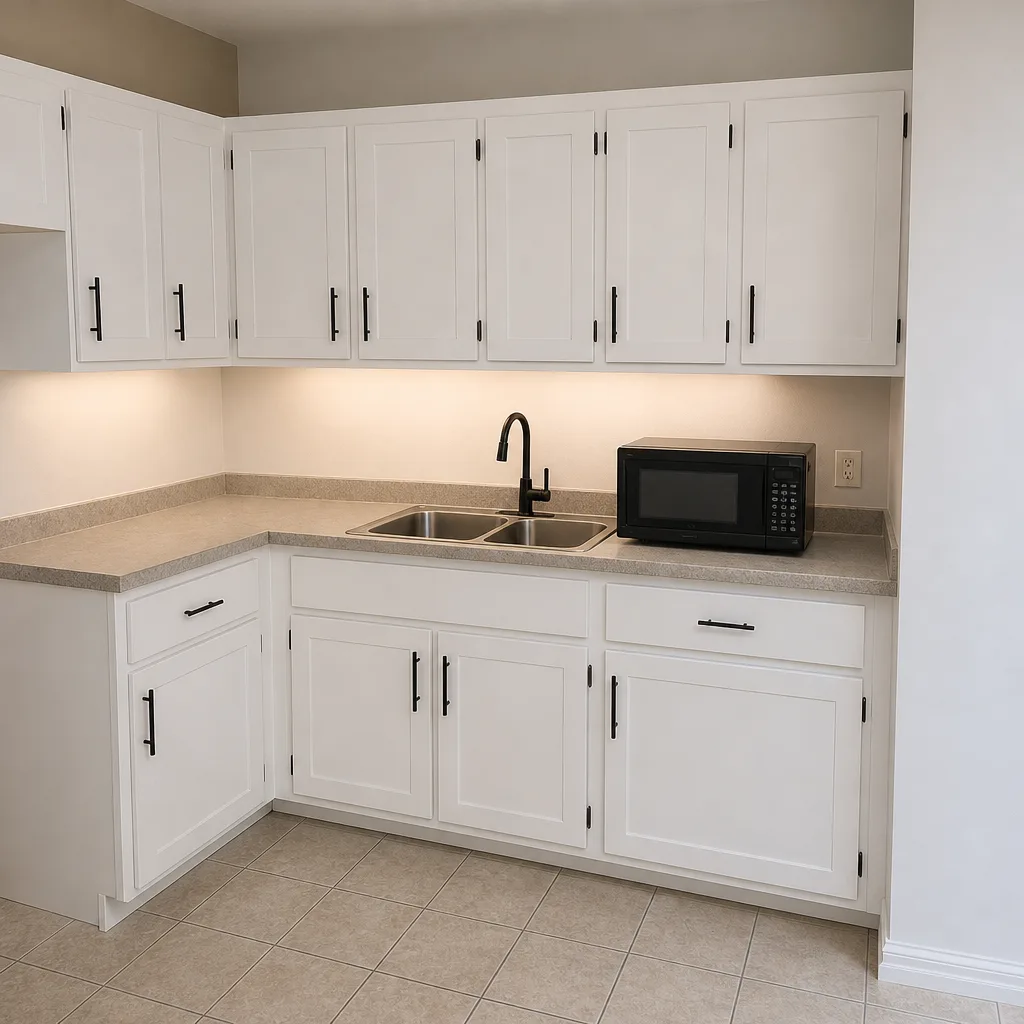
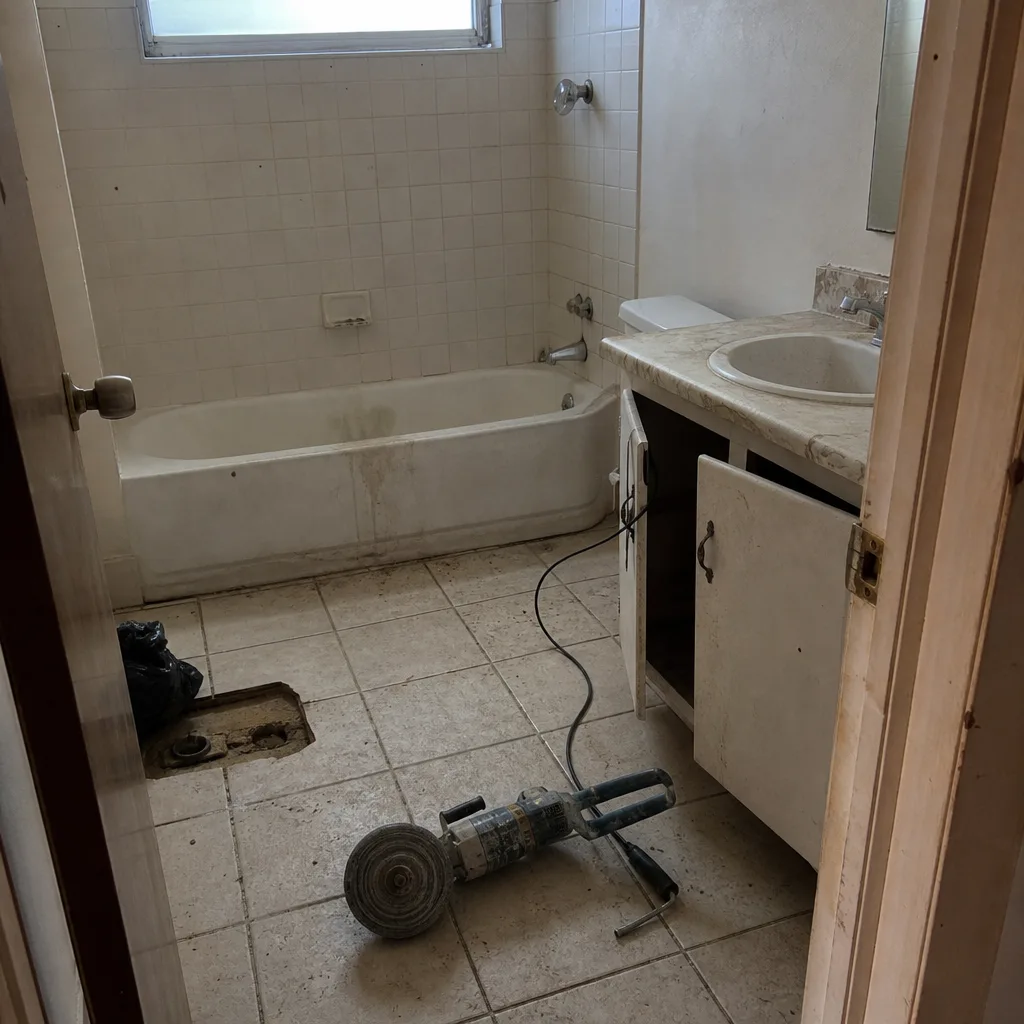
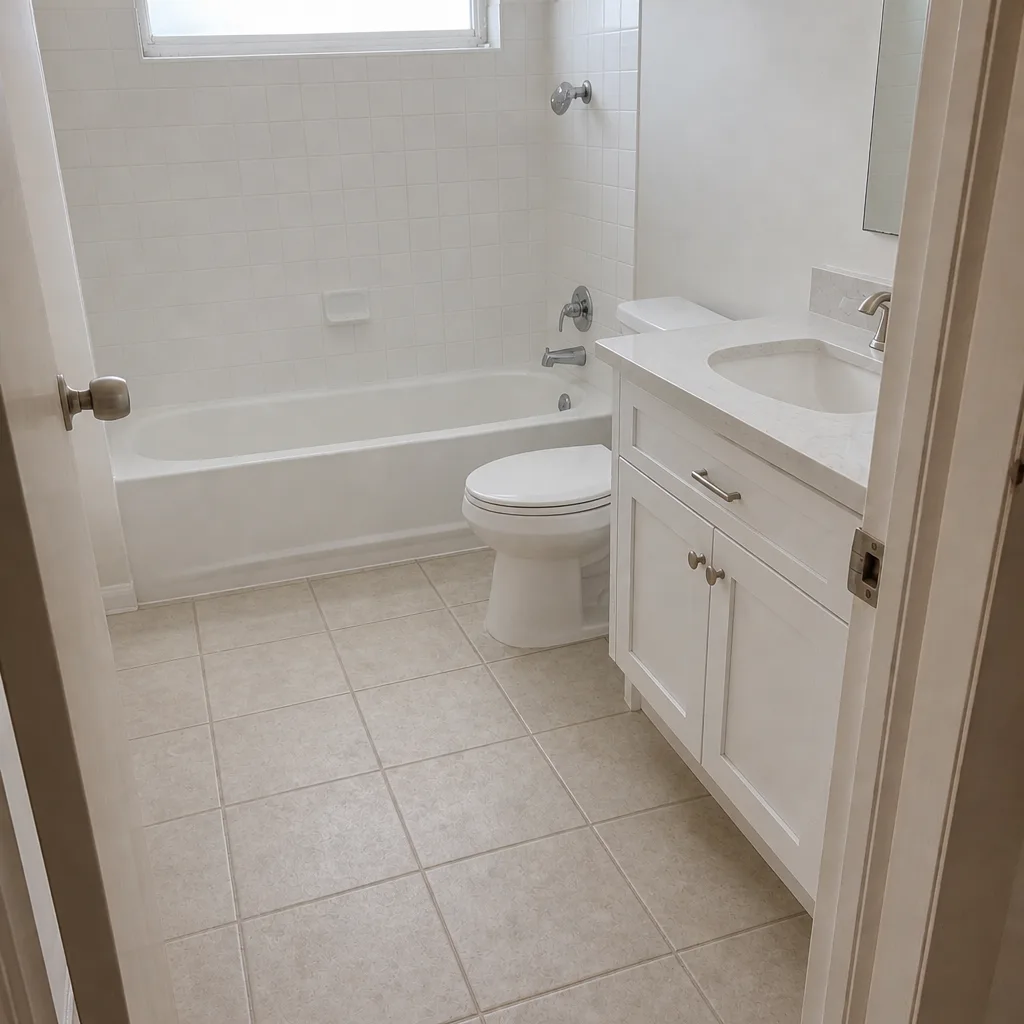
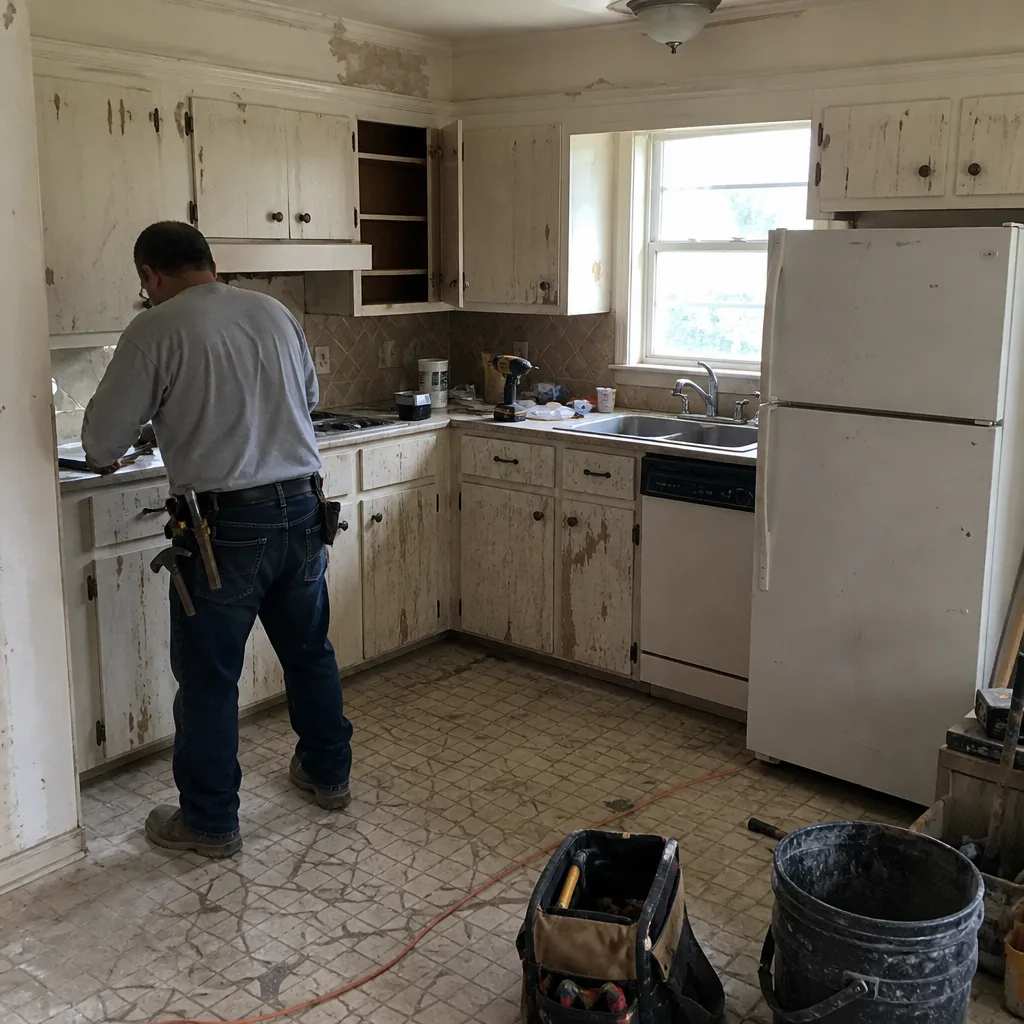
See the difference
 Before
 After
 Before
 After
 Before
 After
The Bottom Line
Your windows and doors hold their warranty, their storm rating, and their looks by staying on a schedule. Non-ammonia cleaners every three to six months. Hardware lubricated twice a year. Weep holes cleared every six months. Silicone seals inspected in spring, fall, and May. Door sweeps and weather-stripping replaced on condition, not just calendar. Salt air in Hialeah accelerates all of it, so the schedule runs slightly tighter than it would elsewhere. Do the work, keep the log, take the photos, and the investment you made in impact glass holds up for the full warranty term and beyond.
For upgrades like Driveway & Pavers in Hialeah plus window and door work that meets Hialeah’s code requirements, we’re ready when you are. Our technicians have up to 19 years of experience, and our crews are background-checked and uniformed. Every visit includes a documented photo record as a standard deliverable.
Contact
Ready to schedule a free estimate or a second opinion on a written quote? Call Rowan Construction Group Hialeah at (888) 836-5914. We answer calls 24/7 with a live person, and under Clause 1 of the Haven Standard you’ll have a flat written price in hand before anyone picks up a tool.
Written by the team at Rowan Construction Group Hialeah.