Last updated November 17, 2026


Free written scope consultation - allowances, timeline, and change-order rules on paper before a single trade is scheduled
DIY vs Professional Windows & Doors: What’s Safe to Do Yourself
Here’s the part most window-and-door guides skip: in Miami-Dade, replacing a window without a permit can cost you the wind mitigation credit that made you want the upgrade in the first place. A homeowner who self-installs a replacement impact window isn’t just risking a fine from the city. They’re installing a product an insurer may treat as unprotected glazing in a loss event, and the discount on their premium can vanish. This guide walks through which Miami-Dade permit codes govern replacement, what a licensed installation includes that a weekend job can’t replicate, and which tasks around a Hialeah home are genuinely safe to handle yourself.
Quick Answer
Replacing a window or door in Miami-Dade is not a DIY job, because virtually every opening replacement requires a permit and a licensed contractor to pass inspection. What you can safely do yourself: weather stripping, interior casing trim, door hardware swaps, and screen replacement. Anything that changes the opening, the glass unit, or the anchoring of the frame to the wall belongs to a licensed contractor with the right NOA paperwork.
Styles & brands we work with
- Kitchen remodeling
- Bathroom remodeling
- Home additions & ADU
- Roofing
- Windows & doors
- Driveway & pavers
- Fence
Table of Contents
- Which Miami-Dade Permits Apply to Window and Door Replacement?
- What Do Permits and Inspections Actually Cost in Miami-Dade?
- What a Licensed Installation Includes That DIY Cannot
- Which Window and Door Tasks Are Actually Safe to DIY?
- How to Verify a Contractor’s License Before You Sign
- What the Written Scope Document Should Contain
- Why Hialeah’s Climate Makes DIY Riskier Than Elsewhere
- Why the Paper Trail Matters at Resale
Which Miami-Dade Permits Apply to Window and Door Replacement?
Miami-Dade County treats window and door replacement as a structural and life-safety item, not a cosmetic one. The relevant framework is the Florida Building Code with Miami-Dade’s High-Velocity Hurricane Zone amendments, which apply to every opening in the county. Under that framework, a replacement that changes the opening size, the product, or the anchoring method requires a building permit. That covers the vast majority of replacements in Hialeah, even ones where the new unit is nominally the same size as the old.
The permits you’ll see on a typical replacement:
- Building permit – window/door replacement: required whenever the product or its anchoring changes. Filed with Miami-Dade County’s Building and Neighborhood Services or the City of Hialeah’s Building Division, depending on jurisdiction within the city.
- Product Approval or NOA: every impact product needs a Florida Product Approval or a Miami-Dade Notice of Acceptance (NOA) covering the exact model, size, and installation method.
- Electrical permit (occasional): when a new door includes a motorized shutters tie-in, an automatic closer, or a wired sensor on an impact door.
- Final inspection: the inspector verifies the anchor pattern, the shim spacing, and that the installed product matches the approved NOA. Passing this inspection is what makes the job “legal” for insurance and resale.
What is generally exempt from a permit in Miami-Dade? Repainting an existing frame, replacing weather stripping, swapping door hardware on the same door slab, and repairing or replacing screens. Those are the tasks we’ll cover in the DIY section below.
What Do Permits and Inspections Actually Cost in Miami-Dade?
Permit fees in Miami-Dade aren’t published as a flat rate – they’re calculated against declared job value with separate line items for plan review and inspections. The ranges below reflect what we typically see filed for Hialeah replacement work and are close enough to budget against, not exact enough to quote.
- Single window replacement (one opening): permit $110-$190; inspection included; total project with product often $1,100-$2,400 depending on size and impact rating.
- Door replacement (single exterior, impact): permit $140-$260; project range $1,800-$4,200 depending on whether it’s a slab, French door, or slider.
- Whole-house window package (10-20 openings): permit typically $400-$900 filed together; project range $9,000-$32,000 based on product tier and count.
- Re-inspection (failed first inspection): $60-$150 per trip, billed to the contractor or the homeowner depending on the contract.
One number worth keeping in mind: a failed inspection pushes the project back one to three weeks in Miami-Dade’s current review cycle. That delay, more than the fee itself, is why shortcuts on the anchor pattern and shim plan cost real money. If you want an honest line-by-line quote for what the permit and product will run in Hialeah, Rowan Construction Group Hialeah puts the number in writing before work starts. Call (888) 836-5914 for a free estimate.
What a Licensed Installation Includes That DIY Cannot
Most DIY window tutorials on the internet were filmed in states where an opening replacement is a half-day cut-and-caulk job. Miami-Dade isn’t that state. Here’s the specific work a licensed impact-window installation involves, and why each step is hard to replicate without the training, the paperwork, and the liability coverage.
- Buck attachment to CBS walls. Most Hialeah homes are concrete block with a stucco exterior. A proper impact window is anchored to a treated wood or metal bucking system set into or against the block, with specific anchor spacing driven by the NOA. Getting the anchor pattern wrong doesn’t show up on day one. It shows up in the first real storm.
- Shim and anchor pattern per NOA. Each product approval document specifies the exact anchor type, spacing, and edge distance. Installing “the way the old window came out” is not compliant if the new product has a different NOA.
- Sealant and flashing integration. Impact installations require specific sealant types (often silicone) at specific joints to meet the water-infiltration test the product passed. Wrong sealant, wrong placement, and the window leaks – even if the glass is rated to 150 mph.
- Inspection signoff. The contractor schedules and passes the county inspection. That inspection record is the audit trail insurers and buyers care about.
- Insurance documentation. Post-installation, the homeowner needs the permit number and the NOA references to submit the wind mitigation form to their carrier. Without that paperwork, the insurer can’t verify the upgrade.
A homeowner can perform steps two through four on paper. What they can’t do is sign the inspection, and that’s exactly the piece insurers want. If you want to see what a documented window scope looks like across a wider Hialeah renovation, our Rowan Construction Group Hialeah home page shows the same written-price discipline we apply across every trade.
Which Window and Door Tasks Are Actually Safe to DIY?
Plenty of window and door work around a Hialeah home is genuinely homeowner territory. These tasks don’t touch the opening or the anchoring, don’t need a permit, and don’t risk the wind mitigation credit.
- Weather stripping replacement. Worn felt or foam strips that let humid air through door edges and sashes are a weekend job. Peel, clean, cut to length, press. Ten minutes per door.
- Interior casing trim. The decorative wood trim inside the room around a window or door can be replaced or repainted without touching the window itself. Match the profile at a Hialeah millwork supplier, use a brad nailer and paintable caulk, and you’re done.
- Door hardware swaps. Handles, knobs, deadbolts, closers on screen doors – all fine to change yourself. Just match the existing backset and bore sizes before you buy.
- Screen replacement in frames. New spline, new mesh, a roller tool. This is the single most cost-effective DIY window task we see in Hialeah, where salt air and sun destroy screens faster than the frame.
- Painting the exterior trim. Sanding and repainting trim around a window or door is safe. Skip the siding or stucco around any opener you’ll later need inspected.
- Weatherproofing a door sweep. Replacing the sweep at the bottom of an exterior door is a screwdriver job.
What’s out of bounds: cutting a new opening, expanding an existing one, replacing a glass unit, rehanging a door slab in a new frame, and anything that changes the anchor attachment of the frame to the wall. Those are permit items, and permit items need a licensed signer.
How to Verify a Contractor’s License Before You Sign
Before any contractor touches a window or door in your Hialeah home, verify their license. It takes five minutes and protects the entire project.
- Ask for the license number in writing. The two you’ll see on window and door contracts are CGC (Certified General Contractor) and CBC (Certified Building Contractor). Both are state-certified and both can pull window and door permits in Miami-Dade. A CRC (residential) license can do some residential work but doesn’t cover every window scope – ask.
- Open the Florida DBPR license search. Go to the Department of Business and Professional Regulation’s license lookup at myfloridalicense.com, choose “Verify a License,” and search by the number or by the company name.
- Check status and discipline history. The record should show “Active” or “Current.” Scroll to the discipline and complaint tab. A working contractor can have an old, resolved item. A pattern of recent unpaid judgments or revoked licenses is a hard stop.
- Confirm the name matches the contract. The license should list the exact legal entity signing your contract. If the salesperson quotes a license and the contract is signed by a different company, that’s the contractor’s problem to fix, not yours.
- Verify insurance separately. Ask the contractor for a current certificate of general liability and workers’ comp, then call the insurance company listed on the certificate to confirm it’s active. A certificate is easy to forge; a phone call to the carrier isn’t.
Our technicians have up to 19 years of experience pulling Miami-Dade permits, and every quote we hand out is a flat written price with a written scope. If you already have a competitor’s window quote in hand and want a second read on it, we’ll review it line by line for free. Call (888) 836-5914.
What the Written Scope Document Should Contain
A window and door scope document isn’t decoration. It’s the difference between a job that passes inspection and a job that gets re-inspected three times while you eat the delay. Here’s what a real scope contains – the same document should exist whether you’re replacing one door or twenty openings.
- Product identification. Manufacturer, model number, and the Florida Product Approval or Miami-Dade NOA number for the exact product and size being installed. Not a family of products – the specific approval.
- Opening schedule. Each opening numbered, measured, and tied to a product and a glass specification. Ten windows are ten line items, not “10 windows, impact.”
- Anchor pattern and fastener schedule. The type, spacing, and edge distance of the anchors, driven by the NOA. This is what the inspector checks first.
- Shim and sealant specification. What shim material, what sealant at what joints, referencing the product approval’s installation method.
- Inspection hold points. At least one rough-in or pre-cover inspection on complex scopes, and the final inspection. The scope should state who schedules it.
- Written warranty. Manufacturer warranty for the product, contractor workmanship warranty for the installation, and any wind mitigation guarantee.
When this document is signed and filed with your permit, it becomes the paper trail. If your insurer asks for the wind mitigation verification, you hand them the NOA references. If a future buyer asks whether the windows were permitted, you hand them the inspection record. That’s why we treat scope documents as a deliverable, not a formality. If you want to see how we handle documented scope across a bigger project, our Home Additions & ADU in Hialeah page shows the same discipline at a larger scale.
Why Hialeah’s Climate Makes DIY Riskier Than Elsewhere
A window installed wrong in Tucson might last five years before anyone notices. A window installed wrong in Hialeah might go eight months before a leaking sealant joint turns into a rotted buck and a soft stucco patch. The combination that pushes DIY risk higher here: salt-laden air from Biscayne Bay and the Atlantic coast, an average of 60-plus inches of rain a year concentrated into a June-through-October wet season, and sustained UV that degrades cheap sealants in two seasons or less.
The specific failure pattern we see on self-installed or handyman-installed work in Hialeah:
- Sealant breakdown at the sill. The sill joint is where water pools. Cheap acrylic caulk under a Hialeah eave line can fail inside eighteen months, and once water gets behind the frame, the wood bucking stays wet.
- Anchor corrosion. Standard steel screws in a coastal home start to rust; NOA-compliant installations specify corrosion-resistant fasteners for exactly this reason.
- Stucco-to-frame separation. A home in Hialeah’s older neighborhoods – Hialeah Heights, Palm Springs, the areas near Miami Springs – often has original stucco that doesn’t take a new frame cleanly. Caulking over a gap without integrating a proper backer is a two-season fix.
- Wind-driven rain infiltration. The impact glass may pass its large-missile test and still leak if the sealant isn’t rated for the same pressure. Impact rating and water infiltration are two separate tests.
None of these failures are dramatic. They’re slow, and they show up as a soft sill or a bubbling paint line three years after the install. That’s the quiet cost of DIY in this climate. If your windows and doors are paired with other exterior upgrades – a driveway replacement, a new fence line – the sequencing matters too. Our Driveway & Pavers in Hialeah page covers the sequencing question, and our Fence Installation in Hialeah page covers how fence footings interact with the same storm-water patterns.
Why the Paper Trail Matters at Resale
We’ve watched more than a few Hialeah sales get bumpy over unpermitted window work. When a buyer’s inspector notes that a window set doesn’t match the permitted record, the first question from the title company is whether there’s an open permit or a missing final. Either answer stalls the closing. The seller ends up retroactively permitting the work (which means the current owner has to open a wall for inspection) or dropping the price to cover the buyer’s risk.
The paper trail that prevents this is short:
- Permit application with the contractor’s license number. Filed before work starts, with the NOA referenced.
- Inspection record showing pass. Both the rough-in (if applicable) and the final.
- Signed scope and written warranty. Tied to the address, signed by both parties.
- Photo record of the installation. Buck attachment, anchor pattern, sealant joints. This is the deliverable that catches things when a future inspection is questioned.
A window set installed with all four of those is a documented asset in a Hialeah resale. The same window installed with none of them is a question at inspection. If you’re thinking about your own resale timeline, keep the file – even a folder of photos and the inspection sign-off PDF is enough to answer almost any buyer question. We include a documented photo record on every visit as standard, not as an upgrade, because that photo record is exactly what a buyer’s inspector wants to see.
Common Mistakes to Avoid
- Self-installing without a permit and hoping nobody notices. Miami-Dade tracks permits by address. The county can require the work removed and re-permitted at the owner’s cost, and in a loss event, the insurer may decline coverage for unpermitted openings.
- Buying an impact window off a big-box shelf and installing it yourself. The product may carry a Florida Product Approval, but the installation method is tied to that approval. Off-the-shelf installs usually violate the anchor pattern the approval requires and fail inspection.
- Reusing old anchors on a new frame. Old anchors were spec’d for the old product’s NOA. The new product has a different anchor schedule, and the inspector will check.
- Skipping the second opinion on a competitor’s quote. Window contracts have a way of showing up with ballooned permit lines and hidden debris removal. We’ll review any written estimate line by line for free, so you know exactly what you’re signing.
- Calling a handyman for a “small” door replacement. A door replacement is still a permitted opening. A handyman can’t pull the permit, can’t sign the inspection, and can’t be there when the county asks.
- Not asking for the license in writing before signing. The number is either on the contract or it isn’t. If a salesperson hesitates, walk away.
- Assuming impact glass alone protects you in a claim. Insurers want the NOA references and the inspection sign-off. The glass rating is one piece of the puzzle; the paperwork is the other half.
See the difference
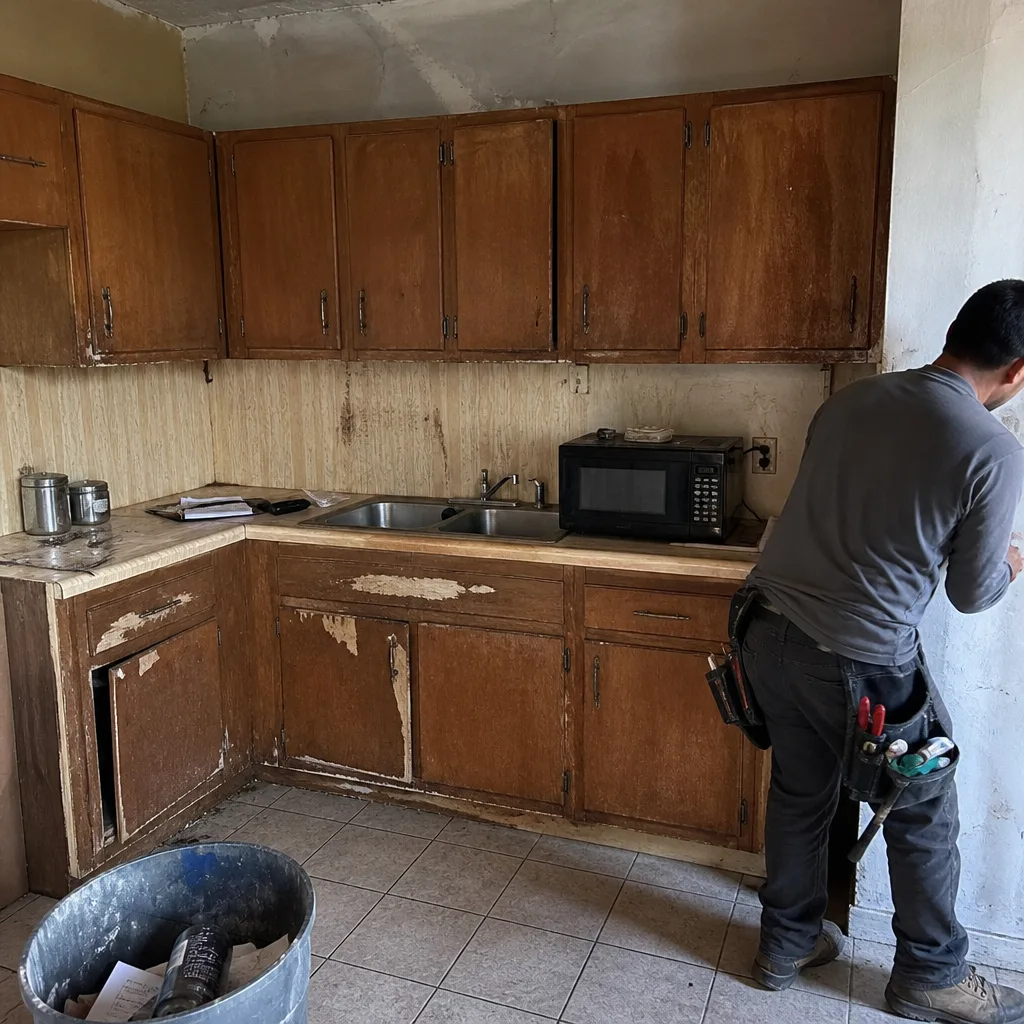 Before
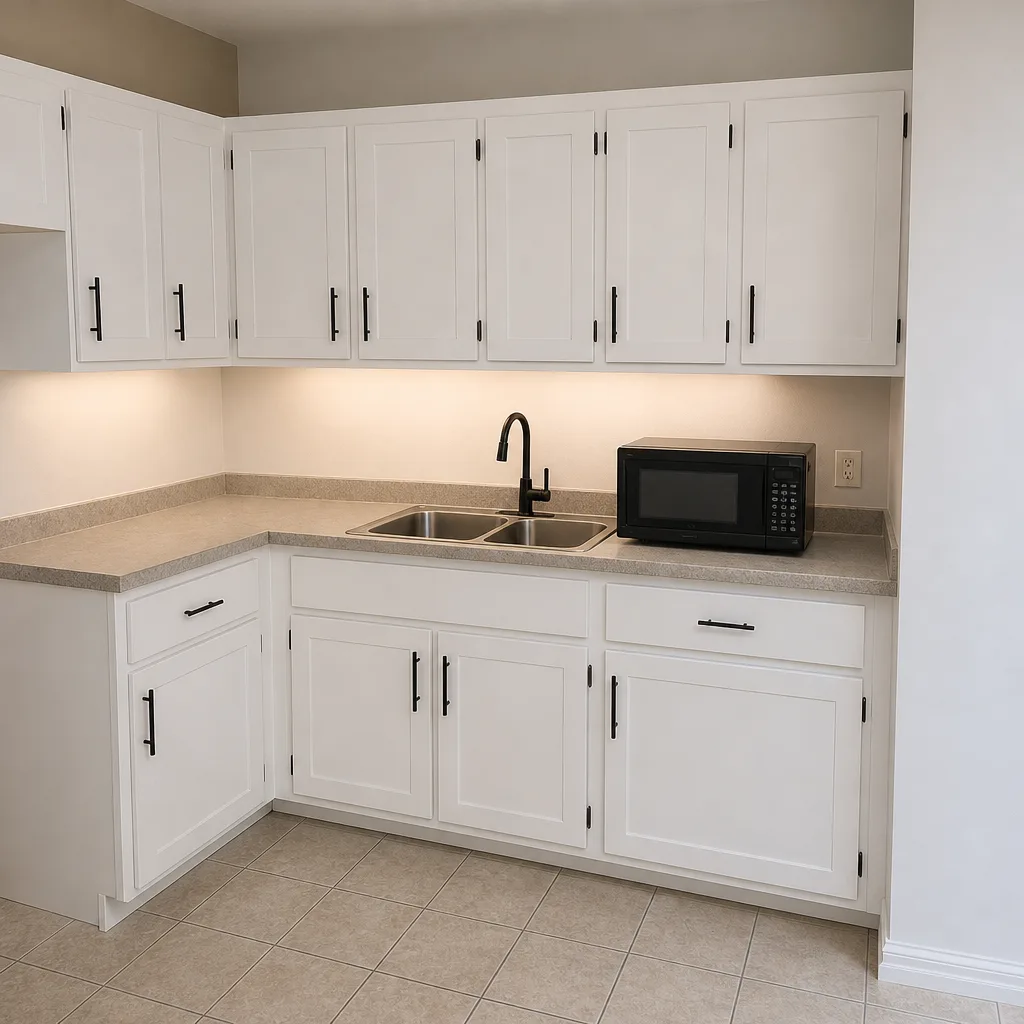 After
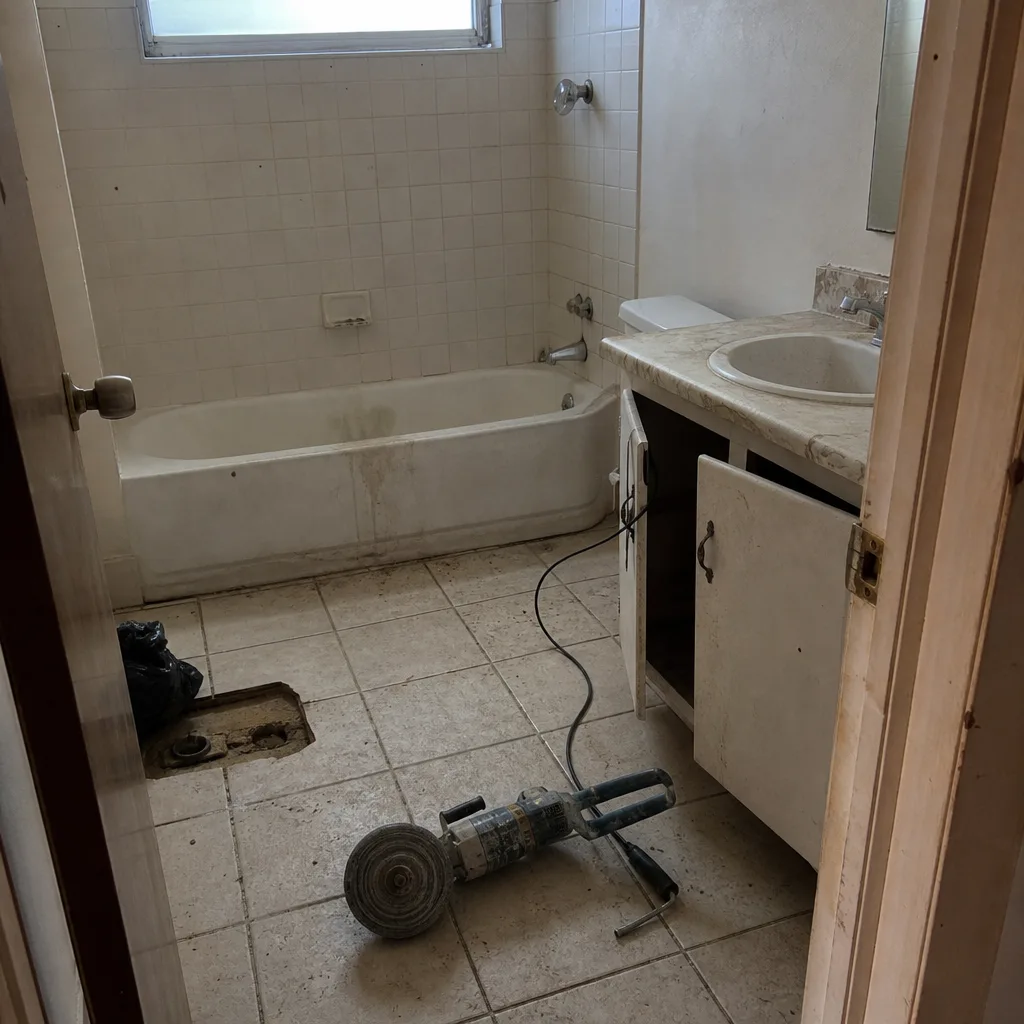 Before
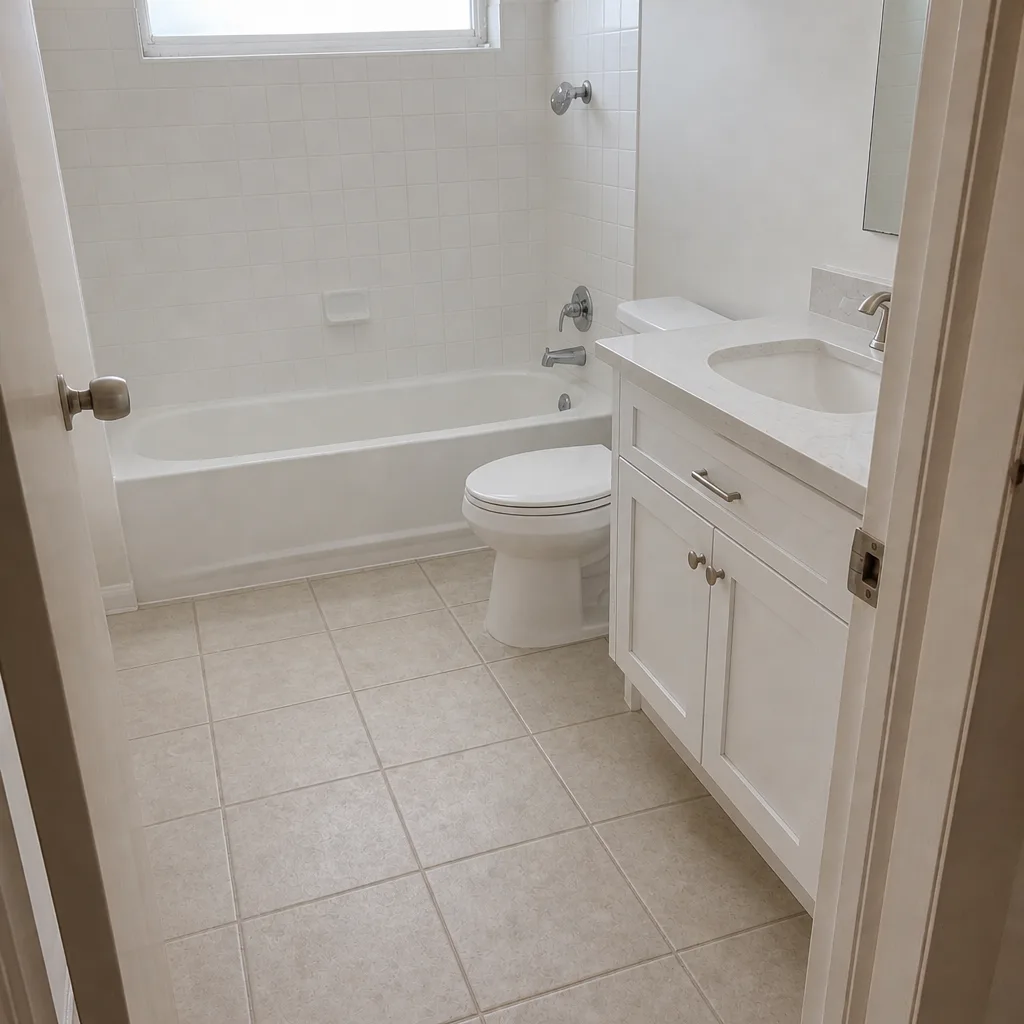 After
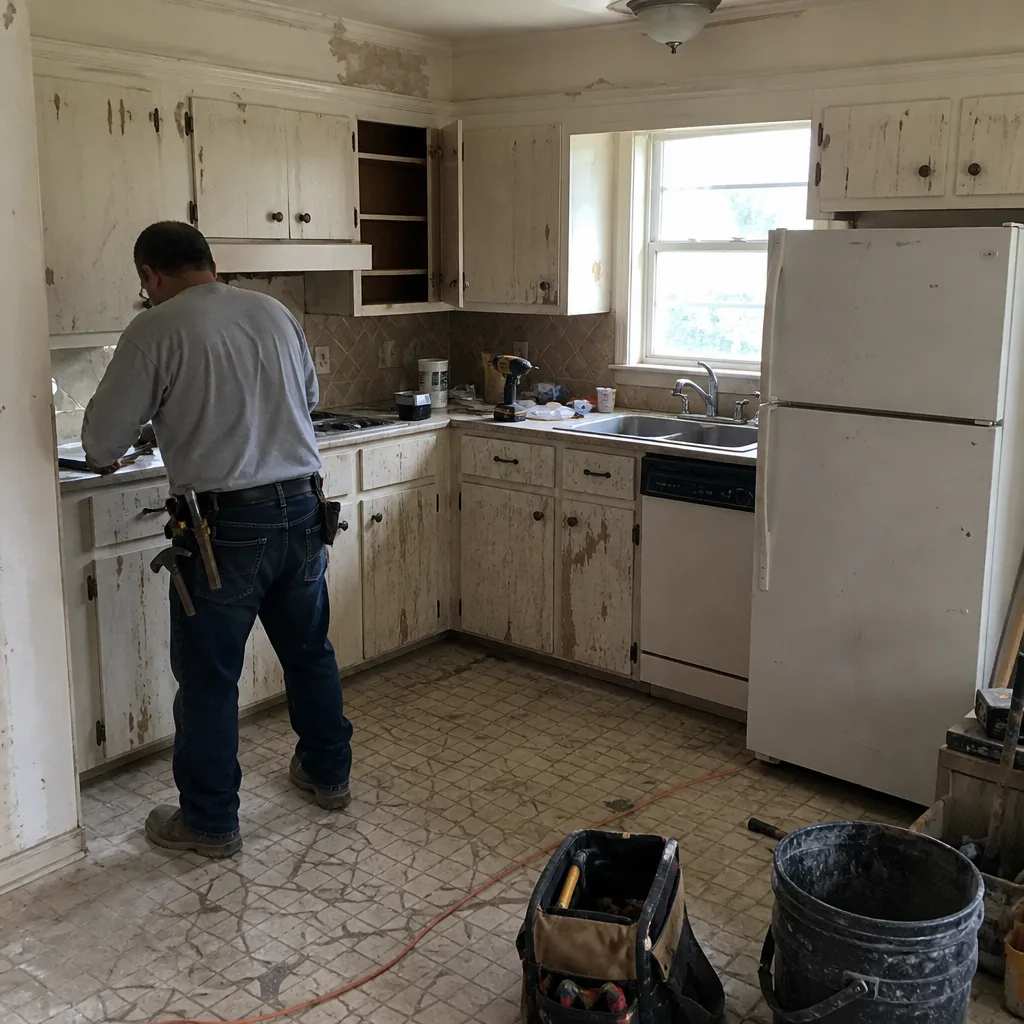 Before
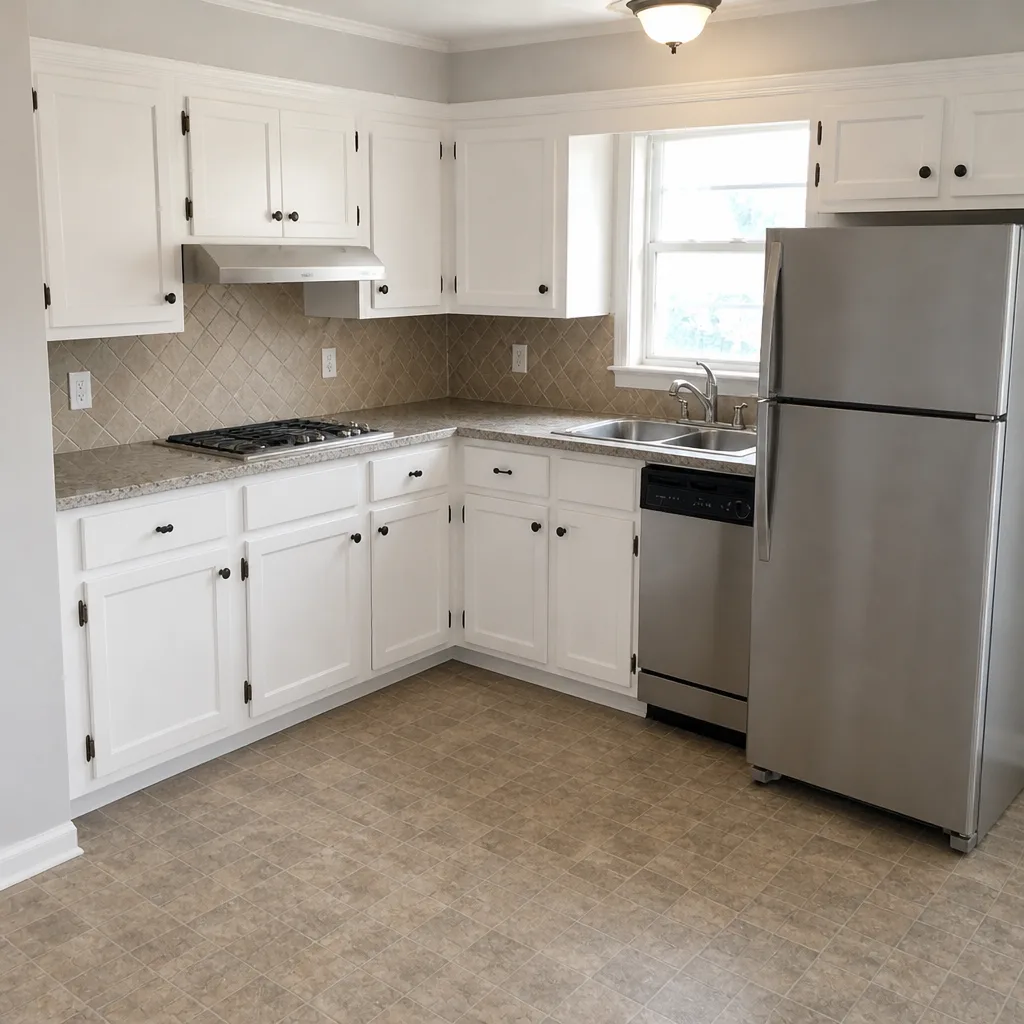 After
When to Call a Professional
Call a professional the moment the project touches the opening itself: full replacement, resizing, new installation, a leaking impact unit, a door that needs rehanging in a new frame, or anything that requires a permit in Miami-Dade. Second, call if you don’t have a written scope or a verified license from your current contractor – those are non-negotiables for a permitted job. Third, call if a prior install started leaking at the sill or the stucco line; water behind a frame can stay hidden for years and needs to be opened up, not caulked over. Rowan Construction Group Hialeah offers free estimates in Hialeah. Call (888) 836-5914 and we’ll put a flat written price and a full scope in front of you before anything is ordered or cut.
Frequently Asked Questions
No, not for a full replacement. Miami-Dade requires a permit for virtually every opening replacement, and a permit requires a licensed contractor to sign and pass inspection. You can safely handle weather stripping, interior trim, hardware swaps, and screen replacement yourself – those don’t touch the opening or require a permit. Call (888) 836-5914 for a written estimate on the permitted portions.
A single-window permit typically runs $110-$190, a single impact door $140-$260, and a whole-house package of 10-20 openings $400-$900 filed together. The bigger cost driver isn’t the fee – it’s the delay from a failed inspection, which pushes the project back one to three weeks. Call (888) 836-5914 for a quote that includes the permit line, in writing.
The county can require the work removed and re-permitted at your cost, and your insurer may treat the window as unprotected glazing in a loss event. That means the wind mitigation credit you were counting on as the reason for the upgrade can disappear. In Hialeah, the risk is rarely a fine – it’s a denied claim and a stalled resale. Call (888) 836-5914 to get the permitting handled properly the first time.
Either works for most residential window and door scopes in Miami-Dade; both are state-certified and both can pull the permit. A CRC (residential) license can cover some work but not every scope, so ask your contractor which they hold. Verify the number on the Florida DBPR site before signing anything. We’ll show our license and insurance before we quote; call (888) 836-5914.
Yes, these are genuinely safe tasks and worth doing yourself. Swapping knobs, deadbolts, and closers, replacing interior casing trim, and re-screening frames don’t change the opening, don’t require a permit, and save real money. Keeping the DIY work to those items and leaving the opening replacement to a licensed contractor is the right split in Hialeah. Call (888) 836-5914 if you want us to handle the opening and leave the trim and hardware to you.
Yes. Every impact product used in Miami-Dade needs a Florida Product Approval or a Miami-Dade Notice of Acceptance (NOA) covering the exact product and installation method. The NOA drives the anchor pattern, the fasteners, and the sealants the installer must use to pass inspection. Our written scope lists the NOA for every opening; call (888) 836-5914 to see what that looks like for your house.
The Bottom Line
In Miami-Dade, “DIY vs professional windows and doors” has an unusually clean answer. Any task that changes the opening, the anchoring, or the glass unit is a permit item, and permit items need a licensed contractor – the legal barrier and the insurance barrier line up on the same side. What’s yours to handle: weather stripping, interior casing trim, door hardware, screen replacement, and exterior trim paint. Handle those confidently, let a licensed crew own the openings, insist on a written scope with the NOA referenced, and verify the CGC or CBC license before signing. The paper trail that comes from that discipline is what protects the wind mitigation credit and the resale value at the same time.
Rowan Construction Group Hialeah puts the price in writing before anyone picks up a tool, ships a full scope document with every window and door quote, and answers the phone with a live person around the clock. If you’re ready to price a replacement properly – or want a free second opinion on a competitor’s estimate – call (888) 836-5914 for a free estimate.
Written by the team at Rowan Construction Group Hialeah.