Last updated November 16, 2026
Free written scope consultation - allowances, timeline, and change-order rules on paper before a single trade is scheduled
DIY vs Professional Home Additions & ADU: What’s Safe to Do Yourself
Most homeowners assume the DIY-or-pro question on an addition comes down to skill. It doesn’t. It comes down to what Florida law lets an unlicensed person do on a permitted project, and that list is shorter than almost anyone expects. Here’s the part that surprises people: under Florida Statute 489.103, a homeowner can act as their own contractor on a primary residence, but the moment an ADU starts collecting rent, that exemption may stop applying, and an owner-built structure that skips inspections can put a standard homeowner’s policy at risk. We’re writing this from Hialeah, where we’ve watched plenty of these projects get complicated for reasons that had nothing to do with carpentry. What follows is a task-by-task breakdown of what’s genuinely safe to take on, what carries legal and financial exposure, and where professional overhead earns its keep.
Quick Answer
You can safely handle demolition, cleanup, finish work like tile and flooring, and some painting on a home addition or ADU in Florida. You cannot legally do electrical, plumbing, or mechanical work yourself even under the owner-builder exemption, and any ADU you intend to rent in Hialeah likely requires a licensed contractor rather than an owner-builder exemption. Structural work, engineering stamps, and permitted inspections belong to licensed professionals.
Styles & brands we work with
- Kitchen remodeling
- Bathroom remodeling
- Home additions & ADU
- Roofing
- Windows & doors
- Driveway & pavers
- Fence
Table of Contents
- What Florida’s Owner-Builder Exemption Actually Allows
- How Renting an ADU Changes Your Eligibility
- A Task-by-Task Breakdown of DIY vs Licensed Work
- What an Owner-Built Structure Does to Your Insurance Policy
- The Resale Disclosure Requirement Nobody Warns You About
- A Realistic Cost Comparison: Where DIY Saves and Where It Doesn’t
- Hialeah-Specific Considerations
- Common Mistakes to Avoid
- When to Call a Professional
- Frequently Asked Questions
What Florida’s Owner-Builder Exemption Actually Allows
Florida Statute 489.103 is the statute most homeowners skim past. The exemption allows a property owner to build or improve a structure on their own property for their own use, without a contractor’s license. That’s the whole of it. The text does not grant you permission to pull permits for electrical, plumbing, or mechanical systems, and it explicitly carves those trades out. You still need licensed subcontractors for all three.
The practical implication matters for Hialeah homeowners because the wording is narrower than people assume. Under the exemption, you can:
- Sign the building permit application as the owner-builder
- Hire licensed subcontractors for the trades that require licensure
- Perform the unlicensed work yourself (demolition, framing labor under supervision, drywall, finish carpentry, painting, tile, flooring)
- Act as your own project manager, coordinating subs and inspections
What the exemption does not allow:
- Doing electrical rough-in, panel work, or ANY wiring yourself, even on your own home
- Running plumbing lines, setting fixtures, or tying into the DWV (drain-waste-vent) system
- Installing HVAC equipment, ductwork, or gas lines (mechanical)
- Performing structural work that requires an engineer’s sealed drawings without that seal in place
- Hiring unlicensed helpers to do work you’re supposed to be performing yourself
There’s also a documentation piece most people miss. The owner-builder exemption requires you to sign a disclosure at permit application acknowledging that you’re assuming the risk normally carried by a licensed contractor. If you sell the home within a year of the certificate of occupancy, that disclosure follows the property. In Hialeah’s resale market, where buyers are already asking hard questions, that disclosure is a negotiating flag.
How Renting an ADU Changes Your Eligibility
Here’s where the DIY math tends to fall apart. The owner-builder exemption is written for “the owner’s own use.” The moment a detached ADU, garage conversion, or in-law suite is rented for income, that framing starts to bend. Florida courts have read “own use” fairly literally, and a structure built specifically to generate rental income may not qualify. When it doesn’t qualify, the exemption evaporates and every unlicensed act becomes a violation of FS 489.127, which carries fines and possible stop-work orders.
The safer path for a Hialeah homeowner planning a rental ADU is a licensed general contractor for the entire project. It’s not just about compliance optics. If a tenant is ever injured by a defect in an owner-built structure, the insurance response and the liability posture are bad in ways that are hard to unwind after the fact. We’ve seen this play out in Hialeah’s rental-heavy corridors where accessory units were added quickly.
The rental question also affects financing. Conventional lenders and many refinance products will not lend against an unpermitted or owner-built ADU used for rental. If you’re planning to tap that equity later, the renovation cost has to be weighed against the eventual appraisal risk.
A Task-by-Task Breakdown of DIY vs Licensed Work
Here’s the honest breakdown of what a competent homeowner can do, what’s gray, and what absolutely requires a license on any permitted addition in Hialeah.
DIY-eligible tasks
- Demolition and debris removal. Tearing out old walls, flooring, cabinets, sheds, or a detached garage is nearly always fine, provided you’ve confirmed there’s no asbestos or lead in pre-1990 structures and you’re not touching load-bearing elements without engineering review. Rent a dumpster, wear respiratory protection, and don’t cut utility lines.
- Finish carpentry, trim, and interior painting. Baseboards, door casing, shelving, and paint are pure labor with no permit implication.
- Tile and flooring. Setting ceramic or porcelain tile on a properly prepared substrate is a legitimate DIY skill. The failure point is the substrate, not the tile. A waterproofing membrane like Schluter’s Kerdi system under a bathroom floor requires correct install, and if it’s wrong, the repair cost exceeds anything you saved.
- Landscaping and hardscape finishing. Grading, sod, and prep work on the surrounding site. Actual paver installation on a slope or near a foundation is worth hiring; see our Driveway & Pavers in Hialeah page for what proper base compaction involves.
- Fence installation (with caveats). Post-hole digging and rail assembly is within reach for many homeowners. Panel systems and certain materials benefit from a pro; if you’re on a shared lot line or facing an HOA, the Fence Installation in Hialeah page covers the surveying and permit nuance.
Gray-area tasks
- Framing and framing inspection prep. You can perform framing labor under a licensed contractor who holds the permit, but you cannot be the sole framer on a project that requires a licensed general contractor for the shell. The inspection itself has to be ready for a county inspector who will look at nailing schedules, hold-downs, and hurricane straps. If the framing isn’t to spec, the inspection fails and the schedule stalls.
- Drywall hang and finish. Permitted project work is fine to perform yourself, but the finished wall hides electrical and plumbing runs that need to be inspected before the drywall goes up. Sequence carefully.
- Cabinet installation. Hanging cabinets is a skill, but cabinet boxes from KraftMaid or Wellborn ship with manufacturer specs that need to be followed. Not a permit issue, just a spec issue.
Licensed-required tasks
- Electrical rough-in, panel upgrades, final trim connections. Licensed electrician only. No exceptions, no favors from friends.
- Plumbing rough-in, drain-waste-vent, fixture setting. Licensed plumber, and this is where someone sets a Toto or Grohe fixture themselves. The fixture is fine; the supply line and drain behind it is not DIY in Florida.
- HVAC installation, ductwork, gas lines. Licensed mechanical contractor.
- Structural work and engineering stamps. Any addition with a new footprint, a wall removal, or a connection to the existing structure needs a structural engineer’s sealed drawings. That stamp is not something a homeowner can produce.
What an Owner-Built Structure Does to Your Insurance Policy
Most Florida homeowners carry a standard HO-3 policy. The HO-3 is written for owner-occupied residential property, and its coverage of additions is conditional. Insurers underwrite based on documented, inspected construction. An addition or ADU that was owner-built without a full permitting and inspection record is a policy exposure that most carriers will not knowingly retain.
What that means in practice: if you disclose the owner-built status on your policy application or at renewal, expect either a declination, a policy endorsement excluding the addition from coverage, or a non-renewal. If you don’t disclose it and a claim arises from the structure, you’re in a much uglier conversation about misrepresentation.
If you want insurer acknowledgment of a new addition or ADU in Hialeah, you should expect to provide:
- The permit number and all inspection records (foundation, framing, rough-in electrical and plumbing, final)
- The certificate of occupancy
- Sealed architectural and structural drawings
- A contractor’s certification or signed contract you can produce on request
- Photographic documentation of construction phases (this is where a contractor’s documented photo record earns its keep)
If you’re planning to finance the ADU or refinance the property after it’s built, the lender will ask for the same package. An owner-built structure that skipped inspections will stall that refinance for a year or more while remediation is sorted out. For homeowners considering an addition in Hialeah, see our Home Additions & ADU in Hialeah page for how a fully documented project is structured.
The Resale Disclosure Requirement Nobody Warns You About
Florida requires sellers to disclose known defects that materially affect property value. Unpermitted work and un-inspected construction both qualify. If you sell a Hialeah home with a self-built addition that lacks proper permits and inspections, you’re legally obligated to disclose it, and a buyer’s inspector will likely find it anyway.
The financial consequences are specific:
- Appraisers discount or refuse to include unpermitted square footage in the appraisal, which drops the valuation and affects mortgage approvals
- Buyers who finance with a conventional loan will see the property flagged and may need lenders’ exception approval to close
- Disclosing an owner-built addition typically forces a price reduction in Hialeah’s resale climate, or a remediation obligation before closing
- If a buyer discovers the defect after closing having not been told, they can pursue claims under Florida’s disclosure statutes
The cheapest fix in this scenario is always retroactive. Getting a permit after the fact, opening walls to demonstrate code compliance, and passing inspections after construction is significantly more expensive than pulling the permit at the start. We’ve walked Hialeah homeowners through the retroactive process and the numbers are unforgiving.
A Realistic Cost Comparison: Where DIY Saves and Where It Doesn’t
This isn’t a piece designed to talk you out of DIY. There are real dollars to save. But the savings line up in specific places and evaporate in others.
- Demolition labor: $2,000 – $6,000 for a typical detached garage or interior demo in Hialeah. DIY labor cost: dumpster ($400 – $800) plus your time. Real savings here.
- Tile and flooring installation: $6 – $14 per square foot for labor. On a 400 sq ft ADU, that’s $2,400 – $5,600 in labor. DIY-eligible if the substrate is right.
- Interior painting: $2,500 – $5,500 labor on a 600 sq ft addition. Straightforward DIY, but schedule it at the end so you’re not repainting over sub work.
- Structural engineering stamp: $1,800 – $4,500. No DIY path. It’s a legal requirement and an insurer’s evidence of sound construction.
- Electrical rough and final (typically subbed): $4,500 – $9,000 for a full ADU. Licensed-required; not negotiable.
- Plumbing rough and fixtures: $5,000 – $11,000. Licensed-required; the fixture cost (Grohe, Toto, Sterling) is separate and DIY-selectable, but install isn’t.
- General contractor overhead: 12 – 22% of the hard cost. This is what pays for permits, inspections, schedule, subs management, written change orders, and the liability coverage that backs a warranty.
- Owner-builder construction insurance: builder’s risk policies for owner-builders in Florida typically run $2,500 – $6,000 for a project of this size, and you’ll be buying it
Where the GC overhead earns its keep: engineering and inspections, subs scheduling, liability insurance, warranty, and the documentation that makes your insurer, lender, and eventual buyer comfortable. Where it doesn’t earn its keep: markup on finish labor a careful homeowner can supply. Kitchen and bathroom finish items, cabinet brands like KraftMaid or Wellborn, and fixtures you’ve picked yourself don’t carry the same justification for markup.
For broader context on how a fully permitted, professionally managed project gets structured in Hialeah, see the Rowan Construction Group Hialeah home page.
Hialeah-Specific Considerations
Hialeah’s building environment has some particular features worth knowing before you decide DIY vs. professional.
Hurricane code. Miami-Dade and Broward County jointly enforce the High-Velocity Hurricane Zone provisions of the Florida Building Code, and Hialeah sits inside it. That means impact-rated windows, specific nailing patterns on roof sheathing, continuous load path strapping on framing, and hold-down hardware that has to be inspected. Homeowners doing their own framing labor will find that the inspection schedule is unforgiving for anything not to spec. The material costs are higher too; impact glazing alone can run 40-60% above standard windows.
Flood zones. Large parts of Hialeah sit in FEMA flood zones AE or X-shaded, and any addition to an existing structure may trigger elevation certificate review and base flood elevation compliance. A DIY owner-builder will spend weeks sorting this out; a contractor who’s done it in Hialeah dozens of times knows the sequence and the documentation an elevation certificate requires.
Soil and slab. Hialeah’s limestone-adjacent soils drain but don’t always bear uniformly. Foundation design for an ADU shouldn’t be improvised. Get the soil looked at and the foundation drawn by someone who understands local conditions.
Permitting workflow. City of Hialeah’s building department has specific submittal expectations: sealed plans, energy calcs (Manual J for HVAC), and neighborhood compatibility review in some zoning districts. Homeowners taking this on as owner-builders can lose weeks to resubmittals. If you’re planning to build in Hialeah, factor in the permitting calendar before you schedule any subcontractor.
See the difference
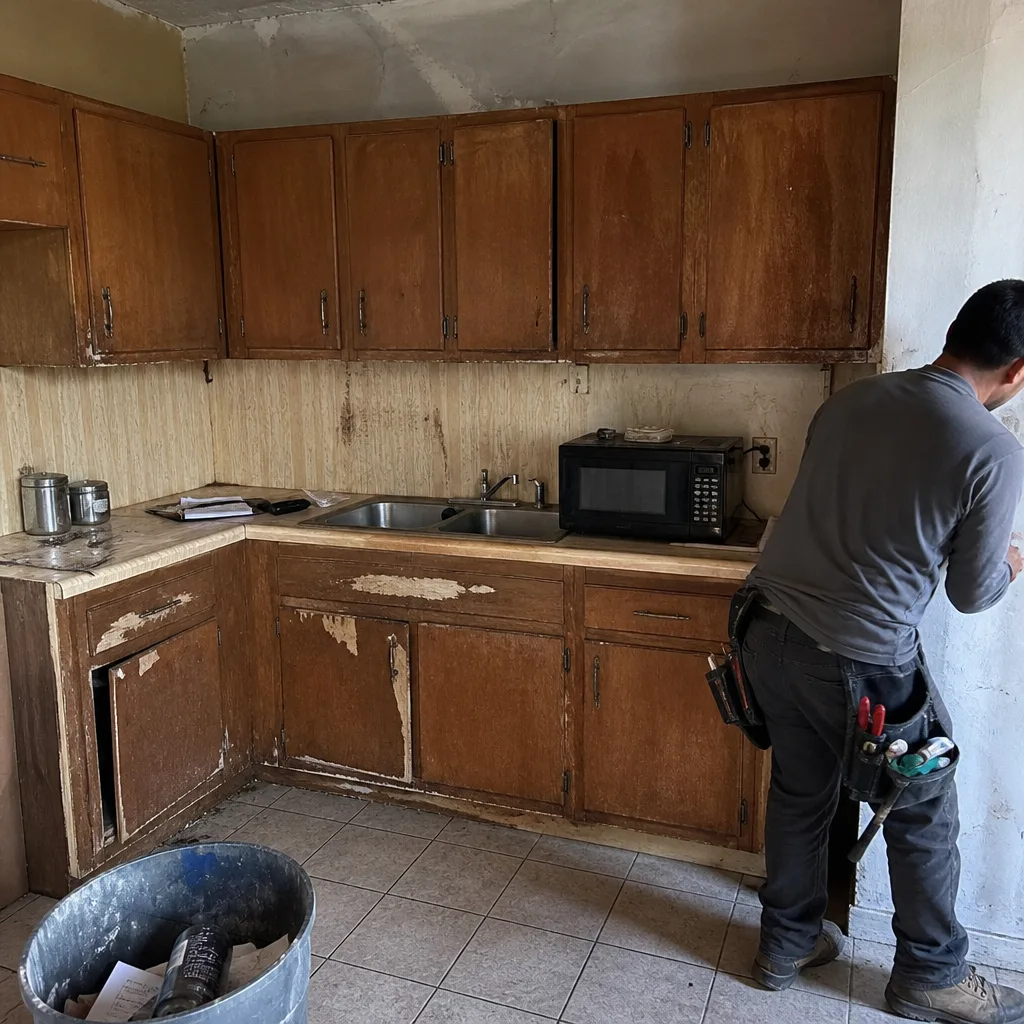 Before
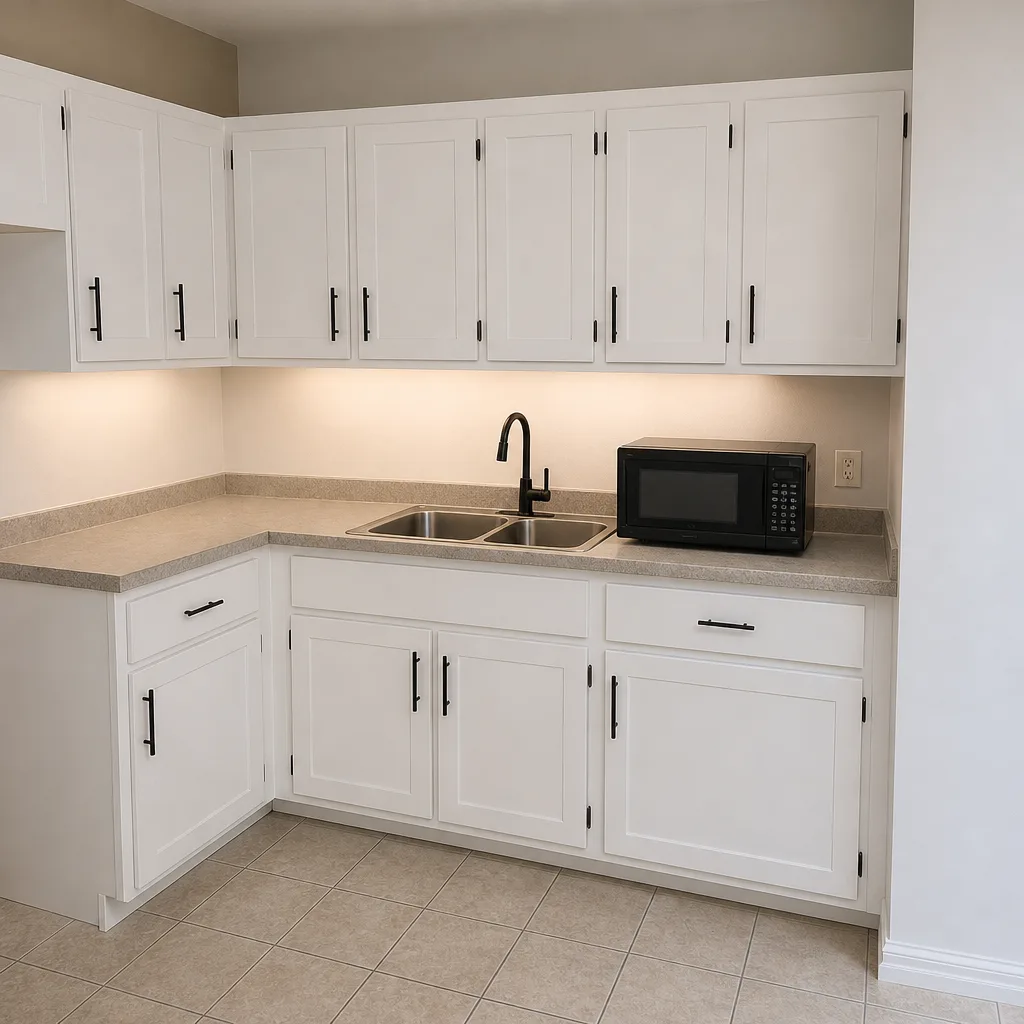 After
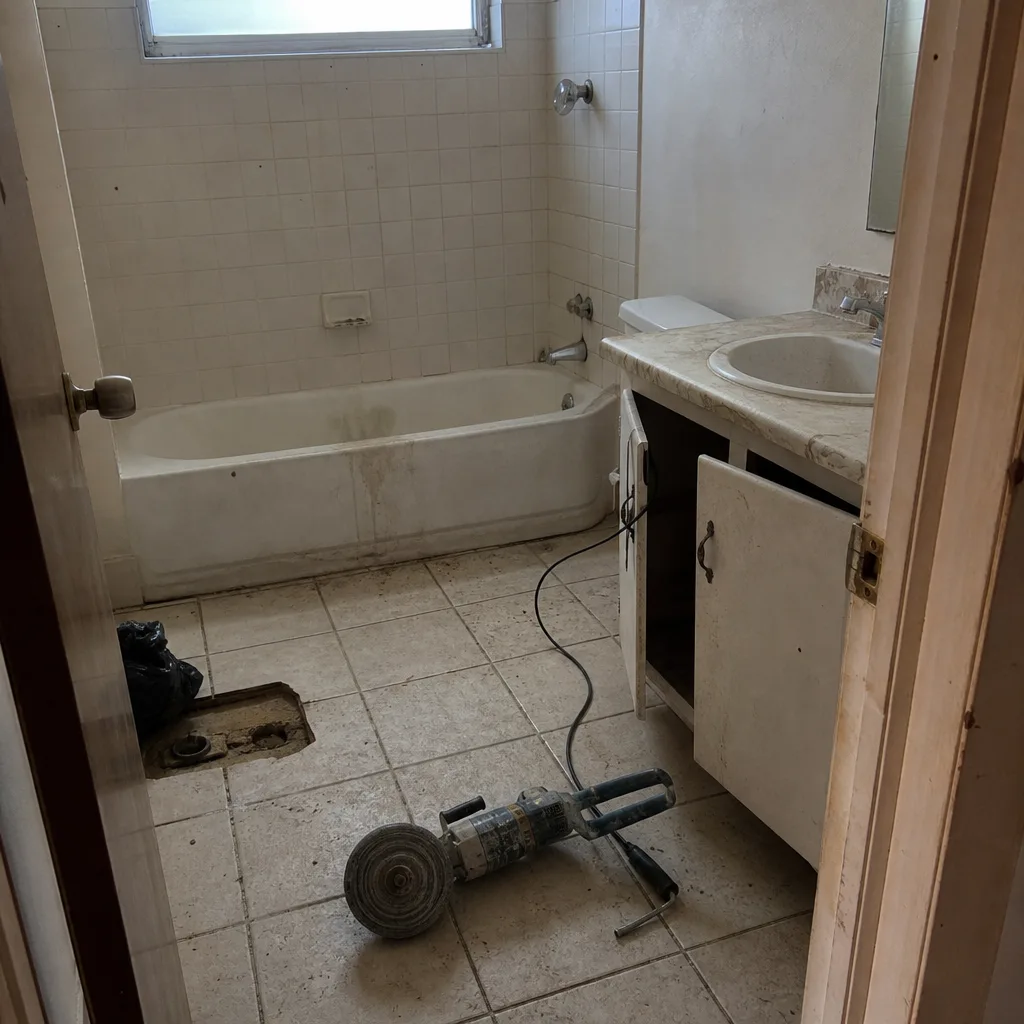 Before
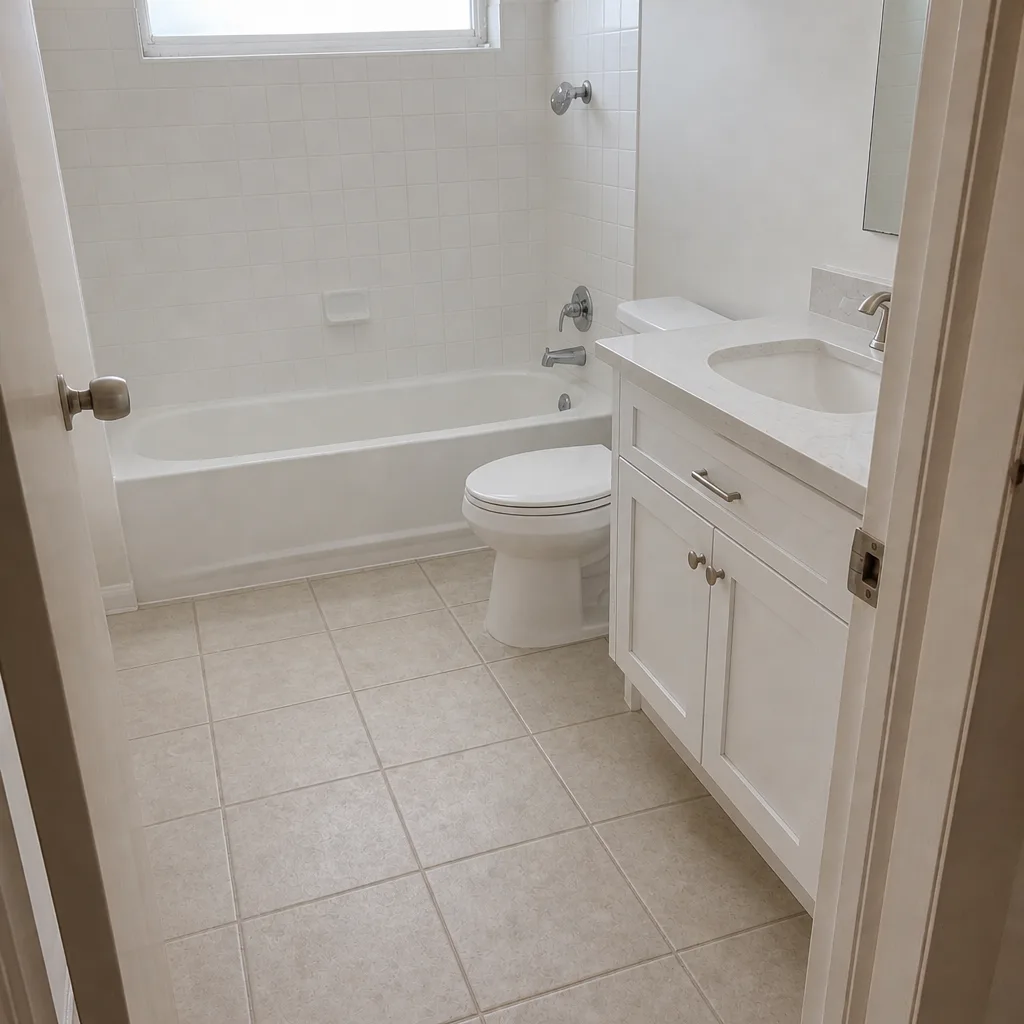 After
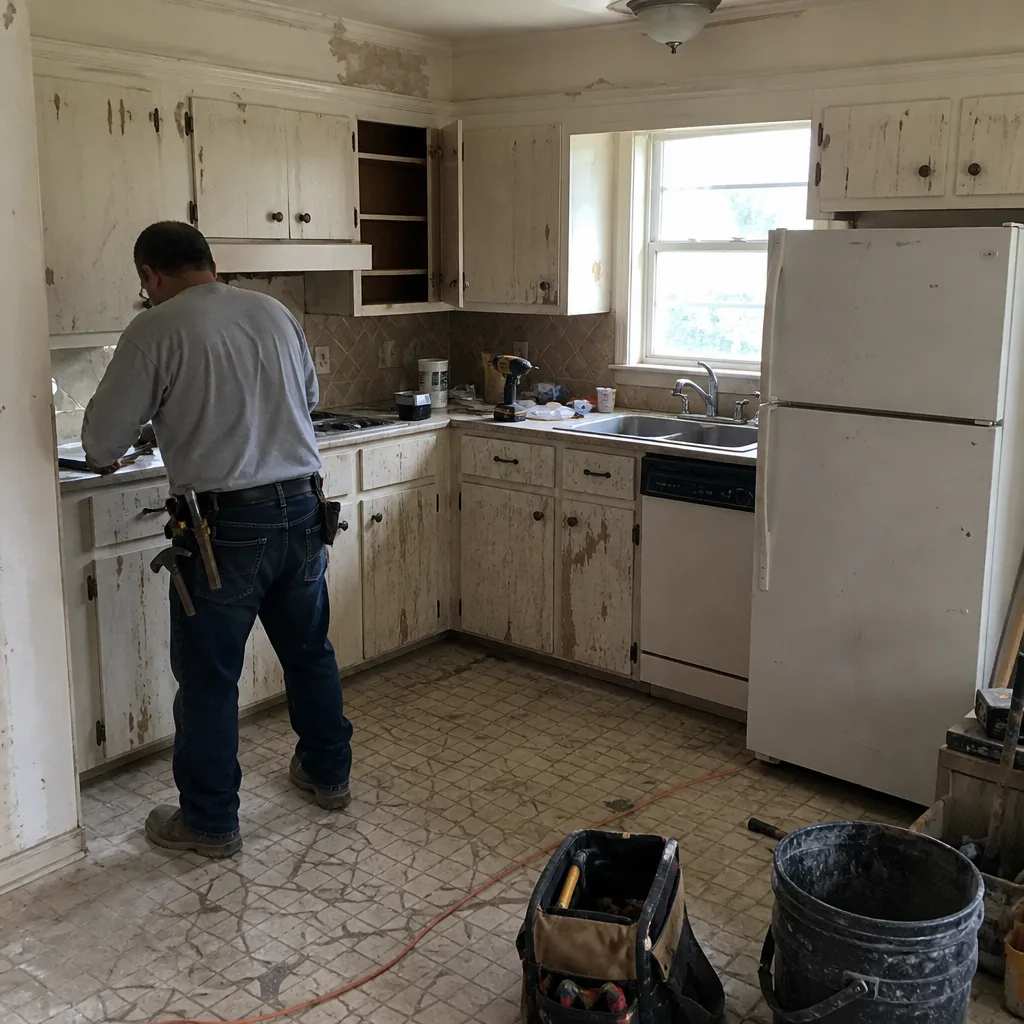 Before
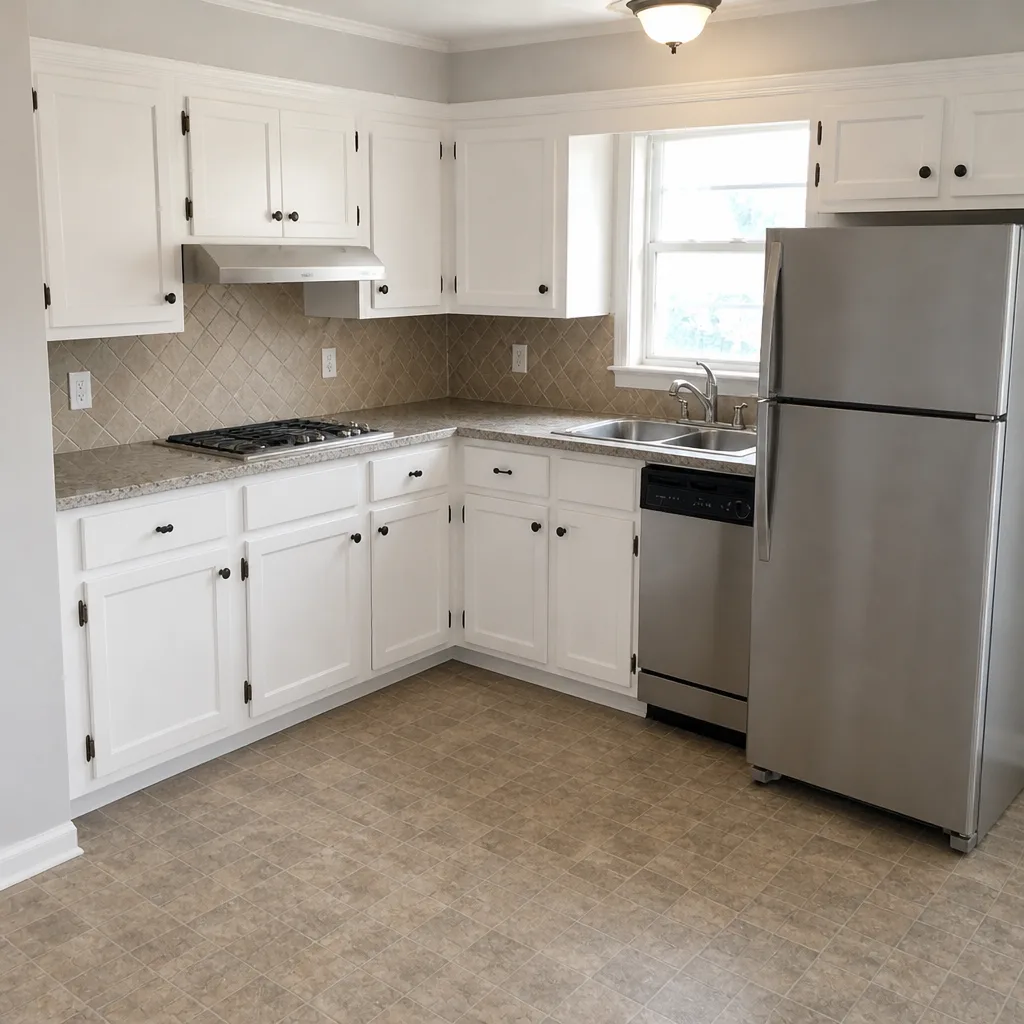 After
Common Mistakes to Avoid
- Assuming the owner-builder exemption covers everything. FS 489.103 explicitly excludes electrical, plumbing, and mechanical. Homeowners who miss this trigger fines and stop-work orders, and any work done by an unlicensed person is typically required to be torn out and redone.
- Building an ADU to rent without checking eligibility. The exemption is written for “own use.” A rental ADU may disqualify you from the exemption entirely. Get this reviewed before you pull a permit, not after.
- Skipping the structural engineer to save the stamp fee. The $2,000 – $4,000 you save on stamped drawings will not cover the remediation, insurer refusal, or appraisal loss if the structure has a defect or is unpermitted at resale.
- Not documenting construction phases. Insurers, lenders, and appraisers all want photographic records of framing, rough-in, and finished conditions. A contractor’s documented photo record is a standard deliverable for exactly this reason; DIY owners should build the same habit. Hialeah’s underwriting in flood zones is especially documentation-hungry.
- Hiring unlicensed “helpers” on the owner-builder permit. The exemption covers you working on your own property. It does not license the friends and cousins you bring in to help. Every person touching electrical, plumbing, or mechanical lines on a permitted job in Hialeah has to hold the license.
- Ignoring the resale disclosure math. Owners often plan an ADU as an equity-building move without pricing in the appraisal discount that comes with unpermitted square footage, or the buyer’s demand to remediate before closing.
- Underestimating Hialeah’s hurricane-zone requirements. Material costs, inspection requirements, and window specifications are all higher here than in the rest of Florida. A budget based on national averages will land 25 – 35% low.
When to Call a Professional
Call a licensed contractor when the project includes any of the following: a new structural footprint (any full addition or detached ADU), a wall removal that impacts load path, any rental-intent ADU in Hialeah, anything that requires an elevation certificate under flood zone rules, or any project where the total budget crosses a threshold that would make a resale disclosure painful. A good contractor doesn’t just produce the work; they produce the documentation trail your insurer, lender, and eventual buyer will ask for. Rowan Construction Group Hialeah offers free estimates in Hialeah. Every quote is a written flat price with a written scope and a written warranty before any work begins, so you can compare it against your DIY plan with actual numbers on the table. Call (888) 836-5914.
Frequently Asked Questions
Possibly, but the margins are narrow. Florida Statute 489.103 allows a homeowner to act as owner-builder on their own primary residence, which means you can pull the permit yourself and perform unlicensed labor like demolition, framing, drywall, and finish work. You still must hire licensed electricians, plumbers, and mechanical contractors for those trades. If the ADU is intended for rental income, the exemption may not apply and a licensed general contractor is the safer route. Get a written opinion before you start.
Realistically, a homeowner who takes on demolition, tile, flooring, interior painting, and non-structural finish work can save 15 – 25% of the hard cost of an addition over a fully managed project. On a $120,000 addition, that’s $18,000 – $30,000 in labor avoidance. The savings shrink fast if inspections fail, if you have to buy owner-builder insurance, or if the project triggers a remediation issue at resale. Call (888) 836-5914 for a written line-item comparison; the conversation is free and it’s specific.
It doesn’t automatically void the policy, but it typically triggers a coverage endorsement, declination, or non-renewal when disclosed. Insurers underwrite additions on documented, inspected construction. An unpermitted or un-inspected owner-built addition is often excluded from coverage entirely, and non-disclosure at renewal creates a separate issue. The cleanest fix is to build with permits, inspections, and a documentation trail a carrier will accept.
Florida requires sellers to disclose known material defects, including unpermitted construction. At resale, appraisers discount or exclude unpermitted square footage, buyers’ lenders often flag the property, and the disclosed defect typically forces either a price reduction or a remediation obligation before closing. The cheapest fix is always to permit and build properly the first time; retroactive permitting in Hialeah is significantly more expensive than doing it correctly from day one.
Yes, for any structural addition. Florida’s High-Velocity Hurricane Zone provisions, which apply in Hialeah, require sealed structural drawings and specific load-path detailing that only a licensed structural engineer can produce. A homeowner can’t self-certify. The stamp cost is $1,800 – $4,500 depending on scope and complexity, and it’s non-negotiable on any permitted new footprint.
A realistic timeline for a permitted ADU in Hialeah is 7 – 11 months from permit application to certificate of occupancy, depending on scope and plan review back-and-forth. DIY owner-builders typically add 4 – 10 weeks to that timeline because of resubmittals and inspection scheduling. A licensed contractor who has done the workflow in Hialeah dozens of times usually runs tighter. The schedule matters both for insurer documentation and for your financing windows.
The Bottom Line
DIY on a Hialeah addition or ADU is workable in specific places: demolition, finish work, tile, and interior painting. It’s not workable for any electrical, plumbing, or mechanical system under Florida law, it’s riskier than most people realize for structural work, and it’s often disqualified entirely for rental ADUs. The financial consequences of getting the licensing question wrong show up at insurance renewal, at refinance, and at resale, and every one of them is more expensive than the permit and the professional help you avoided. If you’re planning an addition in Hialeah, get a written price for both paths before you commit, and let the numbers decide.
To compare a professional quote against your DIY plan, call Rowan Construction Group Hialeah at (888) 836-5914 for a free estimate. Every quote comes with a written flat price, a written scope, a written warranty, and the Free Second Opinion offer on any competing estimate you bring in. Our technicians have up to 19 years of experience, and every visit includes a documented photo record as standard.
Written by the team at Rowan Construction Group Hialeah.