Last updated November 16, 2026
Free written scope consultation - allowances, timeline, and change-order rules on paper before a single trade is scheduled
Construction Permits, Codes & Inspections in FL: What You Need to Know
Unpermitted work in Miami-Dade doesn’t just risk a fine. It creates a title encumbrance that can surface as an open permit, a failed final inspection, or an active stop-work order when the property sells, sometimes a decade after the crew packed up. The seller pays to make it right, and remediation on concealed work costs far more than doing it right the first time. This guide explains where the Florida Building Code, Miami-Dade County amendments, and the High-Velocity Hurricane Zone provisions actually apply, which projects need a full permit versus a trade permit, how the Notice of Acceptance system works for windows and roofing, and how Hialeah homeowners can check permit history before buying or building.
Quick Answer
Construction in Florida is governed by three stacked tiers of code: the statewide Florida Building Code, Miami-Dade County amendments on top of it, and High-Velocity Hurricane Zone provisions for wind-borne debris and structural uplift. When the tiers conflict, the strictest requirement controls, which is almost always the HVHZ. Hialeah projects sit inside Miami-Dade’s jurisdiction, so a window, roof, or addition permitted in Broward County can require additional documentation, product approvals, or engineering in Hialeah before it passes inspection.
Styles & brands we work with
- Kitchen remodeling
- Bathroom remodeling
- Home additions & ADU
- Roofing
- Windows & doors
- Driveway & pavers
- Fence
Table of Contents
- The Three-Tier Code Structure That Governs a Hialeah Project
- Which Projects Need a Permit, Which Need a Trade Permit, and Which Are Exempt
- How Notice of Acceptance (NOA) Works for Windows, Doors, and Roofing
- The Inspection Sequence for an Addition or Remodel
- What Triggers a Failed Inspection and Restarts the Clock
- How to Look Up Open Permits Before You Buy or Build
- Hialeah-Specific Requirements and Overlay Considerations
- Closing Out a Permit: Final Inspection and Certificate of Occupancy
The Three-Tier Code Structure That Governs a Hialeah Project
Most homeowners assume “the Florida Building Code” is a single document. It isn’t. What actually governs your kitchen remodel or roof replacement in Hialeah is a stack of three authorities, and knowing which one wins on any given line item is the difference between passing inspection and tearing out finished work.
Tier 1: the Florida Building Code (state). Adopted statewide and updated on a three-year cycle, this is the baseline. It covers structural, mechanical, plumbing, and electrical requirements, and it’s what most contractors reference casually when they say “code.”
Tier 2: Miami-Dade County amendments. Counties and municipalities can adopt stricter local amendments, and Miami-Dade has a long history of doing exactly that. Amendments here address things the statewide code doesn’t fully resolve: soil conditions, termite protection standards for wood in contact with grade, and drainage requirements shaped by the county’s flat, low-lying terrain. A plan set that clears Broward’s review can draw corrections in Miami-Dade for product specification alone.
Tier 3: High-Velocity Hurricane Zone (HVHZ) provisions. The HVHZ is the strictest wind-load regime in the country, and Miami-Dade and Broward sit entirely inside it. HVHZ rules govern opening protection (windows, doors, shutters), roof-to-wall connections, roof covering attachment, and product testing. A shingle that carries a statewide product approval may be perfectly legal in Orlando and fail an HVHZ inspection in Hialeah for lack of a Miami-Dade NOA.
When they conflict, the strictest tier controls. This is the single most useful rule to remember. The statewide code is the floor, not the ceiling. If the Florida Building Code allows something that the HVHZ prohibits, the HVHZ wins in Hialeah every time.
Which Projects Need a Permit, Which Need a Trade Permit, and Which Are Exempt
Florida Statute 553.79 is the root statute for when a building permit is required. Miami-Dade administers it locally, and the practical breakdown for a Hialeah homeowner looks like this:
- Full building permit: Additions, ADUs, structural alterations, new roof framing, any change to the building envelope, and anything that adds or relocates plumbing fixtures, gas lines, or electrical circuits beyond a one-for-one replacement. Full permits require stamped plans for anything above a certain scope, and Miami-Dade’s plan review is the gate.
- Trade permit: Work in one discipline that doesn’t touch the structure or envelope. A water heater swap-in-place, an electrical panel change of like kind and capacity, a plumbing re-pipe, or a re-roof over an existing deck with an approved product. Trade permits are cheaper and faster, but they still require inspection.
- Exempt under F.S. 553.79: Minor cosmetic work, painting, floor coverings, replacement of cabinetry without moving utilities, and one-for-one window or door replacements of the same size and specification in some cases. The window exemption is narrower than people think in the HVHZ. Contractors who quote a window job in Hialeah without confirming NOA status against the existing opening are quoting a job that may not pass inspection.
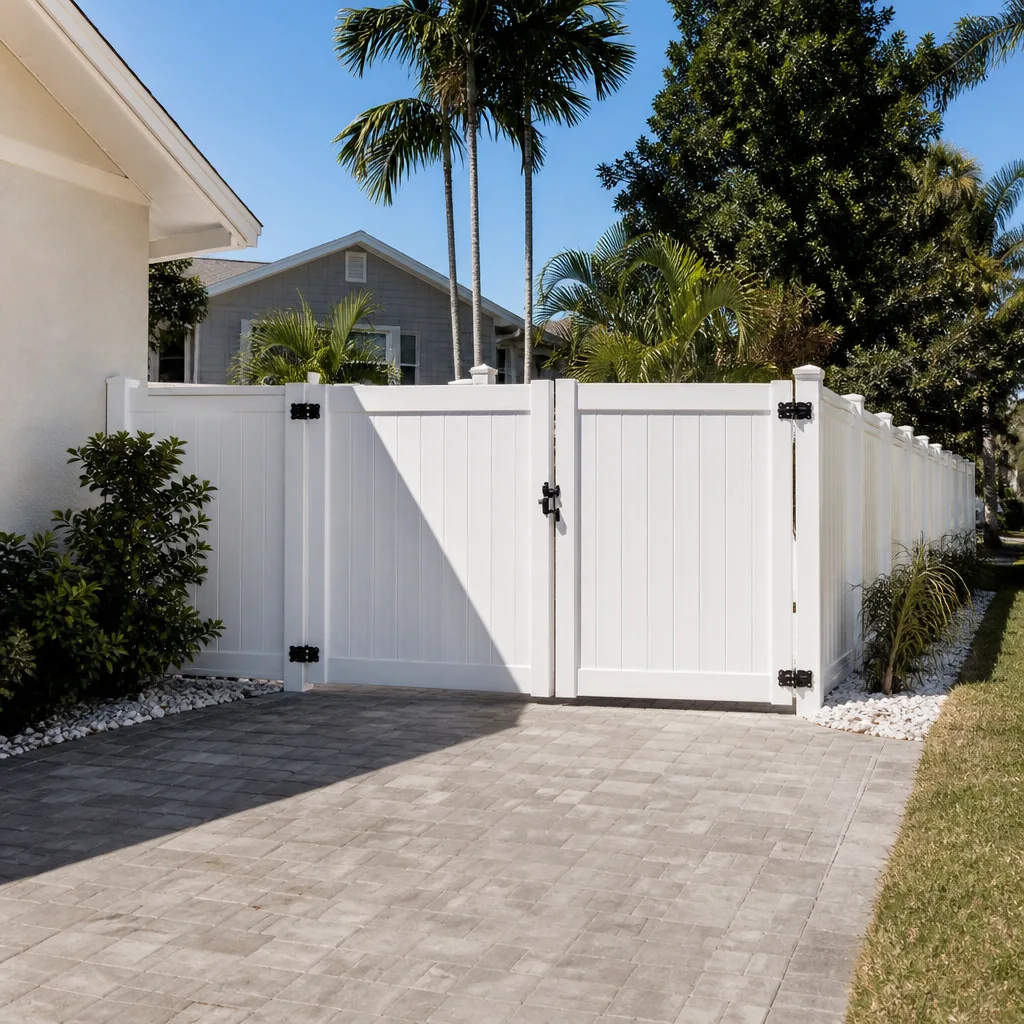
Two thresholds matter most in practice. First, anything that changes the footprint or the number of bedrooms or bathrooms triggers a full permit. Second, anything that penetrates the building envelope in the HVHZ triggers a product approval check in addition to the permit itself. A fence or paver project handled by a specialist crew, by contrast, may fall under a different, lighter review path; our Fence Installation in Hialeah and Driveway & Pavers in Hialeah pages explain that permit picture separately.
How Notice of Acceptance (NOA) Works for Windows, Doors, and Roofing
A Notice of Acceptance is Miami-Dade County’s product approval. It is separate from, and stricter than, a Florida statewide product approval. A window or roof covering with a valid statewide approval can still fail a Miami-Dade inspection if it lacks a current NOA for the specific product, the specific installation method, and the specific design pressure rating.
Here’s how the NOA system actually functions:
- Manufacturer obtains testing. The product is tested against Miami-Dade protocols for wind-borne debris impact, cyclic wind loading, and water infiltration. A shingle, window, or door is tested as a systems assembly, not as a loose material.
- Miami-Dade issues the NOA. The notice lists the specific product line, sizes, design pressures, and approved installation methods. It has an expiration date and must be current on the date of inspection, not the date of order.
- The installer must match the NOA. If the NOA approves a specific fastener pattern, underlayment, or perimeter sealant, the install has to match it exactly. A crew installing an approved product by a different method fails inspection, and the correction is a tear-out.
- Inspection confirms product and installation together. The inspector checks the NOA number against the installed product and the install details. Even a small mismatch loops back to the correction cycle.
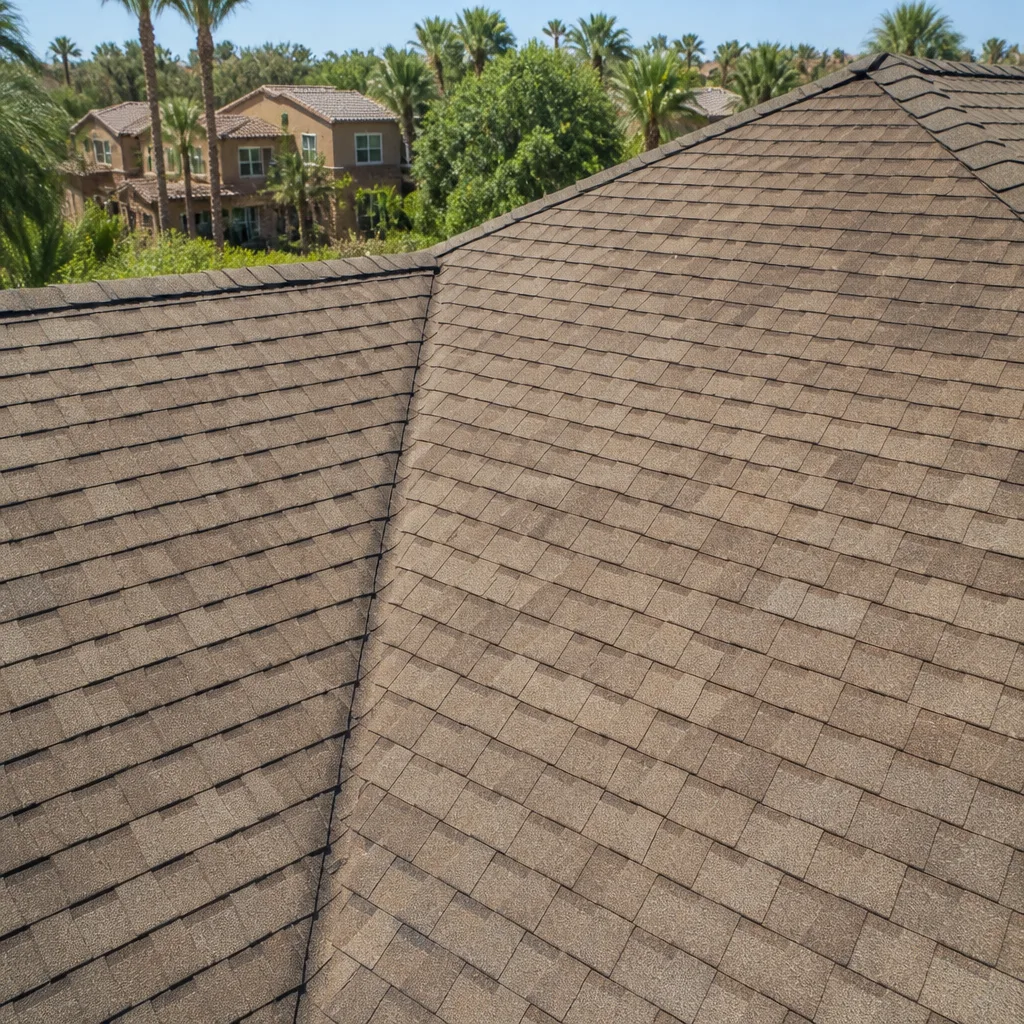
In Hialeah, this is why roofing and window quotes matter so much more than the price tag. A quote that names Roofing in Hialeah materials by product line and NOA number is telling you the install will pass. A quote that just says “architectural shingle” is telling you nothing.
The Inspection Sequence for an Addition or Remodel
For a typical Hialeah addition or a whole-home remodel, the inspection sequence runs roughly as follows. Each stage must pass before the next begins, and skipping ahead is one of the fastest ways to get a stop-work order.
- Pre-construction / foundation and slab. Footing, slab-on-grade, and anchor bolt placement are inspected before concrete is poured. In Hialeah’s high water table conditions, foundation drainage matters here too.
- Framing. Wall framing, trusses, sheathing, and nail pattern are verified against the plan set. HVHZ wind-load connections are the focus in Miami-Dade.
- MEP rough-in. Electrical, plumbing, and mechanical systems are inspected with walls open. If you’re moving outlets or plumbing for a new kitchen, everything must be visible and code-compliant before drywall goes up.
- Insulation and drywall. After rough-in passes, insulation is inspected before the drywall closes the walls.
- Final inspection. All systems complete, fixtures installed, and the work signed off against the approved plan set. Nothing can be concealed at this point.
Roofing has its own discrete sequence: dry-in, underlayment, and final covering. Window replacement has its own: opening verification, product install, and perimeter seal. Each one carries its own inspection requirement even when it’s a trade permit inside a larger project.
What Triggers a Failed Inspection and Restarts the Clock
A failed inspection doesn’t just slow the job; it can push the next inspection slot out by days or weeks depending on the county’s schedule, and every subcontractor waiting on that slot gets bumped. In our experience, the same handful of items account for most failures:
- Product without a valid NOA. The most common cause in Miami-Dade. Roofing underlayment or windows installed with an expired or mismatched approval number.
- Missing HVHZ fasteners or connection details. Anchor bolts, straps, and tie-downs installed at the wrong spacing or with the wrong hardware rather than the plan set.
- Rough-in concealed before inspection. Drywall or insulation closed over electrical, plumbing, or mechanical work that wasn’t inspected. The correction is a demolition.
- Scope creep without a change order. A contractor who added a line to the plumbing or electrical without the revision going back through plan review. The plan set and the built work have to match; the inspector reviews against the approved set.
- Failed water test or drainage test. Common in flat-terrain Hialeah where standing water or improper slope triggers a correction on site.
The remedy is always to correct and re-inspect, and the correction cost falls on whoever signed the contract. That’s why a written scope matched to the approved plan set matters more than a verbal “don’t worry about it” from the crew. It’s also why we insist on signed change orders under the Haven Standard: the plan set, the contract, and the built work stay in sync, and the inspector has one version of the truth to check against.
How to Look Up Open Permits Before You Buy or Build
Miami-Dade County operates an online permit portal that lets anyone search a property address for permit history, open permits, inspection records, and final inspection status. This is one of the most useful tools available to a Hialeah homeowner, and it’s free.
- Search by address. The portal accepts street address or folio number. Folio is faster; it’s on the property tax record and on the deed.
- Review every permit tied to the folio. Look for anything listed as “Open,” “Expired,” or “Pending Inspection.” An expired permit for work that was already done is a live liability.
- Check the final inspection status. A permit that never received a final inspection is functionally an open permit even if it isn’t flagged that way. Confirm a Certificate of Occupancy was issued for any addition.
- Check the plan set against the built work. If a permit shows a permitted addition and the property listing describes a different footprint, ask for the as-built revision. Revisions go through plan review; verbal “it was permitted” doesn’t.
If you’re buying, run this check before the inspection period closes. If you’re building, run it before your contractor’s first day so you know what you’re building next to. And if there’s existing unpermitted work, talk to a licensed contractor about the path to closing it out before the sale contract is negotiated, not after.
Hialeah-Specific Requirements and Overlay Considerations
Hialeah sits entirely within Miami-Dade County and entirely within the HVHZ, but the city also has its own overlay requirements layered on top. The city reviews and issues permits for municipal projects, and its local amendments and land-development regulations apply on top of county and state tiers. For a homeowner planning an addition, an ADU, or a roofing replacement, the practical effect is:
- Plan review will involve both city and county. A stamped plan set that clears one layer isn’t automatically cleared at the other. Allow time for two review cycles.
- Floodplain and drainage review matters. Hialeah’s low elevation means site grading, retention, and finished floor elevation trigger additional review for additions and ADUs.
- Historic and overlay district review applies in specific neighborhoods. A specific Hialeah block may carry additional facade or use restrictions beyond the standard code review.
- Inspection scheduling runs on Hialeah’s timeline, not yours. Building contractors who quote a “one week” inspection turnaround for a Hialeah job are either guessing or quoting off last year’s schedule.
For larger scope, a Home Addition or ADU in Hialeah pulls in every one of these layers at once; our Home Additions & ADU in Hialeah page walks through the Hialeah-specific path in more detail. For everything else, the general rule holds: build the review time into the schedule, not the other way around.
Closing Out a Permit: Final Inspection and Certificate of Occupancy
Final inspection is the step where the county certifies that the work matches the approved plan and all prior inspections passed. For a change of occupancy or a new addition, final inspection precedes a Certificate of Occupancy, which is the document that proves the space is legal for its use. Nothing else does.
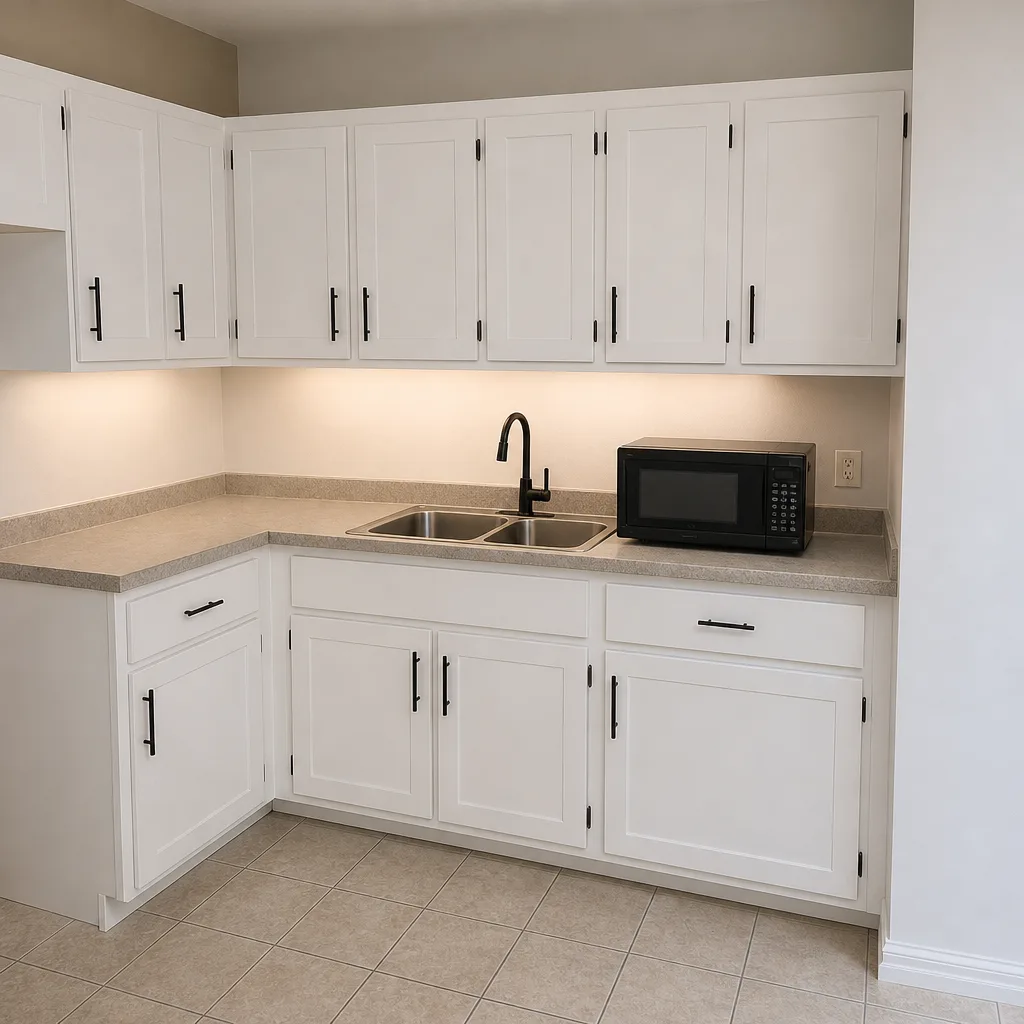
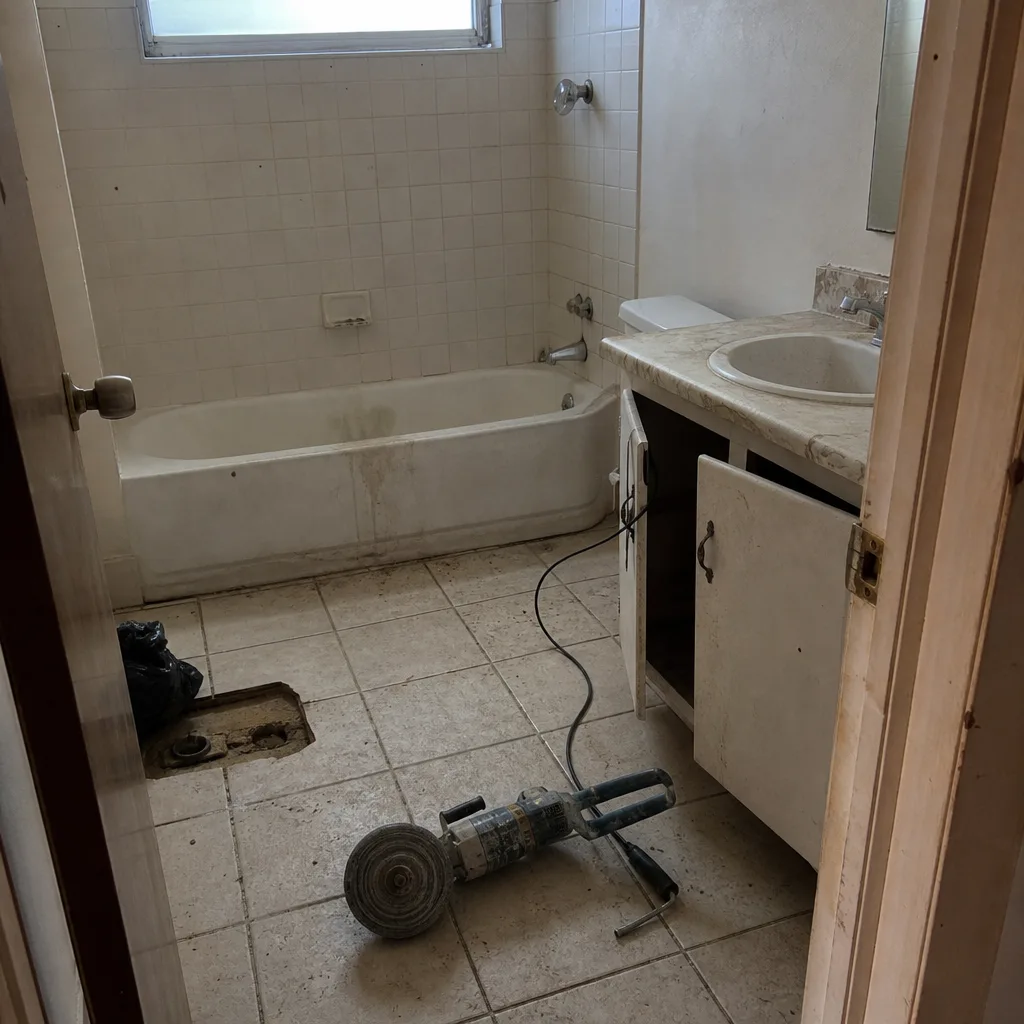
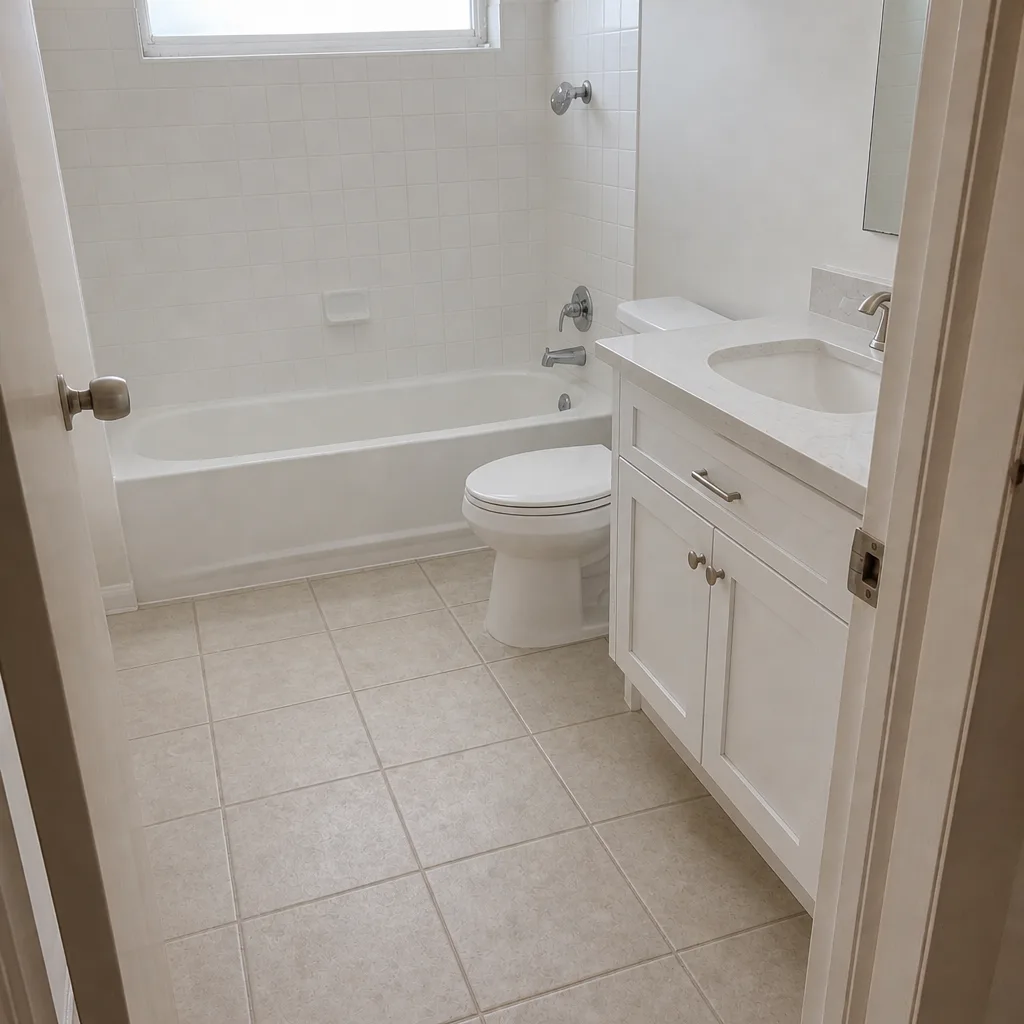
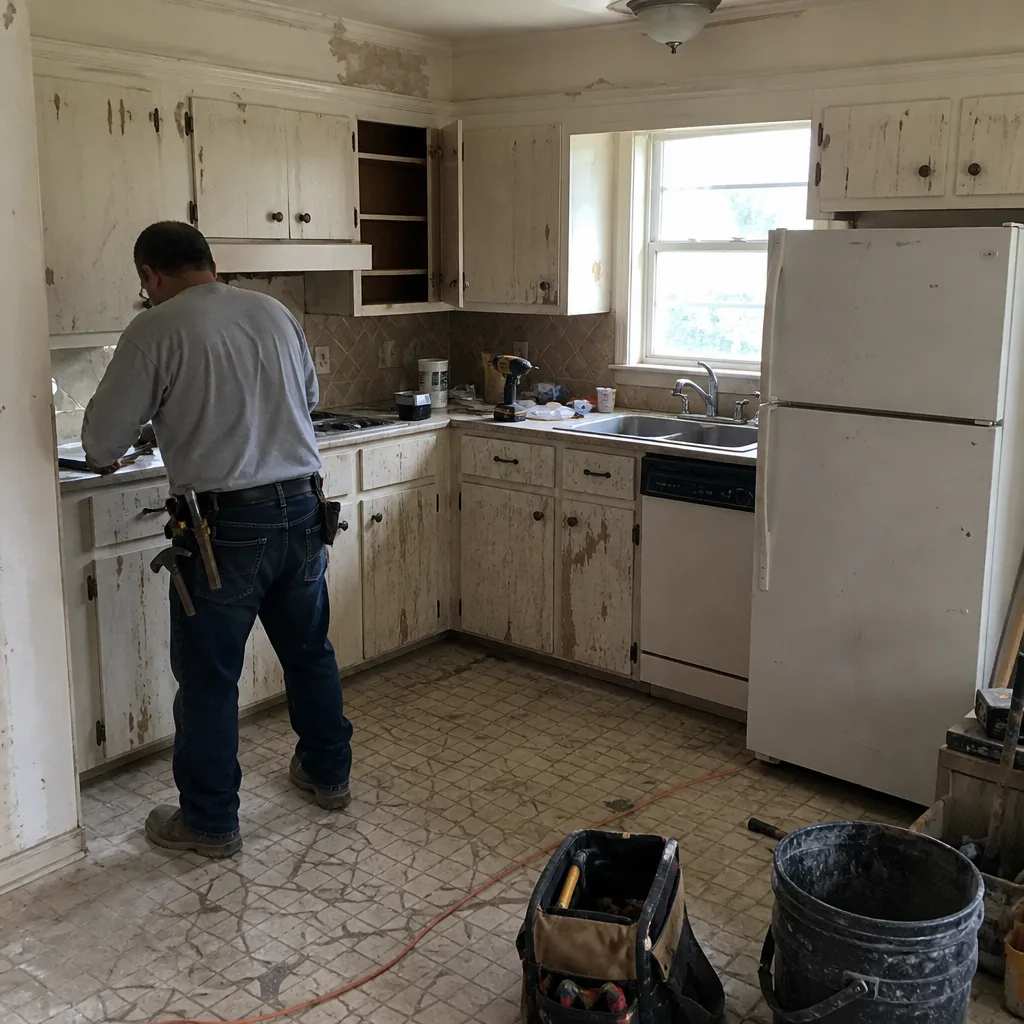
For a kitchen or bathroom remodel in Hialeah, final inspection is the moment the work is formally closed and the permit line is cleared. A remodel that fails final inspection stays open in the county’s records, and that open line follows the property, not the contractor. If you close on a sale with an open final, the buyer’s title search surfaces it, and the correction comes out of the sale price.
One final point worth carrying through the whole conversation: uniforms, background checks, and photo documentation are not permit requirements, but they’re how you keep the paper trail honest. Every visit we make includes a documented photo record as a standard deliverable under the Haven Standard, because the photo of the fastener pattern, the substrate, or the install detail is often the difference between passing first and re-inspecting. For more of the local picture, see our Rowan Construction Group Hialeah home page and the guide to Bathroom Remodeling in Hialeah, which covers the trade-permit and inspection sequence in detail.
Common Mistakes to Avoid
- Assuming “state-approved” means “HVHZ-approved.” A product with a Florida statewide approval can still fail a Hialeah inspection for lack of a current Miami-Dade NOA. Ask for the NOA number in every roof or window quote.
- Letting the contractor handle “the paperwork” without seeing the plan set. The plan set, the signed contract, and the built work have to match. If you haven’t seen the approved set, you don’t know what’s being built.
- Skipping the permit on cosmetic-but-structural work. Removing a wall, enlarging an opening, or relocating a bearing point is never cosmetic. It’s a full building permit and often an engineering letter.
- Moving plumbing or electrical without a change order. A change order is the document that keeps the plan set in sync with the built work. Under Clause 1 of the Haven Standard, nothing moves without a signed change order.
- Buying a Hialeah home without checking the permit portal. An open permit from 2014 is a liability that transfers to you at closing. Run the folio search before the inspection period ends.
- Quoting a roof or window job by product description only. “Architectural shingle” tells the inspector nothing. Brand, product line, and NOA number tell the inspector everything.
- Trusting an inspection timeline you didn’t see in writing. Review queue times vary. Get the reviewer’s estimate in writing before signing.
See the difference
 Before
 After
 Before
 After
 Before
 After
When to Call a Professional
Some of this work you can handle: looking up permits on the county portal, understanding your flood zone, and pricing product by NOA. But structural changes, HVHZ opening protection, MEP rough-in, and anything that closes out a permit require a licensed contractor. The consequences of getting it wrong are not cosmetic. Electrical and gas work can kill; roof and window attachment in an HVHZ can fail catastrophically in a storm; and a failed inspection on concealed work is a demolition, not a correction. If a permit shows as open or a plan set doesn’t match the built work, call a professional before you buy or build. Rowan Construction Group Hialeah offers free estimates in Hialeah and a free second opinion on any written estimate, with a flat written price before work starts and the 365-Day Done Right Promise backing every job. Call (888) 836-5914 to schedule a free estimate.
Frequently Asked Questions
Yes, if the work moves plumbing, gas, or electrical beyond a like-for-like fixture swap, or if it changes the layout. Cosmetic-only work like paint and flooring is exempt; anything that touches the MEP systems under the wall requires a permit and inspection. Call (888) 836-5914 for a free estimate and we’ll tell you exactly which permit path applies to your scope.
Permit fees scale with the valuation of the work, so a bathroom remodel might run a few hundred dollars in permit fees while a full home addition can run into the thousands. The county publishes its fee schedule, and the fee is based on the declared value of the job, not the cost of the materials alone. Call (888) 836-5914 for a written quote that breaks out the permit line item before you sign.
Because Miami-Dade requires its own Notice of Acceptance for windows, doors, and roofing inside the HVHZ, and a statewide approval doesn’t satisfy that requirement. The NOA has to match the product line, the size, the design pressure, and the installation method on the day of inspection. Call (888) 836-5914 for a free second opinion on any window or roofing quote that doesn’t list the NOA number.
Use Miami-Dade’s online permit portal and search by the folio number on the property tax record. Look for anything flagged “Open,” “Expired,” or “Pending Inspection,” and confirm a final inspection and Certificate of Occupancy were issued for any addition. If you find an open line, that’s a cost the seller needs to fix before closing.
Not without a signed change order. Under Clause 1 of the Haven Standard, the price is written before anyone starts, and the only way it changes is a written change order both parties sign. That discipline is why our projects finish within a few percent of the agreed number across 4,000-plus jobs. Call (888) 836-5914 for a written price before you commit.
Plan review alone typically runs several weeks, and the build itself depends on scope, weather, and inspection scheduling, so any contractor quoting a single hard number without seeing the plan set is guessing. Expect a written schedule with the review and inspection phases broken out. Call (888) 836-5914 to schedule a free estimate and we’ll put the timeline in writing.
The Bottom Line
Three tiers of code govern construction in Hialeah: the Florida Building Code, Miami-Dade County amendments, and HVHZ provisions, with the strictest tier controlling whenever they conflict. Full building permits are required for additions, structural changes, and envelope work; trade permits cover single-discipline work; and the exemption list under F.S. 553.79 is narrower than most homeowners think. Notices of Acceptance decide whether windows, doors, and roofing pass inspection in Miami-Dade, even when the product is statewide-approved. The permit portal is free, and it’s the fastest way to see what a property is carrying.
Every project we quote in Hialeah comes with a flat written price before work starts, a documented photo record on every visit, and the 365-Day Done Right Promise. If you’re planning a project or buying a property with open permits, start with a free estimate. Call (888) 836-5914 to schedule your free estimate with Rowan Construction Group Hialeah.
Written by the team at Rowan Construction Group Hialeah.