Last updated November 17, 2026

Free written scope consultation - allowances, timeline, and change-order rules on paper before a single trade is scheduled
Windows & Doors Warning Signs Every Homeowner Should Know
An impact window can take a direct hit from flying debris, show no crack at all, and still be compromised. The laminated interlayer that gives the glass its rating can separate from the panes after a hard strike, leaving a unit that looks perfectly intact but will not hold its rated pressure in a hurricane. That is the failure most Hialeah homeowners never see, because it happens at the edge of the glass, not the middle. In this guide we’ll walk through the warning signs that separate a cosmetic problem from a real performance failure on impact windows and doors, with the specific inspections a Hialeah wind mitigation reviewer actually performs.
Quick Answer
The warning signs that a window or door needs replacement are edge delamination in the laminate of an impact unit, fogging between panes of an insulated glass unit, structural corrosion at aluminum anchor points, and door frames separating from the CBS wall opening underneath the hardware. Any one of these can cost you a wind mitigation insurance credit in Hialeah even if the unit still opens and closes. The fix is not always replacement, but the inspection that tells you which it is should happen before the next named storm, not after.
Styles & brands we work with
- Kitchen remodeling
- Bathroom remodeling
- Home additions & ADU
- Roofing
- Windows & doors
- Driveway & pavers
- Fence
Table of Contents
- How to Inspect an Impact Window’s Interlayer for Delamination
- Frame Corrosion on Aluminum Impact Windows
- Door Warning Signs Specific to CBS Construction
- Failed Seals and Fogging Between Panes
- The Insurance Inspection Trigger
- When Age Alone Is a Warning Sign
- Common Mistakes to Avoid
- When to Call a Professional
How to Inspect an Impact Window’s Interlayer for Delamination
Impact glass works because of a laminated interlayer, usually a sheet of polyvinyl butyral (PVB) or a stiffer ionoplast layer sandwiched between two panes. When a unit is struck hard enough, that interlayer can begin to peel away from the glass at the perimeter without any visible crack in either pane. What you get is a window that still looks like new from three feet away but whose load-sharing between the two panes has failed. Under hurricane pressure, the two panes no longer act as one unit.
We inspect for this at close range, in raking light, along every edge. Here is the sequence:
- Bring a bright LED flashlight and hold it at a shallow angle to the glass, nearly parallel to the surface, so the beam rakes across the edge rather than through the pane.
- Look at the perimeter, not the middle. Delamination almost always begins at the edge and works inward.
- Look for a milky, hazy, or slightly cloudy band between the panes at the edge, distinct from a clean bright seam.
- Check for small bubbles or a filmy halo around the edge, especially near the corners where impact stress concentrates.
- Run a fingernail along the edge sealant to feel for any separation, but never push on the glass itself.
- Repeat the inspection after any significant impact event, even if there is no visible damage at first glance.
In Hialeah, this matters more than it does in most of the state. The 2024 and 2025 hurricane seasons put debris through a lot of windows in neighborhoods like Palm Springs and Hialeah Gardens, and many units were struck and held. A homeowner saw the glass take a hit, saw no crack, and moved on. Then that same unit failed a wind mitigation review a season later because the laminate had separated. If your window was struck during a storm, treat it as needing inspection whether or not you see damage.
If you are scheduling a broader exterior assessment while you are at it, our team at Rowan Construction Group Hialeah home handles window and door inspections alongside the other envelope work on the same visit.
Frame Corrosion on Aluminum Impact Windows
Aluminum impact frames are the most common window system in Hialeah, and coastal humidity plus interior air-conditioning condensation both drive oxidation. The critical distinction is surface oxidation versus structural corrosion. Surface oxidation is a white powdery film or a chalky blotch on the paint. It is cosmetic and can be cleaned. Structural corrosion is different: it is pitting, blistering paint that hides a soft or flaking metal surface, and in the worst cases, corrosion creeping into the anchor screws that tie the frame to the wall.
What to check, in order:
- Window sills and the bottom check rail, where water pools. Any softness or chalky bloom there is worth a closer look.
- The anchor screws that hold the frame to the rough opening. If the paint around a screw is bulging or stained, the metal behind it may be corroding.
- Weep holes. If the drain slots at the bottom of the frame are clogged or painted shut, water sits inside the frame and the corrosion process accelerates.
- The frame-to-wall joint. Gaps or cracking sealant allow moisture behind the frame, and that is where structural corrosion starts.
Once corrosion reaches the anchor connection, the frame’s ability to resist wind pressure is no longer guaranteed. That is a structural issue, not a maintenance one. Aluminum frame units from major Florida manufacturers like PGT and CWS are engineered to specific pressure ratings, and the anchor connection is part of that rating. When the anchor weakens, the rating is theoretical.
Door Warning Signs Specific to CBS Construction
Hialeah homes built on CBS (concrete block and stucco) construction have their own door failure profile, distinct from wood-frame houses. When an exterior impact door starts separating from its frame along the hinge side or latch side, many homeowners assume the door hardware is the problem and call a locksmith. Usually it is not. The door frame at the rough opening has pulled away from the concrete block because the concrete anchors are failing, the block is cracked, or water has compromised the anchor pockets over years of humidity cycling.
Check for the door-specific warning signs:
- Run a flashlight along the hinge-side frame. Look for a visible gap between the frame trim and the stucco, and for the stucco pulling away at the corners.
- Look for stair-step cracks in the block at the top corners of the door opening. These are often anchor-related, not just cosmetic stucco cracks.
- Test the door for daylight at the top and hinge side when closed. If you see daylight where you did not before, the frame has moved.
- Check whether the door hardware still aligns properly. Strike plate misalignment with the deadbolt is a sign the frame has shifted, not a sign the lock is worn out.
- Look at the anchor pockets. If those holes are wet or stained, the anchor connection is compromised.
When we see this on a Hialeah CBS home, the fix is not a new door. It is re-anchoring the frame to the block, replacing the anchor bolts to code, and re-sealing the perimeter correctly. Replacement is the correct answer only when the frame itself is corroded or deformed beyond repair. If a door-opening problem has been building over years and it comes with broader structural questions, our Home Additions & ADU in Hialeah team sees many of these during pre-construction structural reviews.
Failed Seals and Fogging Between Panes
Fogging inside an insulated glass unit (IGU) means the perimeter seal that holds the vacuum or gas fill has failed. On a standard IGU, that is a visual problem. On an impact IGU, it is a performance problem. The sealed unit is part of the assembly whose design pressure rating was tested and certified. Once the seal fails, moisture and air migrate into the cavity, the assembly’s thermal properties change, and the original performance rating of that unit no longer applies in a re-certification context.
What to watch for:
- Cloudiness or a milky film between the panes that does not clean off from either side, and gets worse in the cooler months.
- Visible droplets between the panes after rain or a temperature swing.
- Fogging that moves across the pane as the day warms. If the haze shifts, the cavity has lost pressure.
- A chalky residue line around the inside perimeter of the glass-to-frame seal.
An important point: a failed-seal IGU is a code-compliance question, not just a comfort question. During a wind mitigation inspection, the inspector is looking at the unit’s product approval and its current condition. If the IGU has failed, that is one of the conditions that can affect the credit your policy assigns to that opening. On Hialeah homes, where afternoon thunderstorms and salt air are a daily reality, the failed-seal shortlist tends to grow fast, and spotting the first one early saves you from redoing the whole opening set at once.
The Insurance Inspection Trigger
Here is the part that turns a failing window from an annoyance into a money problem. When a Citizens or Universal Property wind mitigation inspector re-inspects a home in Florida, they evaluate every opening, and the window and door conditions they document directly determine your policy credit. The typical review checklist includes:
- Whether every opening is impact-rated, with the product approval label present and legible.
- Whether the impact-rated units are in sound condition, or show delamination, failed seals, or frame corrosion at the anchor connection.
- Whether door frames are properly anchored to the rough opening and show no separation or gap.
- Whether the roof-to-wall connection is intact, since that is part of the same wind mitigation package.
- Whether the shutters, if used instead of impact glass, are rated and correctly stored.
If the inspector finds a delaminated impact window or a door frame that has pulled off its anchors, that opening does not get the impact rating it previously had. The credit can drop, and in some cases the entire policy’s mitigation credit category changes. This happens to Hialeah homeowners every year, and almost always after a storm, because a unit was inspected after the fact instead of before. The point of an inspection in April is to avoid the re-inspection in August.
For homeowners on the fence about what to address first, our Fence Installation in Hialeah crews often see the same wind-exposure issues during assessment, though the mitigation package is a separate review. Schedule the window and door inspection on its own terms.
When Age Alone Is a Warning Sign
Age is not a failure, but it is a warning sign that triggers the inspection. Most impact window and door systems on the market today are rated for roughly 15 to 25 years of service, depending on the manufacturer and the exposure. Aluminum frames in coastal humidity, block anchors in CBS walls, and laminated glass exposed to daily thermal cycling all age. If a Hialeah home is still running on the original windows and doors installed in the early 2000s, those units are now inside the expected service window and should be inspected on a schedule, not just when they fail.
Three conditions accelerate that schedule:
- Salt air exposure, which speeds aluminum oxidation and the deterioration of perimeter sealants, and is a factor on the eastern edges of Hialeah.
- Storm history, because each significant impact event may leave the interlayer compromised without visible damage.
- Re-inspection deadlines on the insurance side. Re-inspection windows for Florida wind mitigation credits typically come with lead time, and a failed unit identified after the deadline is more expensive to fix than one caught beforehand.
If your windows and doors are over 15 years old in Hialeah, get them inspected before the next hurricane season, not after. Our crews have up to 19 years of experience with window and door systems across Hialeah, and the inspection is the same whether the unit is a PGT, CGI, or ES Windows product.
See the difference
 Before
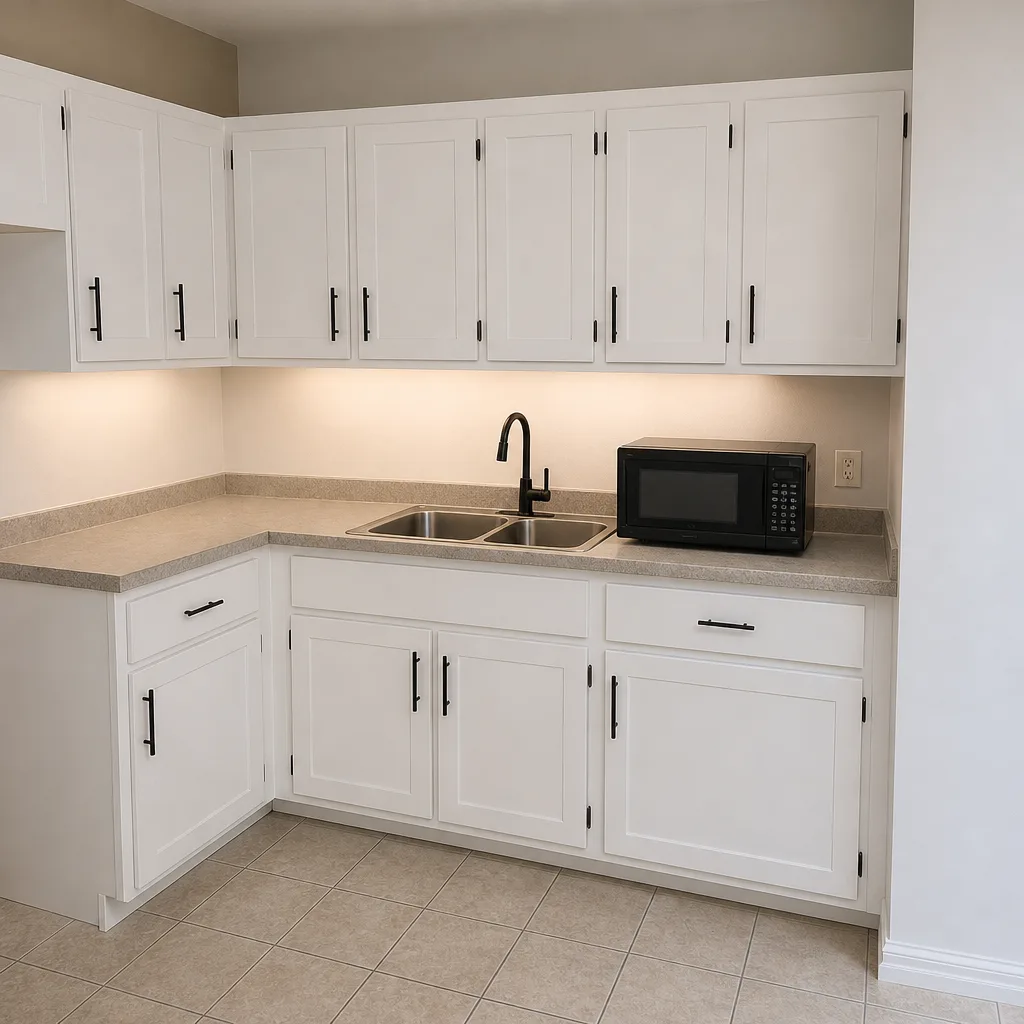 After
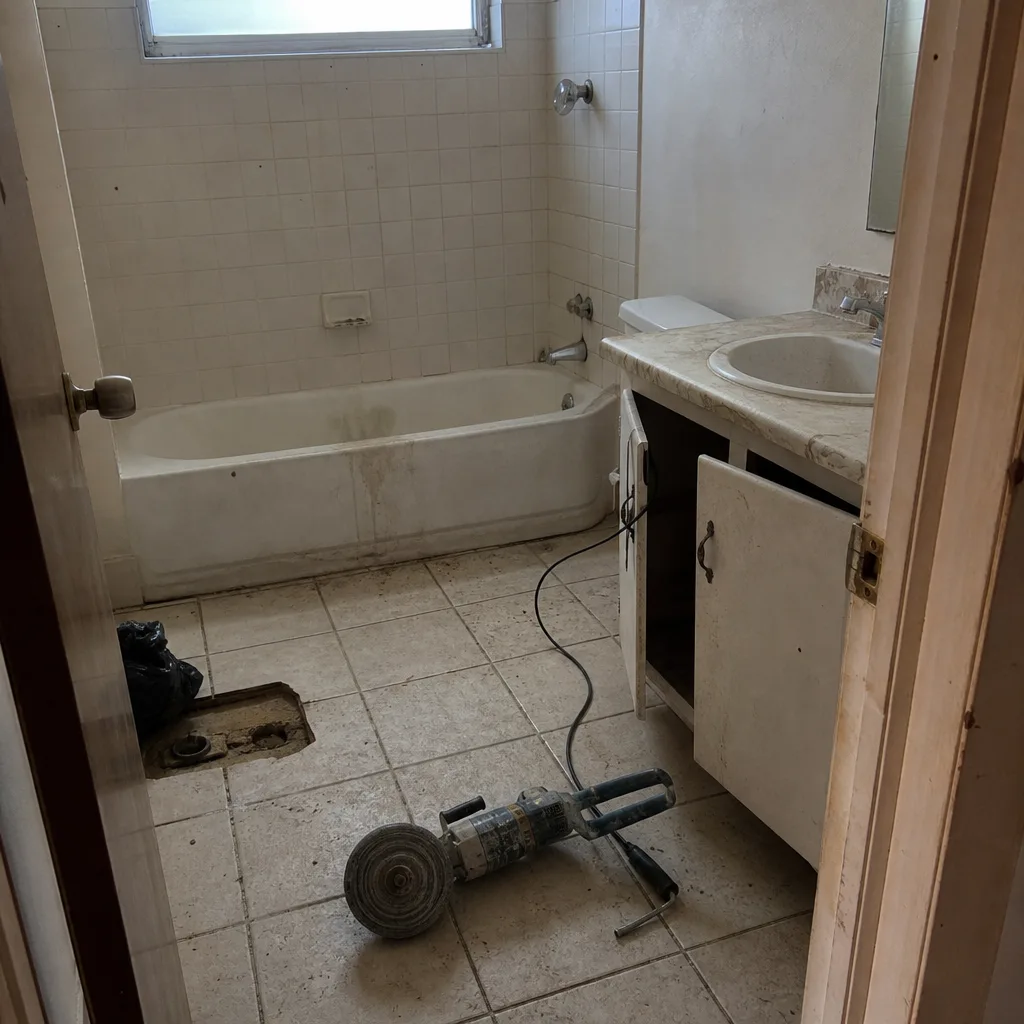 Before
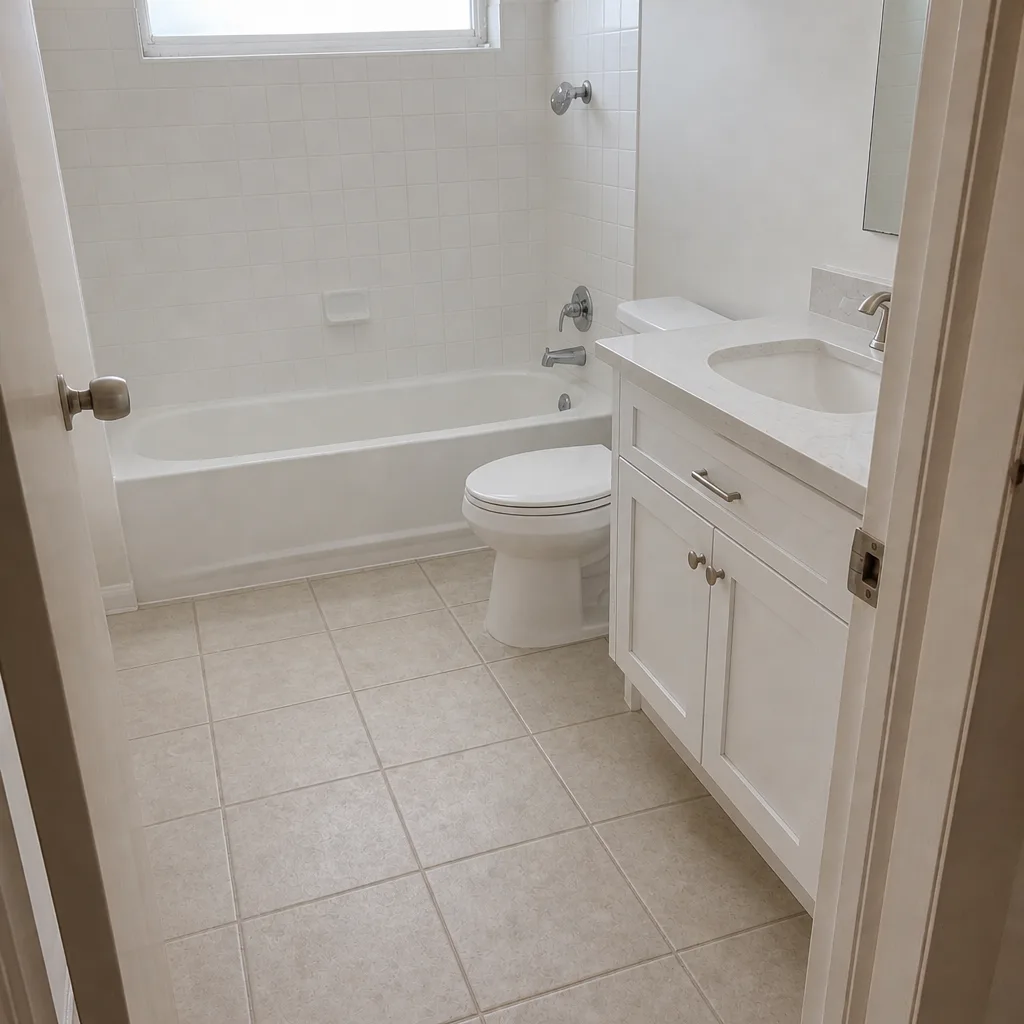 After
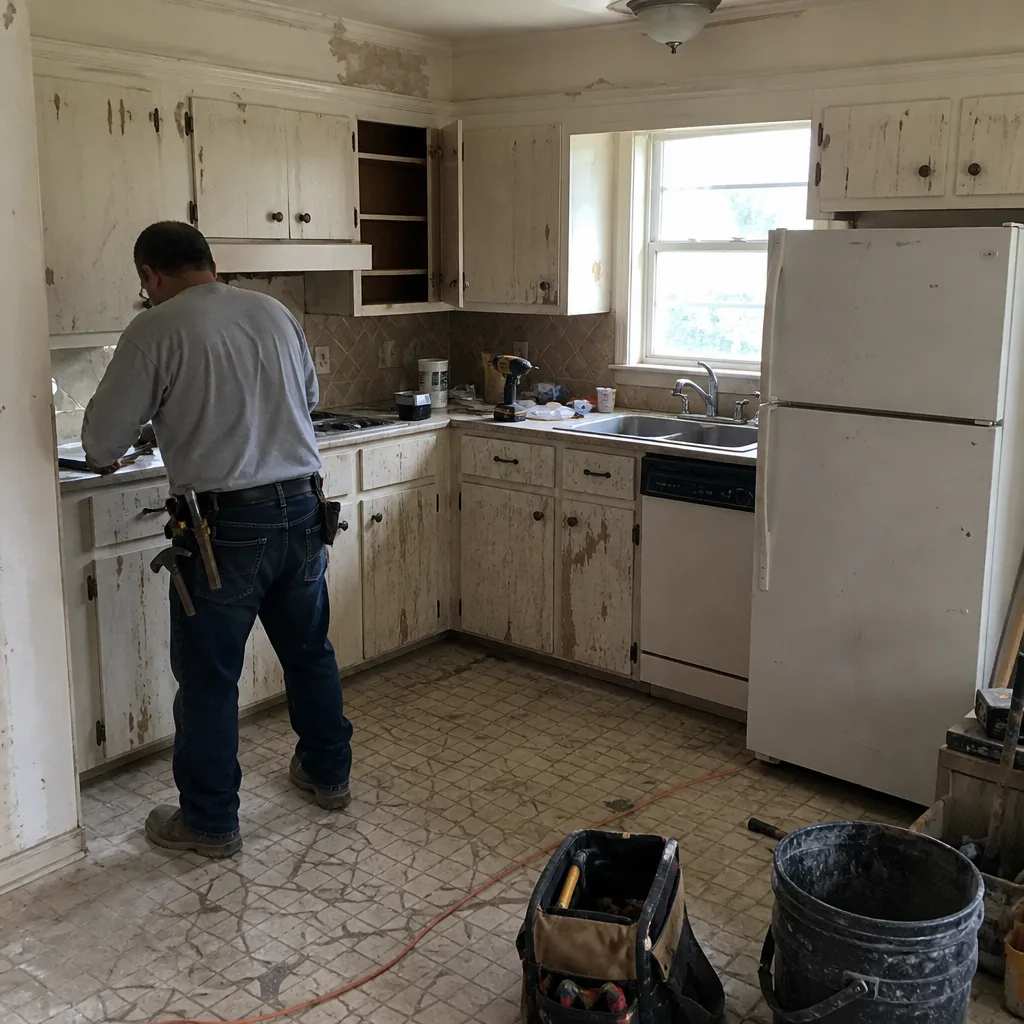 Before
 After
Common Mistakes to Avoid
- Assuming “no crack” means “no damage.” Interlayer delamination after impact is invisible without a close-range edge inspection in raking light, and it is the single most common missed failure in Hialeah.
- Calling a locksmith when the door frame has moved. On CBS construction, a misaligned deadbolt usually means the concrete anchors have failed, not that the lock is worn. The locksmith will fix the strike plate and the frame will keep pulling away from the block.
- Patching stucco cracks at the door corners without checking the anchors. Stucco cracking at the top corners of a door opening is a symptom of anchor movement, not a cosmetic issue, and patching it hides the real problem until it gets worse.
- Treating a fogged impact IGU as a cleaning problem. If the moisture is between the panes, the seal has failed and the unit’s performance rating is no longer current. Cleaning will not fix it.
- Skipping the post-storm inspection because the windows “held.” Held means it did not break, not that the interlayer is intact. Inspection after any significant impact event is how you catch delamination early.
- Waiting for the insurance re-inspection to find the problem for you. By the time an inspector flags a failed window, the credit is already at risk. The inspection window is the planning window.
- Paying for a full window replacement when only the anchors or sealant failed. A lot of Hialeah units that look “shot” need re-anchoring and re-sealing, which costs far less than a new impact opening. Get a written assessment before committing.
When to Call a Professional
Call a professional when you see any of the following: edge delamination on an impact window; a fogged IGU that does not clear; a door frame that has pulled from the block at the hinge side; a deadbolt that no longer aligns; or stair-step cracks at the corners of a door opening. Those are structural and code-compliance issues, not hardware repairs. Do not attempt to inspect or repair the glass unit yourself: laminated impact glass under stress can release violently, and the anchor replacement work involves power tools and concrete drilling close to the opening. Our background-checked, uniformed crews handle the inspection and, if needed, the replacement. Rowan Construction Group Hialeah offers free estimates in Hialeah – call (888) 836-5914. Every visit includes a documented photo record of what we found and what we did, and no work proceeds until you have a written price in hand. You can also start with a Driveway & Pavers in Hialeah assessment on the same visit if you are planning exterior work.
Frequently Asked Questions
Inspect the glass edge in raking light with a bright flashlight, looking for a milky band, small bubbles, or a cloudy halo between the panes at the perimeter. Delamination almost always starts at the edge and is invisible from a normal viewing distance. If your window was struck during a storm, treat it as needing a professional inspection even if it looks intact. Call (888) 836-5914 for a free estimate on the inspection.
Not reliably. A failed perimeter seal means the insulated glass unit has lost its sealed cavity, and the unit’s original performance rating may no longer be valid for a re-certification inspection. In Hialeah, a fogged impact IGU is one of the conditions that can affect your wind mitigation credit. Have the unit assessed before the next re-inspection window, not after.
On CBS construction, door frames pull away from the block when the concrete anchors have failed, the block has cracked, or water has compromised the anchor pockets. It is not a door hardware problem, and a locksmith will not fix it. The repair is re-anchoring the frame to the block and re-sealing the perimeter to code. Call (888) 836-5914 for a free estimate.
The inspector verifies that every opening is impact-rated, that the product approval label is present and legible, and that the units are in sound condition with no delamination, failed seals, or frame corrosion at the anchor connection. Door frames must be properly anchored to the rough opening. If any of those conditions fail, the credit for that opening can be lost. The review is less about what was installed and more about what state it is in today.
Inspections for windows and doors in Hialeah typically fall in the range of $150 to $350, with inspection costs often credited toward the replacement if one is needed. The written quote should be issued before any work starts. Call (888) 836-5914 for an exact number – estimates are free, and no work proceeds until you have the written scope and price.
Yes. Impact systems on Hialeah homes carry an expected service window of roughly 15 to 25 years, and the visual condition is only part of the picture: interlayer integrity, frame anchor condition, and IGU seals all age invisibly. An inspection at 18 years is a planning step, not a panic step. Get the written assessment, and use the 365-Day Done Right Promise if you do move forward with replacement; we make it right if it is not done correctly the first time.
The Bottom Line
The warning signs that a Hialeah window or door needs replacement fall into four categories: edge delamination in impact glass, structural corrosion at the aluminum anchor, door frames pulling off the CBS block, and failed IGU seals. Any one of these can cost you a wind mitigation credit before a storm even arrives, which is why the inspection schedule matters more than the storm schedule. Do not wait for a hurricane to reveal a failure that a raking-light inspection would have found last spring. Get the written assessment, know what condition each opening is in, and make the replacement decision with a price in front of you rather than in its absence. Under our no-hassle upfront pricing, the quoted number is written before anyone picks up a tool, and the 365-Day Done Right Promise backs the work once it is done.
Call (888) 836-5914 to schedule your free estimate with Rowan Construction Group Hialeah. Every visit includes a documented photo record, the crews are background-checked and uniformed, and a live person answers the call. We’ll tell you what we found in plain terms, put the number in writing, and let you decide from there.
Written by the team at Rowan Construction Group Hialeah.