Last updated November 16, 2026




Free written scope consultation - allowances, timeline, and change-order rules on paper before a single trade is scheduled
Home Additions & ADU Warning Signs Every Homeowner Should Know
Any home addition in Miami-Dade that requires a structural element – a new beam, a load-bearing wall removal, a foundation extension – requires a signed and sealed drawing from a Florida-licensed structural engineer. A contractor who says otherwise is either uninformed or planning to build without one, and both outcomes land on your property record. The most expensive warning signs on an addition or ADU project aren’t visible in the finished work. They’re in the contract structure, the permit strategy, and how the contractor handles the engineering requirement – all of it readable before a single block is laid. This guide shows you what to look for in Hialeah and across South Florida.
Quick Answer
The clearest warning signs on a home addition or ADU project are a quote with no line for structural engineering, a vague scope that hides “as needed” language, a draw schedule asking for more than 10 – 15% upfront, and a contractor who discourages filing a Notice of Commencement. Each one is checkable before work begins, and each one appears in Florida DBPR complaint data as a predictor of projects that stall or fail.
Styles & brands we work with
- Kitchen remodeling
- Bathroom remodeling
- Home additions & ADU
- Roofing
- Windows & doors
- Driveway & pavers
- Fence
Table of Contents
- The signed-and-sealed engineering requirement
- Vague scopes and the change order problem
- Checking every subcontractor’s license
- The draw schedule red flag
- What a Notice of Commencement does for you
- Hialeah-specific risks: climate, code, and lot lines
- ADU compliance in Hialeah
- Common mistakes to avoid
The Signed-and-Sealed Engineering Requirement
Structural engineering is not a line item you can trim. On a standard single-story addition in Hialeah – say a 300- to 400-square-foot primary suite with a tie-in to the existing roof – a licensed structural engineer charges roughly $800 to $2,500 for the signed-and-sealed drawings, depending on the complexity of the roof connection and the soil conditions. The sealed drawings cover the beam sizing, the connection details, the footing schedule, and the load path from the new structure into the existing one. A building department will not approve the permit without them.
What the drawings don’t cover: the architect’s site plan, the energy code compliance documentation, or the truss layout. Those are separate. A complete addition quote should show every one of them as a line item with a dollar figure attached.
Watch for three specific contractor behaviors on the engineering question:
- The quote omits engineering entirely, and the contractor says “we’ll handle that later.” That’s either an incomplete number or a plan to build without the sealed drawings. Neither one protects you.
- The contractor offers to “sign off” on the structural work themselves. A general contractor is not a licensed engineer in Florida and cannot seal drawings.
- The contractor says the engineering is “included in the price” without breaking out what it costs. That leaves you with no way to compare bids or to know what you’re getting.
Under Clause 1 of The Haven Standard, the price is written before anyone starts – and the engineering is part of the written price, at number, not bundled into a paragraph. When we review a homeowner’s competing estimate, the missing engineering line is the first thing we look for. Rowan Construction Group Hialeah offers a free second opinion on any written estimate, line by line, before you sign. That review is standard, not a favor.
Vague Scopes and the Change Order Problem
Additions are where vague scopes do the most damage. A phrase like “framing as needed” or “electrical to code” is not a scope – it’s permission to charge more later, and additions almost always surprise the person holding the hammer. Here’s how a properly itemized addition scope reads next to the version that escalates:
- Framing: “Framing as needed” vs. “2×6 wall framing, 24-inch on center, 340 square feet, including window and door headers per sealed drawings – $8,150.”
- Electrical: “Electrical to code” vs. “Eight duplex receptacles, six recessed fixtures, one ceiling fan box, new 20-amp circuit from panel, permit and final inspection included – $2,400.”
- Site work: “Site prep” vs. “Demo of existing patio slab (120 sq ft), haul-off, two inspection passes for foundation – $2,100.”
The difference isn’t price. You’ll likely see the same totals on the last page. The difference is what happens when the site turns out different than the contractor assumed. With a vague scope, that becomes a change you pay for under pressure. With an itemized scope, the “as needed” language has been priced, and any real change requires a signed change order before a tool moves.
Additions also bring the biggest change order category of all: the unexpected. A load-bearing wall that turns out to be masonry instead of wood frame. A slab that floats over fill. In Hialeah, a 1950s block home with a rear addition is exactly where we expect those surprises. The right contract structure doesn’t eliminate them – it makes them visible, priced, and signed before the work restarts.
Checking Every Subcontractor’s License
A seven-trade addition is seven licenses working in the same house. The general contractor’s license covers the GC scope, not the electrician’s work, not the plumber’s, not the HVAC installer’s. Each one of those subcontractors holds their own license, and each one can be verified at Florida DBPR before work begins.
- Go to the Florida Department of Business and Professional Regulation license lookup.
- Enter each subcontractor’s name and license number from the contract schedule.
- Confirm the license status is “Active,” not “Null and Void” or expired.
- Check the qualifying agent, which is the person whose credential actually covers the work.
- Confirm the license type matches the trade – a journeyman’s license is not the same as a certified contractor’s.
Why this matters in Hialeah specifically: the city’s high volume of additions and ADUs attracts crews who work cash-only, unlicensed, and off the permit radar. If they get hurt on your property, the liability lands on you. If their work fails inspection, you pay for the correction. The 4-point inspection the city runs on final is stricter than most homeowners expect.
Every crew on a Rowan project is background-checked and uniformed before they arrive, and the license number sits on the page, not in a drawer. That’s not a sales point – it’s the minimum a homeowner should demand on a project with this much subcontractor traffic.
The Draw Schedule Red Flag
The draw schedule is the contract’s payment schedule, and it’s the single most documented predictor of project abandonment in Florida DBPR complaint data. The rule of thumb: a contractor requesting more than 10 – 15% upfront on a major addition, or requesting payment before scheduled inspections pass, is a contractor to slow down with.
A healthy draw schedule for a $95,000 addition in Hialeah looks roughly like this:
- Deposit at contract signing: 10% ($9,500)
- Draw 2 at foundation and slab inspection pass: 25% ($23,750)
- Draw 3 at framing and rough-in inspection pass: 25% ($23,750)
- Draw 4 at drywall and finish start: 25% ($23,750)
- Final draw at final inspection and punch list completion: 15% ($14,250)
The inspection gates are what matter. If the contractor asks for Draw 3 before framing passes, the payment is no longer tied to the work – it’s tied to the contractor’s cash flow, which is not your problem. If the contractor asks for a 40% deposit, that money is gone if the project stalls, and recovering it from a construction account is a months-long legal process most homeowners never finish.
Every project Rowan Construction Group Hialeah has delivered since 2007 has been quoted with a flat written price and written scope before work started. When a project stalls, we’ve seen what the homeowner is left holding. The draw schedule is where you prevent that.
What a Notice of Commencement Does for You
The Notice of Commencement is a public document filed at the county recorder’s office under Florida Statute 713, and it is required by law on improvements over $2,500. Most homeowners hear “permit paperwork” and tune out. That’s a mistake, because the Notice of Commencement is one of the few documents in the project that exists specifically to protect the homeowner.
Here’s what it does:
- It records the start date of the project in the public record.
- It sets the legal window during which subcontractors and suppliers can file a construction lien if they aren’t paid.
- It lists the contractor and any known subcontractors and suppliers, and where they’re supposed to send a lien notice.
- It creates a paper trail that protects you if the contractor fails to pay a supplier and the supplier tries to come after your property.
Without it, liens can surface after the work is done, sometimes years later, and the homeowner carries the burden of proving who was paid. A contractor who discourages you from filing – or says it isn’t required – is a contractor to avoid. A contractor who files it properly and gives you a copy on day one is doing exactly what Florida law expects.
Clients should also know the flip side: the Notice of Commencement cuts both ways. If a lien is filed without a timely notice to the owner, it can be invalidated. That’s why keeping the recorded copy matters. If you’re working with us on a Home Additions & ADU in Hialeah, the Notice of Commencement is documented as part of the project record.
Hialeah-Specific Risks: Climate, Code, and Lot Lines
Hialeah has a specific set of addition risks that don’t apply elsewhere, and none of them show up clearly in a generic checklist.
Wind loading and the 2023 FBC updates. Miami-Dade sits in the High-Velocity Hurricane Zone, and the Florida Building Code has been updated repeatedly since the 2004 storms. A rear addition built to pre-2004 standards on an existing 1950s home has to be designed as a new structure tied into the old one – not a continuation of the old. If the contractor’s drawings ignore the tie-in, you’re building a future leak point.
Water table and drainage. A lot of Hialeah sits on soil with high groundwater. An addition with a shallow footing is at risk of settlement unless the footings are designed for the actual water table and drainage is planned. This is exactly where the earlier engineering line earns its keep.
Lot line and setback restrictions. Hialeah’s older neighborhoods have tighter lots than the newer suburbs, and additions often run into setback limits. A contractor who hasn’t checked the zoning before quoting can’t quote a buildable design. If the plan is to expand toward the rear lot line, Fence Installation in Hialeah often runs alongside the setback decision, because the fence line and the setback line don’t always match, and one affects the other visually.
What 20 years of additions has taught us: the projects that go smoothly aren’t the ones with the lowest bid. They’re the ones with a sealed drawing, an itemized scope, and a contractor who filed the paperwork before the first concrete truck arrived.
ADU Compliance in Hialeah
Accessory dwelling units are a special case in Hialeah. Florida’s 2024 and 2025 state legislation has loosened some ADU restrictions, but the city’s lot coverage, parking, and utility requirements still apply to the specific parcel. An ADU on a Hialeah lot that can’t support the additional impervious surface is not a project – it’s a variance application, and the contractor should tell you that before drawing the first version.
A prefab unit from a manufacturer like Abodu or Mighty Buildings is a legitimate path in many cases, and the manufacturer’s own documentation can speed the permit process. But the ADU site plan, utility connections, and setbacks are still on the contractor. The prefab manufacturer isn’t the one pulling the Hialeah permit, and they aren’t the one on the hook if the site has a drainage issue.
Three ADU-specific questions to put in writing before signing:
- Does the design meet Hialeah’s current lot coverage and parking requirements for this parcel? Show the calculation.
- Is the utility connection to the main house detailed on the drawings, and is each connection a line item with a dollar figure?
- Who is responsible for the ADU’s separate meter if the design calls for one, and is that cost in the number?
When we review an ADU estimate, those three questions are the first filter. An estimate that can’t answer them is an outline, not a price.
Common Mistakes to Avoid
- Signing a quote that doesn’t show the engineering. A quote without the structural line item is either incomplete or a plan to build without sealed drawings. Both are expensive later.
- Choosing the bid that is “included” of everything. Bundled pricing hides the line items you need to compare. Insist on line items for framing, electrical, plumbing, HVAC, and inspections.
- Not verifying subcontractor licenses at DBPR. On a seven-trade project, the GC’s license covers one trade. The others need their own, and the state lookup is free.
- Accepting a deposit above 15%. In Hialeah addition projects, high deposits precede the highest rate of abandonment in complaint data. The inspection-gated draw schedule is the standard, not a courtesy.
- Skipping the Notice of Commencement. The legal record that exists to protect you against supplier liens is required by Florida law over $2,500. A contractor who discourages it should be replaced.
- Forgetting the outdoor scope. An addition changes the driveway and approach. Homeowners plan the structure and forget the slab, apron, and drain. A Driveway & Pavers in Hialeah plan should be priced at the same time as the addition, not after.
- Assuming the last quote is the final price without a written change order. The signed change order is what keeps the price inside a few percent of the agreed number. Without the signature, the number is a suggestion.
See the difference
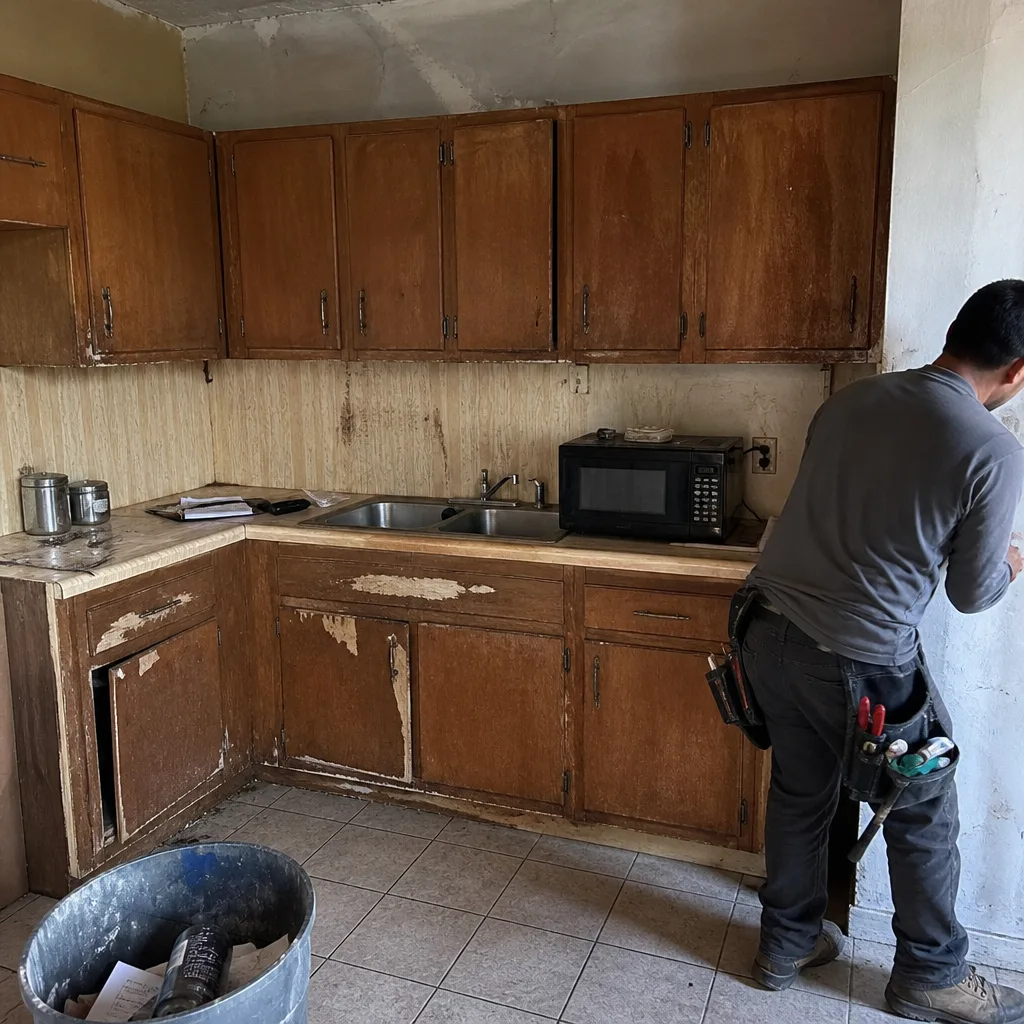 Before
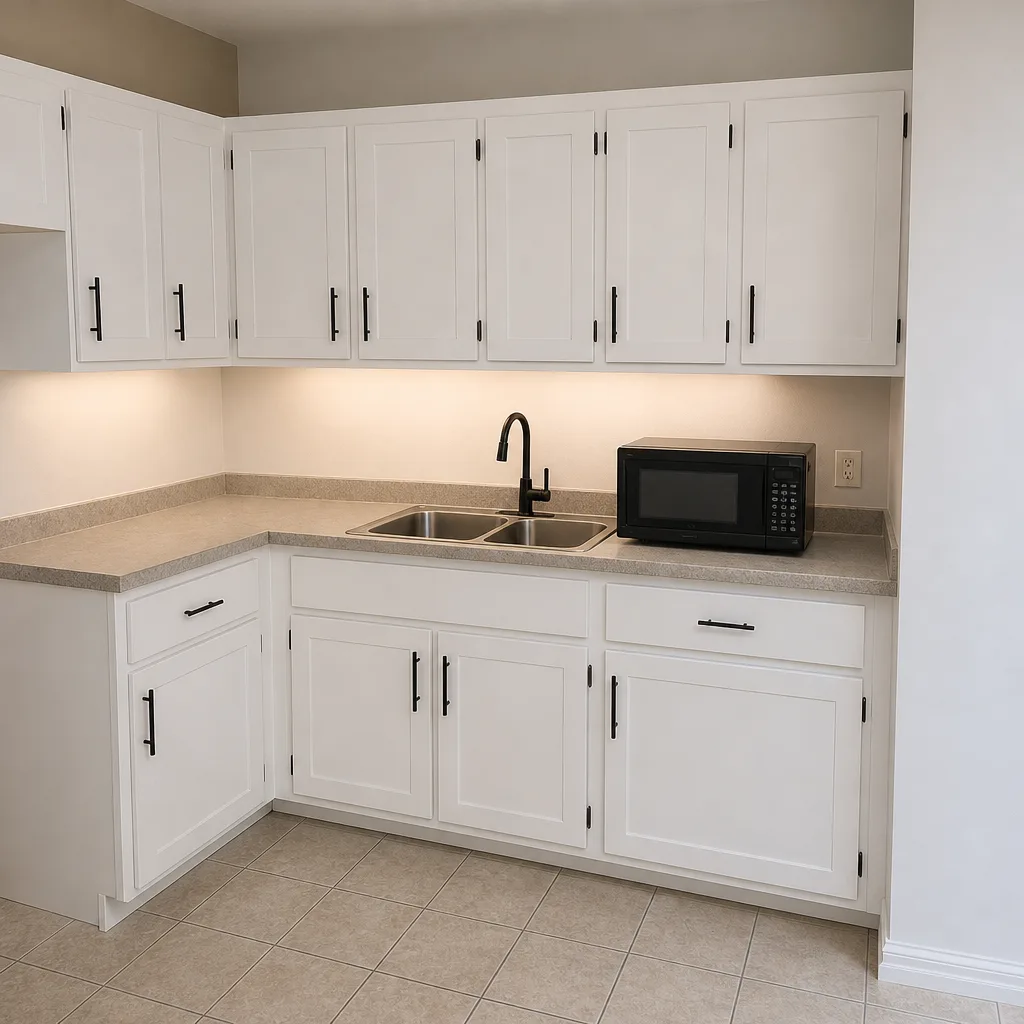 After
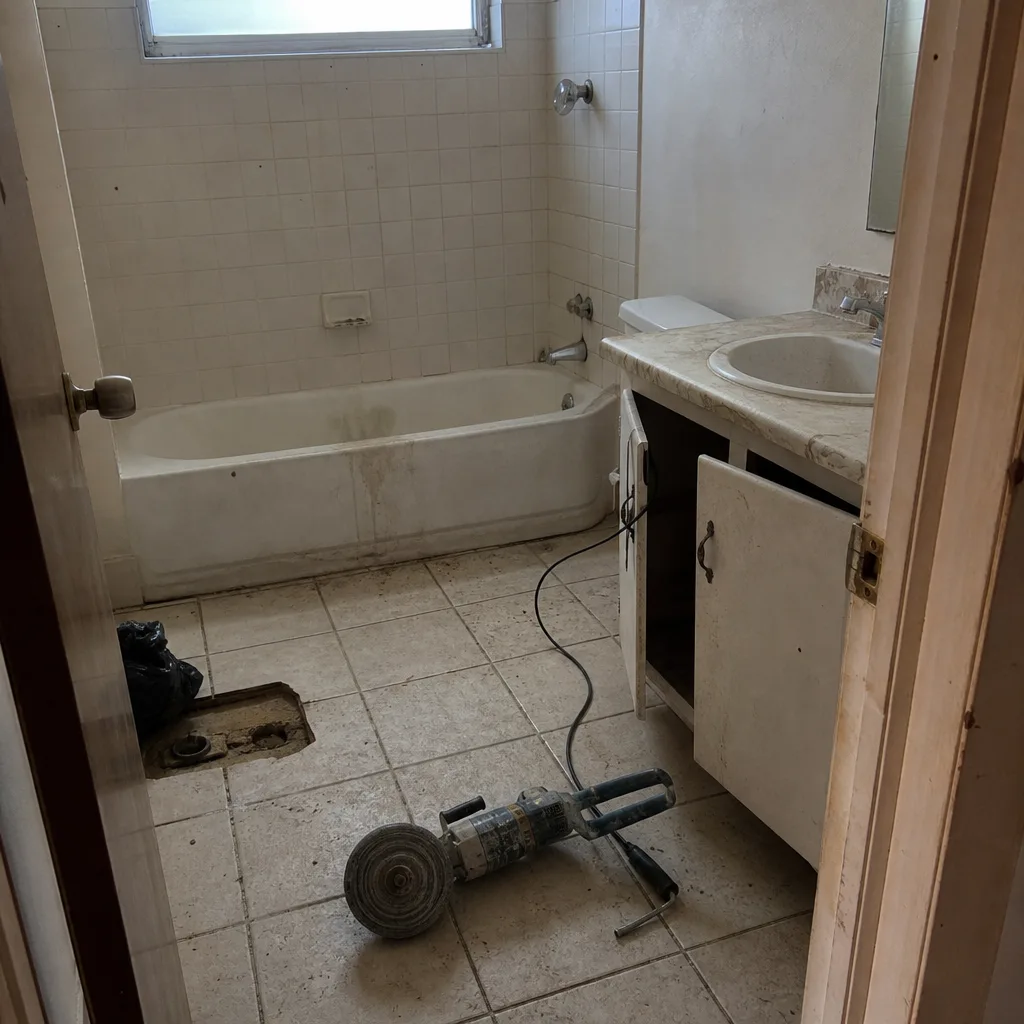 Before
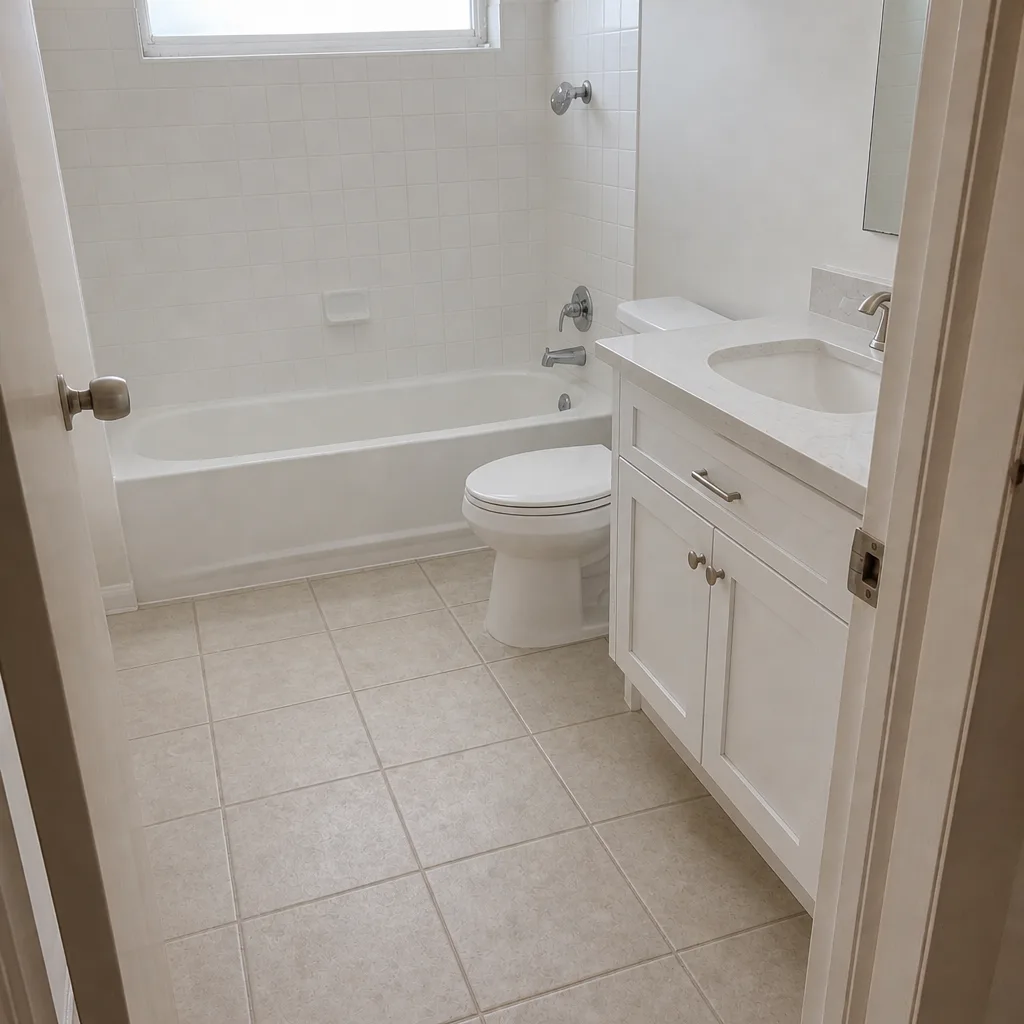 After
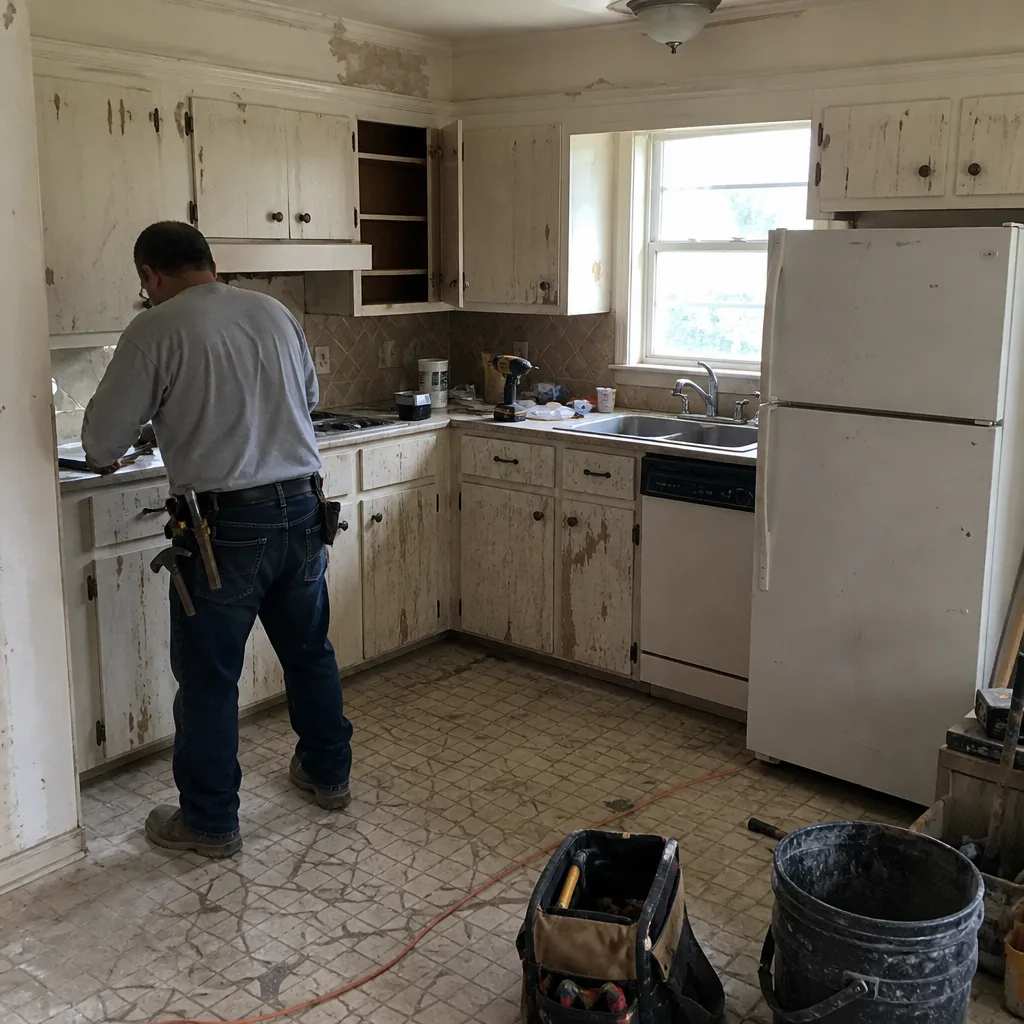 Before
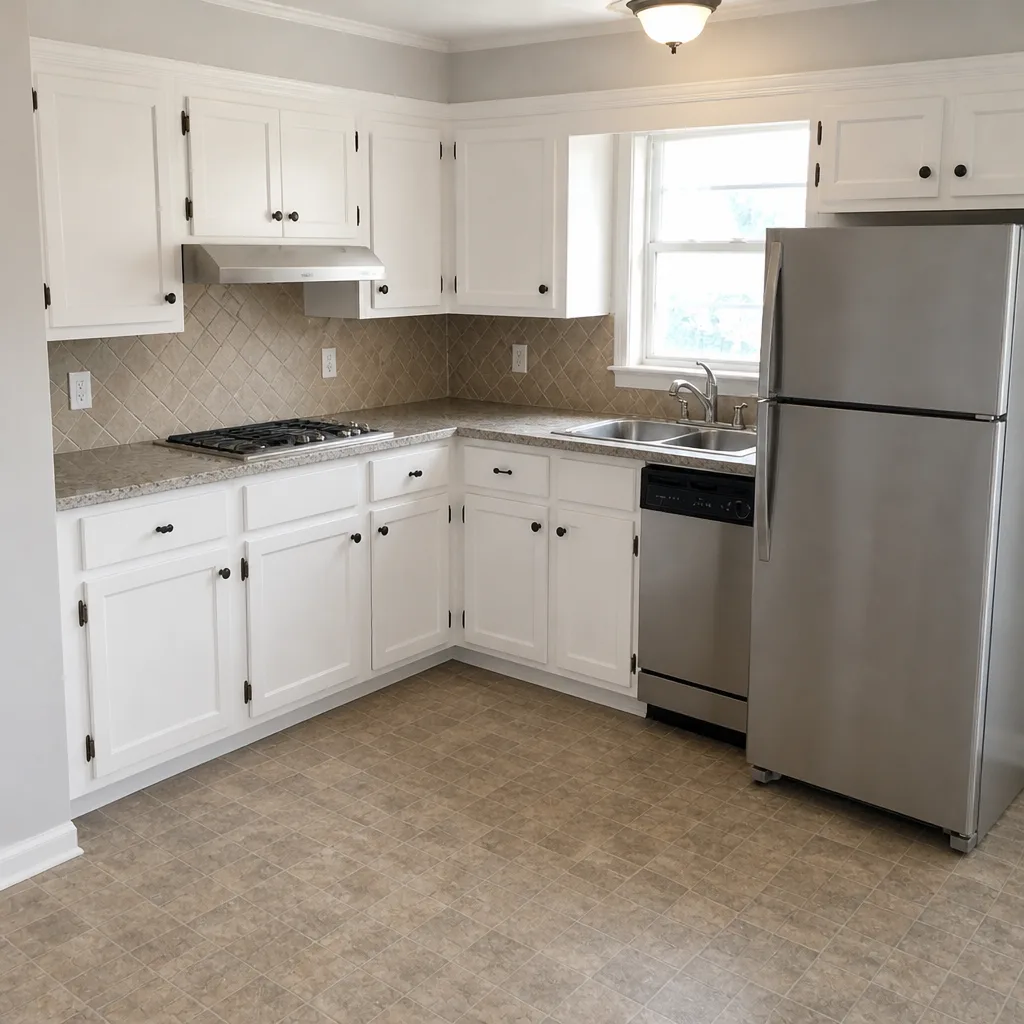 After
When to Call a Professional
Call a licensed contractor when the project involves a structural element you can’t see, like a beam within a wall or a footing below the slab. Call when the drawings need a signature from a Florida-licensed engineer, which is any structural change to a home over 30 years old in Hialeah. Call when the addition involves a scope with more than three trades, because that’s the point where subcontractor licensing and the draw schedule stop being paperwork and start being risk. Call when the plan is for an ADU on a lot with uncertain setbacks, because the right answer may be a smaller design or a different location on the parcel. And call when a written quote arrives without the engineering line – that’s the moment to get a second opinion, before the deposit, not after. Rowan Construction Group Hialeah offers free estimates in Hialeah – call (888) 836-5914 to schedule yours and bring the competing quote if you have one.
Frequently Asked Questions
Expect $800 to $2,500 for a standard single-story addition in Hialeah, depending on the complexity of the roof tie-in and soil conditions. The sealed drawings cover beam sizing, footings, load path, and connection details. If a quote omits that line entirely, the number isn’t finished – call (888) 836-5914 for a free second opinion on the written estimate.
It shouldn’t, if the scope is written line by line and every change requires a signed change order. The most common escalation on an addition is “as needed” language in framing or electrical, which gives the contractor room to charge for work that wasn’t priced. Under Clause 1 of The Haven Standard, the written price comes before anyone starts and no change proceeds without a signature. Call (888) 836-5914 for a written estimate.
Yes, Florida law requires a Notice of Commencement on any improvement over $2,500, and it should be filed at the county recorder’s office before work starts. It creates the public record that protects you against supplier liens and defines the window during which a lien can be filed. If a contractor discourages filing, that’s a reason to walk away. Call (888) 836-5914 to talk through the paperwork before you sign anything.
Every trade on the schedule, separately: electrical, plumbing, HVAC, roofing, and any specialty trade under the general contractor. Each license can be verified at Florida DBPR, and the license type has to match the work (a journeyman’s credential doesn’t cover a certified contractor scope). It takes about fifteen minutes and is the cheapest insurance on the project. Call (888) 836-5914 with the subcontractor schedule and we’ll walk through it.
Often comparable on the unit cost, but the site work, utility connections, and Hialeah permit process are still separate line items. Prefab can move faster through inspection because the manufacturer’s documentation is ready, but the site plan, setbacks, and utility connections still sit with the contractor. A quote should show all three as separate items. Call (888) 836-5914 for a line-by-line review.
10 to 15% at signing, with the rest tied to inspection milestones. A contractor asking for more than that on a major addition is asking you to fund their cash flow, and a draw schedule gated to inspections passing is the standard. Call (888) 836-5914 for a sample draw schedule and a written estimate.
The Bottom Line
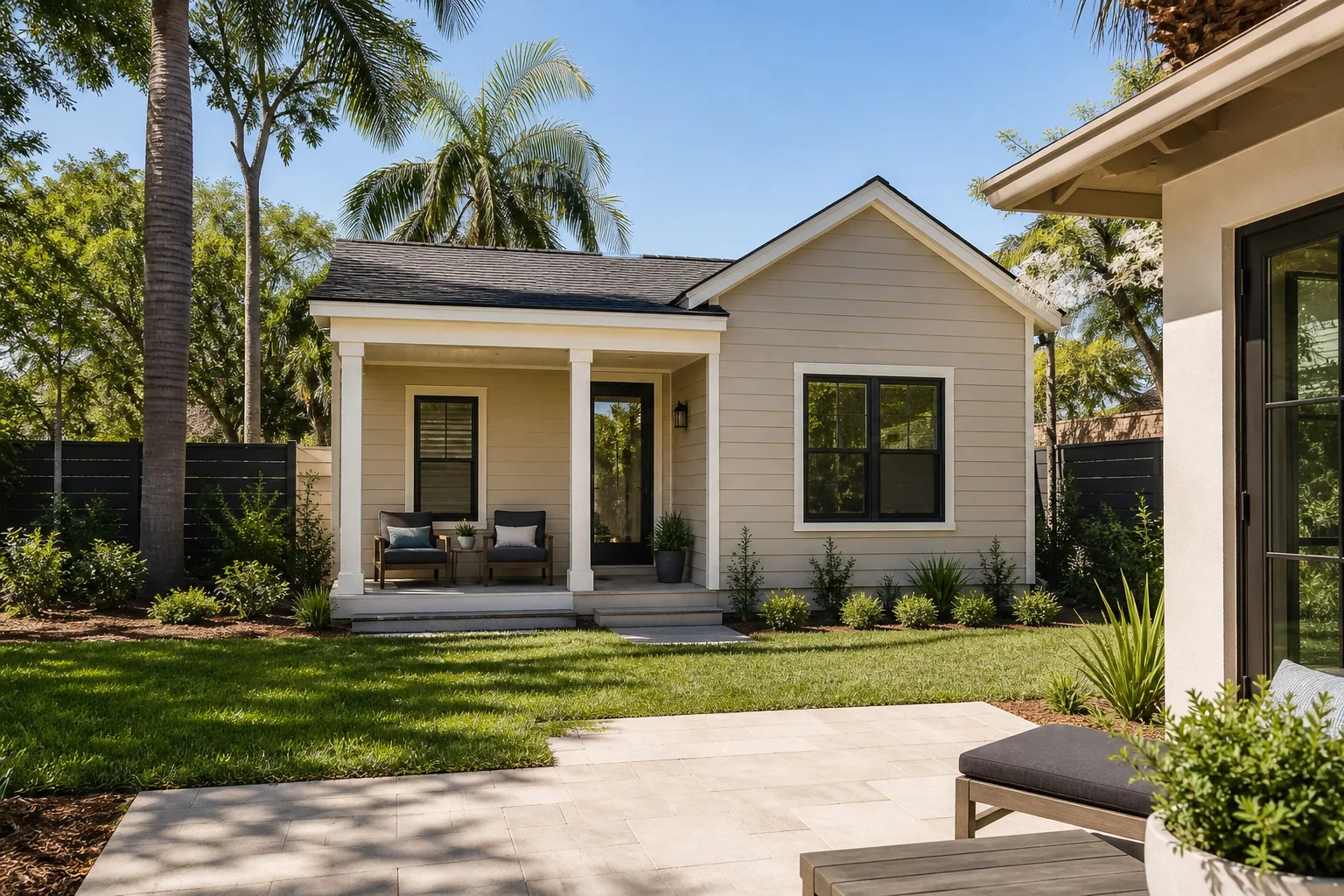
The addition or ADU that costs the most is rarely the one with the highest bid. It’s the one where the contract didn’t show the structural engineering, the scope carried “as needed” language, the draw schedule front-loaded the payments, and the Notice of Commencement was never filed – because that’s the structure that leaves the homeowner holding the cost of a project that stalls. The signs are all checkable before the first block is laid, and every one of them is a question you can ask in a five-minute conversation. Our technicians have up to 19 years of experience reading these documents on both sides of the table. Start at Rowan Construction Group Hialeah home, then call (888) 836-5914 to schedule a free estimate and a free second opinion on any written quote you already have.
Written by the team at Rowan Construction Group Hialeah.