Last updated November 17, 2026
Free written scope consultation - allowances, timeline, and change-order rules on paper before a single trade is scheduled
DIY vs Professional Fence Installation: What’s Safe to Do Yourself
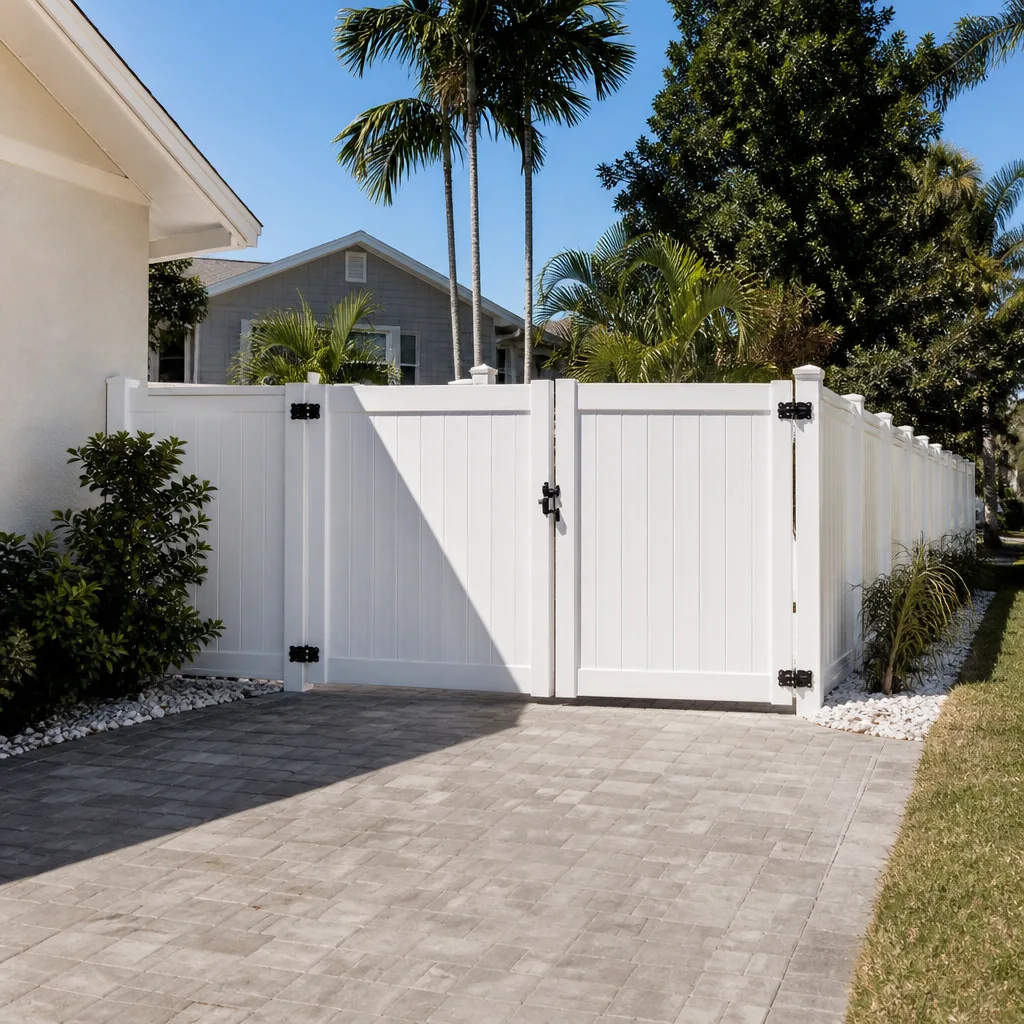
A homeowner in Hialeah who builds a fence without a permit can save the contractor markup and risk a stop-work order, a fine of up to $500 per day, and a mandatory tear-down if the fence sits in the wrong setback. That isn’t a scare tactic; the City of Hialeah runs an active code enforcement program and responds to neighbor complaints. What surprises most people researching DIY fence installation vs hiring a contractor in Hialeah is a third factor no generic guide mentions: Miami-Dade’s High Velocity Hurricane Zone (HVHZ) permit rules require a signed and sealed drawing from a licensed contractor or engineer for any fence over 6 feet, which closes the DIY door entirely on that category. This guide walks through what you can legally and safely do yourself, what you can’t, and what the actual dollars look like.
Quick Answer
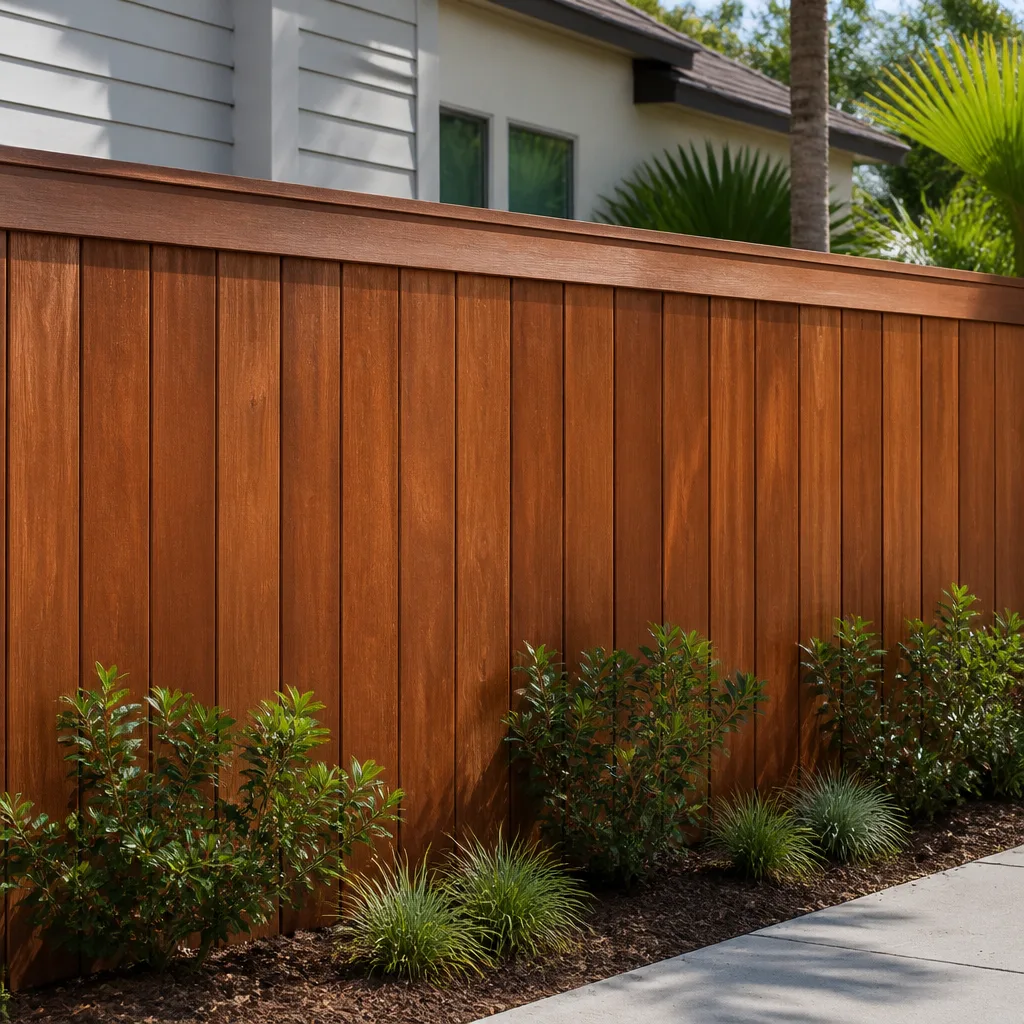
In Hialeah, you can legally self-perform layout, staining or painting, gate hardware swaps, and small non-structural garden fencing under 4 feet. Anything over 6 feet requires a signed and sealed drawing you cannot produce as an owner-builder, and even permitted fences under 6 feet must pass an inspection for embedment depth and plumb that is genuinely hard to verify without a laser level and a measured concrete form. For a standard 150-foot, 6-foot wood privacy fence, DIY runs roughly $2,150 to $3,000 all-in while a permitted contractor install runs $6,500 to $9,000 – and the gap closes fast when a failed inspection forces a rebuild.
Styles & brands we work with
- Kitchen remodeling
- Bathroom remodeling
- Home additions & ADU
- Roofing
- Windows & doors
- Driveway & pavers
- Fence
Table of Contents
- The Hialeah Permit Decision Tree
- What Homeowners Can Safely Do Themselves in Hialeah
- The Embedment and Concrete Problem for DIY
- Actual Dollar Comparison: 150 Linear Feet of Wood Privacy Fence
- Where DIY Saves Money and Where Callbacks Erase It
- Hurricane Liability and the Unpermitted Fence
- Common Mistakes to Avoid
- When to Call a Professional
The Hialeah Permit Decision Tree
Hialeah follows Miami-Dade County’s fence rules, and the permit question comes down to two variables: height and setback. Print this and keep it near your layout strings.
- Under 4 feet, in the rear or side yard, not in an easement: No permit required in most cases. This is where garden fencing lives.
- 4 to 6 feet, any yard, in the buildable area: Permit required. Submit an owner-builder application, a site survey showing the property line and setback, and a dimensioned drawing. Inspection required.
- Over 6 feet, or any height in a front-yard setback: Permit required with a signed and sealed drawing from a Florida-licensed engineer or contractor. An owner-builder cannot legally self-produce this drawing.
- Corner lots: Sight-triangle restrictions reduce allowed height near the corner regardless of yard. Check the plat before you dig.
- Pool barriers: Governed by separate pool safety code, not general fence code. A 4-foot decorative fence does not substitute for a compliant pool barrier.
What you submit as an owner-builder differs from what a licensed contractor submits on your behalf. You’ll need to prove you own and occupy the property, sign an owner-builder disclosure acknowledging you assume the liability of the general contractor, and file the survey and drawing yourself. A licensed contractor pulls the permit, files the sealed drawing, schedules the inspection, and carries the workers’ compensation and general liability insurance that covers anyone on site. If the fence is part of a larger renovation, our Fence Installation in Hialeah page lays out how permits and material selections get sequenced.
What Homeowners Can Safely Do Themselves in Hialeah
There is a meaningful list of tasks you can legally and practically handle yourself without touching structural elements or high-voltage risk. Here’s what we’d hand a homeowner and what we wouldn’t.
- Layout and string-line. Staking the run and pulling strings to mark post centers is fine for anyone. Verify the property line against your survey first – Hialeah lots in neighborhoods like Palm Springs and Hialeah Gardens run tight, and a fence built 6 inches over the line becomes a civil dispute.
- Painting or staining finished panels. No permit, no inspection, low risk. On pressure-treated pine, wait for the wood to dry before staining or you trap moisture. Cedar is more forgiving.
- Gate hardware replacement. Hinges, latches, self-closing springs. A $40 self-closing hinge on a pool gate is a code item – make sure the replacement meets the same closing force the code requires.
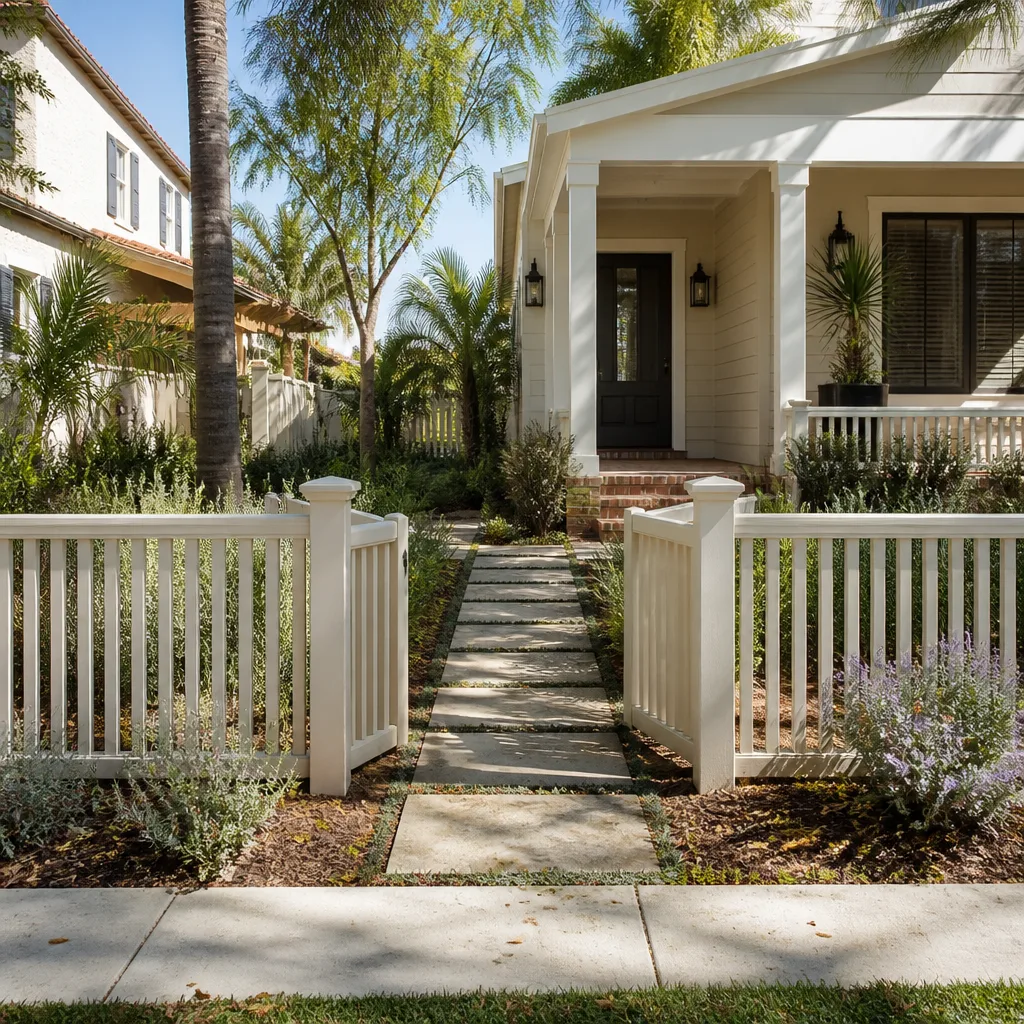
- Minor post-hole digging for non-structural garden fencing under 4 feet. Hand-digging with a clamshell digger for short decorative runs is reasonable. A 4-foot picket fence around a planting bed does not carry hurricane wind loading the way a 6-foot privacy fence does.
- Clearing the fence line. Removing old fence sections, vegetation, and debris before a crew arrives saves labor hours. On a 150-foot run, demo and haul-away is often a $400 to $700 line item.
What you should not self-perform, safe to say plainly: setting structural posts at depth, working with tensioned panels or wind-rated brackets above 6 feet, or anything inside a setback without a permit. Those are where the physics and the code both bite.
The Embedment and Concrete Problem for DIY
Here’s the part most DIY videos skip. For a 6-foot wood privacy fence in Miami-Dade’s HVHZ, the code-driven embedment depth is typically 36 inches for a 4×4 post, set in a 10-inch-diameter concrete collar. That’s a specific number you have to hit, and there’s a specific method to hit it – not just “pour some concrete in a hole.”
The technique: use a cardboard or plastic form tube set at exactly 36 inches, pour a dry-mix concrete (a quikrete-style fence mix works) and wet it in the tube so it cures as a uniform collar rather than a lumpy handful. Plumb the post to within ¼ inch using a magnetic torpedo level on two adjacent faces – a single-face check will read plumb when the post is actually twisted. Brace the post in two directions with stakes and a straight edge while the concrete sets, because a post that shifts 2 degrees during cure is a post you’re resetting later.
What makes this hard to self-verify: without a laser level strung the full length of the run, you can’t confirm all posts are at the same top height or that the run is straight against the code drawing. An inspector checks both. If they don’t hold, you either adjust posts before the panels go up or tear out the cure and start the post over – which means breaking out concrete, not just re-digging.
The tools you’ll need to do this correctly: a rotary hammer or clamshell digger for consistent hole diameter, a 10-inch form tube, a laser level strung the length of the run, magnetic torpedo levels, bracing stakes and straight edges, and a wheelbarrow or mixing tub. Rental cost on the laser level, rotary hammer, and mixer runs $200 to $350 for a weekend.
Actual Dollar Comparison: 150 Linear Feet of Wood Privacy Fence
Here’s the real math on a standard 150-linear-foot, 6-foot wood privacy fence in Hialeah. Materials and permit as of current pricing.
| Line Item | DIY Cost | Contractor Installed |
|---|---|---|
| Wood materials (posts, panels, rails, fasteners) | $1,800 – $2,400 | Included |
| Concrete (roughly 32 posts at 80-lb bags) | $250 – $350 | Included |
| Rental equipment (laser level, rotary hammer, mixer) | $200 – $350 | N/A |
| Permit fee (owner-builder or contractor-pulled) | $150 – $250 | Included in quote |
| Labor and installation | $0 (your time) | $4,000 – $6,000 |
| Gate hardware and disposal | $150 – $250 | $250 – $500 |
| Total | $2,150 – $3,000 | $6,500 – $9,000 |
The gap is $3,500 to $6,000. That’s real money. But it’s also 40 to 60 hours of a homeowner’s weekend time if the install goes smoothly, and the labor comparison only holds if you don’t have to redo a post or fail an inspection. If the fence gets flagged, the numbers invert fast: failing inspection on a post run means breaking out concrete and resetting – usually $600 to $1,200 in materials and time you can’t get back.
Note the permit line for the licensed route is embedded in the quote. Under Clause 1 of our Haven Standard, the written price and written scope come before anyone touches a tool, so the $6,500 to $9,000 range here is a documented line-item quote, not a “starts at” tease. If you’re bundling the fence with a driveway or patio, our Driveway & Pavers in Hialeah page covers how site grading affects both projects at once.
Where DIY Saves Money and Where Callbacks Erase It
The break-even isn’t the same on every fence. Here’s where DIY genuinely wins and where it quietly loses.
DIY wins on: short runs under 50 feet (fewer posts, less curing, simplest fix if something’s off); decorative or garden fencing under 4 feet (no permit, no inspection); homeowners with prior framing or carpentry experience who already own a rotary hammer and laser level; fences being installed on a clear, surveyed, and flat line.
DIY loses on: runs over 75 feet, where the laser-level and string-line work compounds and one out-of-line post telegraphs down the entire run; corner lots and easement-adjacent properties, where setback errors force relocation; anything 6 feet or taller, where the sealed-drawing requirement closes DIY out entirely; property that lacks a current survey (a new survey alone runs $400 to $700 and you need it either way).
The single biggest eraser is the callback. A fence that a homeowner installs and then has to repair after the first tropical storm – a post that heaves, a panel that racks – costs $800 to $1,500 in repair, plus whatever you spent the first time. Under the no-change-order rule, contractor pricing stays fixed at the agreed number; under DIY, the price is a moving target.
Hurricane Liability and the Unpermitted Fence
Here’s the angle most guides don’t cover. If a fence fails in a hurricane and damages a neighbor’s property, a vehicle, or God forbid injures someone, the liability question comes down to whether the fence was permitted and built to code. An unpermitted fence shifts that liability entirely to the homeowner – your homeowner’s insurance can decline the claim and your neighbor’s attorney will find the missing permit record in ten minutes.
This matters more in Hialeah than in most of Florida. South Florida’s HVHZ designation exists because this region sees the highest design wind speeds in the state, and the Miami-Dade product approval system that governs fence hardware and materials is there for a reason. A permitted fence built to the sealed drawing carries a documentation trail: the permit, the inspection record, and the contractor’s insurance certificate. That’s the record that defends you after a storm. It’s also why the background-checked, uniformed technicians who install these fences under our banner come with a documented photo record on every visit – a paper trail on the finished work, not just a promise that it went in right.
Common Mistakes to Avoid
- Digging before checking the survey. Property lines in Hialeah’s tighter lots routinely run 6 to 18 inches inside what the homeowner assumed was their yard. Verified line first, string second, hole third.
- Setting posts without a form tube. A “handful of concrete in the hole” is the most common reason a Hialeah fence post heaves or racks after its first rainy season. The 10-inch form tube is not optional at 36 inches of embedment.
- Assuming no permit because a neighbor has no permit. Enforcement is complaint-driven. A neighbor’s unpermitted fence is evidence of a neighbor’s problem, not permission for yours.
- Skipping the pool barrier code on a decorative fence. A 4-foot privacy fence is not a code-compliant pool barrier. It needs to be the correct height, gap, and self-closing hardware under the state pool code separate from the general fence rules.
- Staining pressure-treated pine too soon. Wait for the wood to dry out. In Hialeah’s humidity, that can mean 4 to 8 weeks depending on the season – not 2 weeks.
- Not factoring storm panels or gates into the run. Retrofit storm panels, gate swing direction, and self-closing hardware all change footing and post geometry. Plan them before you dig post one.
- Buying materials before the permit is approved. If a permission change is required (setback adjustment, height reduction), a pallet of fencing sitting in the driveway is money tied up and nonreturnable.
When to Call a Professional
Call a professional if the fence is 6 feet or taller (sealed drawing requirement), if any part of the run sits in a setback or easement, if the property line is unverified, if the fence is on a corner lot, or if it serves as a pool barrier. Call if you’d need to rent more than two pieces of equipment or if the run is over 75 feet. Call if you don’t want to own the liability after a storm. The point where DIY stops being a weekend project and starts being a permit-and-inspection exercise is usually around 50 feet of finished run.
Rowan Construction Group Hialeah offers free estimates in Hialeah – call (888) 836-5914 for a written price before any work begins. Our technicians have up to 19 years of experience, and if you’re comparing a quote from another contractor, we’ll review it line by line with you at no charge.
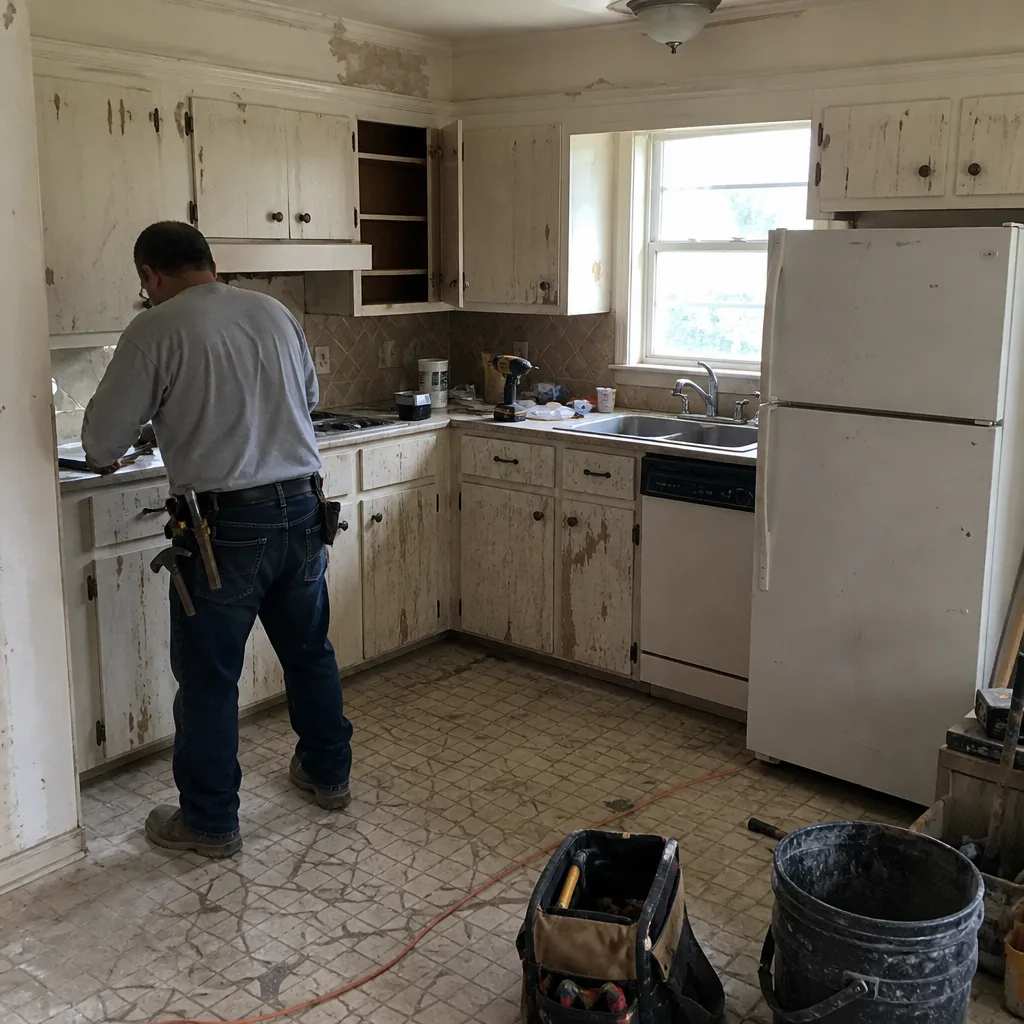
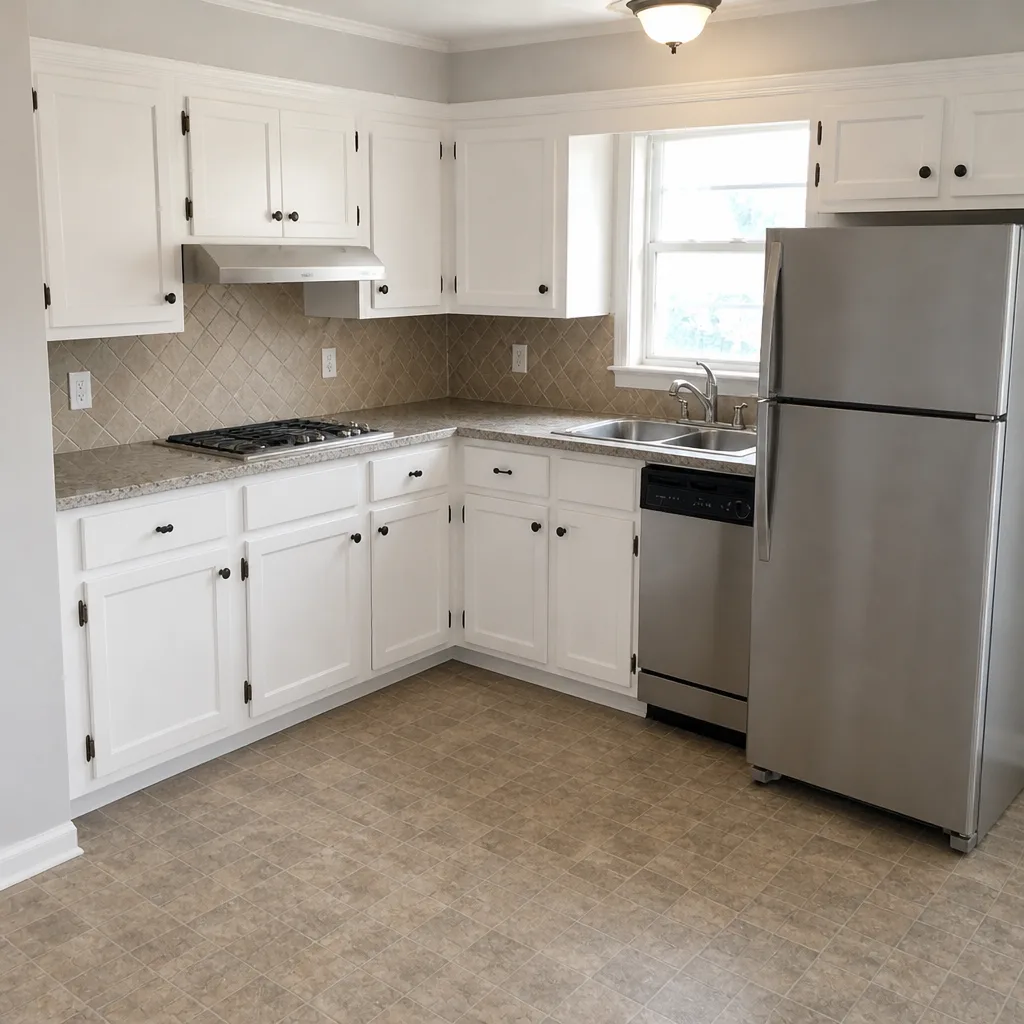
See the difference
 Before
 After
 Before
 After
 Before
 After
Frequently Asked Questions
In Hialeah, you need a permit for any fence 4 feet or taller, for any fence in a setback regardless of height, and for any fence over 6 feet that also requires a signed and sealed drawing. Fences under 4 feet outside of setbacks generally do not require a permit. Call us for a free permit check on your specific property – it takes ten minutes and prevents a stop-work order.
You can physically build it, but you cannot legally pull the permit without a signed and sealed drawing from a Florida-licensed engineer or contractor, which an owner-builder cannot produce. That means the 6-foot install is effectively a professional-only project in Hialeah. Call (888) 836-5914 to schedule a free estimate on the permitted route.
A permitted, contractor-installed 6-foot wood privacy fence on 150 linear feet in Hialeah runs $6,500 to $9,000 for materials, labor, permit, and disposal combined. The DIY route runs $2,150 to $3,000 but assumes you can meet the sealed-drawing requirement or stay under 6 feet. Call for an exact line-item quote – estimates are free.
You risk a stop-work order, a fine of up to $500 per day, and in a setback case, a mandatory tear-down. Hialeah code enforcement responds to neighbor complaints, so an unpermitted fence is a matter of when, not if, in a neighborhood with adjoining neighbors. Pull the permit or hire a licensed contractor who will.
Under Rowan’s Haven Standard, no work proceeds on any change until a signed change order is in place – so the written price holds unless you ask for a change. Our projects have run within a few percent of the agreed price across 4,000-plus jobs. Call (888) 836-5914 for a free second opinion on any written estimate you’re holding.
Yes. If an unpermitted fence fails in a hurricane and damages a neighbor’s property, your insurer can decline the claim and the liability shifts entirely to you. A permitted, code-built fence comes with a documented record that defends you. If you’re bundling a fence into a larger addition, our Home Additions & ADU in Hialeah page explains how permit sequencing works on combined projects.
The Bottom Line
In Hialeah, the DIY-versus-professional fence question is real up to a clear line. Under 4 feet, outside setbacks, on a verified line – self-install is genuinely viable, and the savings are yours. Under 6 feet with a permit – technically possible but vulnerable to inspection failure on embedment depth and plumb, and a rework bill can erase the savings. At 6 feet and above – the sealed-drawing rule removes the DIY option entirely, and the code-compliant, insured, documented route is the only one that survives a storm and a claim. Wherever your project lands on that line, we’re glad to walk the property, put a written number in front of you, and leave a photo record of the finished work. To start with our wider remodeling, roofing, and window expertise, see our Rowan Construction Group Hialeah home page, or call (888) 836-5914 to schedule a free estimate.
Written by the team at Rowan Construction Group Hialeah.