
Free written scope consultation - allowances, timeline, and change-order rules on paper before a single trade is scheduled
Unilock Fence Installation: The Hialeah Owner’s Guide
We install Unilock-compatible fence systems throughout Hialeah, and a typical installed project runs $3,500 to $9,000 depending on linear footage, wall height, and whether the job includes a matching entry pillar or lighting. Because Unilock is a masonry product rather than a lumber or vinyl fence, “installation” here means foundation footing, course alignment, cap and finish work – not a Saturday afternoon assembly. Most Hialeah homeowners discover the problem one of two ways: a section is leaning after a wet season, or the cap course has worked loose and the wall underneath is holding water.
There’s an important distinction up front. Rowan Construction Group Hialeah is an independent construction contractor. We are not affiliated with Unilock, we don’t manufacture their products, and we install their systems the way a licensed contractor installs any specified material – to spec, on a proper base, with the paperwork to prove it.
Key Takeaways
- Installed Unilock fence projects in Hialeah typically run $3,500 to $9,000.
- Most failures trace back to the footing and drainage, not the block itself.
- Unilock systems are modular – individual units can often be replaced without rebuilding the whole run.
- Our crews carry up to 19 years of experience, and every job is documented with a photo record from start to finish.
Which Unilock Models This Applies To
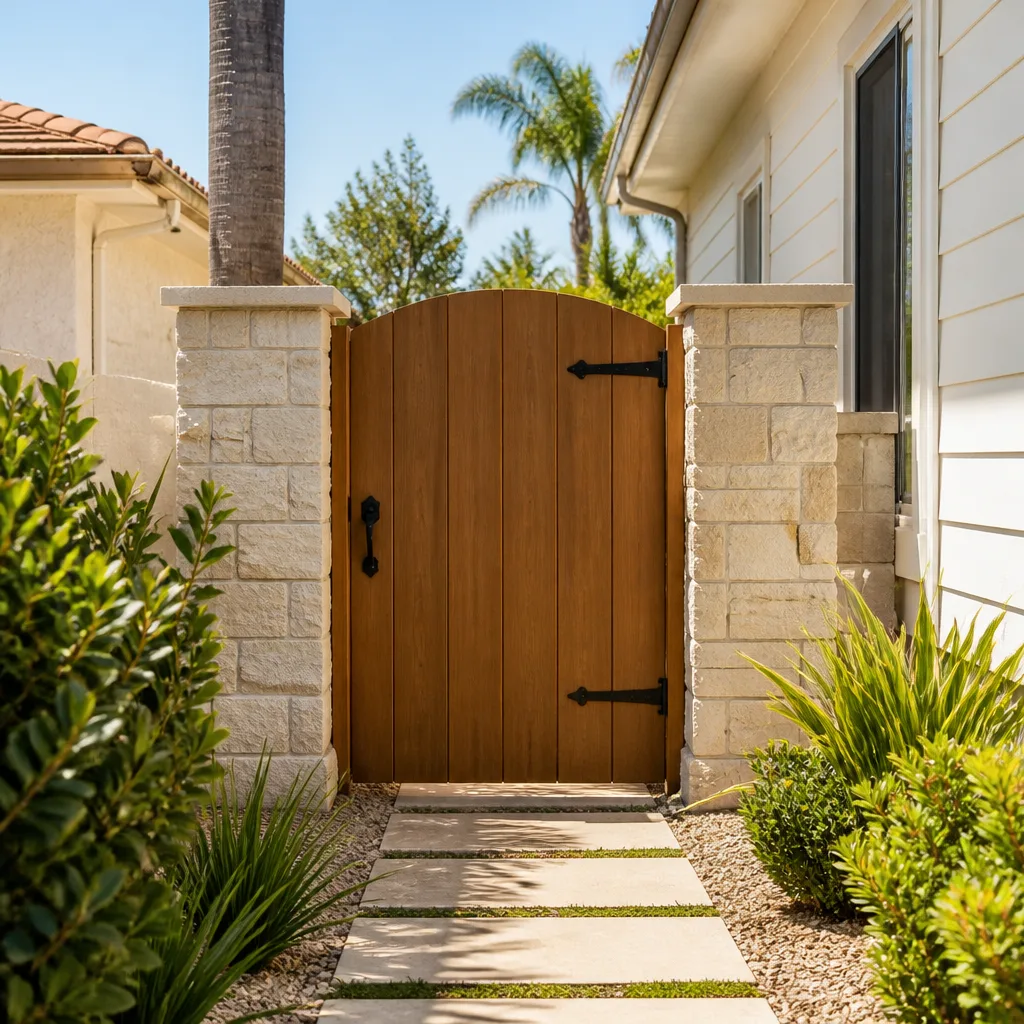
Unilock’s fence and freestanding wall systems include several distinct product lines, and the unit dimensions, corner pieces, and cap options differ between them. If you’re ordering replacement units, the model name matters more than the color. The clearest way to identify what you have is to lift a cap piece and measure the face of a single unit – length, height, and depth in inches – then compare that measurement against the manufacturer’s published spec sheet. Color names are marketing and vary by region; unit dimensions don’t.
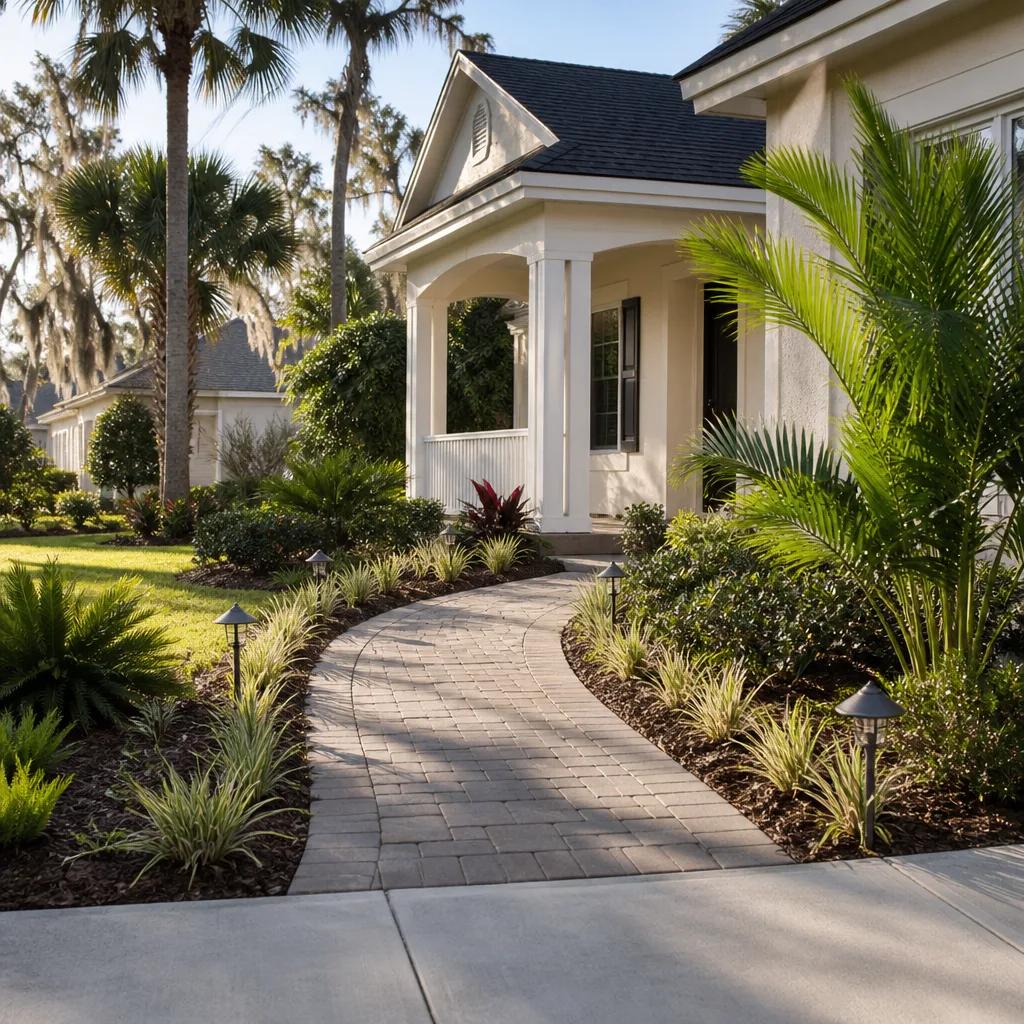
The OEM-versus-aftermarket decision works differently for Unilock than it does for, say, a garage door spring. Unilock-compatible units from the original line will always match course height and texture exactly. A generic segmental retaining wall block from a big-box aisle may be close in size but off by a fraction of an inch – which throws off cap alignment across an entire run and shows at every corner. For a Hialeah wall that’s already standing, matching the original unit is almost always the cheaper path, because reworking a misaligned course costs more in labor than the correct part costs in material. We source through the same vetted material channels we use for Belgard and Techo-Bloc hardscape work, and we’ll tell you plainly which pieces your wall actually needs.
Styles & brands we work with
- Kitchen remodeling
- Bathroom remodeling
- Home additions & ADU
- Roofing
- Windows & doors
- Driveway & pavers
- Fence
Signs Your Unilock Fence Installation Is Failing
Hialeah’s water table and summer rain pattern put more stress on a segmental wall than most of the country does. Here’s what we look for on a first walkthrough.
- Leaning or bulging sections. This is usually a footing or base compaction problem, not a block defect. Poorly compacted subbase allows the bottom course to shift under load.
- Loose or rocked caps. Cap adhesive failing is a small symptom with a bigger cause: water getting behind the cap course and freezing the drainage path. Once the cap lifts, the core fills with rain.
- Efflorescence – white powdery staining. Mineral salts migrating to the surface. Sometimes cosmetic, but persistent efflorescence points to moisture moving through the wall, which means the drainage layer or weep paths aren’t working.
- Settling at corners and pillars. Corners carry concentrated load. If a pillar has dropped a quarter inch, the footing wasn’t sized for Hialeah’s sandy soil and seasonal saturation.
- Separation between courses. Visible gaps between units usually mean the wall is moving as a unit and the interlocking connection has lost contact – often from root pressure or an undersized base.
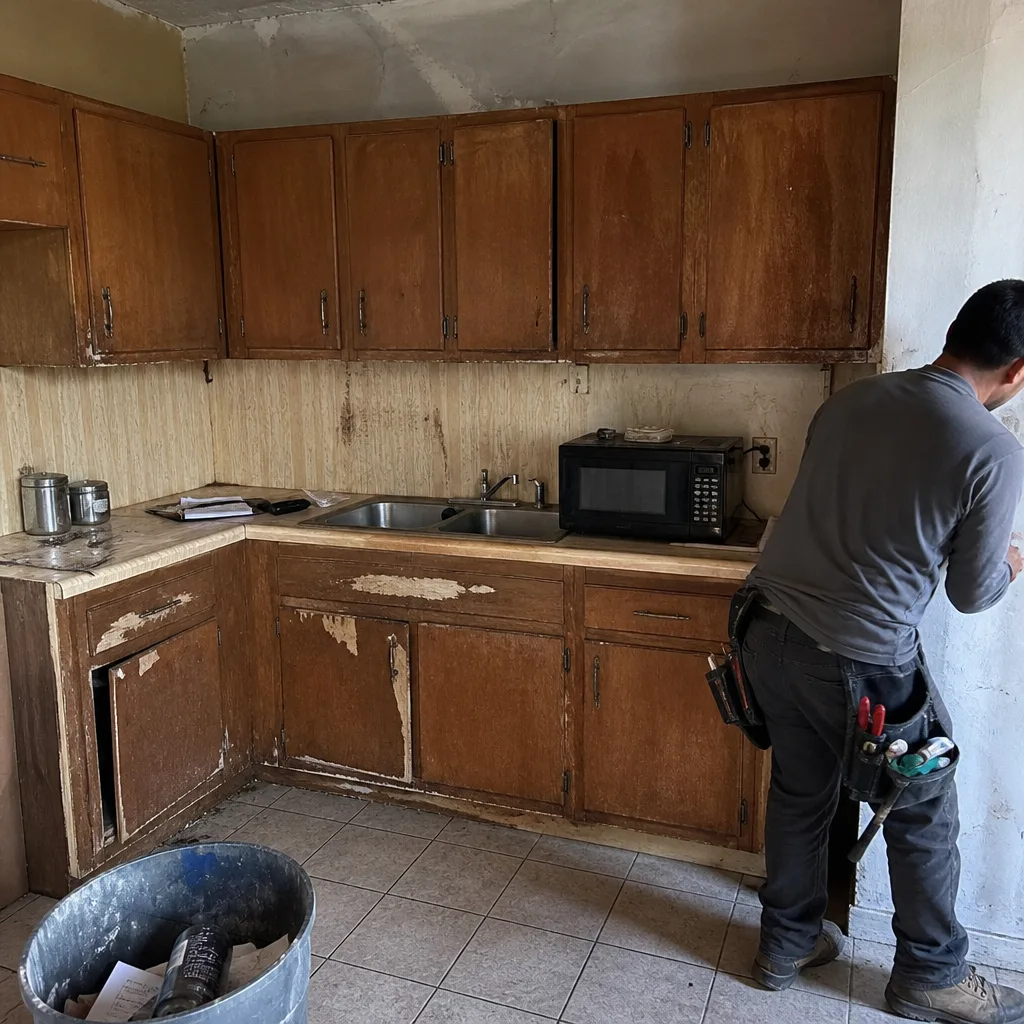
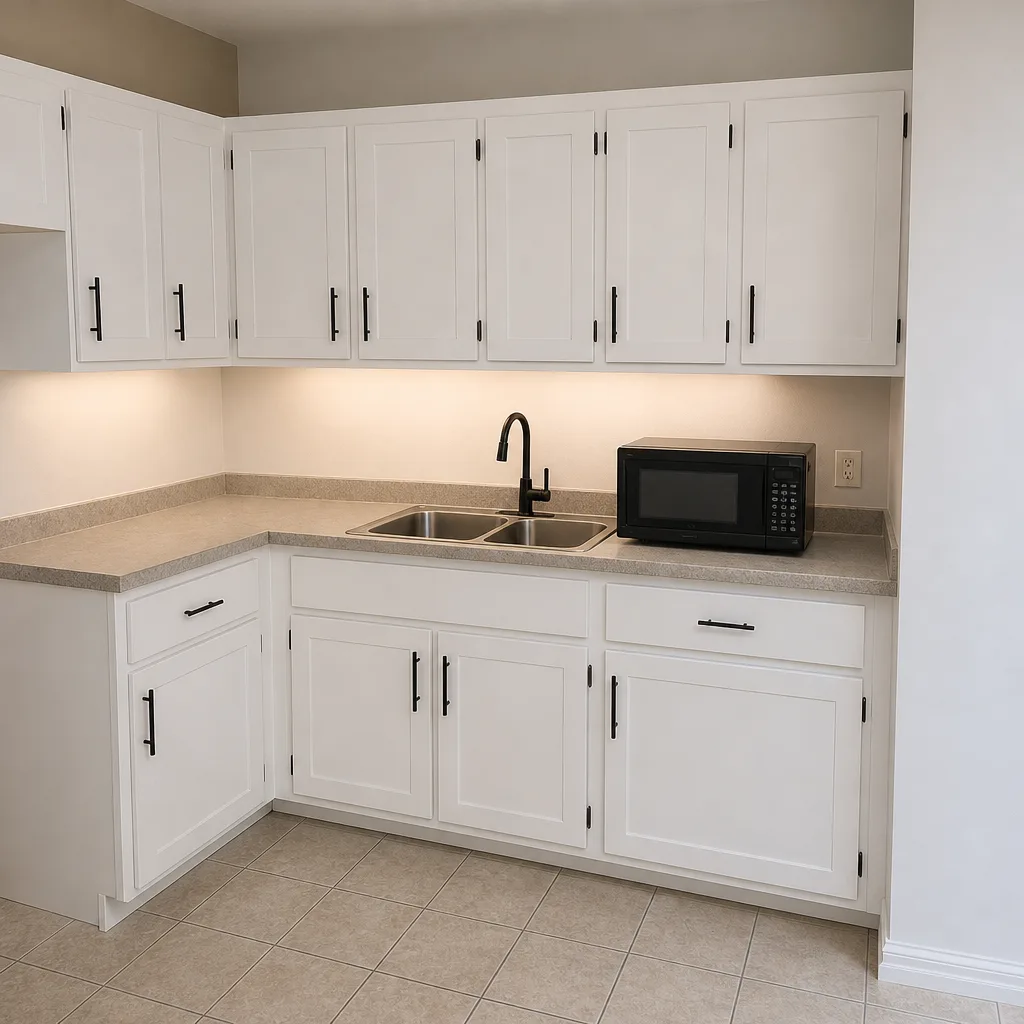
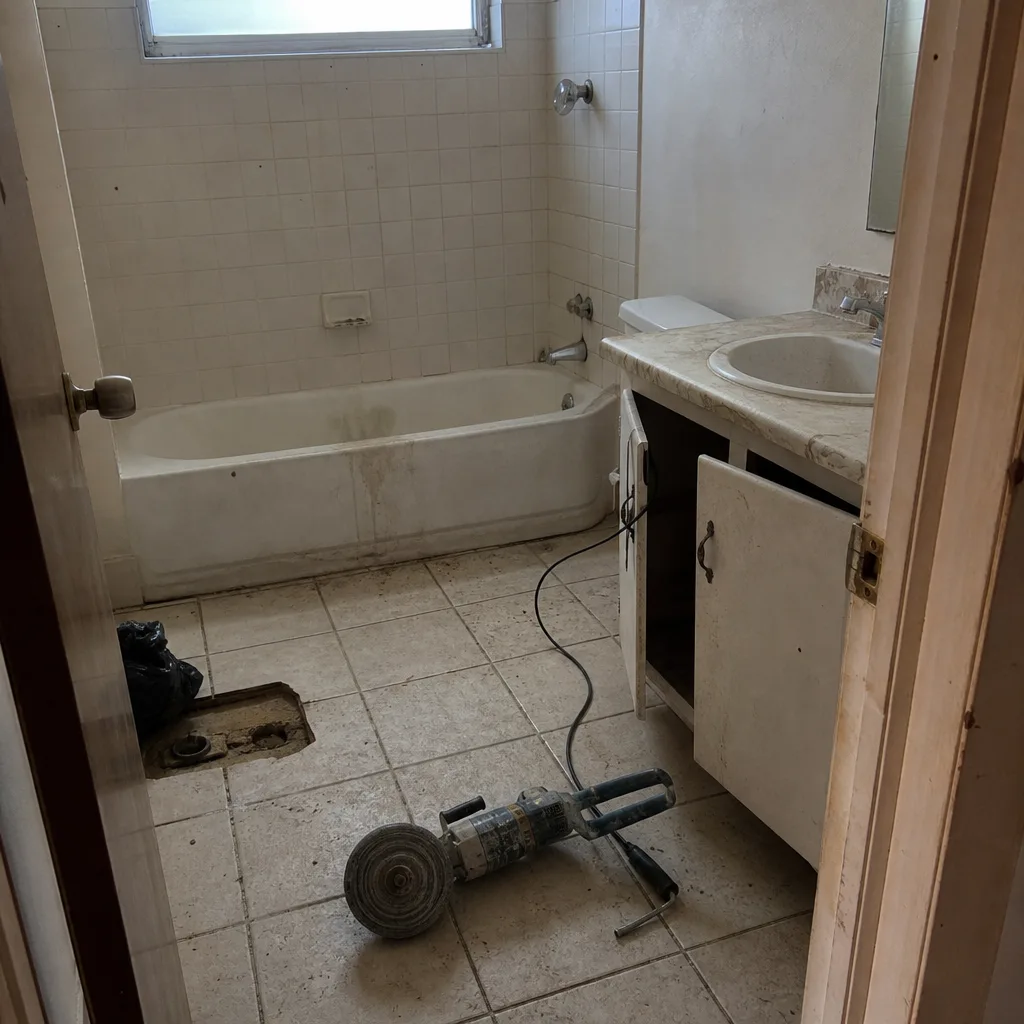
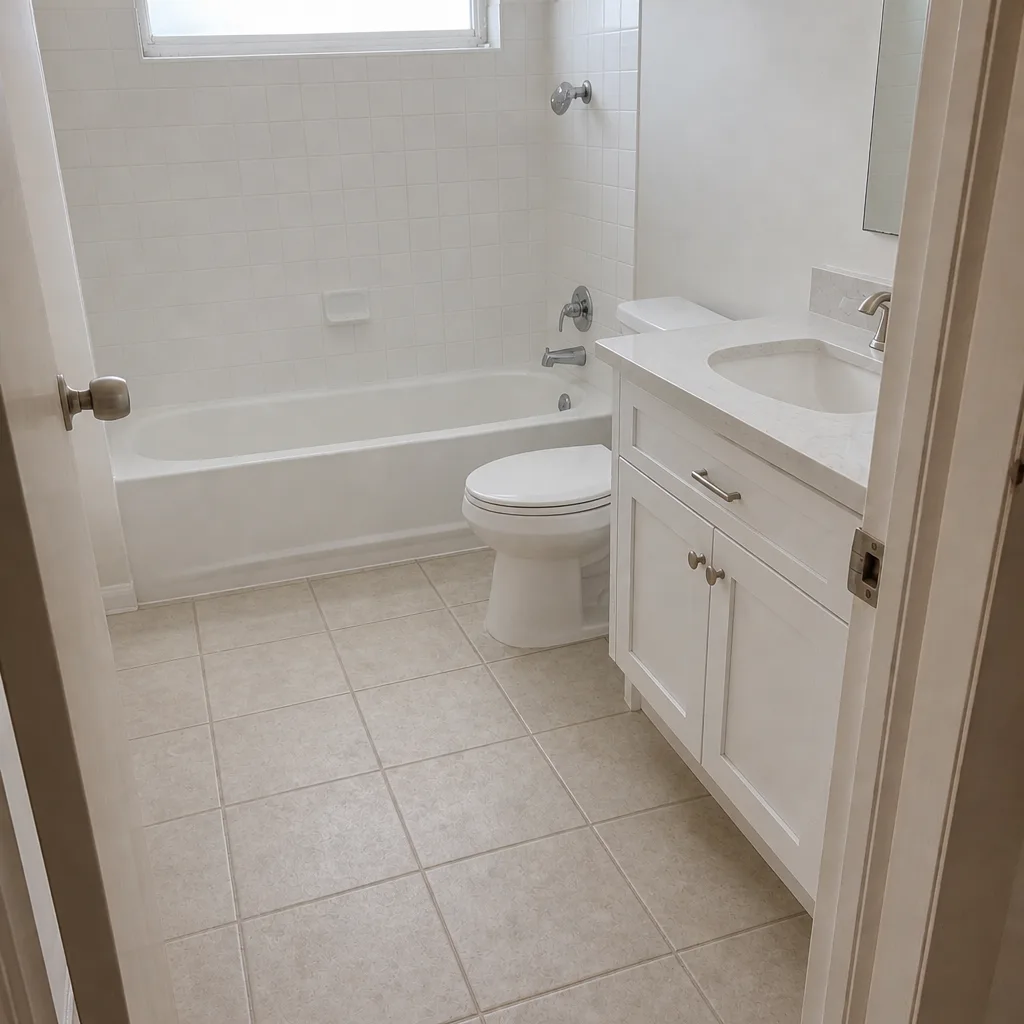
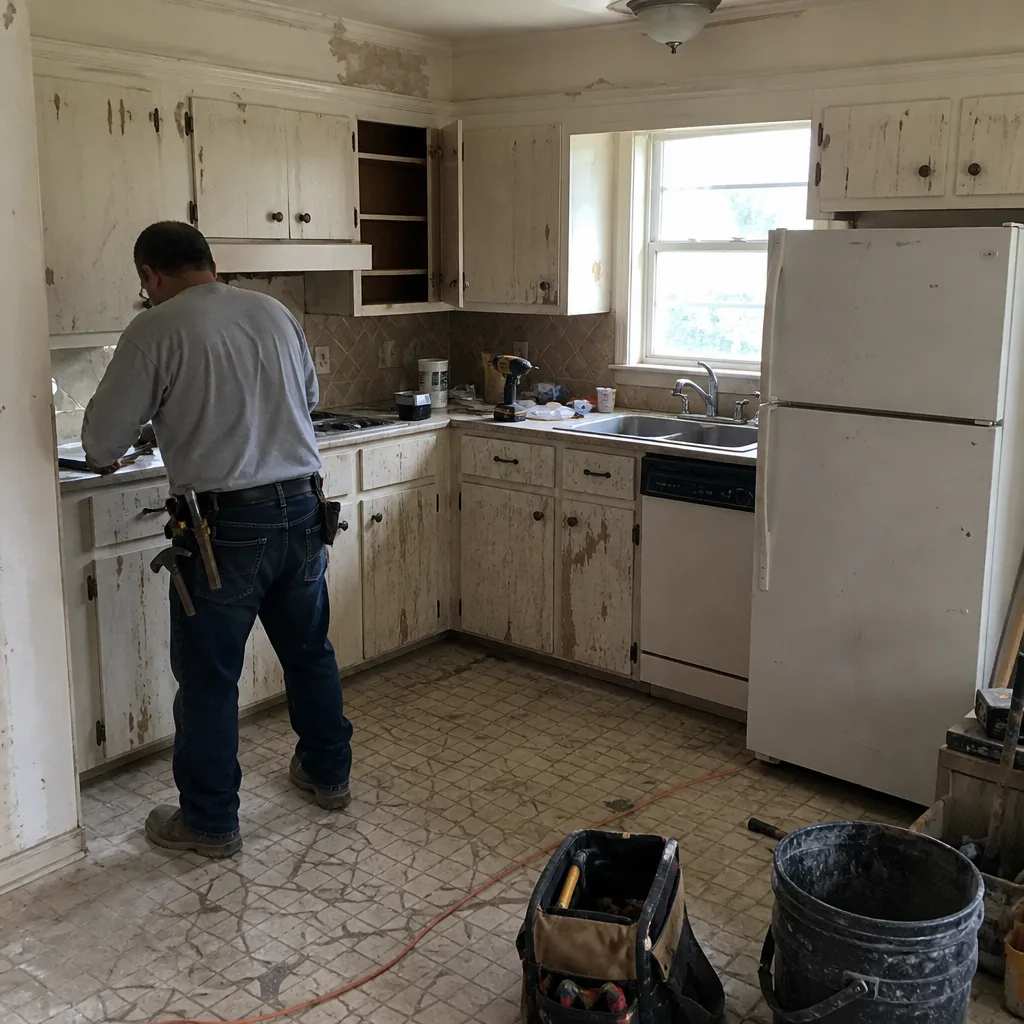
See the difference
 Before
 After
 Before
 After
 Before
 After
Replacement Cost & What’s Included
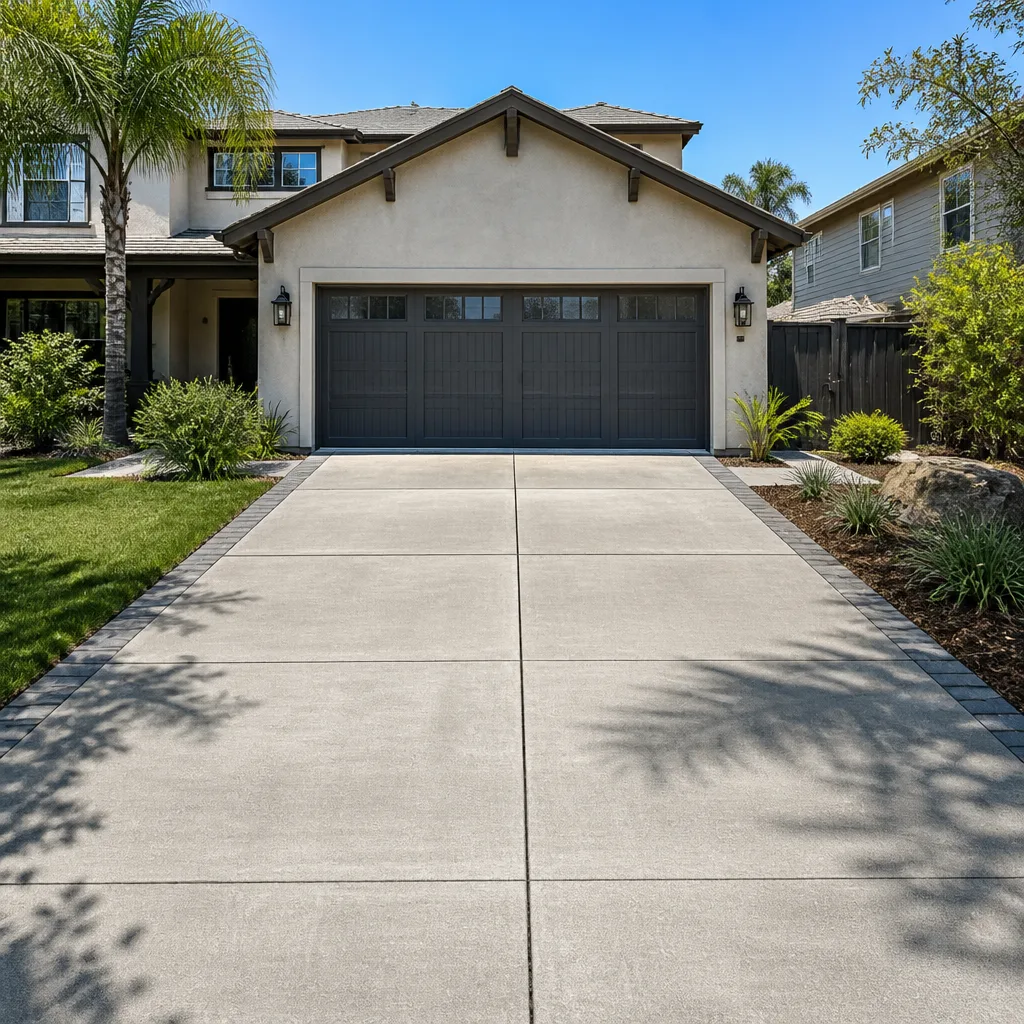
Repair and replacement work on a Unilock fence or wall in Hialeah generally lands between $3,500 and $9,000 for a full installed project, and single-section repairs sit well below that. The range is driven by four things: linear footage, wall height (which drives footing depth and material volume), whether the run includes corners and pillars, and site access – a backyard wall behind a tight Hialeah lot takes longer to stage than a front property line.
| Scope | Typical Installed Range |
|---|---|
| Full Unilock fence installation (residential run) | $3,500 – $9,000 |
| Section repair / re-level and re-cap | Below full-project range |
| Vinyl fence (for comparison) | $3,500 – $9,000 |
| Aluminum fence (for comparison) | $4,000 – $10,000 |
Under Clause 1 of The Haven Standard, you get a written flat price with a written scope before anyone picks up a tool – parts, labor, base prep, and disposal itemized. If the scope changes, no work proceeds on that change until a signed change order is in place. The work carries our 365-Day Done Right Promise: if it isn’t done right, we make it right.
DIY or Call Us?
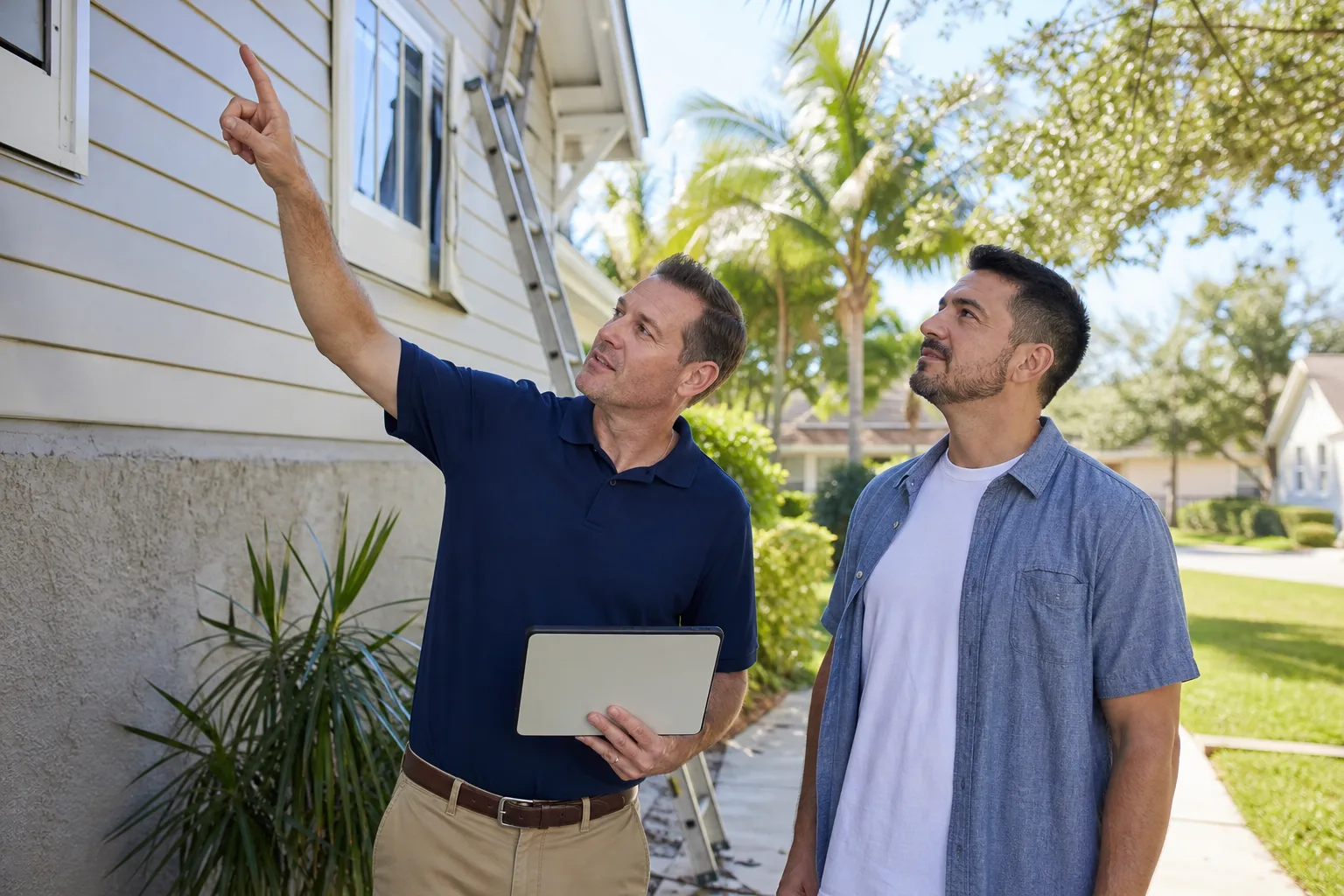
There’s real work here that isn’t dangerous, and some that is. You can safely inspect the wall yourself: walk the run and note where it leans, photograph any cracked or loose units, check that the cap course sits flush, and confirm water drains away from the base rather than pooling against it. That information makes a repair quote faster and more accurate.
What goes wrong is the rebuild itself. A segmental wall is a retaining structure – it’s holding back load, and a base that’s a half inch off or a footing that’s undersized fails again within a season in Hialeah’s soil. Lifting and re-seating units on a compromised base is the single most common repeat-failure pattern we see. It’s one thing to troubleshoot a loose cap; it’s another to dig out and re-set a loaded course. That’s trained work, and our technicians bring extensive experience on exactly this. Call (888) 836-5914 for a free estimate and we’ll walk the site before anyone commits to a number.
FAQs
How long does a Unilock fence last in Hialeah? Properly installed, a Unilock wall system should hold up for decades – the block outlasts the base if the base is built right. In Hialeah’s climate, footing depth and drainage are what determine real lifespan, not the material.
Can the failing section be repaired instead of replaced? Often, yes. If the base and footing are sound, individual units and the cap course can be replaced without rebuilding the run. We’ll tell you which situation you’re in after a walkthrough. Call (888) 836-5914 – estimates are free.
How long does the swap take? A single-section repair is typically a short job; a full fence installation runs longer depending on linear footage and base prep. Your written quote includes a timeline estimate, and you’ll get a photo record at every stage.
How do you source the right Unilock part? We measure the existing units against published specs and source through the same vetted material channel we use for Belgard, Techo-Bloc, and other brands we service – including KraftMaid, Cambria, and Silestone on interior work. We confirm the matching unit before ordering, so the cap course lines up the first time.
Whether you’re repairing one leaning section or installing a new Unilock-compatible fence along your Hialeah property line, the first step is a free, written estimate with a real number – not a “call for a quote.” Bring a competitor’s estimate and we’ll review it line by line at no charge as a free second opinion. Call Rowan Construction Group Hialeah at (888) 836-5914 to schedule your free estimate; a live person answers around the clock.
Written by the team at Rowan Construction Group Hialeah, serving Hialeah and nearby areas.