Last updated November 17, 2026






Free written scope consultation - allowances, timeline, and change-order rules on paper before a single trade is scheduled
Home Additions & ADU Maintenance Schedule: What to Do and When
The highest-probability leak point on a home with an addition or ADU isn’t the new roof, the windows, or the walls. It’s the flashing joint where the new structure ties into the existing roof, and most homeowners don’t know it exists until a ceiling stain appears after a heavy rain. That joint relies on layered metal and sealant doing quiet work out of sight, and it degrades on a schedule whether anyone thinks about it or not. What follows is the maintenance calendar we use for additions and ADUs across Hialeah, built around South Florida’s two real seasons: the wet one and the one where everyone holds their breath. You’ll get the month-by-month tasks, the connection-point checks that actually matter, and the records worth keeping.
Quick Answer
An addition or ADU needs its own maintenance schedule, not an extension of the main house’s. The connection joint, separate HVAC systems, and roof flashing should be inspected every 12 months, and in South Florida the calendar breaks into three fixed checkpoints: pre-hurricane season in May, post-rainy-season in November, and two interim walkthroughs in February and August. Systems shared with the main house get maintained together; systems unique to the addition (mini-splits, the joint sealant, differential settlement at the foundation line) get their own timeline or they get neglected.
Styles & brands we work with
- Kitchen remodeling
- Bathroom remodeling
- Home additions & ADU
- Roofing
- Windows & doors
- Driveway & pavers
- Fence
Table of Contents
- Why Your Addition Needs Its Own Schedule
- The Hialeah Four-Point Maintenance Calendar
- The Connection Joint: Where Additions Fail First
- HVAC Maintenance: Mini-Splits vs. Tied-In Additions
- Stucco and Paint in Hialeah’s Humidity
- Records That Protect Your Insurance Claim and Resale
- Common Mistakes to Avoid
- Frequently Asked Questions
Why Your Addition Needs Its Own Schedule
A house maintains itself on a familiar rhythm. You know where the gutters clog, which window sticks in summer, how old the water heater is. An addition or ADU comes with a different rhythm entirely, and the systems that differ most are the ones that fail without any warning you’d recognize.
Consider three categories. First, shared systems: the main electrical panel, the water main, the sewer line. An addition draws on these, so maintenance stays on the main house’s schedule. Second, mirrored systems: the new roof gets its own gutters, the new walls their own paint, the new foundation its own slab. These follow the same calendar as the main house but are separate surfaces to inspect. Third, and this is where owners lose track, systems that exist only on the addition: a dedicated mini-split, the expansion joint, the flashing tie-in, the settlement line where new concrete meets old.
We’ve walked Hialeah additions where the mini-split filter hadn’t been touched in three years because the owner assumed it was on the same quarterly schedule as the central air. We’ve also opened ADUs in Hialeah where the expansion joint sealant had cracked through and rain was tracking into the wall cavity behind the interior drywall. The system was doing its job for years and then quietly stopped. If you take one thing from this guide: the additions and ADU trade is young enough that a lot of installations are hitting their first maintenance milestones right now, and Hialeah’s storm season accelerates the wear. Under Clause 1 of the Haven Standard, we write the price before anyone picks up a tool, but maintenance is where you prevent the big number from ever appearing.
The Hialeah Four-Point Maintenance Calendar
Hialeah’s climate isn’t a year-round blur of humidity. It has a wet season that runs roughly May through October, with afternoon thunderstorms that drive rain at an angle most roofs never see in drier climates. The calendar below is pegged to that reality, and to the hurricane season dates that shape how South Florida homeowners plan.
May: Pre-Hurricane Season Inspection
Do this before the first named storm forms. The tasks here are about wind and water, not comfort.
- Walk the roof perimeter and inspect every piece of flashing at the addition-to-existing tie-in. Look for lifted edges, missing fasteners, and dried or bubbling sealant.
- Check the hurricane-rated panels or impact windows on the addition specifically. In Hialeah, impact glass is standard, and we often see PGT or CGI units on additions; verify no cracked panes or failed seals since last season.
- Clear the new roof’s gutters and downspouts completely. A clogged downspout during a tropical system sends water into the connection joint from above and behind.
- Inspect the expansion joint sealant for cracks. This is your last chance to renew it before six months of rain.
- Check the ADU’s mini-split condenser for debris and confirm the unit is secured to its pad or wall bracket.
- Test the addition’s smoke and CO detectors. Newer code installations often include interconnected alarms; make sure they still link to the main house.
November: Post-Rainy-Season Inspection
Once the wet season ends, add these tasks. This is when we find what the storms did.
- Inspect interior ceilings and walls along the addition’s connection line for any new staining or soft spots. This is where the leak point telegraphs itself first.
- Check the exterior stucco for new hairline cracks and for any crack measuring 1/16 inch or wider (details below).
- Inspect the ADU’s condensate drain line for algae growth and clogs, which thrive in Hialeah’s humidity.
- Look at the foundation line where the addition meets the existing slab. Note any new step, gap, or separation.
- Check the addition’s roof from the ground for lifted shingles or missing granules after storm-driven rain. GAF and Owens Corning shingles are common on Hialeah roofs, and their warranties depend on documented inspection.
- Photograph everything. You’ll want a dated record if an insurance claim comes later.
February and August: Interim Walkthroughs
The interim checks are shorter, maybe 30 minutes, and cover the quick-repeat items: the mini-split filter (clean or replace), the expansion joint sealant (a visual and a hand test for pliability), the ADU’s exterior paint condition, and the gutters. February is also a good time to review any contractor records from the previous year; August is a good time to catch AC issues before the post-season window when everyone else is also calling.
The Connection Joint: Where Additions Fail First
If the addition has one identifiable weak point, it’s the joint. The structural tie-in where new framing meets old, the flashing that protect that intersection, the expansion joint that lets two differently-aged structures move independently, and the settlement line at the foundation. Each is a separate failure mode, and each has its own inspection task.
Expansion joint sealant. The joint between an addition and an existing wall is a movement joint. It’s designed to flex. The sealant in it should stay pliable for five to ten years in Florida sun, but “pliable” is the operative word. Press a fingernail into the sealant. If it’s hard, crumbly, or separated from one side, it needs renewal. This is a maintenance item, not a repair order.
Roof flashing integrity. The flashing at the tie-in is layered metal, often aluminum or copper, and its job is to shed water behind the shingles and into the new roof’s underlayment. It fails when fasteners back out, when the metal corrodes, or when the sealant around it fails. In Hialeah, we’ve seen three-season-old installations where the flashing fasteners had already loosened from storm-driven expansion and contraction.
Differential settlement. New foundations settle. Existing foundations are done settling. The line between them can reveal an entire structural story if you read it correctly. A hairline crack at the foundation line is normal; a step, a gap that widens over repeated inspections, or a crack wider than 1/16 inch is not, and it’s worth a structural evaluation. Look at the joint once a year, note what you see, and compare year over year.
This is one of the checks we build into every Home Additions & ADU in Hialeah walkthrough, and it’s the reason we document the connection centerline with photos on every inspection. Under the 365-Day Done Right Promise, if the joint fails within a year of our install, we make it right, but the calendar keeps it right long after that.
HVAC Maintenance: Mini-Splits vs. Tied-In Additions
The HVAC system in an addition or ADU runs on one of two tracks, and the maintenance differs more than most owners expect.
Separate Mini-Split Systems
ADUs increasingly use dedicated ductless mini-splits. In Miami-Dade, we commonly see Mitsubishi, Daikin, and Carrier units, and all three have similar maintenance profiles. The indoor unit has a washable filter that should be cleaned every four to eight weeks during heavy-use months and at least monthly during Hialeah’s summer. The condensate drain, in our humid climate, grows algae fast; check for flow monthly and flush it as part of the May and November inspections. Coil cleaning on the outdoor unit is a once-a-year task, usually in the spring before the heavy cooling season, and that’s when you check for bent fins, debris, and refrigerant line condition. Some mini-split systems benefit from a professional service every year; manufacturers vary, so read your manual’s specific interval rather than assuming all ductless brands are identical.
Additions Tied to the Main System
When an addition is ducted into the main HVAC, the system is doing more work over a larger envelope. The filter schedule stays on the main house’s rhythm (typically every one to three months, depending on filter type and dust load), but two things change. First, the system’s capacity was sized for the original house plus the addition, so if any addition is new and the system is older, it’s working hard. Second, duct runs into the addition can develop leaks at junctions, which loses cool air into the attic. Have the ducts inspected every two years and the coils cleaned per the manufacturer’s service schedule.
Whichever track your ADU follows, keep the service record. At resale in Hialeah, a documented mini-split service log is worth more to a buyer than a verbal guarantee, and manufacturer warranties usually require documented service.
Stucco and Paint in Hialeah’s Humidity
Stucco is the dominant exterior finish in Hialeah, and it’s also where minor issues get mistaken for big ones and vice versa. The key is knowing which cracks are normal aging and which need attention now.
Hairline cracks are normal. A 1/32-inch crack or thinner that follows a straight line across stucco is typically shrinkage from the original cure, especially on newer additions. Not a structural concern. Monitor it, and if it doesn’t widen over a year, leave it alone.
Cracks 1/16 inch or wider need action. A 1/16-inch crack is roughly the thickness of a nickel. At that width, water starts reaching the substrate behind the stucco. It needs caulk or stucco repair, not just paint over it, because paint over a wide crack fails within a season in our humidity. Look for cracks around the addition’s window and door corners, which is the most common location, and along the joint between new and old stucco if the addition required a stucco patch.
Paint schedule. Hialeah’s UV exposure and moisture cycles push exterior paint to a five-to-seven-year renewal interval in most cases, sometimes shorter on south- and west-facing walls. Inspect for chalking (a powdery finish that indicates the paint is breaking down), bubbling, and peeling, particularly around soffits and the fascia where rain runoff concentrates. If the paint is chalking, it’s ready for repaint whether or not it looks peeling yet. Use a 100% acrylic exterior paint rated for high humidity and wind-driven rain. If you’re painting an addition, plan to paint the entire wall, not just the new section, or you’ll see a color mismatch when the sun hits it.
Records That Protect Your Insurance Claim and Resale
In Miami-Dade, the paperwork matters as much as the maintenance. An addition or ADU built without a documented permit and inspection trail can cost you at resale and complicate an insurance claim. Keep these records and keep them current:
- Permit card and final inspection sign-off. These show the addition or ADU was built and inspected to the code in force when it was constructed. Lenders, insurers, and buyers will ask.
- Material warranty documents. Shingle warranties, mini-split warranties, impact window and door warranties. Keep the registration confirmations too; some manufacturers require activation for the warranty to be valid.
- Contractor documents. The written scope, the signed change orders, the final invoice, the written workmanship warranty. Under the Haven Standard, every Rowan project closes with a written warranty and a photo record, and we recommend every homeowner keeps both regardless of who built the addition.
- Maintenance log. A single dated list of what was inspected, what was cleaned, and what was repaired. Photos help. This is what distinguishes a well-maintained addition from an unknown at resale and what an adjuster will want when assessing storm damage.
- Roof inspection receipts. Roofing warranties from GAF or Owens Corning often require documented professional inspection for certain claims; keep the receipts.
If you can’t produce these things at resale in Hialeah, expect a buyer’s inspector to flag the addition, expect the appraisal to discount it, and expect a longer negotiation. The records take twenty minutes a year to maintain, and they’re worth far more than that at the closing table. If you’re building the addition now, this is one of the reasons we deliver a documented photo record on every visit as standard. If you’re maintaining one already built, this is the guide’s most important bullet: keep the paper.
Common Mistakes to Avoid
- Treating the addition like an extension of the main house. The connection joint, the mini-split, and the settlement line don’t appear on any checklist for a standalone home. Build a second schedule for the addition specifically. The full framework is covered in our Rowan Construction Group Hialeah home guide.
- Skipping the pre-hurricane inspection because “nothing happened last year.” The flashing joint doesn’t wear predictably; it wears with every storm. A joint that survived a mild season can fail in the next one simply from accumulated fastener fatigue.
- Painting over a wide stucco crack. Paint over a 1/16-inch crack fails within a year in Hialeah’s humidity because the movement continues under the paint film. Caulk or stucco repair first, then paint.
- Cleaning the mini-split filter on the main house schedule. The main air handler filter and a ductless indoor unit’s washable filter are different items at different intervals. Ductless filters need cleaning every four to eight weeks in heavy cooling months, not every three months.
- Letting the ADU’s condensate drain run dry of attention. In Hialeah, algae clogs it in weeks during summer. A clogged drain line means water on the floor or in the wall, not just a backed-up unit.
- Discarding the permit paperwork. It’s not decoration. Miami-Dade insurance claims on additions can get delayed or denied when the original permit trail isn’t produced.
- Ignoring a widening crack at the foundation line. A hairline that’s stable for years is fine. A hairline that’s visibly larger than it was a year ago is worth a structural evaluation before the next storm season.
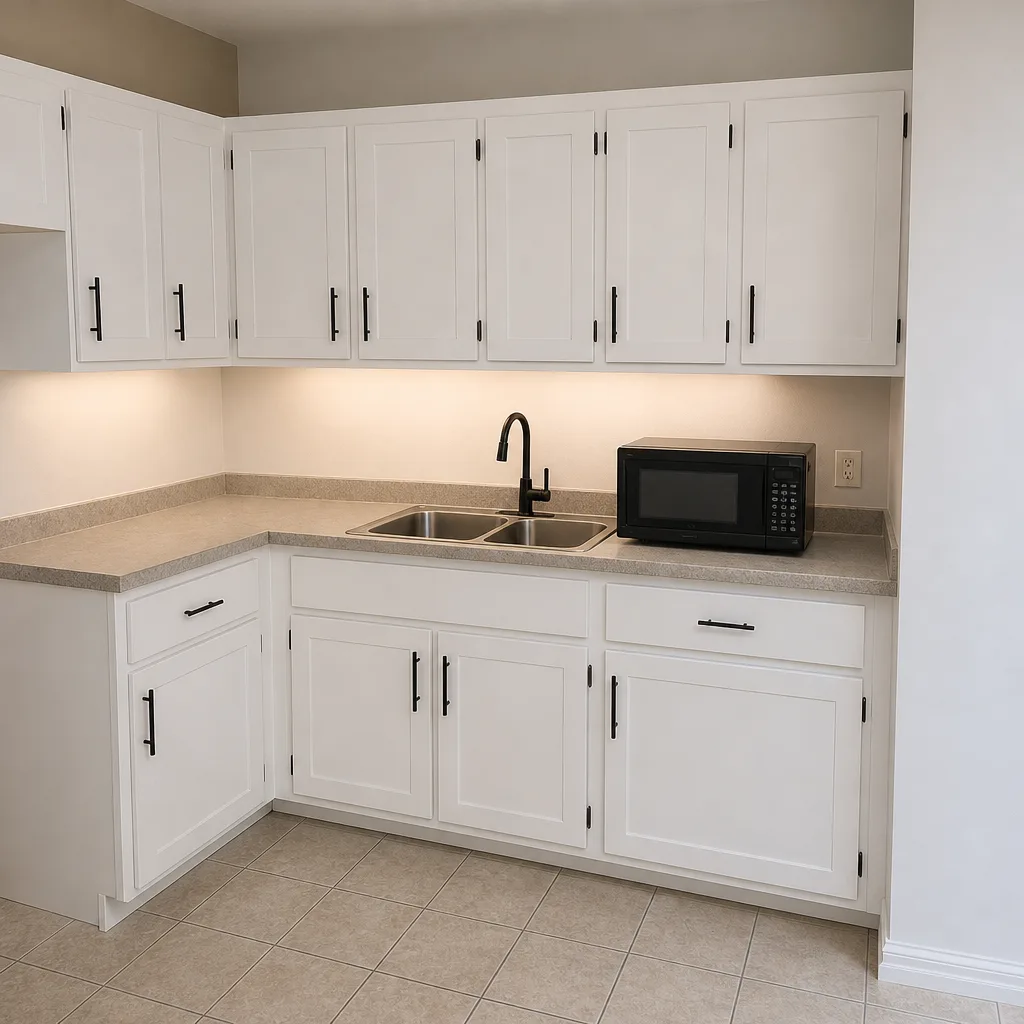
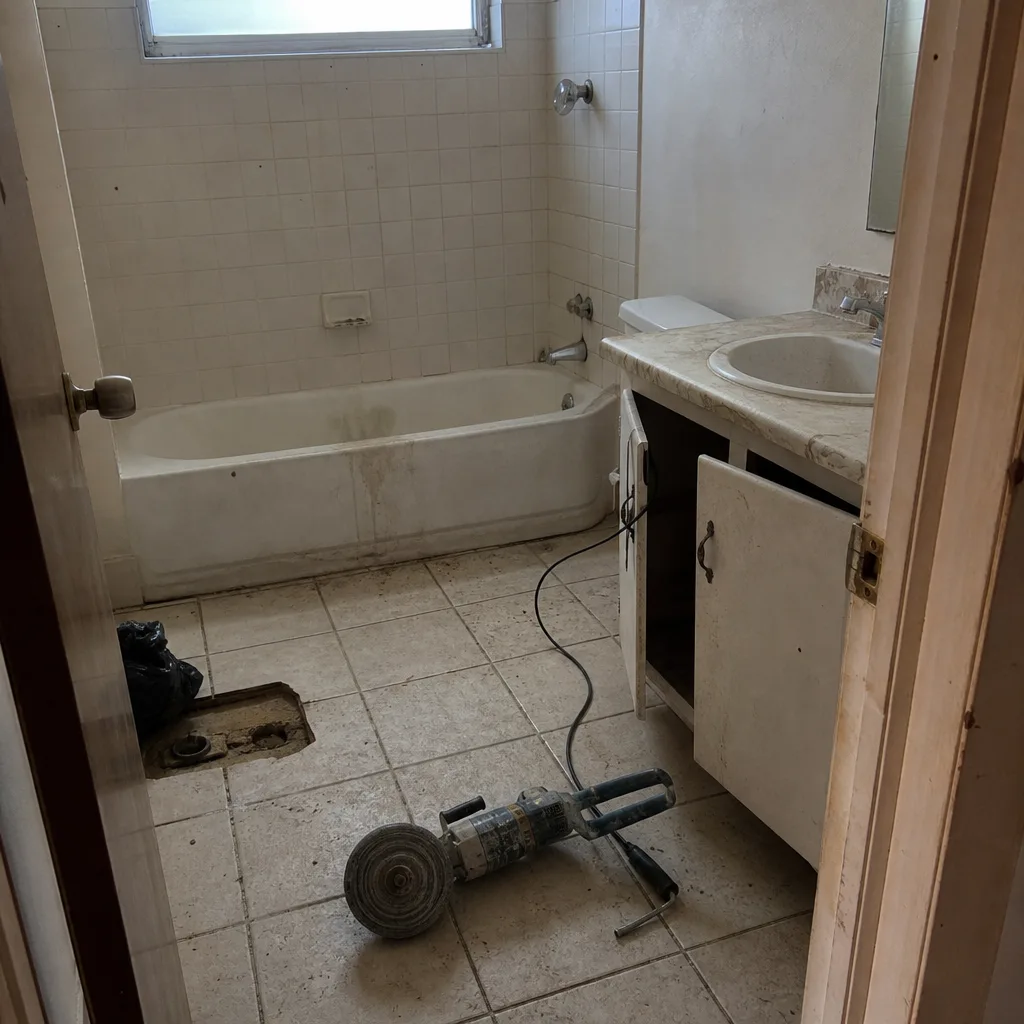
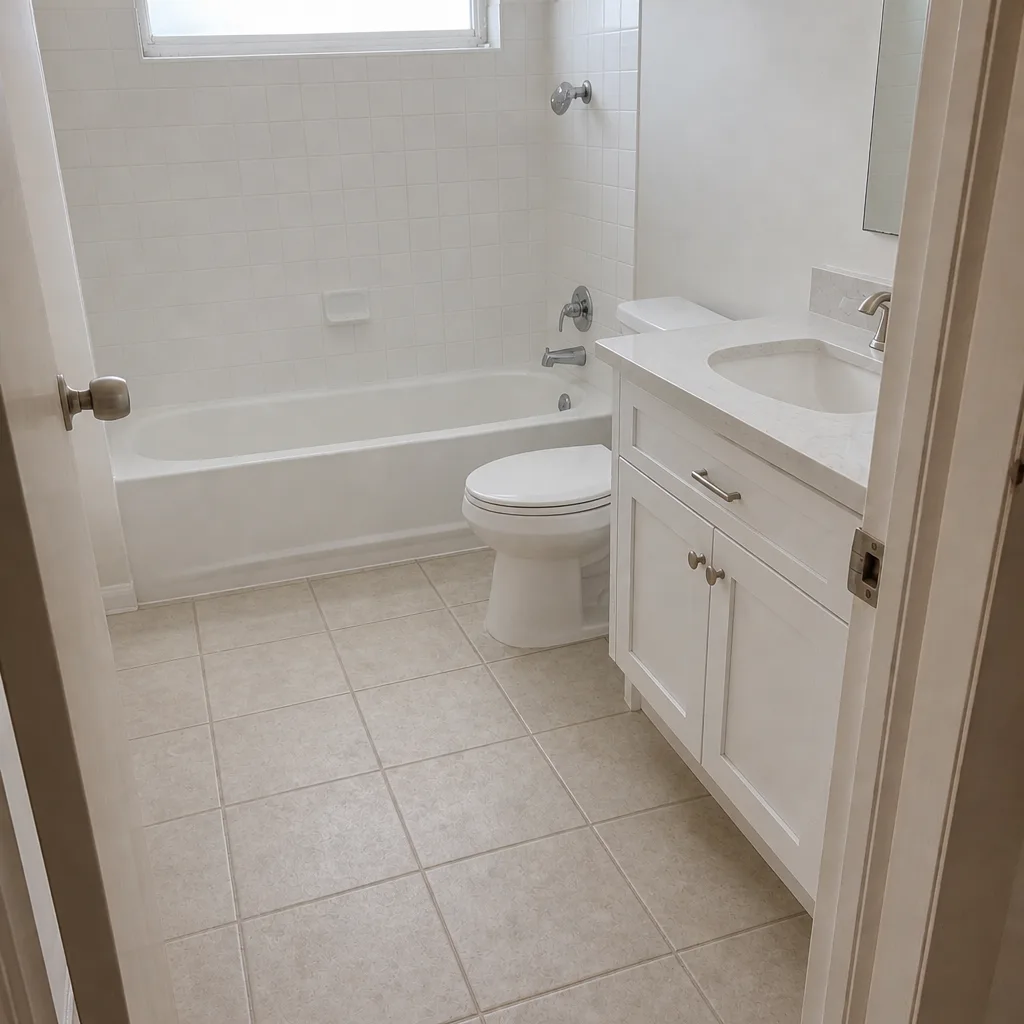
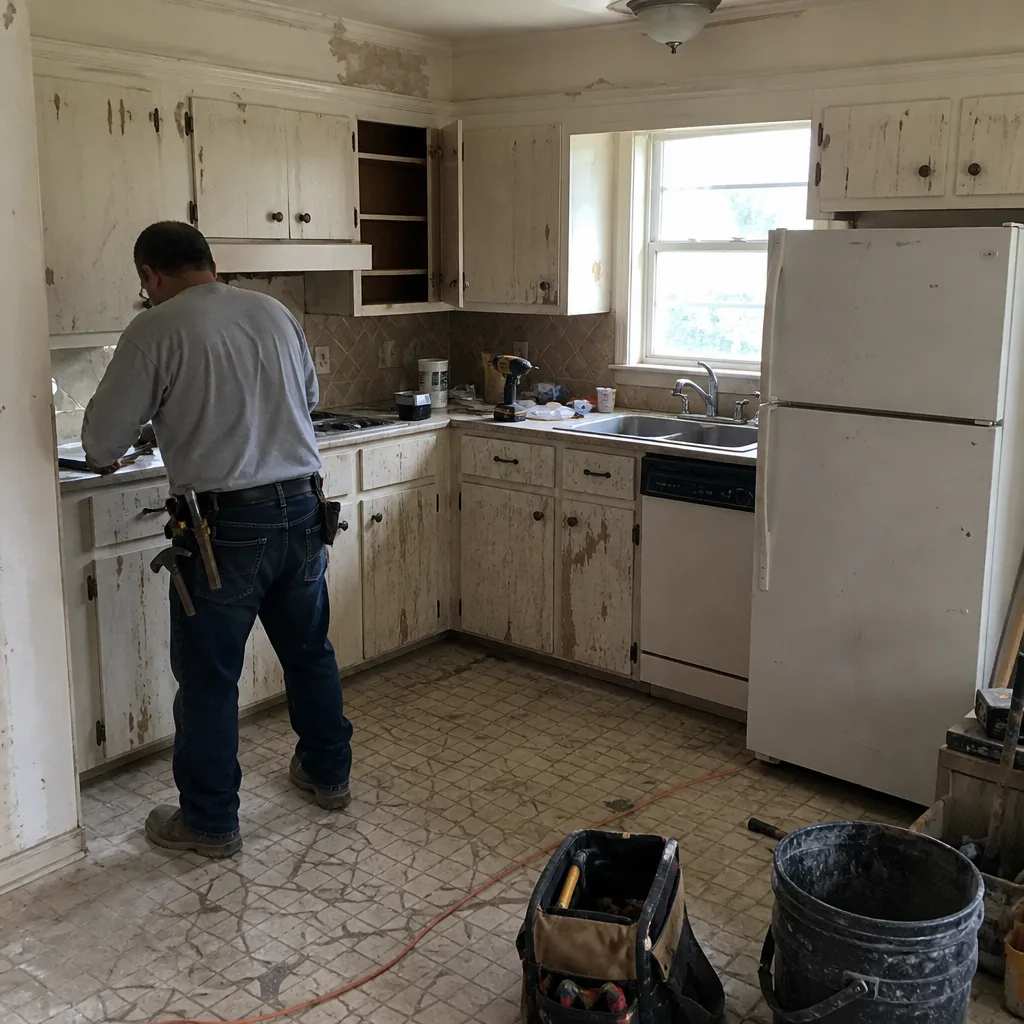
See the difference
 Before
 After
 Before
 After
 Before
 After
When to Call a Professional

Some tasks in this schedule are genuinely DIY: filter cleaning, gutter clearing, visual inspection, and photo documentation. Others need a professional. Call a licensed contractor if you see water staining on the interior ceiling along the connection line, if the expansion joint sealant has separated from the wall, if a foundation-line crack is 1/16 inch or wider or widening, if the roof flashing at the tie-in has visible corrosion or lifted edges, or if the mini-split is struggling to cool and a filter cleaning didn’t fix it. The same goes for any stucco crack wider than 1/16 inch that runs horizontally, which can indicate a shearing issue rather than a shrinkage crack. For structural questions or repairs to the connection joint, get a trained eye on it early. Rowan Construction Group Hialeah offers free estimates in Hialeah: call (888) 836-5914 to schedule one, and if you’ve already got a quote from another contractor, we’ll do a Free Second Opinion on it line by line.
Frequently Asked Questions
In Hialeah, inspect the addition or ADU three to four times a year: a full pre-hurricane inspection in May, a post-rainy-season inspection in November, and shorter interim walkthroughs in February and August. The May and November inspections are the substantive ones and cover the connection joint, roof flashing, HVAC, and stucco. Call (888) 836-5914 if you’d rather have a professional walkthrough.
An expansion joint is the flexible gap between the addition and the existing structure that allows the two to move independently without tearing. It’s filled with sealant that should stay pliable; a fingernail test tells you if it’s dried out. Renew the sealant when it cracks or separates, typically every five to ten years in Florida’s sun. A failed joint is one of the most common water-intrusion points on an addition.
A crack 1/32-inch wide or thinner is usually normal curing shrinkage and can stay. A crack 1/16 inch or wider needs caulking or stucco repair because water can reach the substrate. Look carefully at cracks running horizontally along the addition, which sometimes indicate a shear issue rather than shrinkage. If in doubt on a wide crack, call (888) 836-5914 for a free assessment.
Yes. Ductless mini-splits, common brands being Mitsubishi, Daikin, and Carrier in Miami-Dade, have washable indoor filters that need cleaning every four to eight weeks in heavy cooling months, versus every one to three months for a typical central air filter. The condensate drain also clogs more often in Hialeah’s humidity and should be flushed monthly. Call (888) 836-5914 for a free estimate on professional service.
Keep the permit card, the final inspection sign-off, all material and manufacturer warranty documents (including registration confirmations), the contractor’s written scope and signed change orders, the written workmanship warranty, and a dated maintenance log with photos. These protect you in insurance claims and at resale; Miami-Dade buyers and their inspectors will ask for them. Call (888) 836-5914 if you want a second opinion on any contractor documents you’ve been given.
Yes. A tied-in addition shares the main system’s filter schedule and coil cleaning interval, but duct runs to the addition should be inspected every two years for leaks at junctions. A dedicated mini-split runs on its own filter and drain interval. Never run the two on the same calendar; that’s the single most common maintenance mistake we see. Call (888) 836-5914 to schedule a free evaluation of either setup.
The Bottom Line
An addition or ADU shares some systems with the house and owns others outright, and the ones it owns (the connection joint, the flashing tie-in, the settlement line, the mini-split) are the ones that fail unnoticed. Hialeah’s storm season sets the calendar: pre-hurricane in May, post-rainy-season in November, interim checks in February and August. Caulk the 1/16-inch stucco cracks, flush the condensate drain, inspect the flashing every year, and keep the paperwork. If you’re building an addition now, we deliver a written scope and a photo record on every project; if you’re maintaining one already, our crews are background-checked, uniformed, and ready to help. Call (888) 836-5914 for a free estimate on any maintenance or repair work, and if you’ve got a competing written quote on hand, bring it; we’ll do a Free Second Opinion on it line by line at no charge.
Written by the team at Rowan Construction Group Hialeah.