Last updated November 17, 2026



Free written scope consultation - allowances, timeline, and change-order rules on paper before a single trade is scheduled
The Complete Guide to Construction in Hialeah
Miami-Dade’s High-Velocity Hurricane Zone designation adds a code layer that most online construction guides don’t mention, and skipping it can void your homeowner’s insurance on a finished project. Hialeah sits fully inside that zone, on limestone ground, under a permit office with its own filing rules. Generic Florida advice will get a Hialeah address into trouble fast. This guide maps the real decision tree: which permits come first, how the HVHZ code touches each trade, what the ground under your slab will and won’t carry, when a Notice of Commencement is mandatory, and how long each project type actually takes here.
Quick Answer
Construction in Hialeah must comply with Miami-Dade’s High-Velocity Hurricane Zone provisions on top of the Florida Building Code, which raises material and fastening requirements for roofing, windows, doors and structural connections. Permits must be pulled in the right sequence – structural before mechanical rough-in – and any project over a set value needs a recorded Notice of Commencement before work starts. Limestone terrain under most of Hialeah affects foundation design and cost.
Styles & brands we work with
- Kitchen remodeling
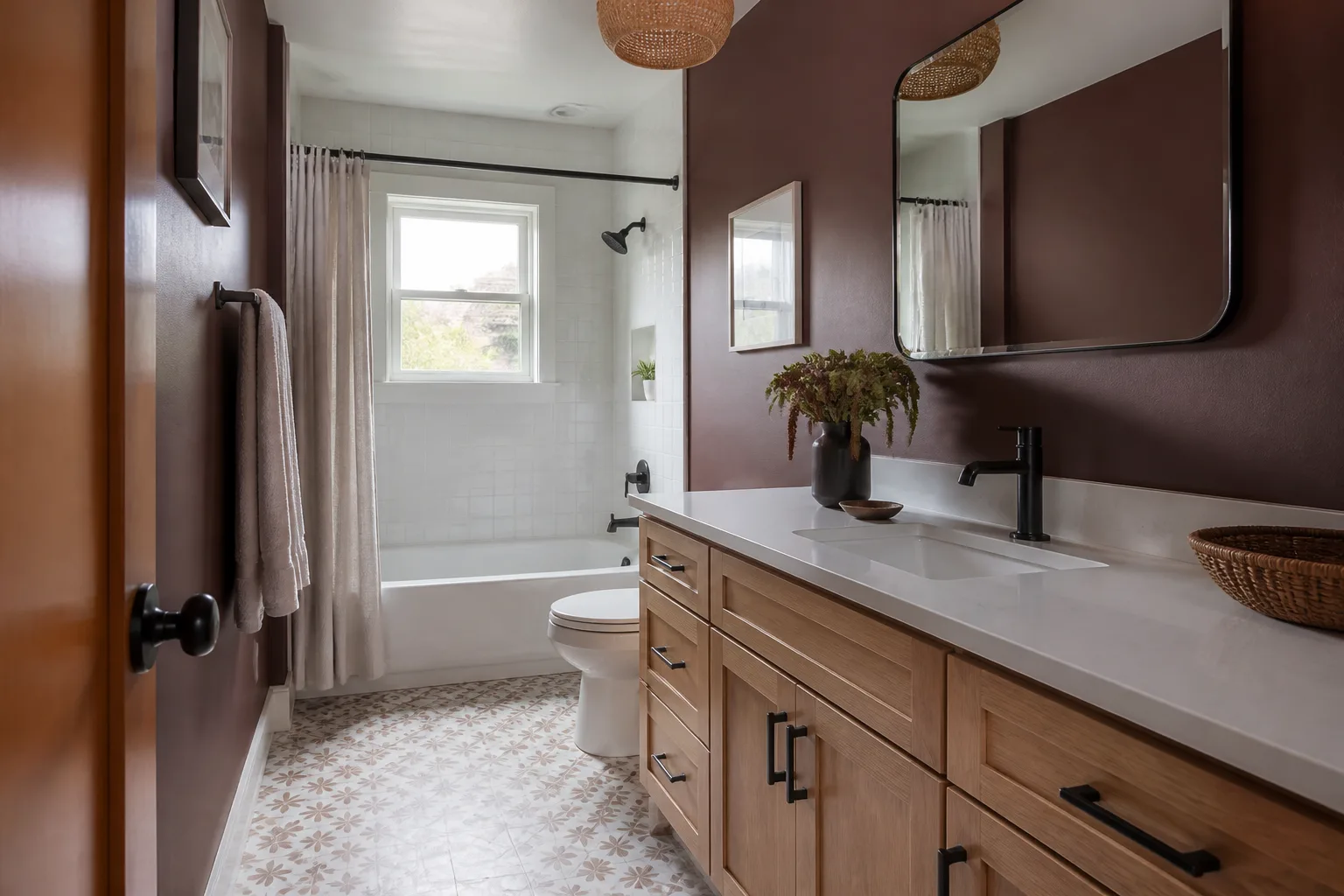
- Bathroom remodeling
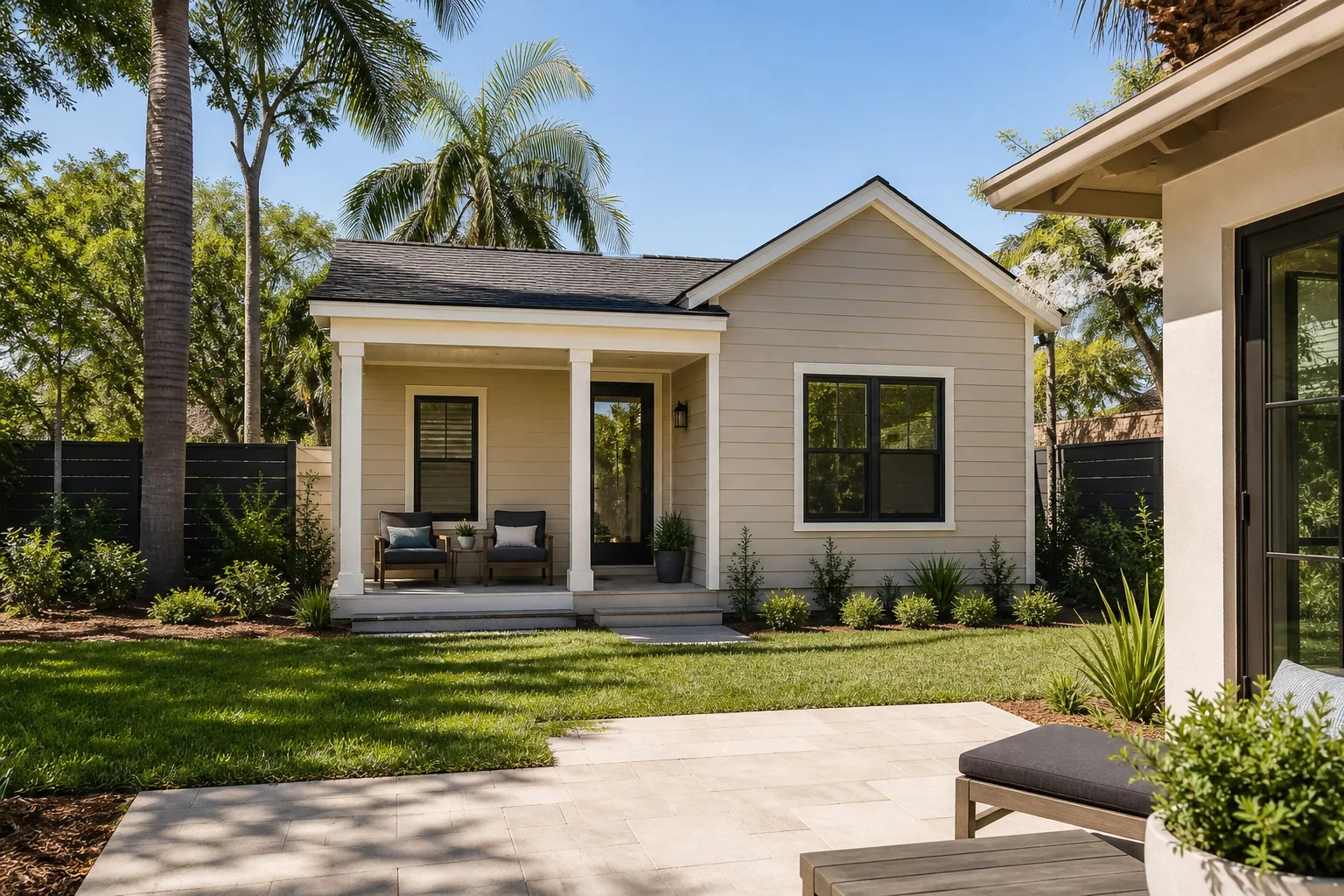
- Home additions & ADU
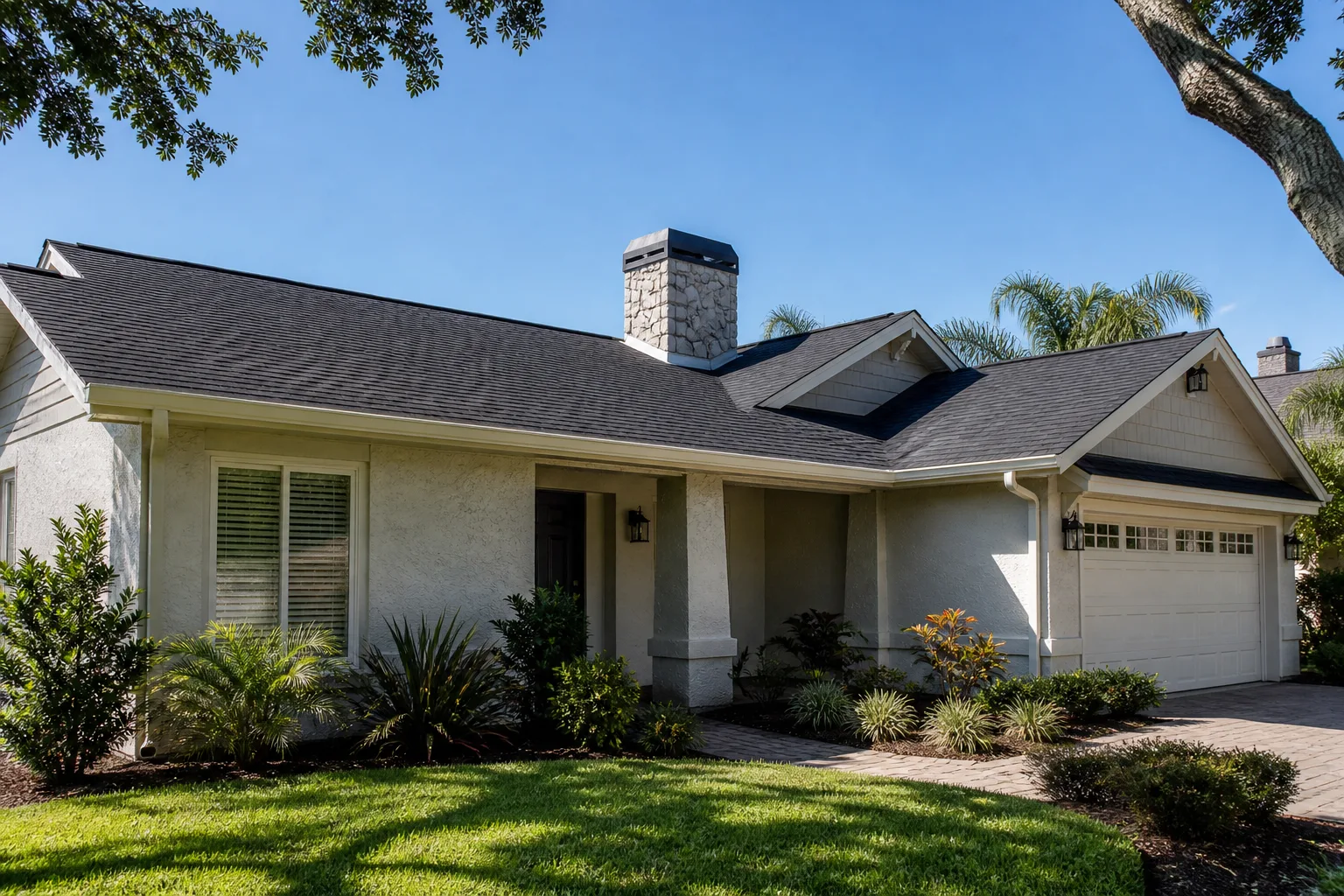
- Roofing
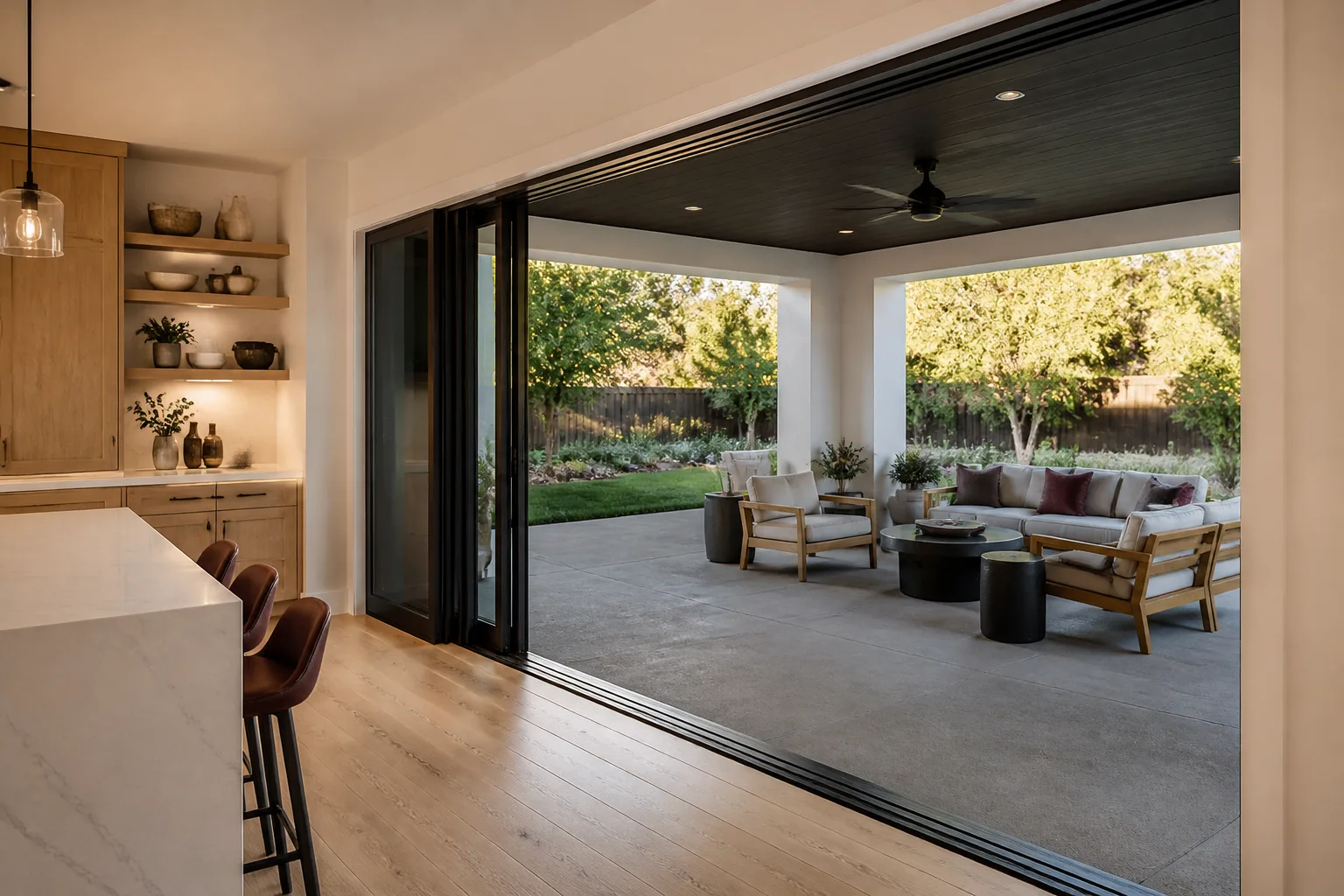
- Windows & doors
- Driveway & pavers
- Fence
Table of Contents
- What Miami-Dade’s HVHZ Code Means for a Hialeah Project
- The Correct Permit Sequence in Hialeah – and What Breaks It
- Limestone Ground and Foundation Specs in Hialeah
- The Notice of Commencement: When It’s Required and What Skipping It Costs
- Realistic Timelines for Common Hialeah Projects
- How the Seven Trades Sequence in a Typical Hialeah Job
- Material Specs That Survive a Hialeah Summer
- What Construction Costs in Hialeah
What Miami-Dade’s HVHZ Code Means for a Hialeah Project
The High-Velocity Hurricane Zone covers all of Miami-Dade and Broward counties. Inside it, the Florida Building Code applies a stricter set of provisions than it does elsewhere in the state, and those provisions change what gets installed and how it gets fastened. For a Hialeah address, that means three things in practice: products must carry Miami-Dade product approval (a NOA number), the installation method is prescribed rather than left to the installer, and the inspection record becomes part of your insurance file.
Which trades does it actually touch?
- Roofing. Shingle attachment patterns, underlayment type, and drip-edge fastening are all specified. A GAF or Owens Corning system still has to be installed to the HVHZ method, not just the manufacturer’s general instructions.
- Windows and doors. Every opening product needs a Miami-Dade NOA. Impact glazing or approved shutter systems are the norm, and the frame anchoring detail matters as much as the glass.
- Structural connections. Hurricane straps, anchor bolts and continuous load paths are inspected at rough framing.
- Additions and ADUs. A new roof structure or wall line inherits the HVHZ requirements in full, including uplift calculations.
Here’s the part people miss. If a completed roof or window package doesn’t match the approved product and method, the work can fail insurance underwriting even after it passes a municipal inspection – or fail the inspection and require tear-out. When we’re pricing a roofing or window job in Hialeah, the written quote names the specific product approval number for each item, because that number is what the inspector and the insurer both want to see.
The Correct Permit Sequence in Hialeah – and What Breaks It
Permits in Hialeah have a required order, and the order is not negotiable. The structural permit establishes the scope of work. Trade permits – mechanical, electrical, plumbing – attach to it. If a crew roughs in mechanical ductwork or electrical before the structural permit is finaled and the framing inspected, the trade inspection cannot be scheduled against an unapproved structure, and you’re looking at opened walls and a re-inspection fee.
The sequence that works:
- Confirm the scope and pull the structural or building permit first. This covers framing, foundation, roof structure and any wall changes.
- Schedule and pass the structural rough inspection before any trade rough-in is covered.
- Pull trade permits – mechanical, electrical, plumbing – and complete rough-in with each trade inspected separately.
- Insulation and drywall only after all rough inspections are signed off.
- Final inspections per trade, then the certificate of occupancy or completion.
The common failure is a homeowner hiring trades directly and sequencing them by who’s available rather than by permit dependency. In Hialeah, that pattern shows up most in garage conversions and small additions, where mechanical work gets tucked in before the structural inspection is on the books. The fix is administrative, not technical: one party owns the sequence, and every change gets written down before anyone touches it. Under Clause 1 of the Haven Standard, the price is written before anyone starts, and no change proceeds without a signed change order – which is also why the sequence holds.
Limestone Ground and Foundation Specs in Hialeah
Most of Hialeah sits over Miami Limestone, a porous oolitic rock that behaves very differently from the clay and loam soils most construction guides are written around. Two consequences matter for a project here. First, bearing capacity is generally favorable – the limestone is competent and doesn’t settle the way soft soils do – but the rock is close to the surface in places, which means excavation can hit refusal fast. Second, the porosity that makes the limestone drain well also means water moves through it, and foundation design has to account for the water table during the rainy season rather than treating it as a dry-soil problem.
What that means for cost and spec:
- Slab-on-grade is typical and usually the economical route. Vapor barrier and proper grading matter more here than in drier climates because of the seasonal water table.
- Rock excavation can add cost when footings hit refusal. It’s a line item, not a surprise, if the site is assessed first.
- Drainage and grading around an addition should move water away from the structure, not just off the surface, given how quickly water percolates into limestone.
- Foundation specs for an ADU or addition should be engineered for the specific site, not copied from a standard detail.
For a project with new foundation work – an addition, a detached ADU, a paver driveway with substantial base prep – the geotechnical picture is worth confirming before the quote is final. We’d rather write a number that accounts for the rock than discover it mid-dig.
The Notice of Commencement: When It’s Required and What Skipping It Costs
A Notice of Commencement (NOC) is a recorded document that formally starts the clock on a construction project and protects the homeowner’s title. In Hialeah and across Miami-Dade, it’s required for projects above a statutory value threshold – which in practice means most additions, ADUs, full remodels and re-roofs. It gets recorded with the county before work begins, posted on the job site, and it lists the parties to the project.
Skipping it creates two risks that aren’t obvious until they bite:
- Lien exposure. The NOC is how a homeowner’s property is protected against mechanics’ liens from parties they didn’t hire directly. Without it, a subcontractor unpaid by a general contractor can have a stronger claim against the property than you’d want.
- Permit and closing problems. An incomplete NOC record can surface during a permit final or a future sale, and resolving it after the fact costs more time than recording it up front.
The document itself is straightforward. The discipline is remembering it belongs at the start of the job, not the middle. In our experience running Hialeah projects, the NOC, the signed contract, the written scope and the change-order log are the four pieces of paper that determine whether a job closes clean. Every Rowan project gets a documented photo record on every visit as standard, which pairs with the paper trail – when the crew leaves, the customer has evidence of what was found and what was done.
Realistic Timelines for Common Hialeah Projects
Timelines people find online rarely include the permit-office variable. Hialeah’s building department processes applications on its own schedule, and plan review for a new structure or a substantial addition takes longer than a re-roof. Here’s a realistic working range for the three most common project types, from first application to final inspection:
- Kitchen remodel. Design and permit prep: 2-3 weeks. Permit review: 2-4 weeks. Construction with inspections: 4-7 weeks. Total: roughly 8-14 weeks. A gut remodel with new plumbing or electrical runs toward the top of the range; a face-lift with new cabinets and countertops toward the bottom.
- Exterior re-roof. Permit review: 1-3 weeks. Installation: 2-5 days for most single-family roofs. Final inspection: within a week of completion. Total: roughly 3-6 weeks, weather permitting. HVHZ product approval confirmation adds no timeline if the product is right from the start.
- Room addition or ADU. Design and engineering: 4-8 weeks. Permit review, including structural and HVHZ elements: 6-12 weeks. Construction with inspections: 4-6 months. Total: roughly 7-11 months for a detached ADU, 5-8 months for an attached addition.
Two things move these numbers: how complete the application is on first submission, and how quickly the homeowner responds to a plan-review correction. Incomplete submittals are the single biggest source of delay in Hialeah permit timelines. When we quote a project, the written scope accounts for the review window so the construction schedule isn’t built on an optimistic assumption.
How the Seven Trades Sequence in a Typical Hialeah Job
Most residential construction in Hialeah pulls from the same set of trades, and the order matters as much as the permit sequence. A kitchen remodel, for example, touches more trades than homeowners expect: demolition and framing, plumbing, electrical, mechanical (range hood ventilation, AC register relocation), drywall, cabinetry, countertops, tile, and finish. Get the order wrong and you’re redoing finished surfaces.
- Demolition and structural changes – permit required, structural inspection signed off first.
- Plumbing and electrical rough-in – trade permits, inspected before walls close.
- Mechanical rough-in – ventilation and HVAC, inspected alongside the other trades.
- Insulation and drywall – after all rough inspections pass.
- Cabinetry, countertops, fixtures, tile – the finish trades, sequenced so the stone goes in after the cabinets are set.
The finishing trades are where material choices show up. A Kohler or Toto fixture installs the same way regardless, but the rough-in dimensions have to match the fixture – which is why the fixture selection gets made before the plumbing rough-in, not after. Same logic for a Schluter shower system: the waterproofing membrane is part of the rough construction, not the finish. In Hialeah’s humidity, the membrane and the ventilation detail decide whether a bathroom stays dry over the long run.
Material Specs That Survive a Hialeah Summer
Hialeah’s climate is hard on materials in specific ways: months of heavy rain, sustained heat and humidity, and hurricane-season wind loads. Some choices hold up, and some look fine for a year and then don’t.
- Roofing. Shingle systems need HVHZ-approved attachment, and the underlayment is not the place to save money. GAF and Owens Corning both offer systems with product approvals that meet the Miami-Dade requirement.
- Windows and doors. Impact-rated glass or code-approved protection. The anchoring detail matters more than the glazing label.
- Cabinetry. In a humid climate, box construction and finish matter. KraftMaid and Wellborn lines give a range of options, and plywood boxes outlast particleboard over time.
- Countertops. Cambria and Caesarstone quartz handle humidity well; the seam and edge detail is what shows over years.
- Exterior surfaces. Pavers (Belgard, Techo-Bloc) over concrete for driveways and patios, because pavers handle the seasonal movement and drainage better than a poured slab in many settings.
- Fixtures. Kohler and Toto, American Standard, Sterling – brand aside, the finish and the valve quality inside the wall are what determine the useful life.
None of this is exotic. It’s just specifying to the conditions instead of to a generic national standard that assumes milder weather. The written quote names the material and the reason for the spec, so the customer can see why the number is what it is.
What Construction Costs in Hialeah
Costs vary with scope, existing conditions and site, but a Hialeah homeowner can plan around realistic ranges. The HVHZ requirements and the permit NOC step add to the number compared with a region outside the zone, and skipping them isn’t a savings – it’s a deferred correction.
- Kitchen remodel: roughly $25,000 to $85,000, depending on whether plumbing and electrical move, cabinet line, and countertop material.
- Bathroom remodel: roughly $12,000 to $45,000, with the shower waterproofing system and fixture selection driving the range.
- Exterior re-roof (single-family): a common cost per square for HVHZ-compliant work; the written quote itemizes the system, the underlayment and the disposal.
- Room addition or ADU: the widest range, from roughly $90,000 to $300,000-plus, driven by size, foundation needs on the limestone, and finish level.
- Fence and paver work: priced per linear foot and per square foot, itemized in the written quote.
These are working ranges, not quotes. The whole point of a written price before work starts is that the range gets replaced by a specific number with a written scope and a written warranty – and the number is what the customer agreed to, since no change proceeds without a signed change order. That’s the discipline that has kept Rowan projects within a few percent of the agreed cost across 4,000-plus jobs. If you already have a quote from another contractor, we’ll review it line by line at no charge – a Rowan Construction Group Hialeah home consultation includes that second opinion.
Two trades deserve their own notes on scope. Driveway & Pavers in Hialeah is where base prep determines longevity – the limestone drains well, but a poorly compacted base fails under pavers regardless of material. And Fence Installation in Hialeah is where fence posts face post-hole conditions and HVHZ-relevant attachment questions. Home Additions & ADU in Hialeah brings the full permit sequence, NOC and foundation picture together.
Common Mistakes to Avoid
- Sequencing trades by availability instead of permit dependency. If mechanical or electrical roughs in before the structural permit is finaled in Hialeah, you’re opening walls to re-inspect.
- Skipping the NOC to save a step. The recording fee is trivial next to the lien exposure it creates when someone up the chain goes unpaid.
- Choosing roof products without a Miami-Dade product approval. A roof that meets the manufacturer’s general spec can still fail HVHZ inspection and insurance underwriting.
- Assuming generic foundation details apply. Limestone and a seasonal water table mean foundation design is site-specific, especially for additions and ADUs.
- Making fixture and material selections after the rough-in. A Kohler or Toto valve needs the right rough-in dimensions – picked after the plumbing is in, you’re paying to redo it.
- Treating the permit review as a fixed number. An incomplete application is the biggest delay in Hialeah, and the review window should be in the schedule, not assumed away.
- Hiring on a handshake and a verbal price. A written price with a written scope before work starts is the single most protective document you can hold. If the contractor can’t produce it, that’s the answer.
See the difference
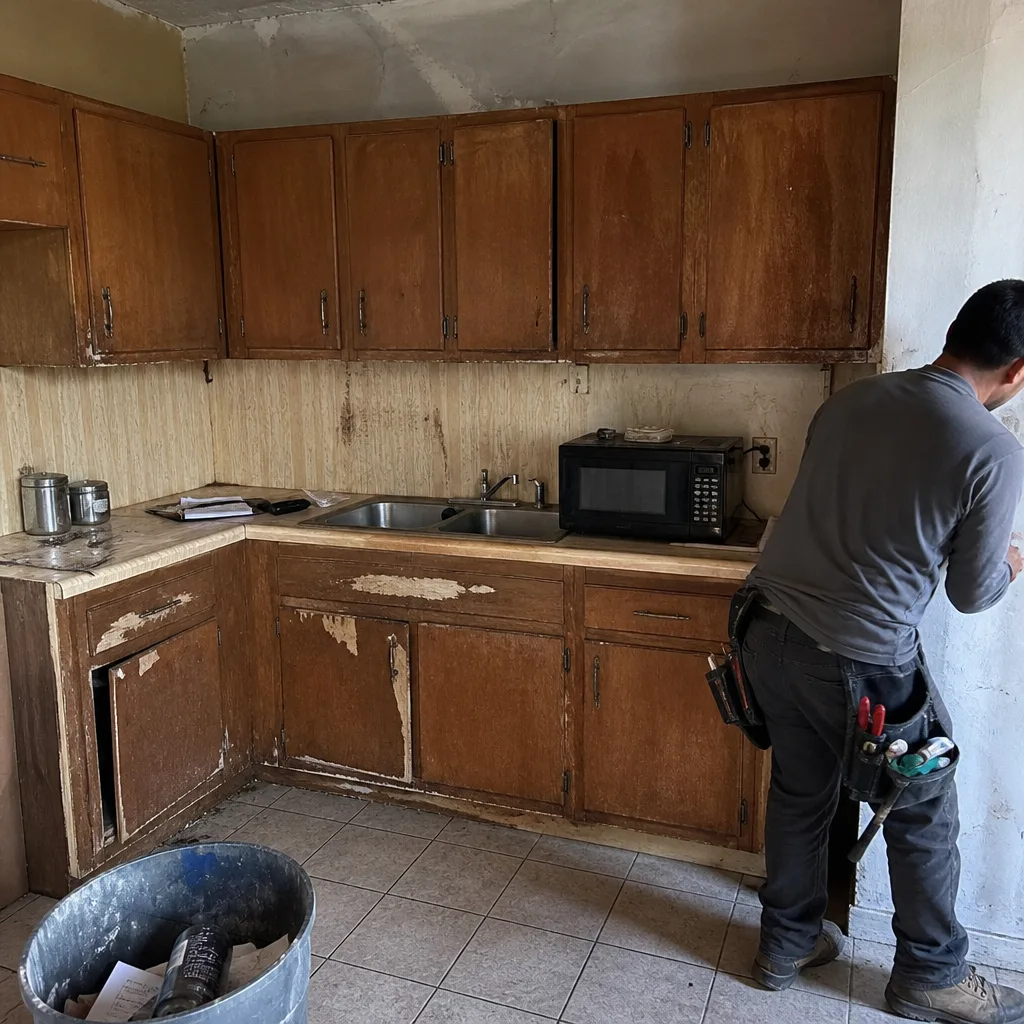 Before
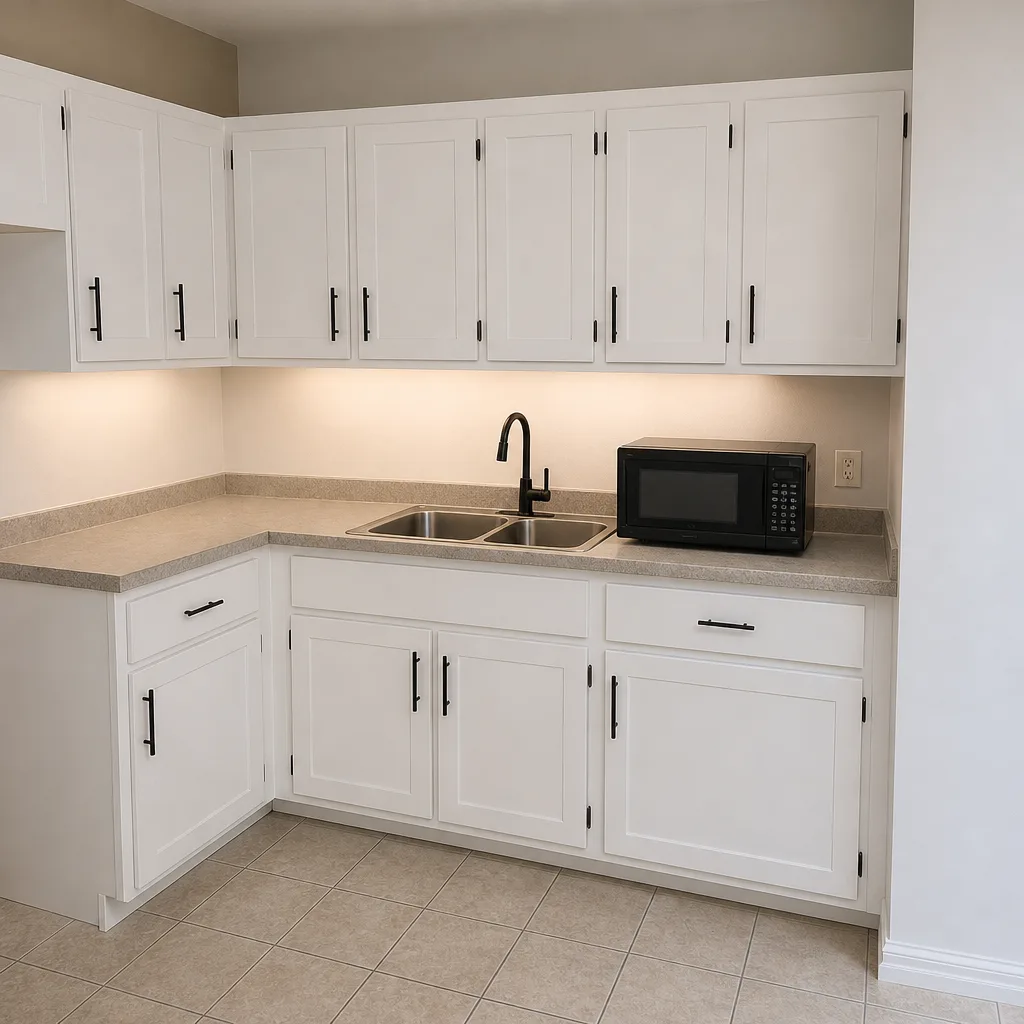 After
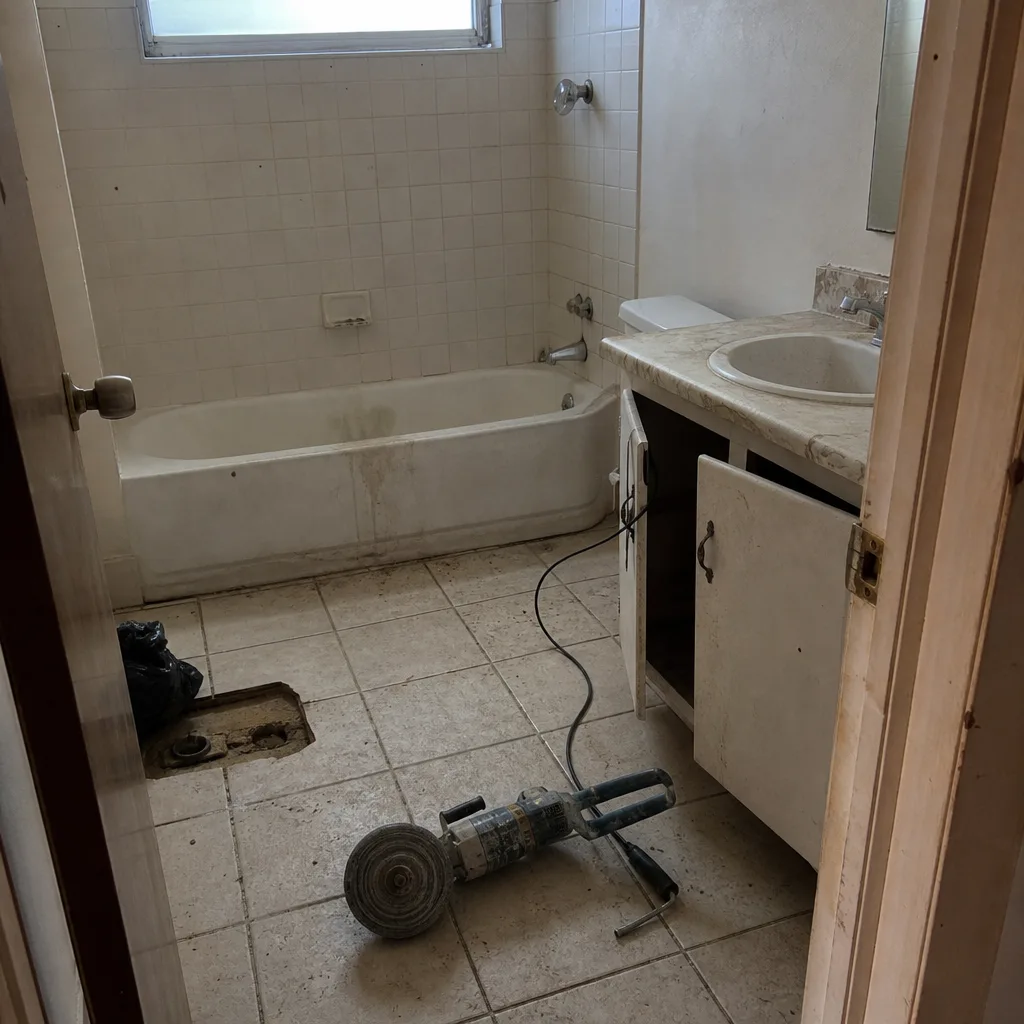 Before
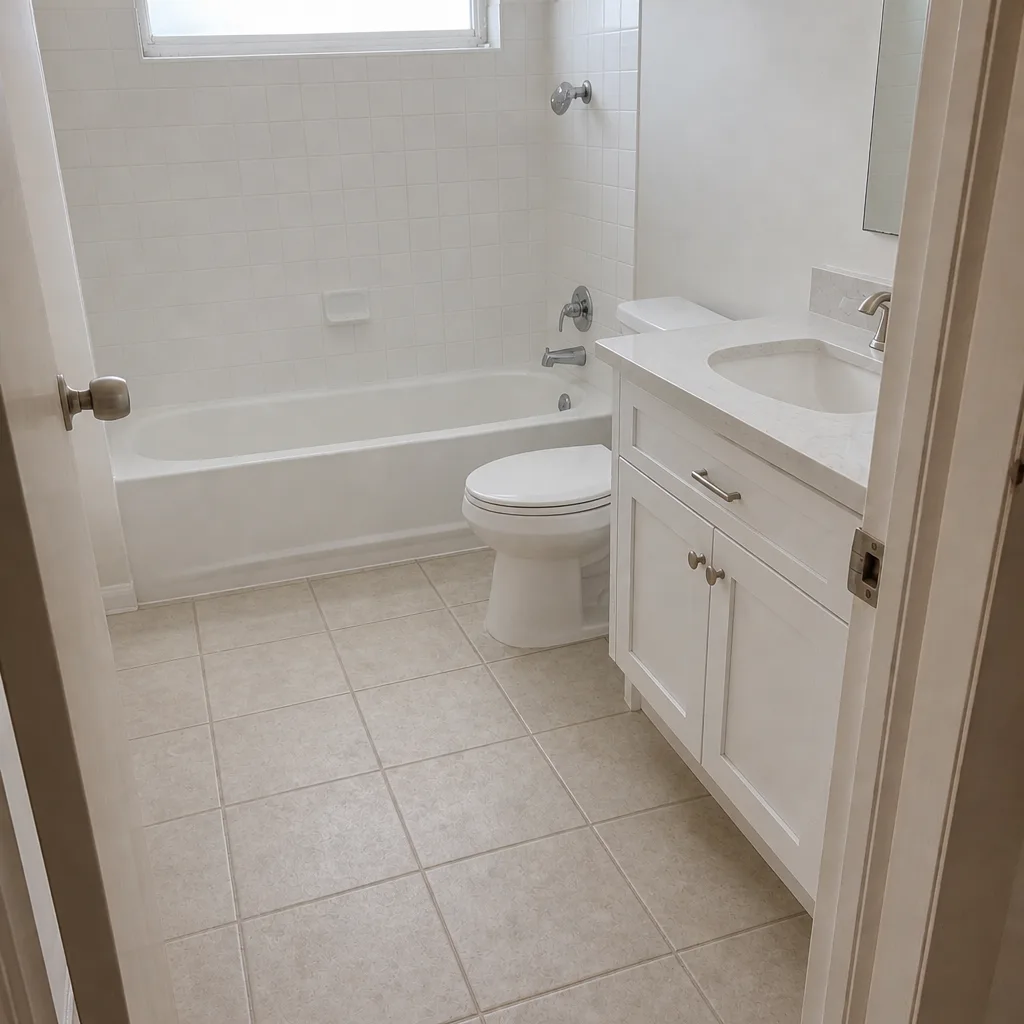 After
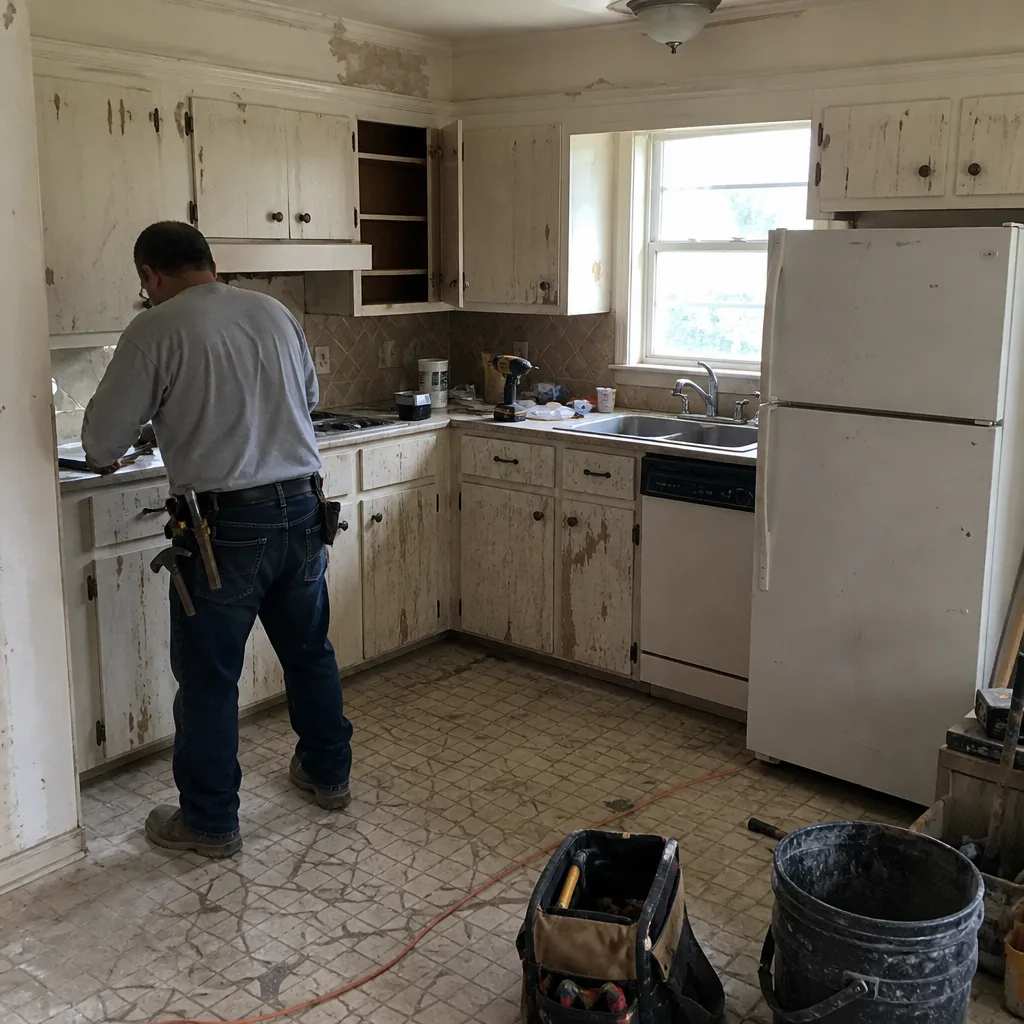 Before
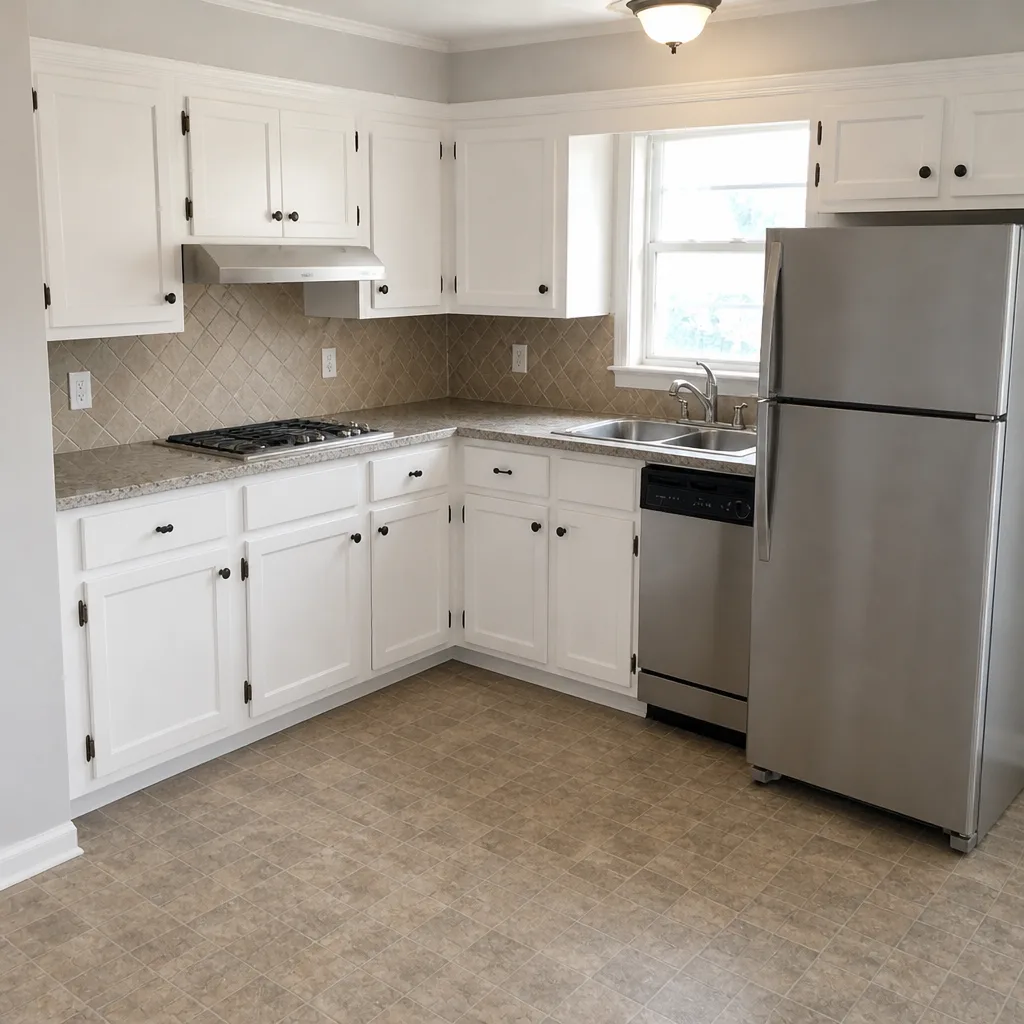 After
When to Call a Professional
Some jobs are judgment calls; others are not. Re-roofing, window and door replacement, anything structural, and any project that requires a permit in Hialeah should go to a licensed contractor. The HVHZ requirements make roofing and openings genuinely technical – a missed product approval or fastening pattern is a real problem, not a cosmetic one. Foundation work on limestone, additions and ADUs are all in the same category. So is anything involving gas lines or a panel change; these are the places where a mistake isn’t the inconvenience people plan for.
What a professional brings on a Hialeah project is the documentation as much as the labor: the NOA number, the NOC, the passed inspection, the signed change order, the photo record. Rowan Construction Group Hialeah offers free estimates in Hialeah – call (888) 836-5914. Technicians are background-checked and uniformed, calls are answered by a live person 24/7, and every visit includes a documented photo record as standard. Our technicians have up to 19 years of experience. The 365-Day Done Right Promise stands behind the work: if it isn’t done right, we make it right.
Frequently Asked Questions

Yes. A Hialeah kitchen remodel that moves plumbing, electrical, gas or ventilation requires permits, and most gut remodels touch all four. Even a cosmetic remodel may require a permit if walls move or a new range hood is installed. Pulling the permits and passing inspection is also what protects the project at insurance and resale. Call (888) 836-5914 for a free estimate and a written scope that itemizes the permits.
The High-Velocity Hurricane Zone is the Miami-Dade and Broward region where stricter code provisions apply, and it affects your roof because shingle attachment, underlayment and edge fastening are all prescribed. Products need a Miami-Dade product approval to qualify, and the installation has to follow the HVHZ method. A roof that skips this can fail inspection and insurance underwriting. Call (888) 836-5914 – estimates are free and the quote names the product approval for every item.
A Notice of Commencement is required in Hialeah, and across Miami-Dade, for projects above a statutory value threshold – which covers most additions, ADUs, remodels and re-roofs. It’s recorded with the county before work begins and posted on the site. The requirement exists to protect your title against mechanics’ liens from parties you didn’t hire directly. Call (888) 836-5914 for a free estimate and we’ll walk through whether your project needs one.
Plan review in Hialeah runs roughly 2-4 weeks for a standard remodel and 6-12 weeks for a new structure or ADU, with the range driven by application completeness. Corrections requested by the reviewer restart part of the clock. If the application is complete on first submission and the homeowner responds to corrections quickly, the timeline holds. Call (888) 836-5914 for a free estimate that accounts for the review window.
It can. Miami Limestone is generally competent for bearing, so settlement is less of a concern than in soft-soil regions, but the rock is close to the surface in places, which can cause excavation to hit refusal and add a rock-excavation line item. Foundation specs for additions and ADUs should be engineered for the specific site. Call (888) 836-5914 – the written quote accounts for site conditions rather than discovering them mid-dig.
Not without a signed change order. Under Clause 1 of the Haven Standard, the price is written before any work starts – a flat price with a written scope and a written warranty. If a change turns out to be necessary, no work proceeds on it until the change order is signed. That discipline is why Rowan projects land within a few percent of the agreed cost. Call (888) 836-5914 to schedule your free estimate and bring any other written quote for a free second opinion.
The Bottom Line
Construction in Hialeah runs on a specific stack: the Miami-Dade HVHZ overlay on the Florida Building Code, a permit sequence where structural comes before mechanical, limestone ground that shapes foundation cost, and a Notice of Commencement that protects your title. Get those four things right and the project follows. Skip them and you’re paying to correct – at insurance, at resale, or mid-job. The paper trail is the safety net: a written price before work starts, a written scope, a signed change order for every change, and a documented photo record when the crew leaves. None of it is exotic. It’s just the discipline that makes a Hialeah project predictable.
Ready to put a number on paper? Call Rowan Construction Group Hialeah at (888) 836-5914 for a free estimate. We’ll review your project, name the materials and product approvals your Hialeah address requires, and deliver a written price before any work starts. Have a quote from another contractor? Bring it – the second opinion is free.
Written by the team at Rowan Construction Group Hialeah.