
Free written scope consultation - allowances, timeline, and change-order rules on paper before a single trade is scheduled
CGI Home Additions & ADU: The Hialeah Owner’s Guide
We build and install CGI-compatible home additions and ADUs in Hialeah, with most projects landing between $45,000 and $130,000 for an addition and $90,000 to $220,000 for a detached or attached ADU. That range covers design, permitting through Miami-Dade County, foundation work, framing, roofing, and finishes, and every one of those numbers shows up in a written flat price before anyone touches the property. If you’re picturing a specific CGI package – a modular room addition, a garage conversion, a prefab accessory unit – the honest answer is that the package is only part of the cost; the site work around it is where Hialeah budgets usually move.
Owners rarely call us because a “part” failed on a modular addition the way a garage spring snaps. They call because the thing they were promised is leaking at a seam, because the permit was never pulled, or because the unit arrived undersized for the lot and now the whole plan needs to be rebuilt from the slab up. If you’re holding a CGI product spec sheet and a problem, this page is about matching what you have to what Hialeah actually allows and what it actually costs to build it right.
Key Takeaways
- Home additions in Hialeah run $45,000 to $130,000; standalone ADUs run $90,000 to $220,000.
- Miami-Dade wind-load and flood-zone rules decide more of your cost than the CGI package itself does.
- The biggest failure we see is a modular unit installed without matching permits or a signed scope, not a broken component.
- We’re an independent contractor. Rowan Construction Group Hialeah is not affiliated with CGI.
- Written flat price before work starts, signed change orders only, 365-Day Done Right Promise on the finished work.
Styles & brands we work with
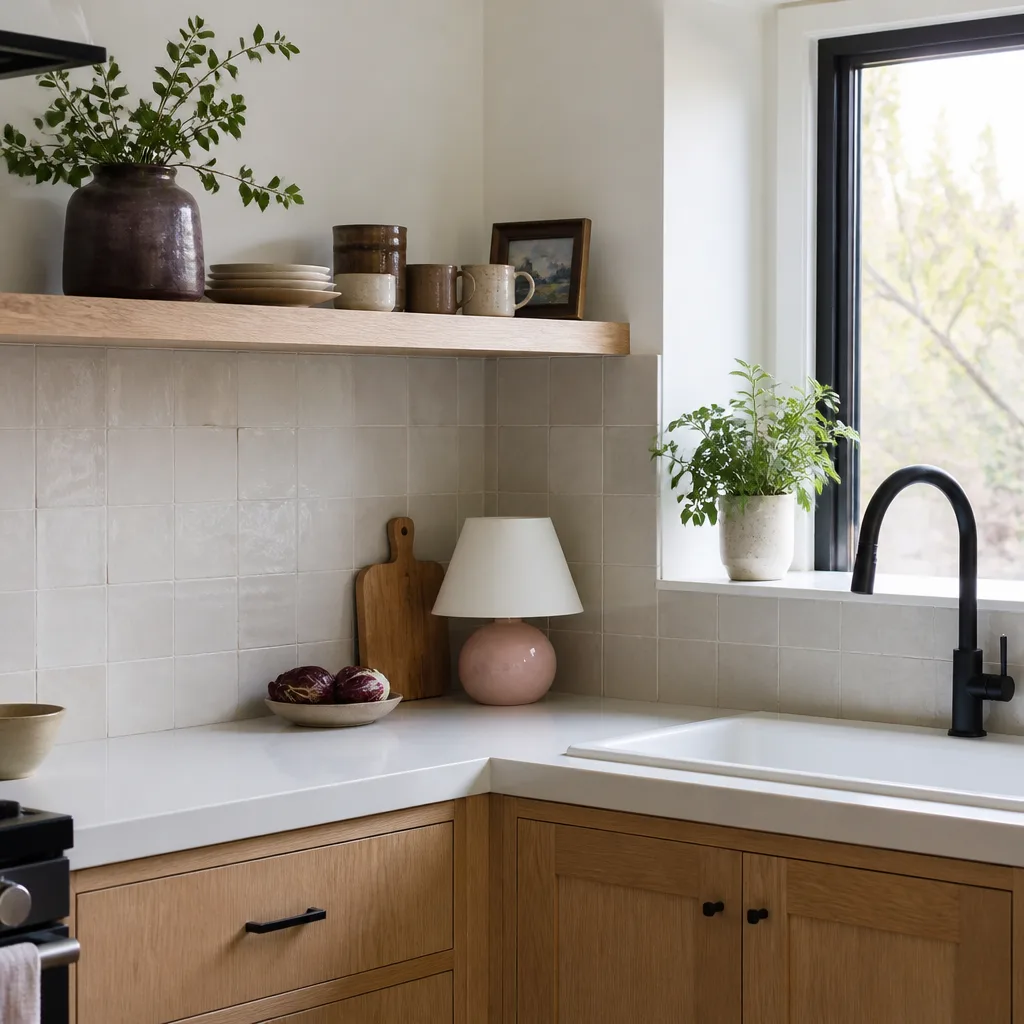
- Kitchen remodeling
- Bathroom remodeling
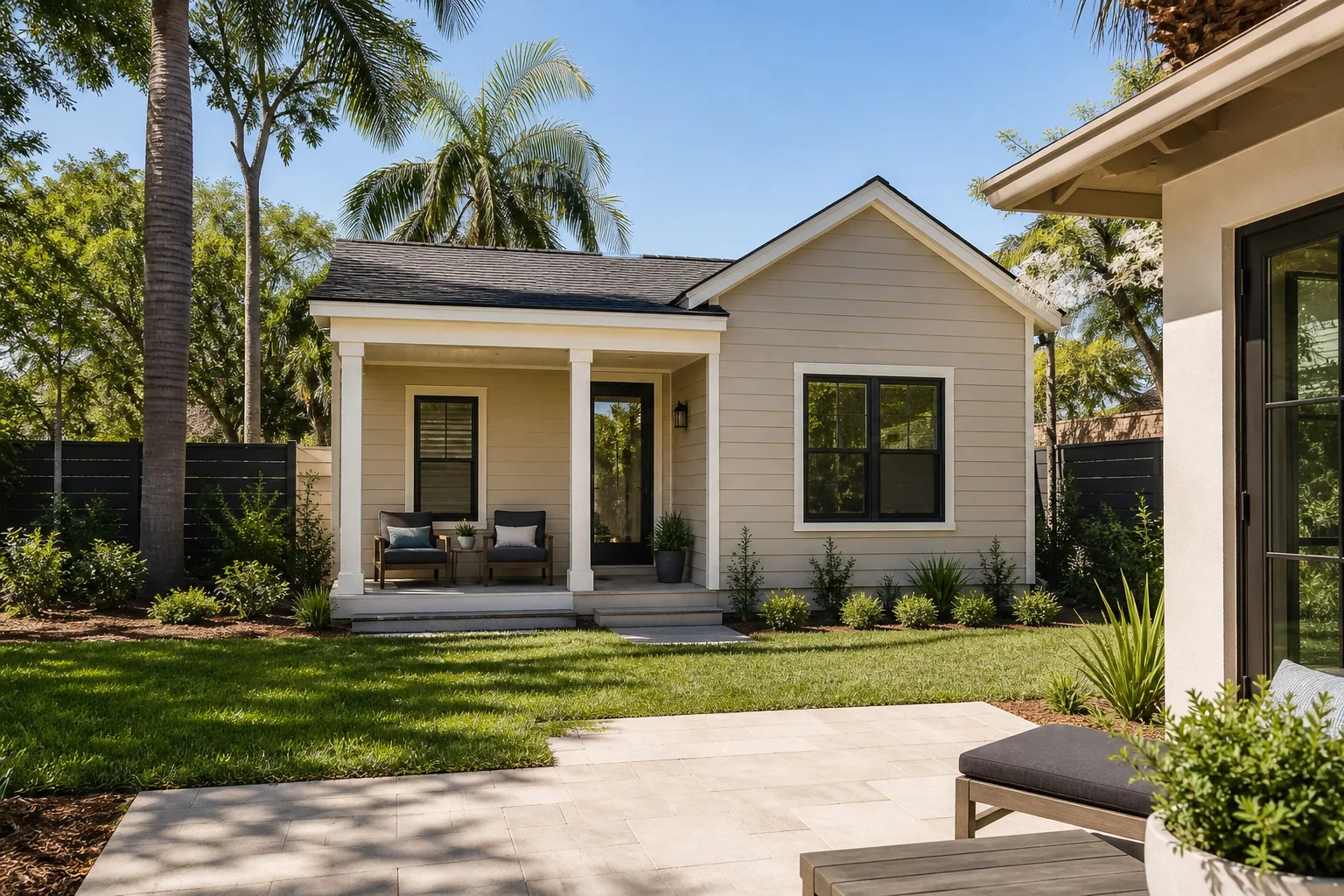
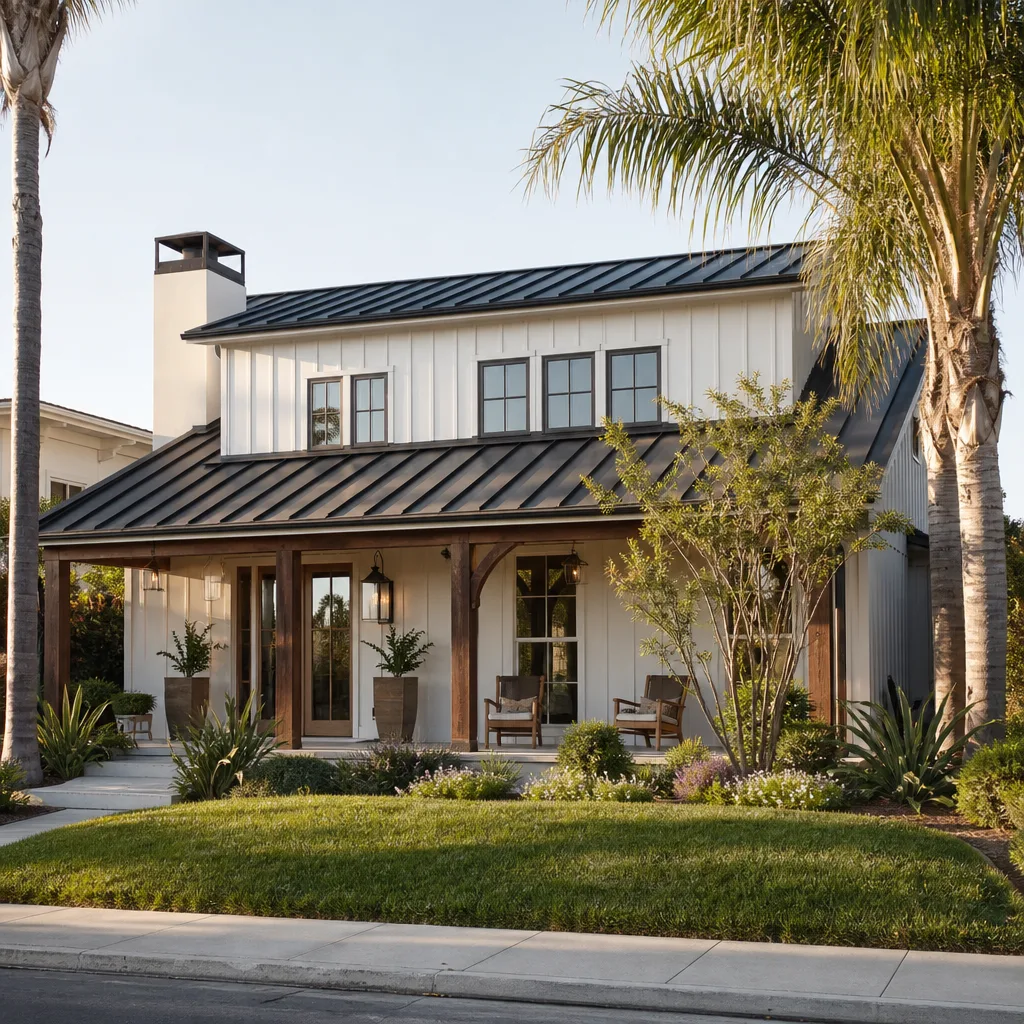
- Home additions & ADU
- Roofing
- Windows & doors
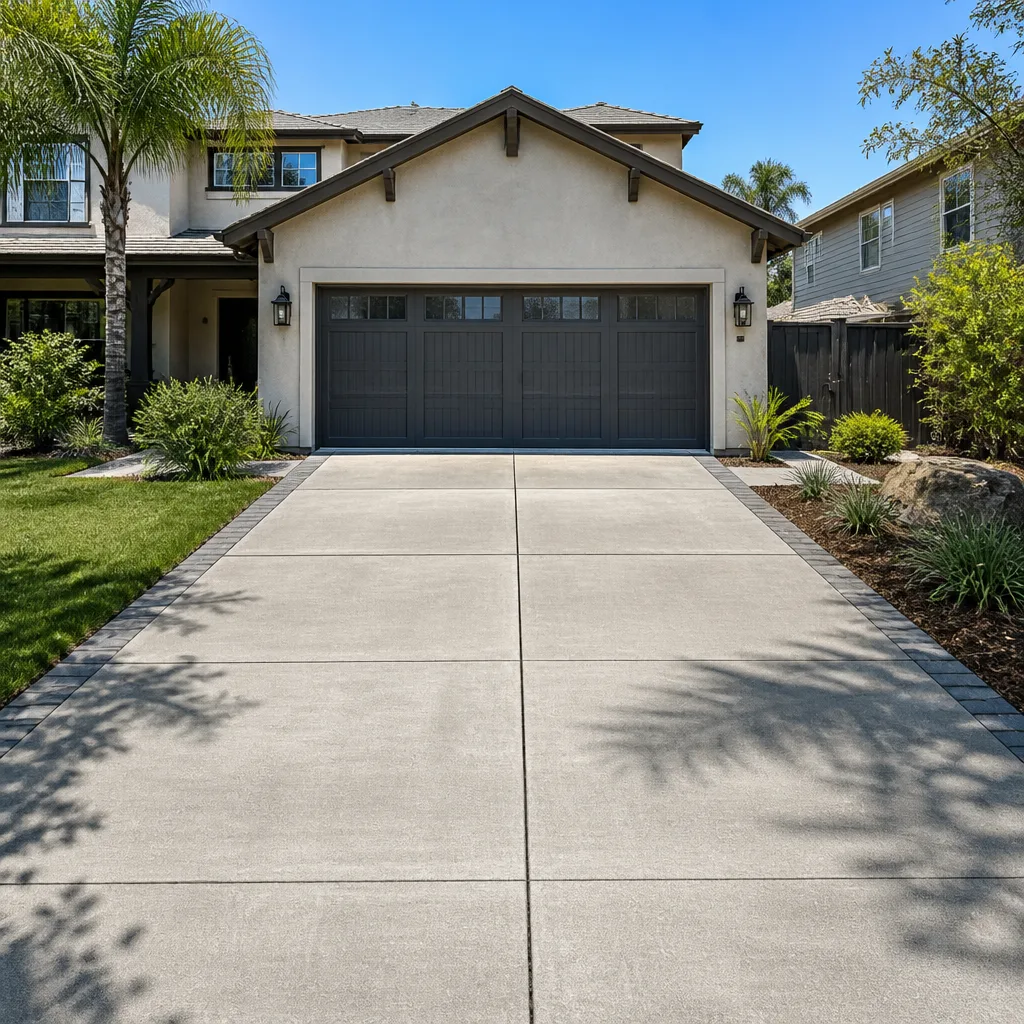
- Driveway & pavers
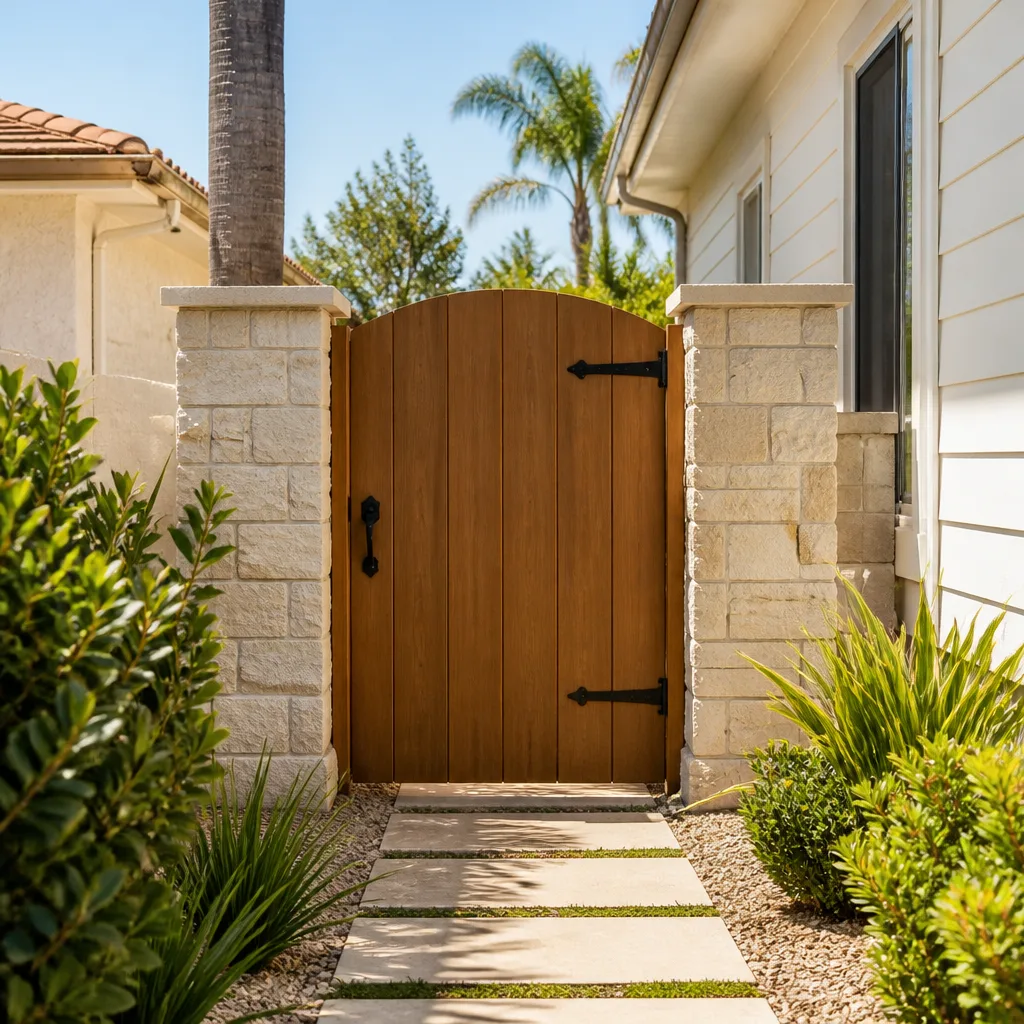
- Fence
Which CGI Models This Applies To
Modular and prefab addition systems come in a few shapes, and what applies to yours depends on which one you own. A panelized room addition – walls and roof sections built offsite, assembled on your slab – is a different animal from a volumetric unit that arrives as a finished box and gets craned into place, which is again different from a garage conversion kit that reuses your existing structure. Each has its own foundation requirements, its own tie-in points where the new roof meets the old, and its own set of drawings that a Hialeah building inspector will want to see.
To identify what you have, look for three things before you call anyone. The manufacturer’s data plate or label on the unit will carry a model or series designation and a serial number. The original permit packet – if there is one – should include the engineered drawings with wind-load ratings on them. And the room dimensions themselves matter: if the unit was specified at one size and the lot or setback lines demand another, you’ll be reworking the perimeter, not swapping a component.
Here’s the compatibility gotcha that catches Hialeah owners. Florida’s product approval system (the Florida Building Code approval, sometimes called a NOA or FL product approval number) is specific to a product, a manufacturer, and a design pressure. A modular unit approved for a design pressure of 140 mph doesn’t automatically qualify for a site where the code requires more, and Miami-Dade’s High Velocity Hurricane Zone rules are stricter than most of the state. When we look at a CGI or any modular spec, the design pressure and the product approval number are the first two things we check against your address. If they don’t line up, the “OEM vs. aftermarket” question is moot – you’re looking at reinforcement or redesign, and it’s better to know that before you order anything.
On the OEM-versus-equivalent question for the components inside the addition – cabinets, counters, fixtures – we’re not locked to one supplier. We source across more than fifty vetted brands, including KraftMaid, Cambria, and Silestone as well as the CGI line, so the written quote reflects real market pricing rather than an inflated single-vendor number.
Signs Your CGI Home Additions & ADU Is Failing
- Water staining at the tie-in where the addition roof meets the house. Usually a flashing detail that was never built to Miami-Dade’s wind-driven rain standard, so every summer afternoon storm pushes water into the joint. Left alone, the sheathing behind it rots.
- Doors and windows that no longer close squarely. In a modular addition this often points to foundation settlement rather than the frame itself, especially on Hialeah lots with fill soil or a high water table.
- Musty smell or soft drywall near the floor. Rising damp from a missing or failed vapor barrier under the slab, or a flood-zone base elevation that was set too low. Both are fixable, but not by painting over them.
- Interior cracks that keep reopening after patching. Cracks that come back in the same place are telling you the structure is still moving. That’s a foundation or connection problem, not a drywall problem.
- A permit file that doesn’t match what’s standing on the lot. The most common failure we find: the unit went in without a final inspection or with drawings that never matched the built product. This surfaces at resale, at insurance renewal, or after a storm claim, and it’s expensive to unwind.
See the difference
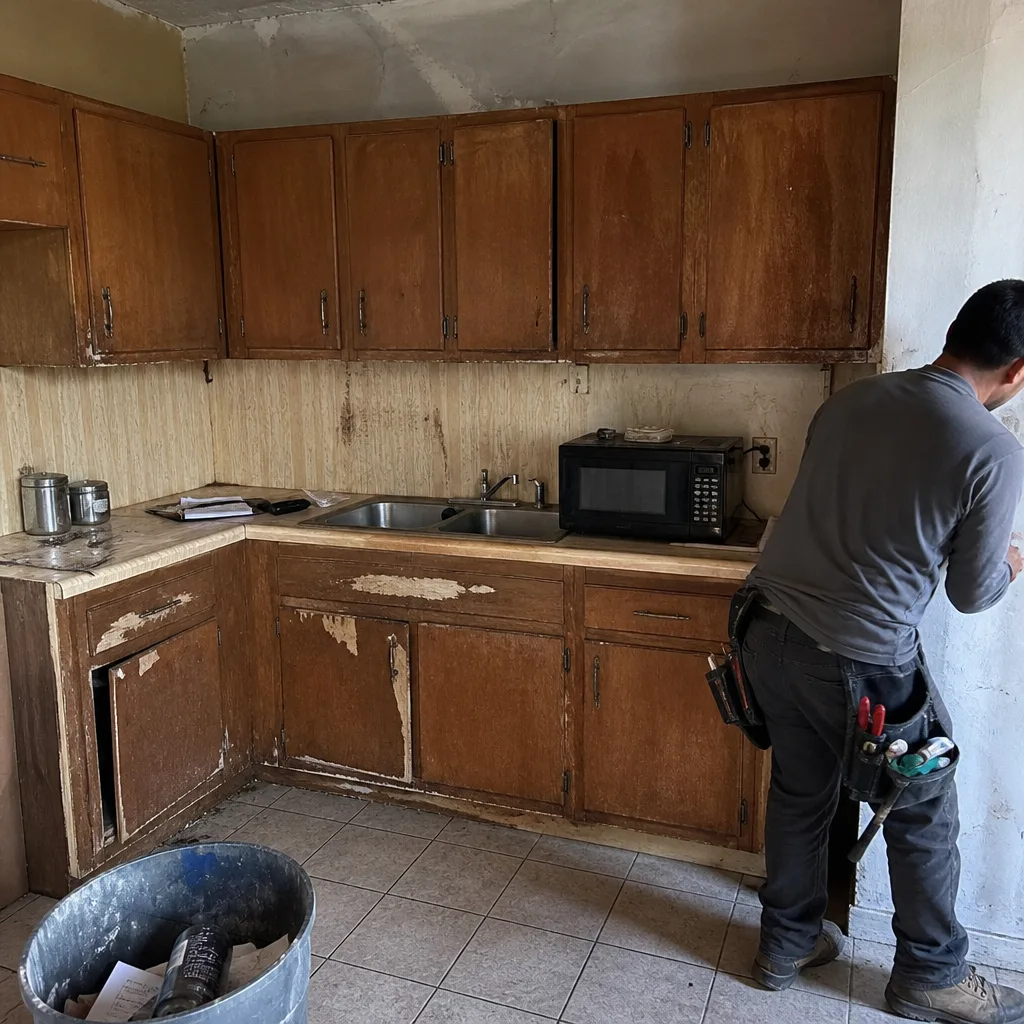 Before
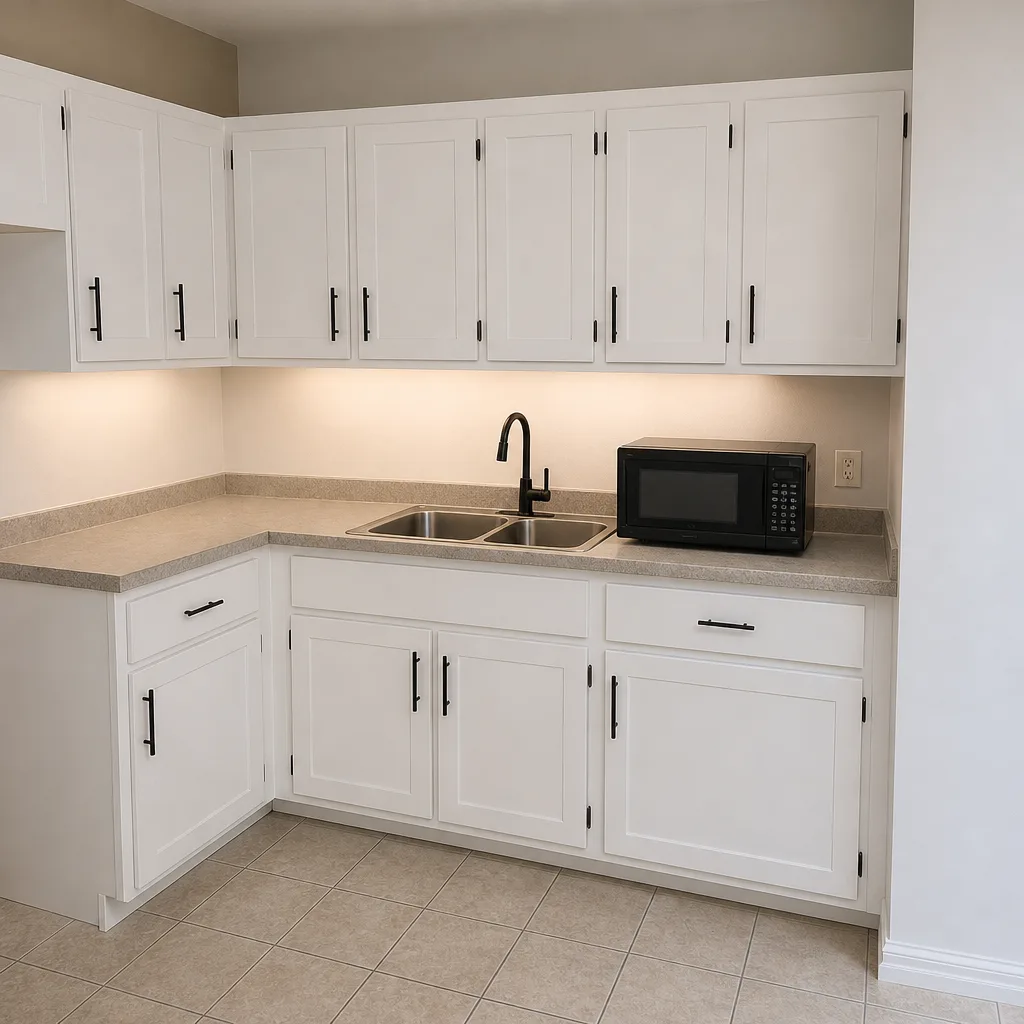 After
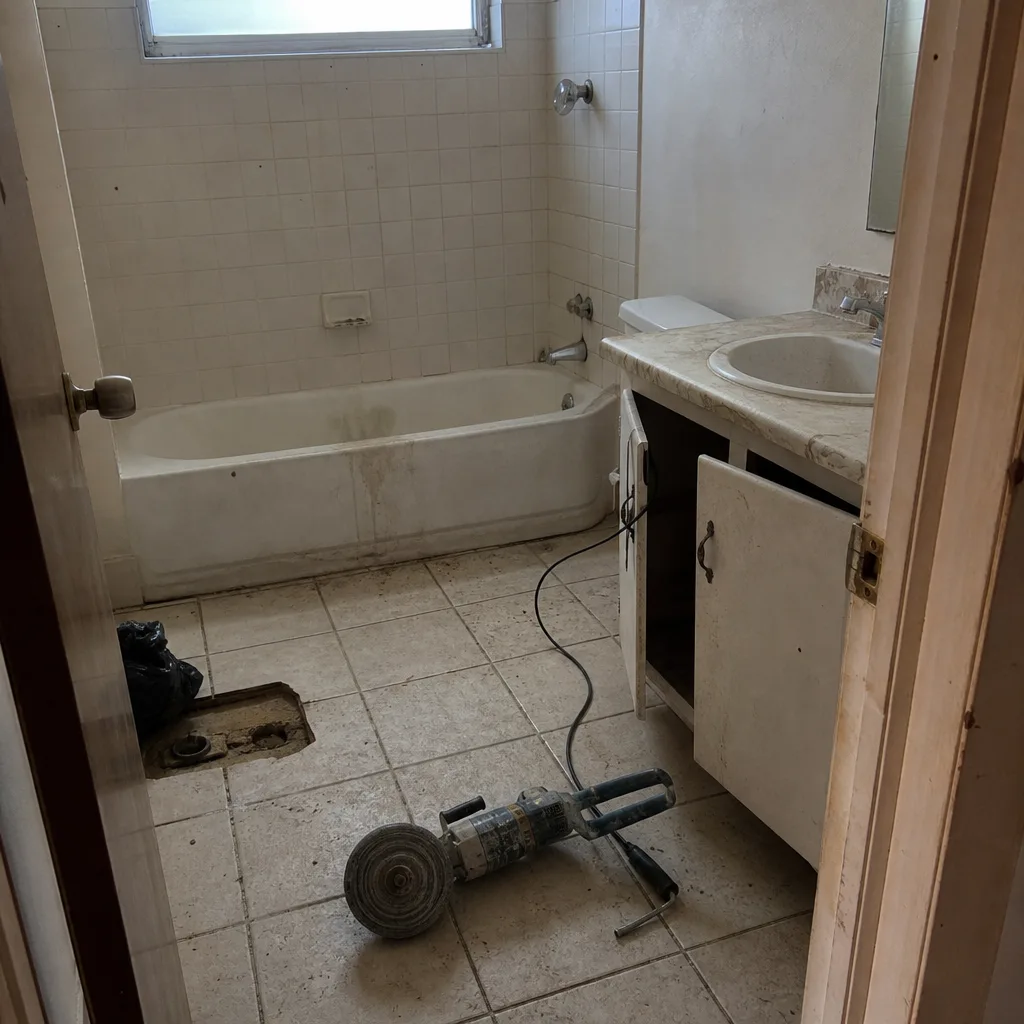 Before
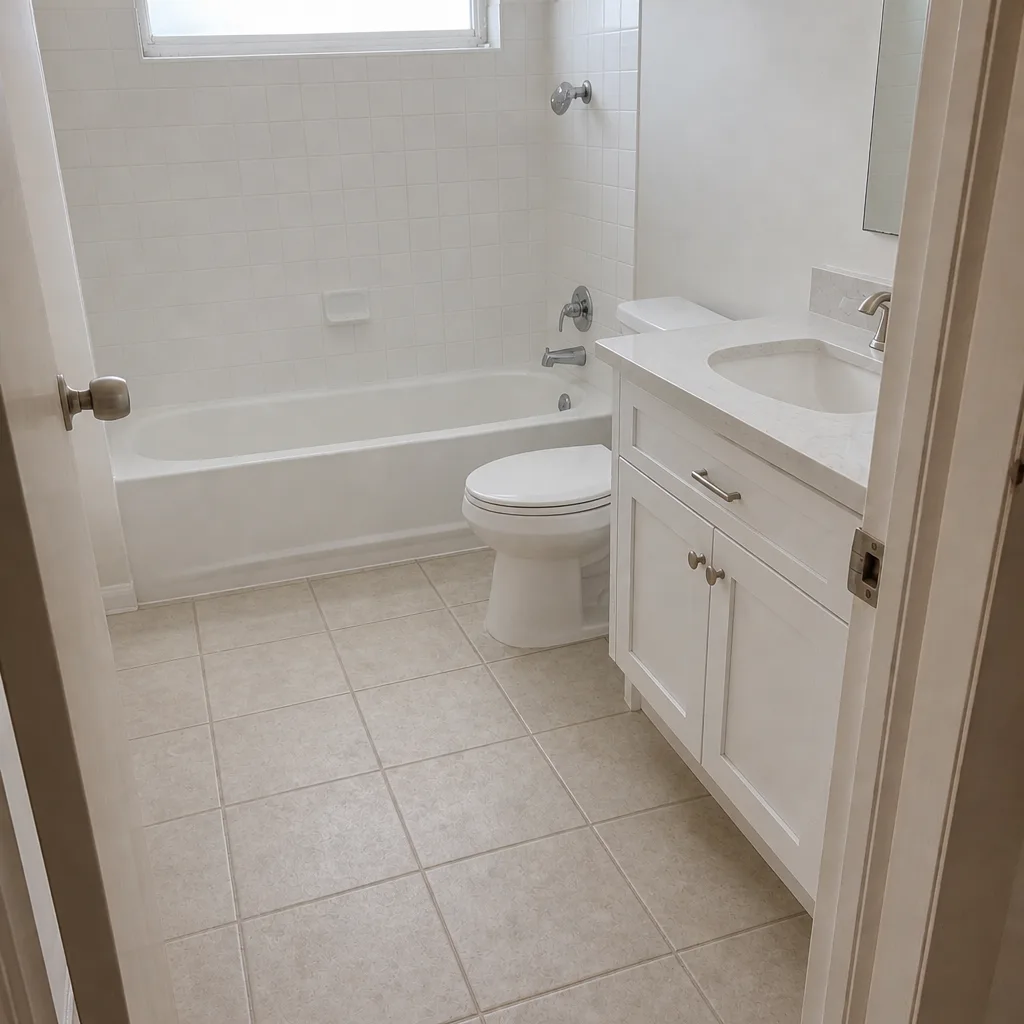 After
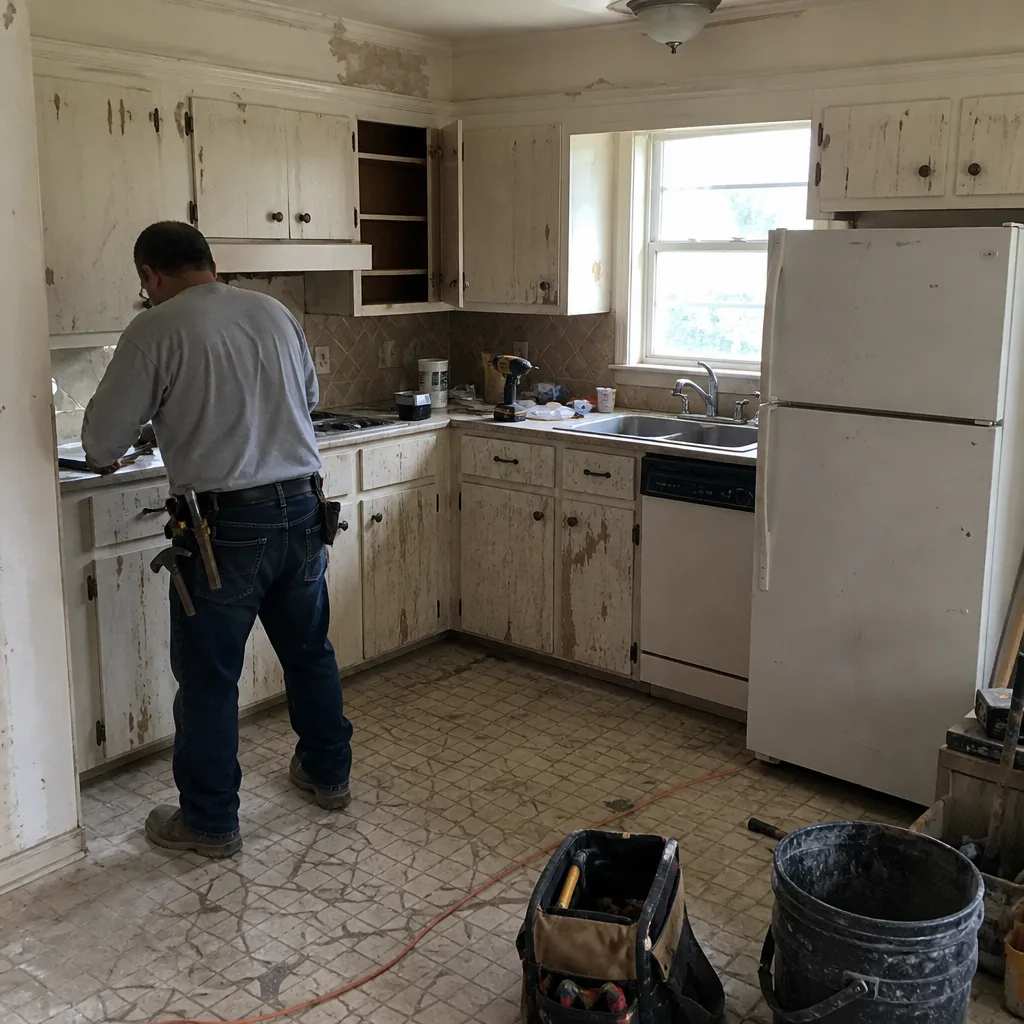 Before
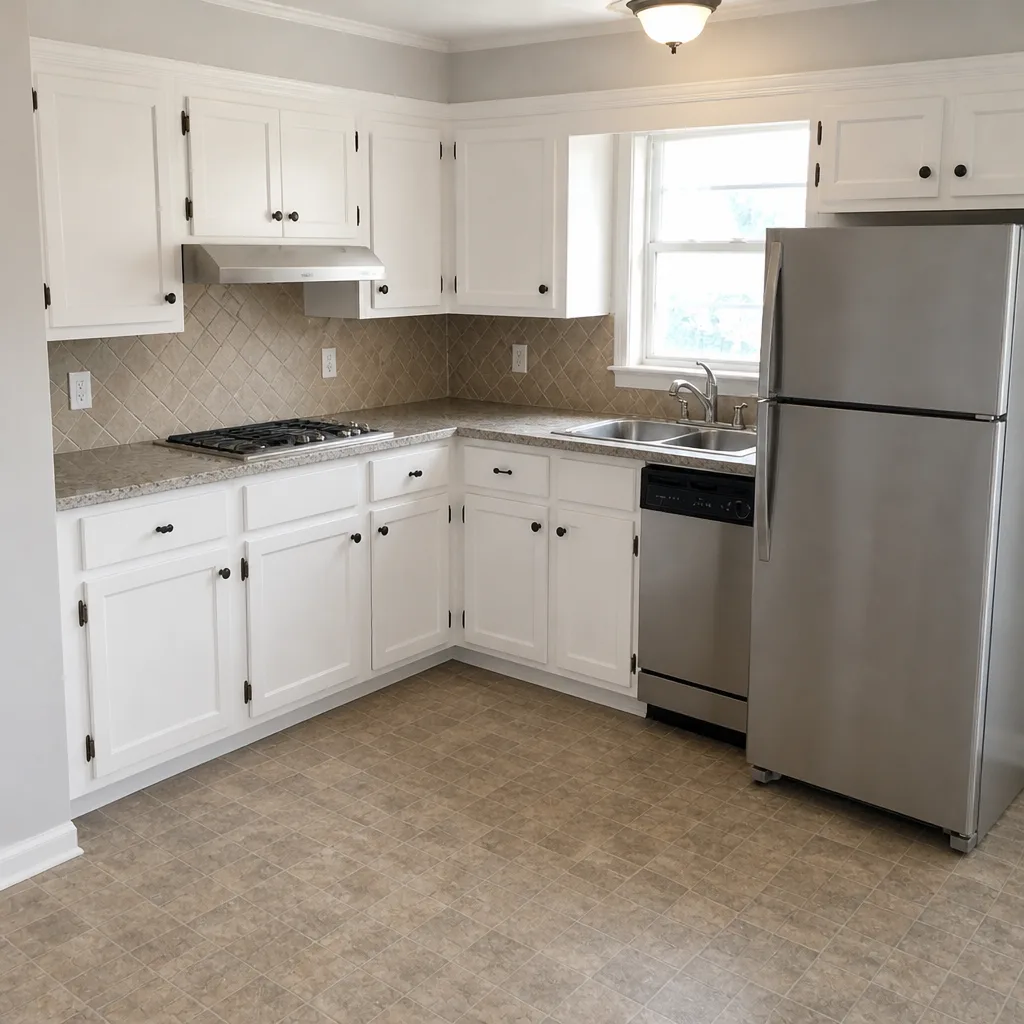 After
Replacement Cost & What’s Included
Most failed modular additions aren’t replaced whole – they’re corrected, tied in, and finished to code, and the price depends on how much has to come apart. Here’s what Hialeah owners typically see for the work this page covers, quoted as a flat written price with a written scope:
| Project | Installed price range in Hialeah |
|---|---|
| Home addition (room addition, tied to existing structure) | $45,000 – $130,000 |
| ADU construction (attached or detached accessory unit) | $90,000 – $220,000 |
| Garage conversion to living space | $30,000 – $80,000 |
What drives the range: foundation type (slab-on-grade versus elevated to a flood-zone base), wind-load reinforcement for the Miami-Dade HVHZ, roof tie-in and flashing, whether utilities have to be re-routed, finish level, and – the one that surprises people – the permit and inspection path. Every quote we write is line-item, so you can see the parts cost, the labor, and the permit fees separately. The 365-Day Done Right Promise covers the finished work, and no change proceeds without your signature on a change order.
DIY or Call Us?
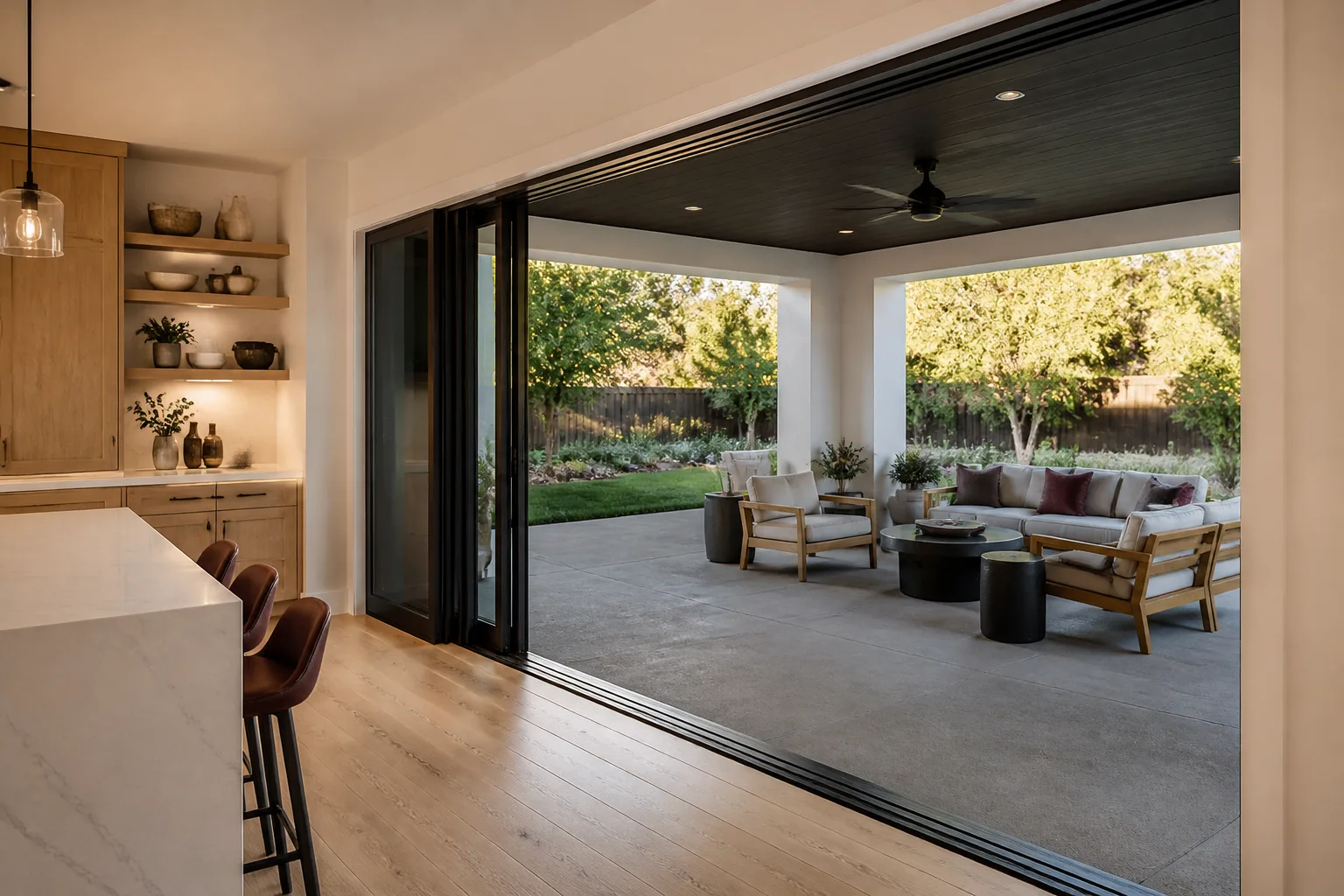
You can safely gather information yourself. Find the data plate and record the model and serial numbers. Pull your property’s permit history from Miami-Dade County’s online portal. Photograph any staining, cracking, or soft spots with something for scale in the frame. Measure the actual room dimensions. Those four things cost nothing and make the first conversation far more useful.
What you shouldn’t do yourself is structural, and we’ll say that plainly. Rebuilding a roof tie-in, pouring or leveling a foundation, reinforcing a unit for wind load, and re-routing electrical or plumbing within an addition are all work where a mistake shows up months later as water damage, a failed inspection, or an insurance problem. And anything touching the building’s structural envelope or flood-zone elevation has to be inspected and signed off – doing it yourself doesn’t skip that step, it just adds a demolition bill on top. Bring us what you found and we’ll tell you what it actually needs, in writing. Call (888) 836-5914 to schedule a free estimate, or a free second opinion if you already have a written quote from someone else.
FAQs
A properly built and correctly tied-in addition should hold up for decades – the structure itself isn’t the weak point. In Hialeah, the lifespan hinges on the roof flashing at the tie-in, the vapor barrier under the slab, and whether the unit was reinforced for Miami-Dade wind loads. Salt air, humidity, and summer downpours attack those details, not the frame. Get the tie-in and flashing done to code and you avoid the failures that cut a unit’s life short. Call (888) 836-5914 if you want us to look at a specific unit.
Usually yes. Most of what we see in Hialeah is a correctable install or connection problem – a bad flashing detail, a settled foundation, a missing permit – not a unit that has to come out. Whether repair makes sense depends on how much structural damage has accumulated and whether the original product approval matches your address. We’ll tell you which it is before any work starts, and the price is written down first.
A garage conversion runs four to eight weeks. A room addition runs eight to sixteen weeks. A full ADU runs four to seven months, and the permit and inspection timeline in Miami-Dade is a real part of that. We give you a written schedule with the written price, and we don’t promise same-day anything on this kind of work – the honest timeline is the one that passes inspection. Call (888) 836-5914 for a schedule tied to your project.
We source across more than fifty vetted brands and match the component to your unit’s design pressure and product approval, not to whatever’s easiest to order. For cabinets and countertops that means names like KraftMaid, Cambria, and Silestone are on the table alongside CGI’s own line. We don’t claim to stock parts or carry them on a truck – every part is specified against your drawings and your address before it’s ordered, so the written quote reflects the real item.
When you’re ready to put a number on paper, Rowan Construction Group Hialeah will give you a written flat price, a written scope, and a written warranty before any work starts. Call (888) 836-5914 for a free estimate.
Written by the team at Rowan Construction Group Hialeah, serving Hialeah and nearby areas.