Last updated November 16, 2026



Free written scope consultation - allowances, timeline, and change-order rules on paper before a single trade is scheduled
Choosing the Right Construction Brand: A Buyer’s Guide for Hialeah
A Pella window is not automatically Miami-Dade approved. Neither is a GAF shingle or a sheet of James Hardie siding. The brand name printed on the box is a marketing promise; the approval that matters in Hialeah is a NOA number printed on the product label, and the two do not always travel together. In Miami-Dade County, only specific product models from each manufacturer carry a Notice of Acceptance, the document that lets a building official sign off on an installation. Choose the right brand and the wrong series and your inspection fails anyway. This guide shows you how to verify brand-level and product-level approval before you buy, budget, or sign.
Quick Answer
Construction material brands are Miami-Dade approved only at the product-model level, not the brand level. To confirm a product is legal for use in Hialeah’s High-Velocity Hurricane Zone, look up the specific model number in Miami-Dade’s Product Control database, confirm an active Notice of Acceptance with a valid expiration date, and make sure your contract names that exact model. A reputable brand with the wrong product line will still fail inspection.
Styles & brands we work with
- Kitchen remodeling
- Bathroom remodeling
- Home additions & ADU
- Roofing
- Windows & doors
- Driveway & pavers
- Fence
Table of Contents
- What Is a Miami-Dade NOA and Why Does It Matter in Hialeah?
- How to Look Up a Product’s NOA Step by Step
- How to Read an NOA Document
- Brand-by-Brand Approval by Category
- How Material Substitutions Happen and How to Catch Them
- The Price Premium for Approved Products: When It’s Code and When It’s Margin
- How to Request and Read a Material Submittal Package
- Common Mistakes to Avoid
What Is a Miami-Dade NOA and Why Does It Matter in Hialeah?
A Notice of Acceptance, or NOA, is Miami-Dade County’s product approval document for construction materials used in the High-Velocity Hurricane Zone, commonly called the HVHZ. The HVHZ covers all of Miami-Dade and Broward counties, which means every roof, window, door, and cladding system installed in Hialeah sits inside that zone. Products must demonstrate they meet the county’s testing standards for wind pressure, impact resistance, and water infiltration, and the NOA is the county’s written statement that a specific product has done so.
What trips buyers up is the unit of approval. The NOA is issued to a manufacturer for a defined product series or model, not to the company’s entire catalog. A manufacturer might hold dozens of active NOAs for its impact window lines and none for its standard aluminum series. The same holds for roofing underlayments, exterior insulation finish systems, and structural connectors. In Hialeah, an inspector checking a window installation is not looking at the brand; they are matching the label on the frame to the NOA the contractor submitted.
Two practical consequences follow. First, “we only use brand-name materials” tells you nothing about compliance. Second, when you’re comparing quotes, the question isn’t which brand; it’s which model, under which NOA, with what expiration date. We’ve seen Hialeah homeowners pay a premium for a well-known brand and still get a correction notice because the specific series wasn’t approved for that opening size.
How to Look Up a Product’s NOA Step by Step
Miami-Dade maintains a public online database, the Product Control search tool, where anyone can verify an NOA. You don’t need a contractor login or a permit number. Here’s the process we walk customers through:
- Get the exact model or series number. This is on the spec sheet, the carton, or the window frame label. “Impact window” is not a model. “Series XYZ, fixed picture window, 4-foot by 5-foot” is.
- Open Miami-Dade’s Product Control database. Search by manufacturer name, product category, or the NOA number if the contractor already gave you one.
- Match the product to the approval record. The database lists the manufacturer, the product description, the NOA number, the issue and expiration dates, and often the approved installation methods.
- Check the expiration date. NOAs are issued for a defined term and then renewed, revised, or allowed to lapse. A lapsed NOA means the product is no longer approved for new permits.
- Confirm the installation method matches your job. Some NOAs approve a product for specific substrate types, fastener patterns, or maximum opening sizes. An approved product installed off-spec is not compliant.
We run this lookup on every specified product before a Hialeah permit package goes out. It takes minutes per line item and prevents the far more expensive problem of discovering at rough-in that a window series was approved for a different frame depth.
How to Read an NOA Document
The NOA itself is a short document, usually two to five pages, and it rewards a careful read. The top of the page carries the manufacturer’s name, the product description, and the NOA number. Beneath that, pay attention to four things:
- Scope of approval. This paragraph states exactly which product lines and sizes are covered. A window NOA might approve fixed units up to a certain width but exclude operable units above a stated dimension.
- Installation requirements. The NOA references an installation method, often tied to a separate evaluation or manufacturer instruction sheet. If your installer deviates, the approval no longer applies to your installation.
- Expiration date. County records show issue and expiration. A product already in the ground with an expired NOA isn’t automatically removed, but it can complicate resale, insurance, or a future permit.
- Revision history. A manufacturer may have revised the product since the NOA was issued. The approval covers the version described in the document, not automatically the newer revision.
We’ve had Hialeah customers ask whether an expired NOA on an existing installation means a problem. Usually it doesn’t, provided the installation was permitted and inspected when the NOA was active. The permit record is the evidence. But if you’re planning an addition or re-roof that touches that assembly, the current approval status matters again.
Brand-by-Brand Approval by Category
This is where the brand-versus-product distinction gets concrete. Below is how approval typically breaks down across the categories most Hialeah projects touch. These examples are illustrative of the pattern, not an endorsement list, and the approval status of any specific model should be verified in the county database for your project.
Roofing systems
GAF and Owens Corning both manufacture shingle and underlayment systems with multiple product tiers. In the HVHZ, the shingle itself often matters less than the approved system assembly: specific underlayment, specific fastener pattern, specific deck attachment. A GAF Timberline shingle installed without the approved underlayment under it is not a compliant system. Roofers in Hialeah deal with this daily because wind-driven rain and the county’s uplift requirements push them toward conservative assemblies.
Impact windows and doors
Product-level approval dominates this category. Manufacturers hold NOAs for individual series and opening types. A well-known brand may have approved impact lines and non-approved standard lines sitting in the same catalog. When you compare quotes, demand the exact series and NOA number for each opening, not a brand promise. If you’re planning a full window package, our Rowan Construction Group Hialeah home page outlines how we document that for a written scope.
Concrete masonry and structural materials
Concrete block is largely governed by ASTM standards and local testing rather than an NOA, but structural connectors, anchors, and some reinforcement systems do carry county approvals. In Hialeah’s older neighborhoods, where additions tie into existing masonry, the connection hardware and anchoring method are the pieces that get scrutinized.
Waterproofing membranes
Membranes used on balconies, flat roofs, and shower pans carry product-specific approvals and manufacturer installation requirements. The failure mode here is substitution: a contractor swaps a specified membrane for a cheaper roll-good of similar appearance. For bathrooms, our Bathroom Remodeling in Hialeah page explains why the membrane is the line item we never accept a substitute on.
Exterior cladding
Fiber cement and stucco systems carry manufacturer and, in some cases, county approvals tied to the full assembly, including the weather-resistive barrier and weep screed detail. A brand can be excellent and still fail if the trim and flashing details are improvised on site.
How Material Substitutions Happen and How to Catch Them
Substitution is the quiet risk in this whole process. It usually isn’t fraud; it’s a contractor trying to protect a margin when a specified product is back-ordered, or a crew substituting on instinct because the approved item wasn’t on the truck. Either way, the result is your approved product quietly becoming an unapproved one.
The contract language decides how much freedom a contractor has. Watch for these phrases on your own paperwork:
- “Or equal” and “equivalent substitution.” These give the contractor discretion to swap in something they deem equivalent. Unless the contract requires your written approval and the substitute’s NOA, that discretion can mean an unapproved product.
- Named model numbers. Strong contracts list the exact manufacturer, series, and model per line item, plus the NOA number where applicable. If your quote says “impact windows” with no model, you’ve given the contractor room to substitute.
- Submittal-first language. The best protection is a clause requiring the contractor to submit the material submittal package for your review and sign-off before ordering.
Under the approach we use, no work proceeds on a change until a change order is signed. That discipline applies to material substitutions too. If a specified GAF underlayment is unavailable, the change to an alternate approved product gets documented and priced before anything gets installed. You should be able to open a Hialeah contractor’s file and find the approved model, the NOA, and a signed record when a substitution happened.
The Price Premium for Approved Products: When It’s Code and When It’s Margin
Approved products cost more than their non-approved counterparts, and some of that premium is inevitable. Impact-rated windows cost more than standard ones because of the glass, the frame, and the testing. HVHZ roofing assemblies cost more because the underlayments and fasteners are heavier. That portion is code, and no honest contractor can quote around it.
But premium isn’t always compliance. In our experience, the tell is whether the additional cost maps to a specific NOA, model, and installation requirement. If a quote is $1,200 higher for “upgraded roofing materials” with no NOA and no model specified, you can’t tell whether you’re paying for compliance or for a nicer-sounding word. Some realistic patterns from Hialeah jobs:
- Justified premium: a higher-cost impact window series with an active NOA for your opening sizes, versus a standard window that wouldn’t pass.
- Justified premium: a full roofing assembly (approved underlayment plus fasteners) versus a shingle-only quote that leaves the system incomplete.
- Margin, not code: a “premium” brand installed with standard trim and flashing details that don’t match the approved assembly.
- Margin, not code: a name-brand fixture or cabinet in a non-structural role where no NOA exists and price is purely aesthetic. Caesarstone countertops and a Kohler faucet are a materials decision, not a compliance one; the NOA conversation ends at the cabinet box and the counter becomes a taste and budget question.
That last distinction matters. In Hialeah, we see buyers overpay for hurricane approvals on interior finishes where none are required, and underpay attention on the roof assembly where they are. The discipline is asking which line items are code-driven and which are preference-driven.
How to Request and Read a Material Submittal Package
A material submittal package is the document set a contractor assembles to prove the specified materials are approved and on order before work begins. Request it in writing, and ask for it before the crew mobilizes. A complete package for a Hialeah project typically includes:
- Product data sheets for each specified material, showing the manufacturer, series, and model number.
- NOA copies for every product requiring county approval, with current expiration dates highlighted.
- Installation instructions referencing the approved method.
- A substitution log showing any approved alternates, with the sign-off and the date.
- Purchase or order confirmation showing the approved product is actually what was ordered, not a similar-looking alternate.
Read it for alignment: does every model in the submittal match the model in the contract? Are the NOAs current? Do the installation instructions match the label on the material delivered? When we deliver a written quote, it names the model and the brand together, and when work starts, the documentation trail lets the customer check both. For a project that adds square footage, the submittal discipline is even tighter, which is why our Home Additions & ADU in Hialeah page walks through what a permitting package includes.
Common Mistakes to Avoid
- Treating a brand name as the approval. A Pella window, a GAF shingle, or a James Hardie panel is approved only at the model level. Confirm the NOA number before you buy.
- Accepting “or equal” substitution language. It hands the substitution decision to the contractor. Insist on named models and written approval for any swap.
- Not checking NOA expiration dates. A lapsed NOA means the product is no longer approved for new permits in Hialeah. It’s easy to check and easy to miss.
- Paying a premium without documentation. If you’re paying more for an “approved” or “premium” product, get the NOA and the model in writing. Price without paperwork is a guess.
- Skipping the submittal package. Without it, you have no written proof of what was specified versus what’s on order. The package is the audit trail.
- Assuming interior finishes need hurricane approvals. Countertops and fixtures are materials choices, not code items. Don’t pay for compliance that isn’t required.
- Not reading installation requirements. An approved product installed off-spec isn’t compliant. The NOA binds the product to the method.
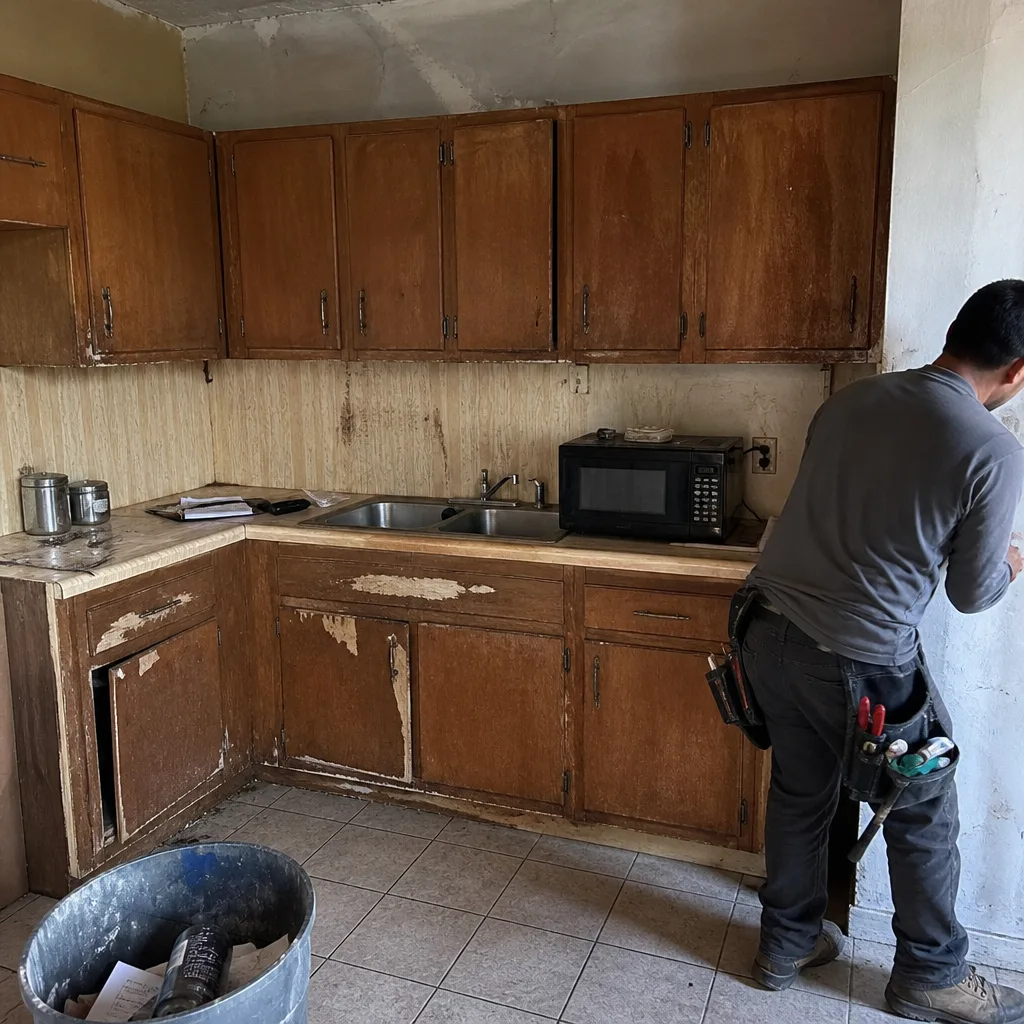
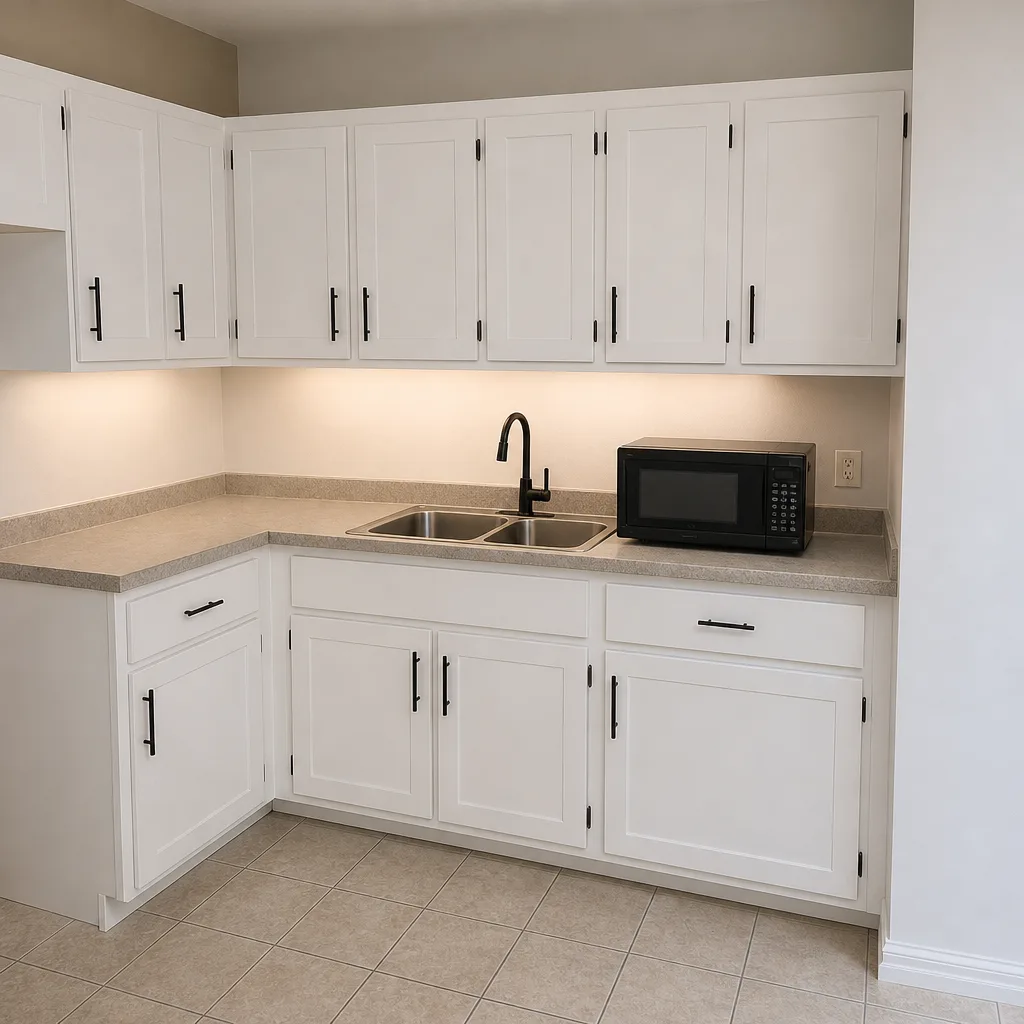
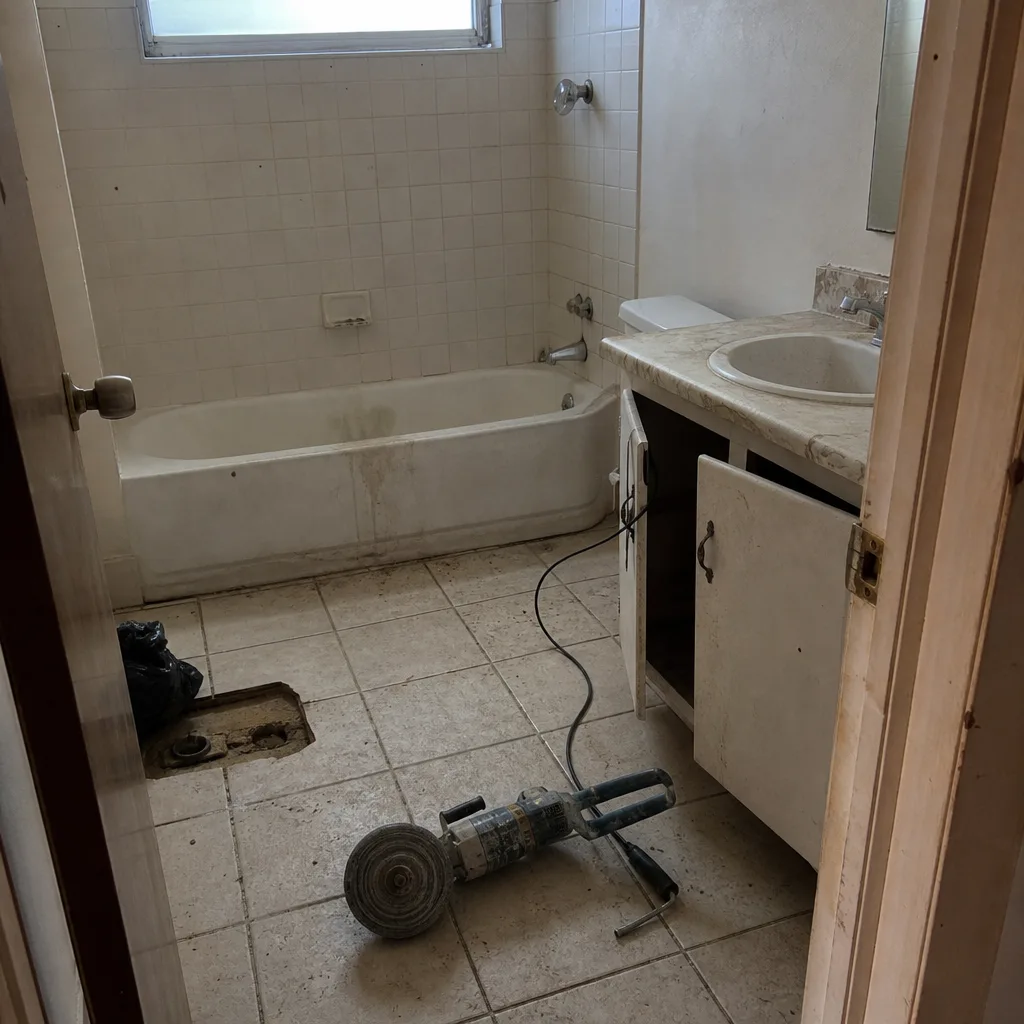
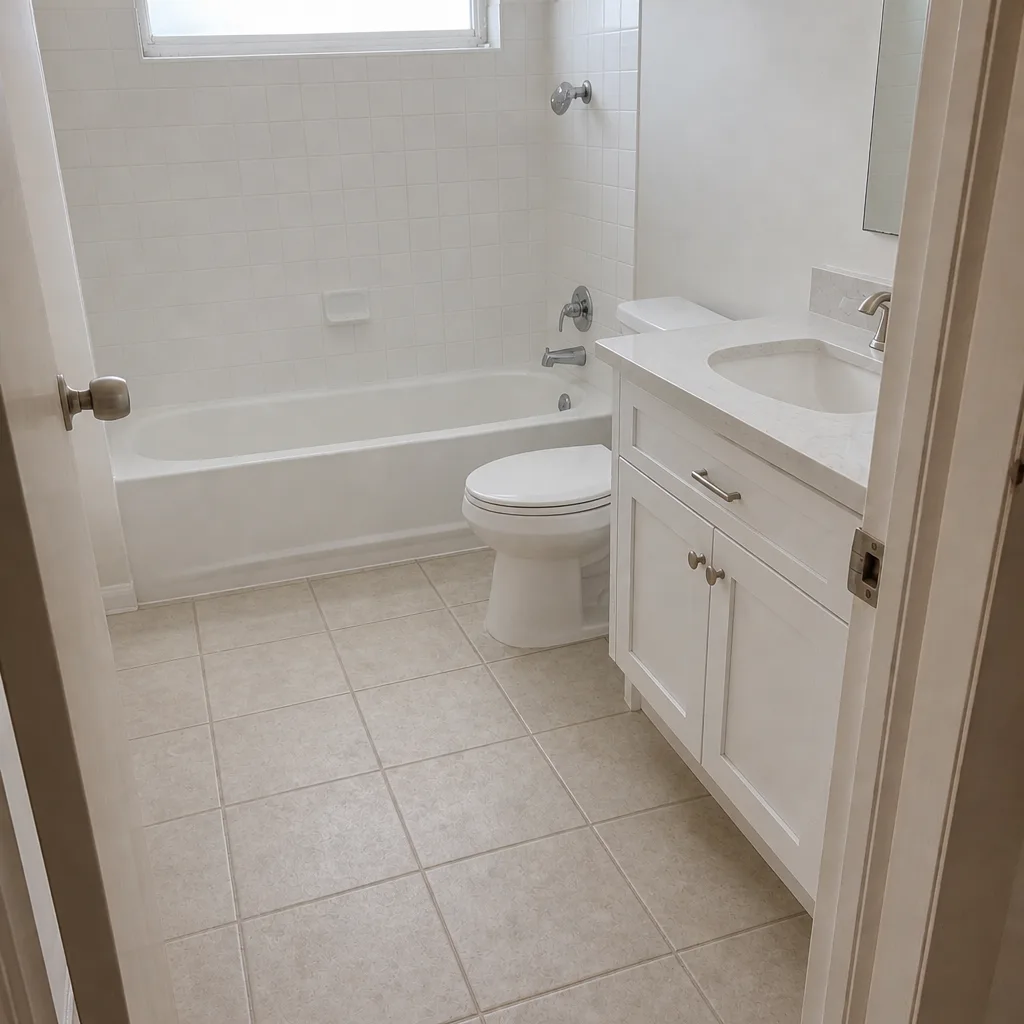
See the difference
 Before
 After
 Before
 After
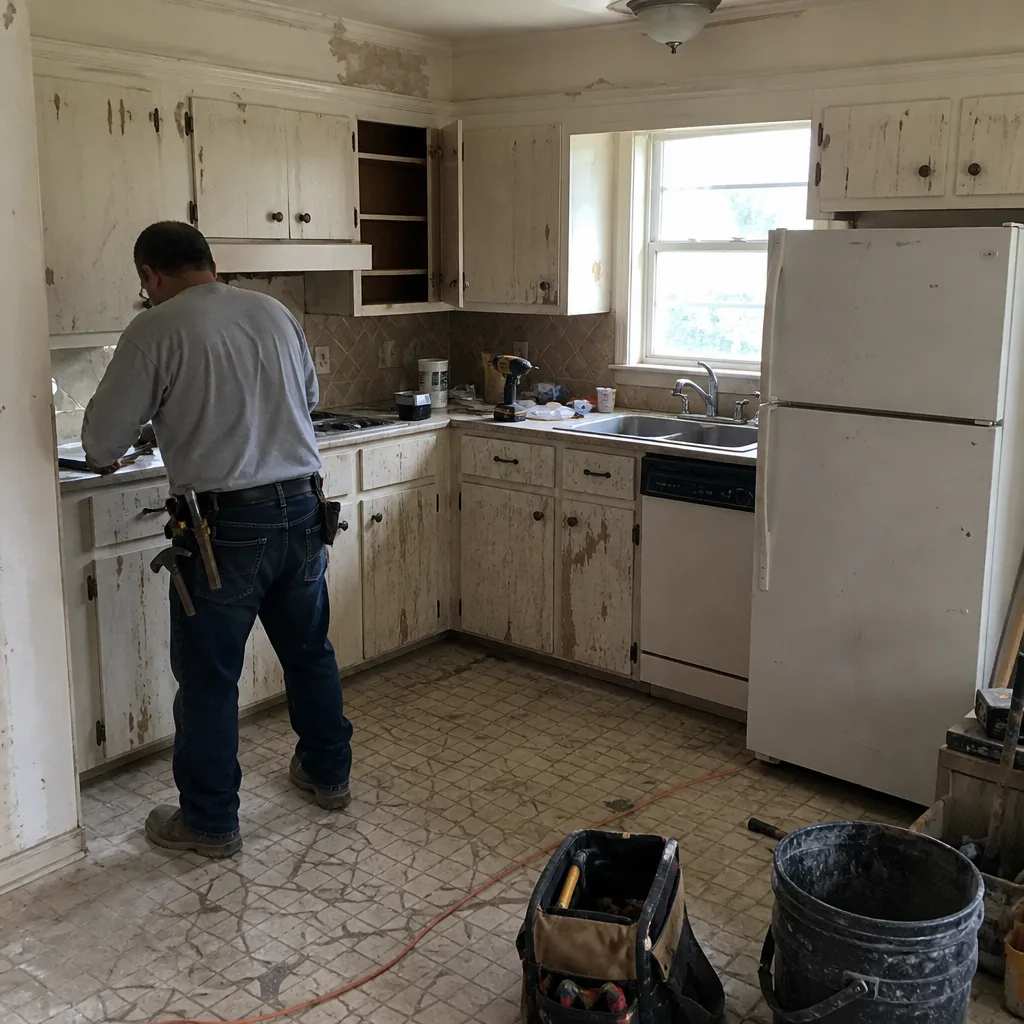 Before
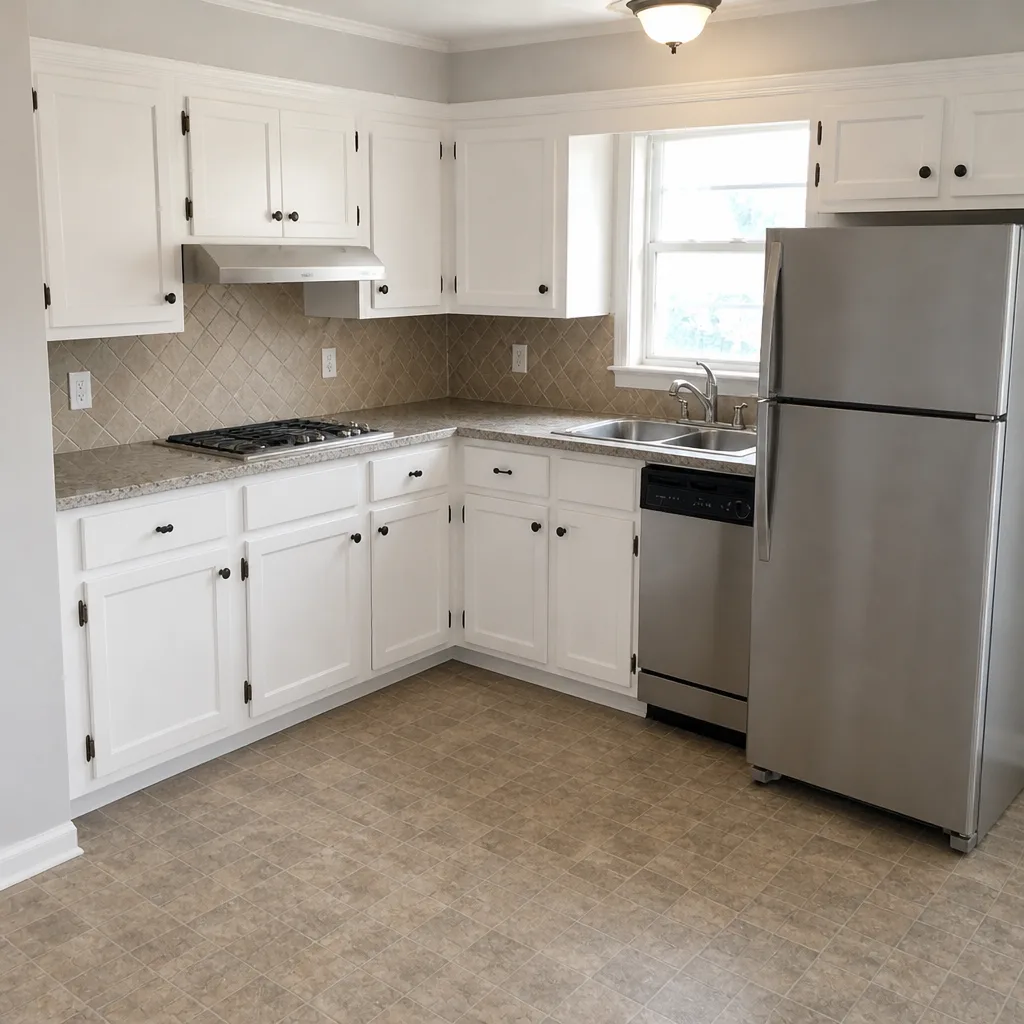 After
When to Call a Professional
Some brand verification you can do yourself with a model number and the county database. But the moment a project involves a permit, a HVHZ assembly, or a contract with substitution language, the stakes are high enough that professional eyes pay for themselves. Call us when you’re comparing written estimates and can’t tell whether an approved product is actually being specified. Call when a contract uses phrases like “or equal” and you want a second opinion on what it means. Call when you’re planning a re-roof, a window package, or an addition and want the material submittal package built and checked before anyone orders a board. Rowan Construction Group Hialeah offers free estimates in Hialeah, and we’ll review a competitor’s quote line by line at no charge. Call (888) 836-5914 to schedule yours.
Frequently Asked Questions
No. Miami-Dade approval is issued at the product-series and model level, not the brand level, so some Pella series carry active NOAs for Hialeah and some don’t. Verify the exact model number in the county’s Product Control database before you buy or sign.
The High-Velocity Hurricane Zone covers all of Miami-Dade and Broward counties, so every permitted roof, window, and cladding installation in Hialeah must use products approved for that zone. The approval is documented through an NOA for the specific product model.
An expired NOA means the product is no longer approved for new permits, though an existing installation permitted and inspected while the NOA was active usually stands. If you plan to re-roof or build an addition that touches that assembly, the current approval status matters again.
Compare the specified model on your contract to the model on the delivered material and in the submittal package. Require named models and NOA numbers in writing, and a signed change order before any substitution happens. If those are in place, the swap has nowhere to hide.
No. Hurricane approvals apply to structural and envelope products. Interior finishes such as Caesarstone countertops, Kohler fixtures, and cabinets are a budget and taste decision, not a compliance one. Spend your verification effort on the roof, windows, and exterior assemblies.
Yes. Bring in a written estimate or submittal package and we’ll review it line by line at no charge, checking that specified models carry current NOAs and that the contract doesn’t leave substitution language open. Call (888) 836-5914 to start the review.
The Bottom Line
In Hialeah, brand selection is a compliance question first. The brand name is not the approval; the NOA number on the product label is, and it covers specific models, not whole catalogs. Verify the model in the county database, confirm the expiration date, insist on named products and NOA numbers in your contract, and request the material submittal package before work begins. Watch for “or equal” language, and know which line items are code-driven and which are preference-driven. Do that, and the brands you choose will actually pass inspection.
When you’re ready to compare written prices with the models and NOAs named per line item, or you want a second opinion on a package you’ve already been given, our related pages walk through the trades involved: Roofing in Hialeah, Windows & Doors in Hialeah, Kitchen Remodeling in Hialeah, Bathroom Remodeling in Hialeah, Driveway & Pavers in Hialeah, and Fence Installation in Hialeah.
Call (888) 836-5914 for a free estimate. Every quote we write names the product, the model, and the written price before any work starts, and no change proceeds without a signed change order.
Written by the team at Rowan Construction Group Hialeah.