Last updated November 17, 2026
Free written scope consultation - allowances, timeline, and change-order rules on paper before a single trade is scheduled
DIY vs Professional Construction: The Hialeah Homeowner’s Decision Guide
Florida’s owner-builder exemption is the part of DIY most guides skip. Under Florida Statute 489.103, a homeowner may pull permits and self-perform certain work on a primary residence, but only after signing a disclosure affidavit, and the law bars selling that property for one year after the work is finalized. Those conditions are real, and Miami-Dade enforces them. In this guide we map the authorization boundary first, before we ever talk about skill level, because in Hialeah the permit question decides the DIY question more often than a homeowner’s ability does. You’ll learn which Hialeah projects you can legally self-perform, which need a licensed contractor to pull permits no matter who swings the hammer, and where DIY quietly costs more than hiring.
Quick Answer
In Hialeah, DIY is legally viable for a narrow band of cosmetic and exterior work on a home you occupy: interior painting, cabinet hardware, landscaping outside setback lines, and similar finish-level scope. Anything requiring a permit – roofing, electrical, plumbing, structural changes, window and door replacement, additions – triggers Miami-Dade inspection requirements, and self-performing that work exposes you to insurance claim denials and the one-year resale restriction under the owner-builder exemption. Skill matters, but authorization comes first.
Styles & brands we work with
- Kitchen remodeling
- Bathroom remodeling
- Home additions & ADU
- Roofing
- Windows & doors
- Driveway & pavers
- Fence
Table of Contents
- What Florida’s Owner-Builder Exemption Actually Allows
- The Hialeah Project-Type Matrix: DIY-Eligible, Permit-Required, and Exempt
- The True Cost of DIY in Hialeah
- How Unpermitted DIY Work Affects Your Insurance Claim
- Where DIY Is Both Legal and Cost-Effective in Hialeah
- How to Vet a Hialeah Contractor the Way You Vet Appliances
- The Permit and Inspection Process, Step by Step
- Common Mistakes to Avoid
What Florida’s Owner-Builder Exemption Actually Allows
The owner-builder exemption in Florida Statute 489.103 lets a homeowner act as their own contractor on a single-family residence they occupy as their primary home. It is not a universal self-perform license, and it does not lower the technical bar. It removes the licensing requirement for the individual doing the work, and it adds three conditions most homeowners never read.
The first condition is the disclosure affidavit. Before a building department issues a permit to an owner-builder, the homeowner signs a notarized statement acknowledging that they are responsible for the work, that the property will be inspected, and that they accept the risks. In Miami-Dade, that affidavit is filed with the permit application, not after. The second condition is the inspection requirement: every permitted scope still goes through the county’s inspection chain, and a failed inspection stalls the project until a licensed trade corrects the deficiency. The third is the one-year resale restriction. You cannot sell a property for one year after the owner-builder work is completed unless the buyer signs a disclosure acknowledging the work. That restriction catches people mid-sale more often than most realize, especially in Hialeah’s fast turnover neighborhoods near the Palmetto Expressway corridor.
What the exemption does not allow: self-performing work on a rental property, a secondary home, or a property held in an LLC or trust that isn’t your primary residence. The statute is specific about occupancy, and Miami-Dade building officials check. Our technicians have up to 19 years of experience navigating these permits across Hialeah, and the rule we hear homeowners trip on is the LLC question, because they title a home in a company name and assume the exemption follows.
The Hialeah Project-Type Matrix: DIY-Eligible, Permit-Required, and Exempt
Hialeah projects fall into three buckets, and the bucket decides more than your skill level does. The matrix below reflects how Miami-Dade’s building department treats each scope for a single-family home the owner occupies.
Genuinely permit-exempt (DIY is legal and simple)
- Interior paint and trim, no structural change
- Cabinet hardware and drawer slides
- Landscaping outside setback lines, sod, plantings, mulch
- Pressure washing, screen repair on non-structural patios
- Replacing a faucet or toilet with a like-for-like swap in the same location
Permit-required, DIY legally possible under the owner-builder exemption (but inspection-heavy)
- Interior cosmetic wall removal of a non-load-bearing partition (still needs a permit and inspection in most cases)
- Fence installation in some cases, depending on height and setback
- Paver driveways and patios where the base prep is inspected
Permit-required and licensed-contractor scope regardless of who performs the work
- Roofing, including shingle, tile, and flat membrane systems (see our Rowan Construction Group Hialeah home page for the full trade list)
- Electrical service, panel work, and anything past a fixture swap
- Plumbing rough-in and gas lines
- Window and door replacement that changes the opening, egress, or impact rating
- Home additions and ADUs – see Home Additions & ADU in Hialeah
If your project lives in the third bucket, the exempt-versus-licensed question is settled before skill enters the picture. The contractor pulls the permit, the inspections run against the contractor’s license, and your insurance stays clean. For pavers and driveways, the base-prep inspection is the part homeowners routinely fail on a first try because the compaction and sub-base depth matter more than the visible finish. That’s why we wrote a whole page on Driveway & Pavers in Hialeah with the specs spelled out.
The True Cost of DIY in Hialeah
The honest DIY cost calculation includes four line items most guides leave out. The first is permit fees, which Hialeah and Miami-Dade charge on a schedule tied to valuation, so a $12,000 bathroom self-perform permit can run several hundred dollars in fees and additional inspection scheduling. The second is the material markup loss: contractors buy cabinet brands like KraftMaid and Wellborn, countertops like Cambria and Caesarstone, and pavers from Belgard and Techo-Bloc at trade pricing, and a homeowner buying one kitchen’s worth of cabinets at retail pays meaningfully more for the same boxes.
The third line item is tool rental. A tile job needs a wet saw, a mixing paddle, and a leveling system. A drywall job needs a lift for ceilings and a taping knife set a homeowner will use once. The fourth is the re-do rate. In our experience across Hialeah projects, first-time tile installs fail most often at the waterproofing layer, drywall fails at the tape line, and DIY electrical fails at the panel connection – each of those re-dos costs more than the original job would have.
A side-by-side look
| Cost category | DIY | Licensed contractor |
|---|---|---|
| Materials | Retail, single-unit | Trade pricing through brands like KraftMaid, Belgard, GAF |
| Permit fees | Paid by homeowner | Paid by homeowner, pulled by contractor |
| Tool cost | Rental, rental damage risk | Included in the labor figure |
| Inspection re-do risk | Homeowner carries | Contractor carries, written scope covers it |
| Time to close | Weeks to months | Documented schedule in the written scope |
Our standard is a written flat price and written scope before any work starts – Clause 1 of The Haven Standard – because the number is the point. A contractor who won’t put the price on paper is asking you to gamble on a DIY cost comparison you can’t actually run.
How Unpermitted DIY Work Affects Your Insurance Claim
This is where DIY decisions in Hialeah carry real financial risk. Homeowners’ insurance policies issued in Florida, including the standard HO-3 forms in force across Miami-Dade, exclude damage that originates in work performed without required permits. The exclusion language typically reads that the policy will not pay for loss “caused by faulty workmanship” or “arising from construction or remodeling performed without required permits.” When a claim comes in, the adjuster checks the permit history at the building department, and any improvement that shows up on your property record without a corresponding permit becomes an automatic coverage question.
In Hialeah, the issues we see most often follow a specific pattern. A homeowner self-performs a bathroom remodel and skips the shower pan permit. Two years later a slow leak reaches the subfloor and the ceiling below, and the claim lands on the adjuster’s desk. The permit search shows no plumbing or tile inspection, the claim is denied after a re-inspection, and the homeowner is out the repair cost plus the original project. Roofing is the second pattern: self-installed shingles done without a permit void wind mitigation credits and complicate the roof-age attestation at renewal, which is a genuine financial issue in a Hialeah market where wind coverage is inspected closely.
The fix isn’t complicated. Pull the permits. If you self-perform legally under the owner-builder exemption, the work still gets inspected, and the inspection record is what your insurer reads. If you hire, the contractor’s license and permit trail are the paper trail that keeps the claim alive. If you’re staring at a claim denial on unpermitted prior work, the trade-by-trade restart often begins with a roofing or bathroom gut-and-redo, and we cover the trades on our service pages.
Where DIY Is Both Legal and Cost-Effective in Hialeah
The honest answer is narrower than the internet suggests. Interior painting, landscaping outside setback lines, cabinet hardware swaps, and similar finish work are genuinely DIY-eligible in Hialeah, need no permit, and won’t affect your insurance or your resale. If the work is cosmetic and doesn’t touch a licensed trade, the cost math usually favors the homeowner.
The boundary appears the moment a project touches structure, envelope, or systems. Fence installation is tempting because a Fence Installation in Hialeah project looks like carpentry, but height, setback, and pool-barrier rules apply, and the base post depth matters in South Florida’s sandy soil and summer storm season. If a fence sits inside a pool enclosure line, the inspection requirement follows. Paver driveways look DIY-friendly until the base compaction stage, at which point the sub-base depth is inspected and the consequences of getting it wrong show up after the first rainy season. Cabinets look simple, but pulling a run of KraftMaid boxes to level and re-hang them can affect the wall behind, which brings the drywall trade in.
The practical test: if the scope touches a permit, a licensed trade, or the building envelope, treat it as professional. If it’s finish-level and inside the footprint, DIY can hold up. We’ve seen Hialeah homeowners do excellent work within that boundary. We’ve also seen a lot of unpermitted bathroom gut-jobs turn into six-figure insurance disputes.
How to Vet a Hialeah Contractor the Way You Vet Appliances
The three-star reviews are the useful ones. A contractor with fifty five-star reviews and three one-stars is giving you information, and the one-stars are usually about scheduling or communication, which are the things that decide how a project actually feels. Vet the way you’d vet a refrigerator: look at the specs, look at the price, and look at what the manufacturer promises in writing.
- Ask for the written price before you finish the first call. Any contractor who won’t put a flat written number and a written scope in front of you before you commit is showing you their business model.
- Ask what the change order process is. The right answer is: no change proceeds until a signed change order, with the new number written. Anything else and your final cost drifts.
- Verify the license and insurance. Florida’s contractor database and Miami-Dade’s registered contractor lookup are public. Rowan’s license number is on our page, and every crew member is background-checked and uniformed before they arrive.
- Ask what documentation you’ll receive on the visit. The honest answer is a photo record of what was found and what was done. If a contractor tells you that’s an upgrade, that’s a contractor to walk from.
- Bring a competitor’s quote for a free second opinion. We review any written estimate line by line, at no charge, and we’ve told homeowners when the other quote was better than ours.
Our written price is not “call for a quote.” It’s the flat number with the scope, the warranty, and the brand specs attached. That’s the 365-Day Done Right Promise backed by The Haven Standard, printed on every page and backed by a terms page rather than an asterisk. The team here has spent years watching Hialeah homeowners get burned by the missing-number conversation, and it isn’t the price that loses them, it’s the absence of one.
The Permit and Inspection Process, Step by Step
The permitting sequence matters in Hialeah because a project’s timeline is set by inspections, not by labor. Here’s how it runs for an owner-builder who is doing it legally.
- Confirm exemption eligibility. Single-family home, primary residence, in your own name. If the deed is in an LLC, the exemption doesn’t apply.
- Sign the owner-builder disclosure affidavit. Notarized, acknowledging that you’re responsible for the work and the inspections. Filed with the permit application at Miami-Dade’s building department.
- Submit plans and pay the permit fee. Fee schedules are based on valuation, and Hialeah’s schedule runs on the county’s.
- Schedule the inspections in sequence. Rough-in inspection, then the finish inspection. A failed inspection stalls the project until corrected.
- Pass the final inspection and record the completion. The inspection record is what your insurer reads later, and it’s the paper trail that survives the resale restriction.
- Observe the one-year resale restriction. If you sell within one year of completing an owner-builder permitted job, the buyer must sign a disclosure.
If you’re hiring, steps two and four move to the contractor and the inspections run against the contractor’s license. That is the entire difference between a clean claim and a claim denial down the road.
Common Mistakes to Avoid
- Assuming the owner-builder exemption covers a rental or LLC title. It doesn’t. The statute tracks primary residence and individual ownership, and Miami-Dade checks before issuing permits.
- Skipping the permit because “it’s just a bathroom.” Bathrooms are the most common source of unpermitted-work insurance disputes in Hialeah because the shower pan and plumbing are invisible until they fail.
- Buying cabinets and pavers at retail and calling it a cost saving. Trade pricing through brands like Wellborn, Belgard, and Techo-Bloc is baked into a contractor’s line-item quote, and the retail comparison rarely wins.
- Self-installing a roof to beat the wind mitigation inspection. Self-installed shingles without a permit void wind mitigation credits and can complicate coverage at renewal in a market where the roof is inspected closely.
- Hiring a contractor who won’t put the price in writing before a hand touches a tool. The absence of a written price is the single best predictor of a project that runs over.
- Not asking for the photo record on completion. Without documentation of what was found and what was done, proving the work is nearly impossible later.
- Ignoring the one-year resale restriction until the closing table. The disclosure catches homeowners mid-sale. Verify the timeline before committing to owner-builder work on a home you plan to list soon.
See the difference
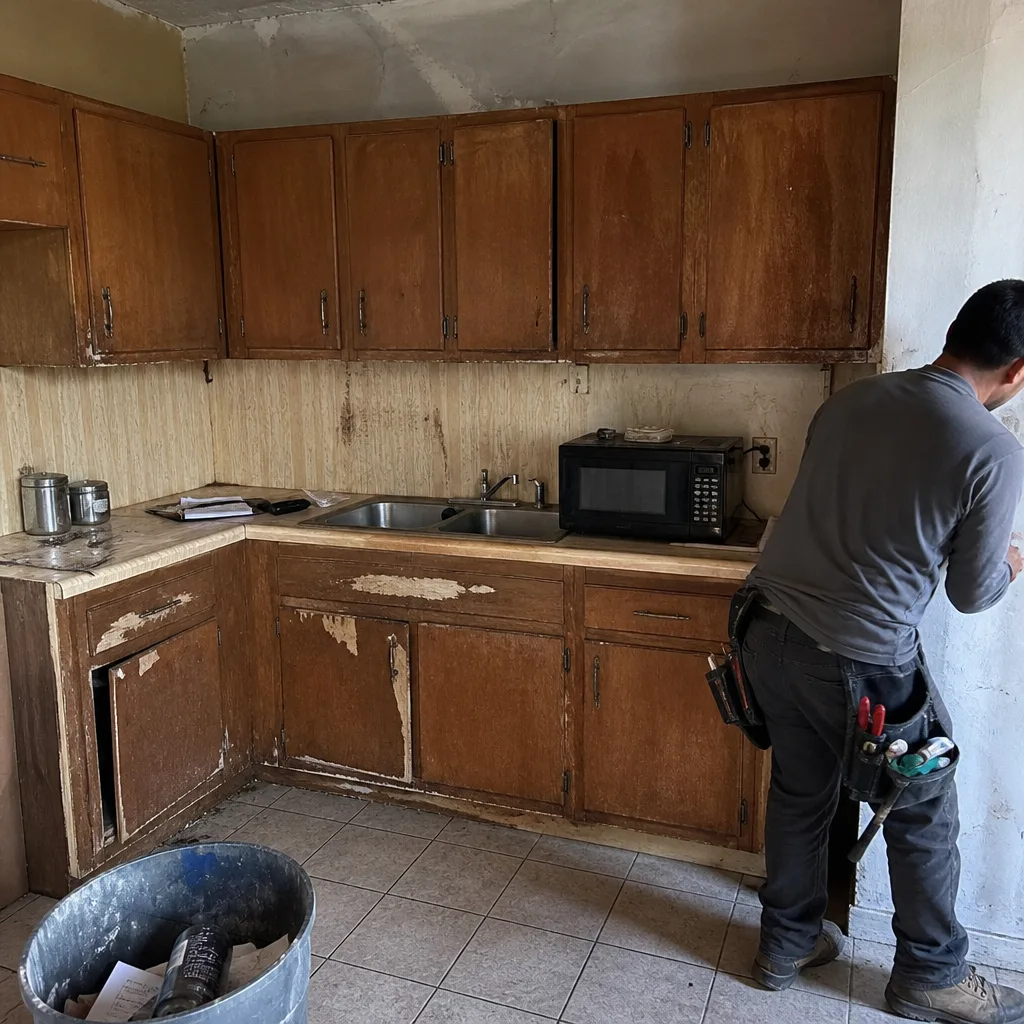 Before
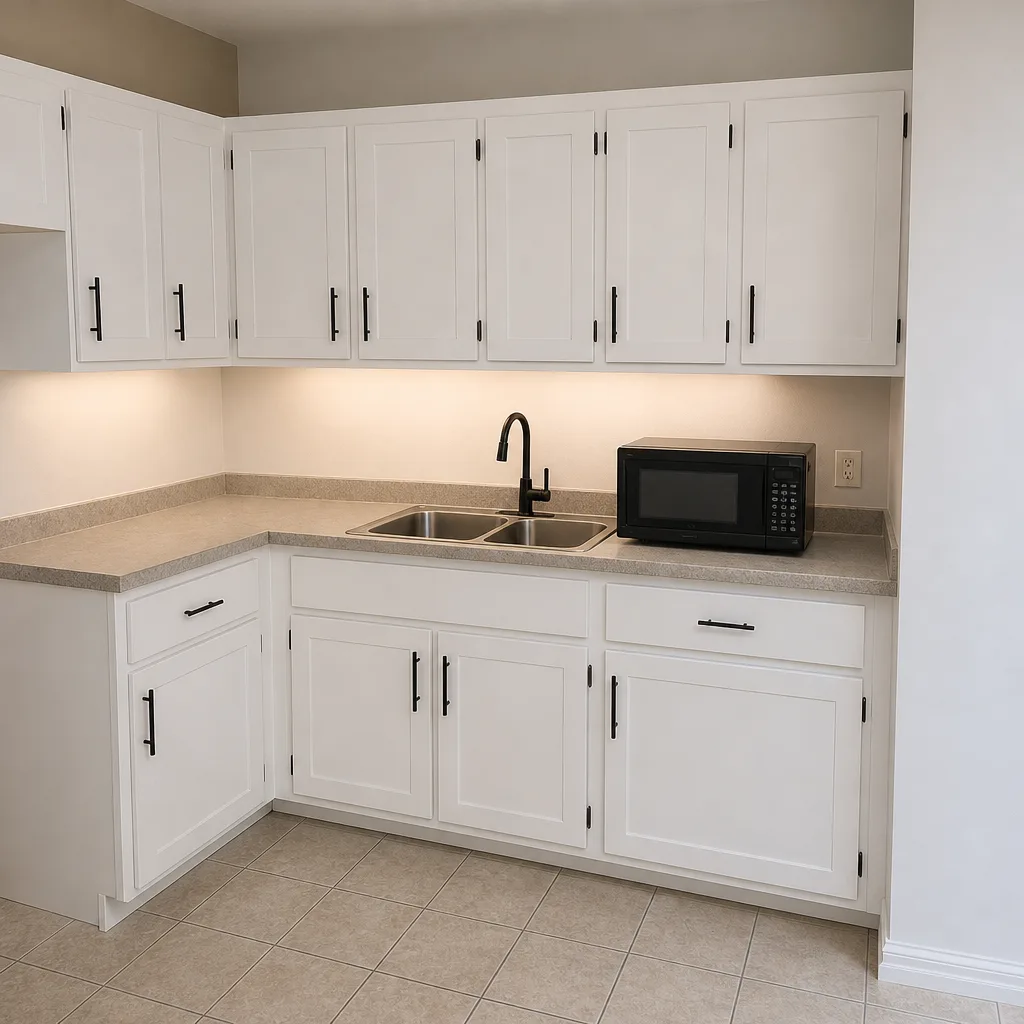 After
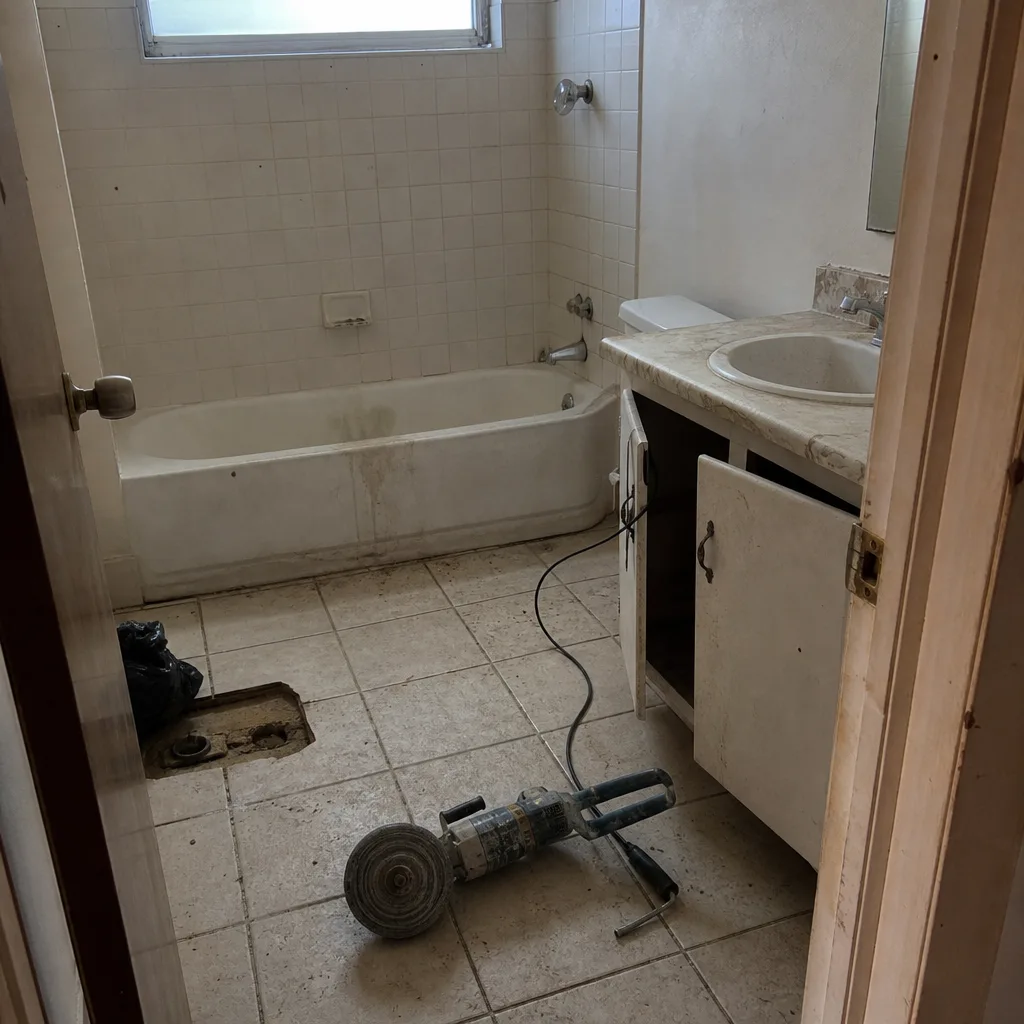 Before
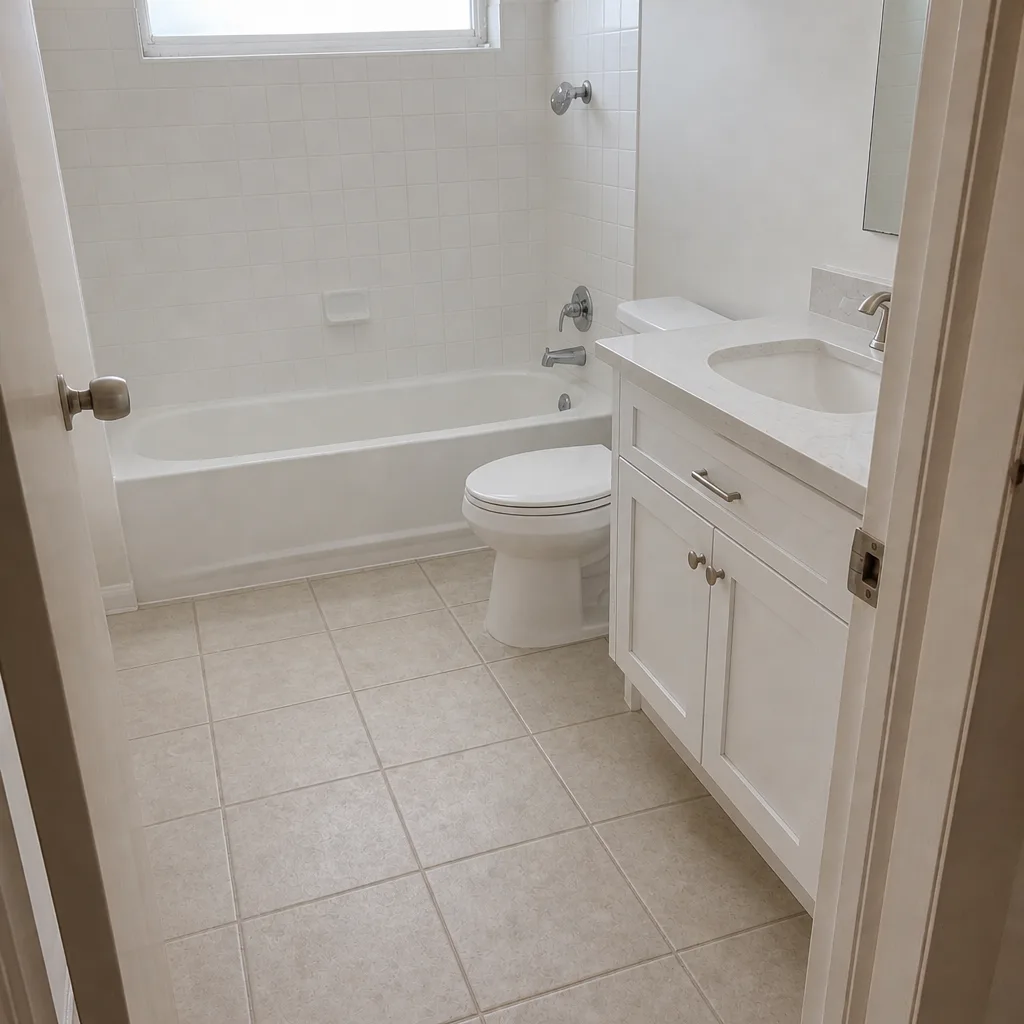 After
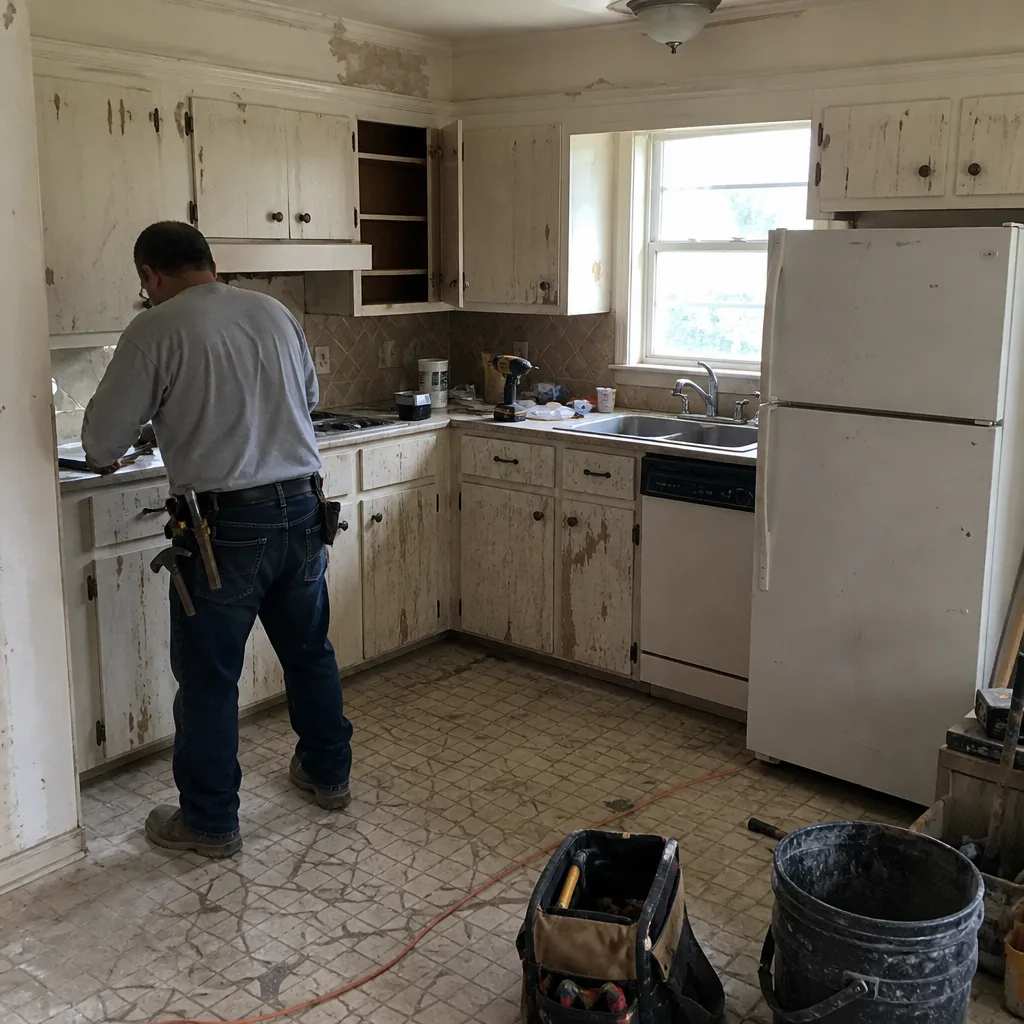 Before
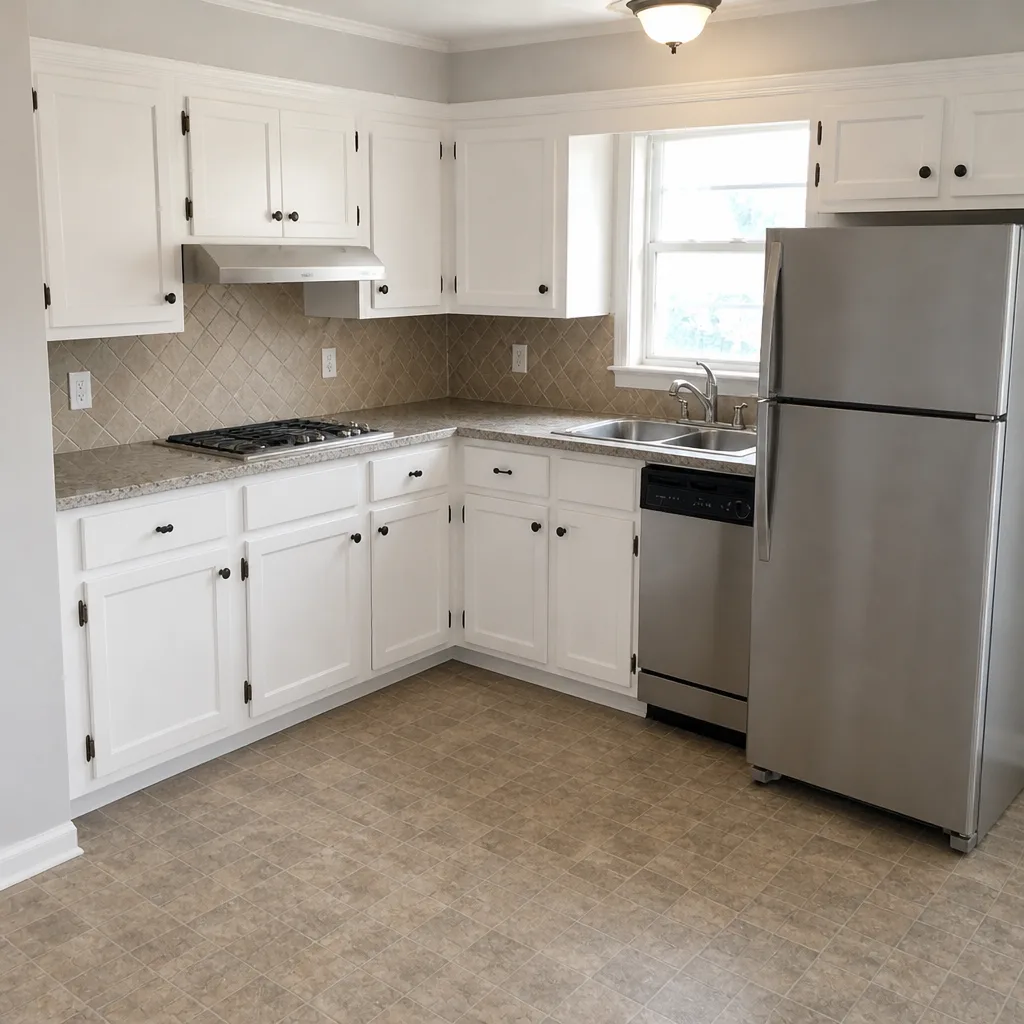 After
When to Call a Professional
Call a professional the moment your project touches a permit, a licensed trade, or the building envelope. That means any roofing, electrical work past a fixture swap, plumbing rough-in, window or door replacement, structural change, home addition, ADU, driveway base prep, or fence inside a pool enclosure line. Call when your property is titled in an LLC, when the home is a rental or secondary residence, or when you’re planning to sell within a year of finishing. Call when a first attempt has already failed an inspection. Rowan Construction Group Hialeah offers free estimates in Hialeah and will review any written estimate line by line at no charge. Call (888) 836-5914 for a free estimate.
Frequently Asked Questions
You can on your primary residence, if it’s titled in your name and you sign Florida’s owner-builder disclosure affidavit before the permit is issued – and you cannot sell the property for one year after the work is completed without disclosing it. The exemption doesn’t lift inspection requirements, so the work still goes through Miami-Dade’s inspection chain. For a rental or an LLC-titled home, the exemption doesn’t apply.
Roofing, electrical service and panel work, plumbing rough-in and gas lines, window and door replacement that changes the opening or impact rating, and any addition or ADU. Those scopes require a licensed contractor to pull the permit and take responsibility for the inspections. Call (888) 836-5914 for a free estimate on any of them.
It can, and the policy language is specific: standard Florida HO-3 forms exclude loss caused by faulty workmanship or work performed without required permits. The adjuster checks the building department’s permit history, and any unpermitted improvement that shows in the claim becomes a coverage question. Pull the permits and the inspection record keeps the claim clean.
The labor line is what you’re paying for, but the gap is smaller than the retail comparison suggests once you subtract trade material pricing, tool rental, permit-management time, and inspection re-do risk. Get a written flat price and compare it line by line against your own DIY budget – the number usually narrows. Call (888) 836-5914 for a written price before you decide.
Interior painting, cabinet hardware and drawer slides, landscaping outside setback lines, pressure washing, screen repair on a non-structural patio, and a like-for-like faucet or toilet swap in the same location. Anything touching structure, envelope, electrical, plumbing, or gas goes to a licensed professional with a permit.
It means that for one year after completing permitted owner-builder work, you cannot sell the property without the buyer signing a disclosure acknowledging the work. It’s a condition of the exemption, and it catches homeowners mid-sale. If you might list within a year, have a licensed contractor pull the permit instead.
The Bottom Line
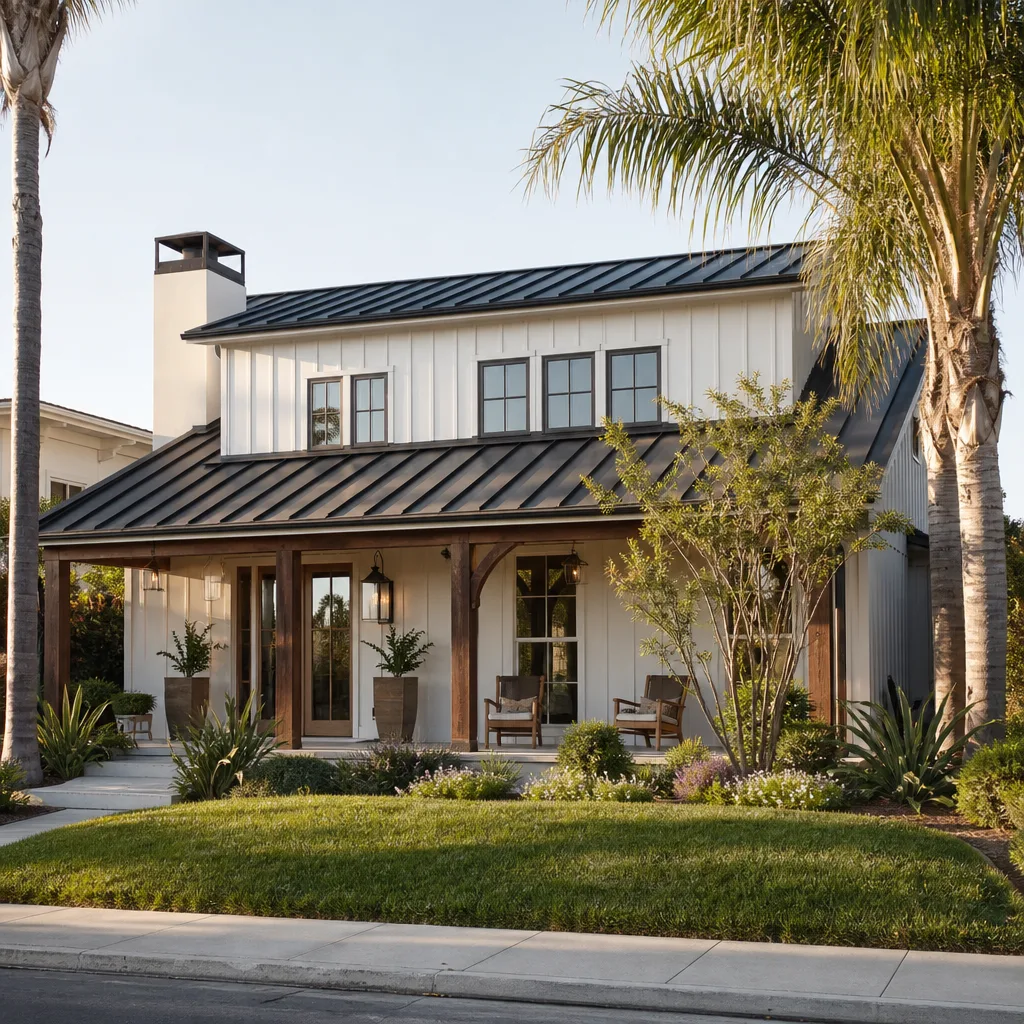
The DIY-versus-hire decision in Hialeah is an authorization question before it’s a skill question. The owner-builder exemption is real, but it comes with a signed affidavit, an inspection requirement, and a one-year resale restriction, and it doesn’t apply to rentals or LLC-titled homes. Within that boundary, interior paint, landscaping outside setbacks, cabinet hardware, and like-for-like fixture swaps are honest DIY territory. Everything touching a permit, a licensed trade, or the envelope belongs with a contractor – not because homeowners lack the hands for it, but because the permit trail is what your insurance and your resale depend on. Read the statute, read your policy, and put the price in writing.
Call Rowan Construction Group Hialeah at (888) 836-5914 for a free estimate on any project inside your DIY boundary or outside it. We’ll give you a flat written price before any work starts, review any competitor’s written estimate line by line at no charge, and put a documented photo record in your hands when the crew leaves.
Written by the team at Rowan Construction Group Hialeah.